
Det känns exalterande att ha kommit till Centralamerika och till ett land som räknas som områdets ”Bad boy”. Där det för ett tiotal år sedan knappt var något som fungerade alls, våld var ständigt närvarande och det var platser som tillhörde världens mest farliga städer. För ca tio år sedan låg Honduras på plats nummer ett i världen över högst antal mord. Sedan dess har landet gjort mycket för att förbättra denna statistik och nu är det relativt tryggt här. Även om man bör undvika vissa platser. Speciellt dessa tre öar norr om fastlandet Honduras är lugna. Det känns och märks att vi kommit till en ny kultur, annorlunda än de Östkaribiska öarna. Det lilla vi hittills har sett så är befolkningen i stort betydligt fattigare men det är väldigt autentiskt och ytterst få turister. Honduras har kritvita stränder, världens näst största barriärrev, djunglar och mayaruiner så här finns mycket att upptäcka. De flesta pratar endast spanska här, även om det på de här tre öarna är vanligt att även prata engelska då de tidigare tillhört Storbritannien.
It feels exciting to have come to Central America and to a country that is considered the area’s ”Bad boy”. Where ten years ago there was hardly anything that worked at all, violence was constantly present and there were places that belonged to the world’s most dangerous cities. About ten years ago, Honduras ranked number one in the world for the highest number of murders. Since then, the country has done a lot to improve these statistics and now it is relatively safe here. Although certain places should be avoided. Especially on these three islands north of mainland Honduras are calm. It is felt and felt that we have arrived at a new culture, different from the Eastern Caribbean islands. The little we have seen so far, the population in general is significantly poorer, but it is very authentic and very few tourists. Honduras has chalk white beaches, the world’s second largest barrier reef, jungles and Mayan ruins, so there is a lot to discover here. Most people only speak Spanish here, although it is common on these three islands to also speak English as they used to belong to Great Britain.
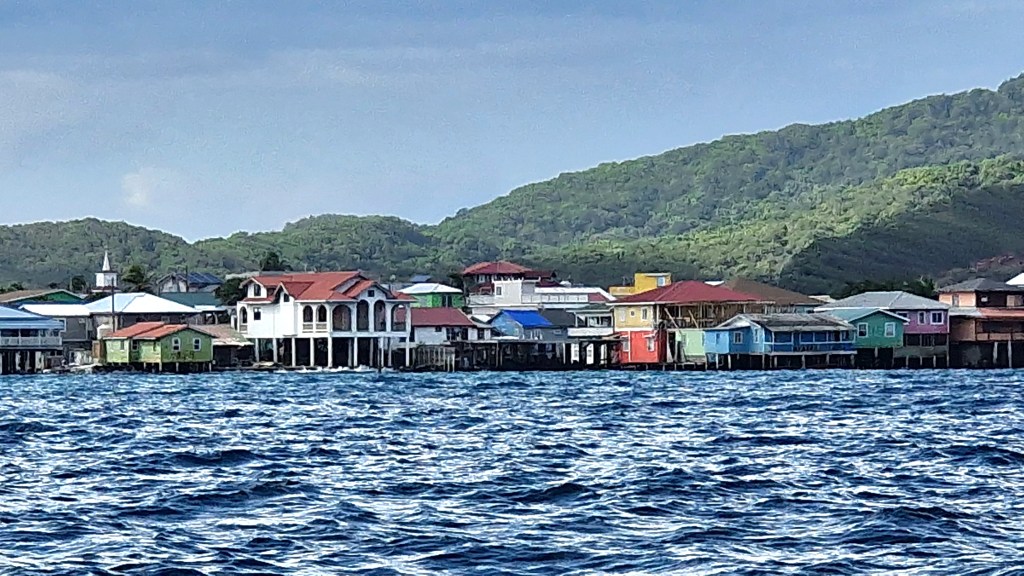

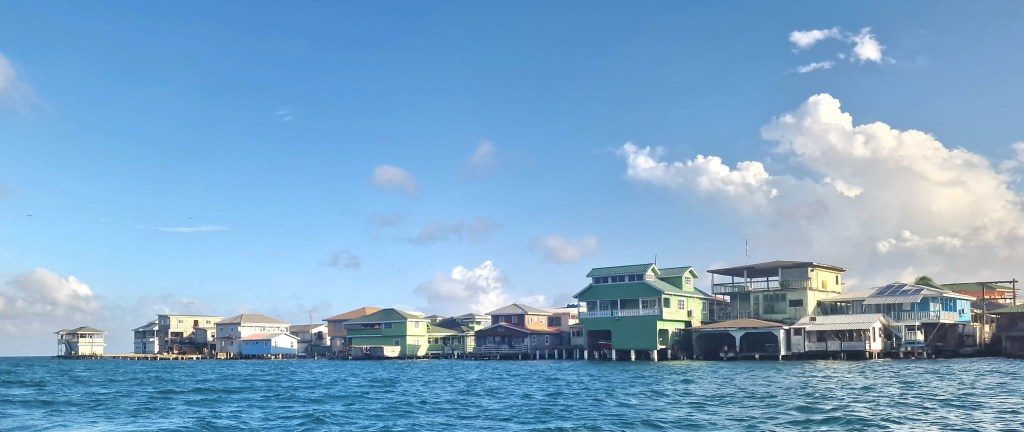
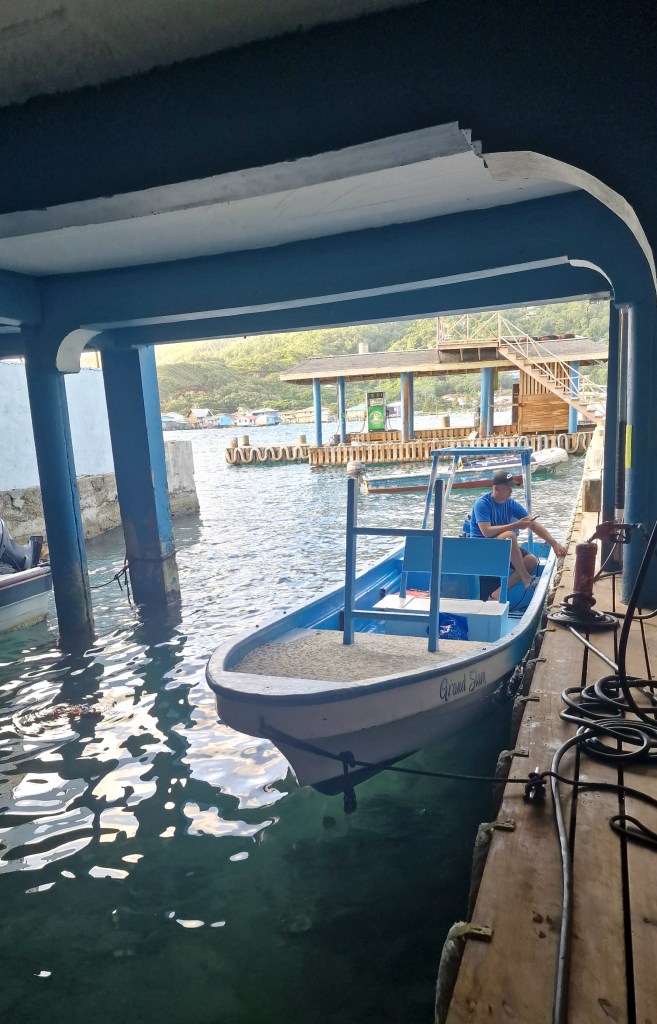
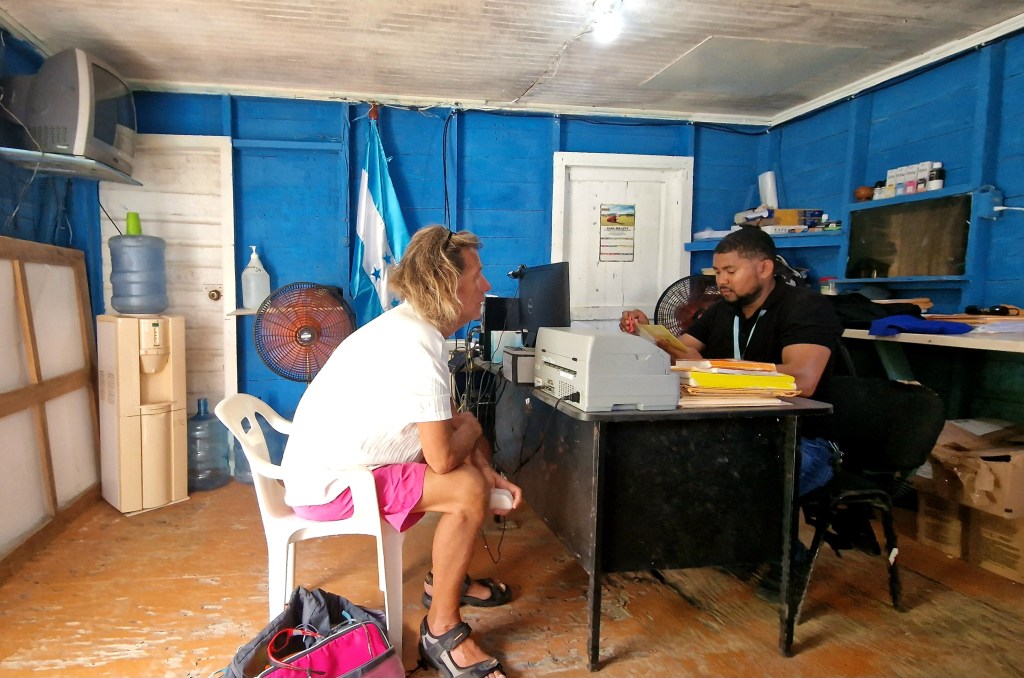
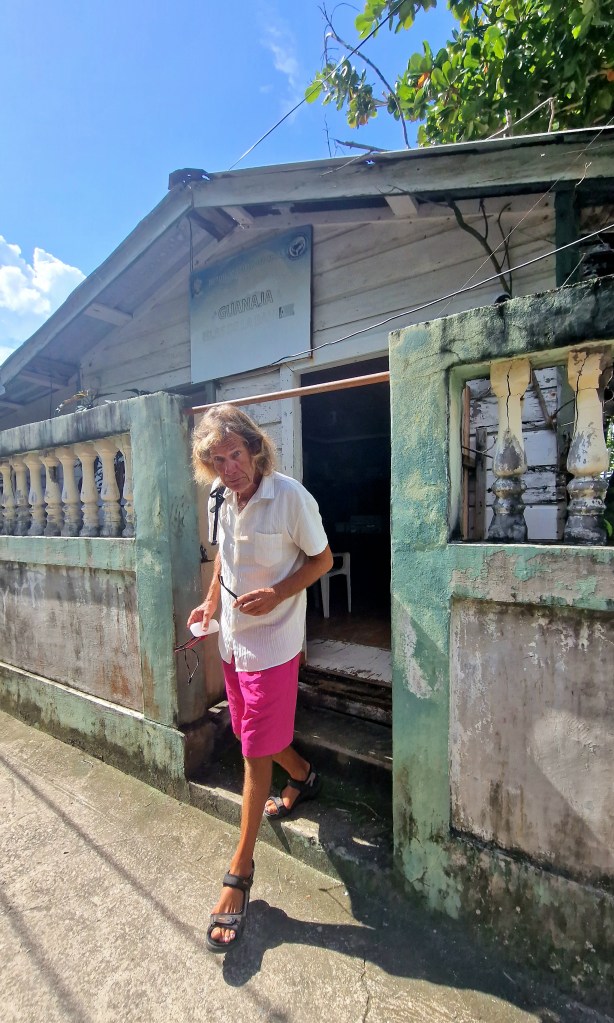

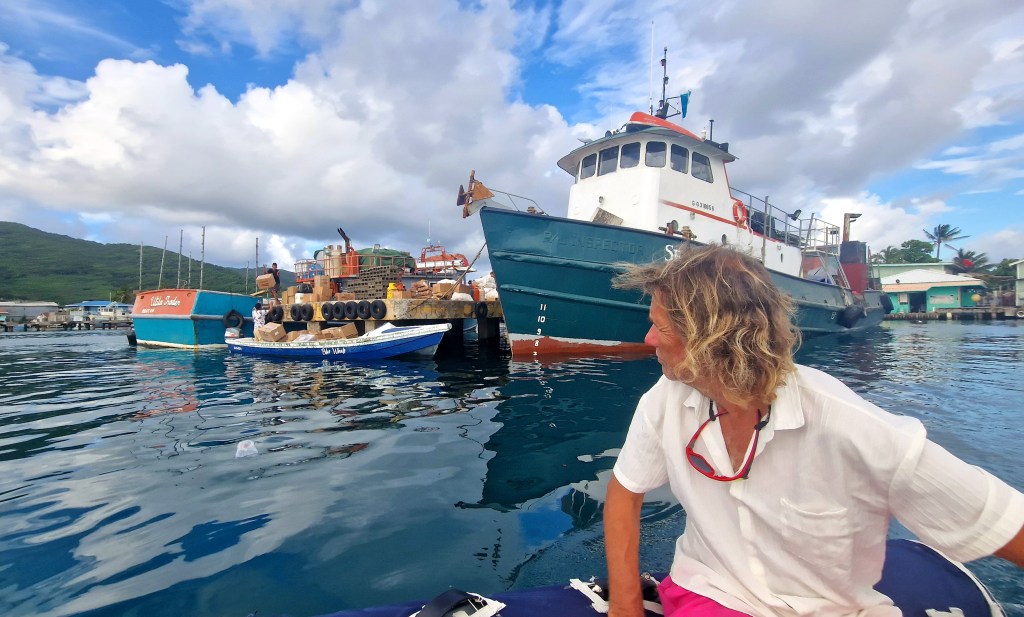
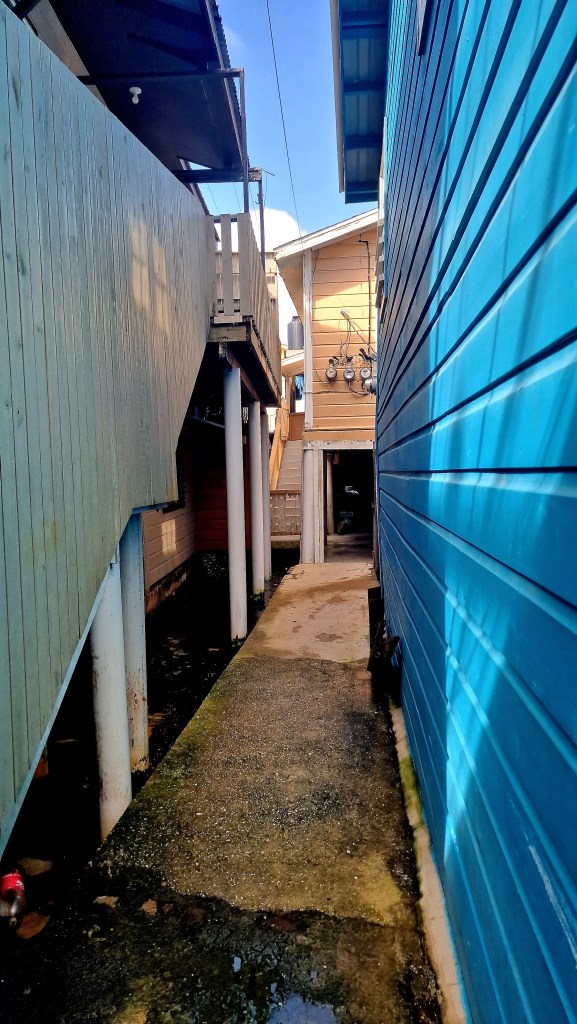
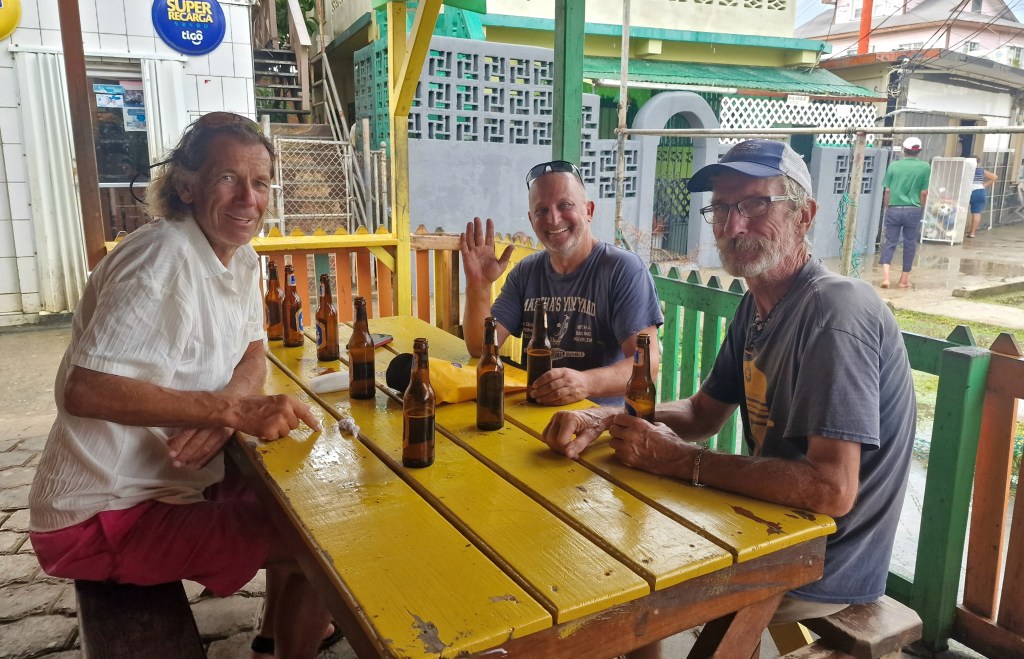
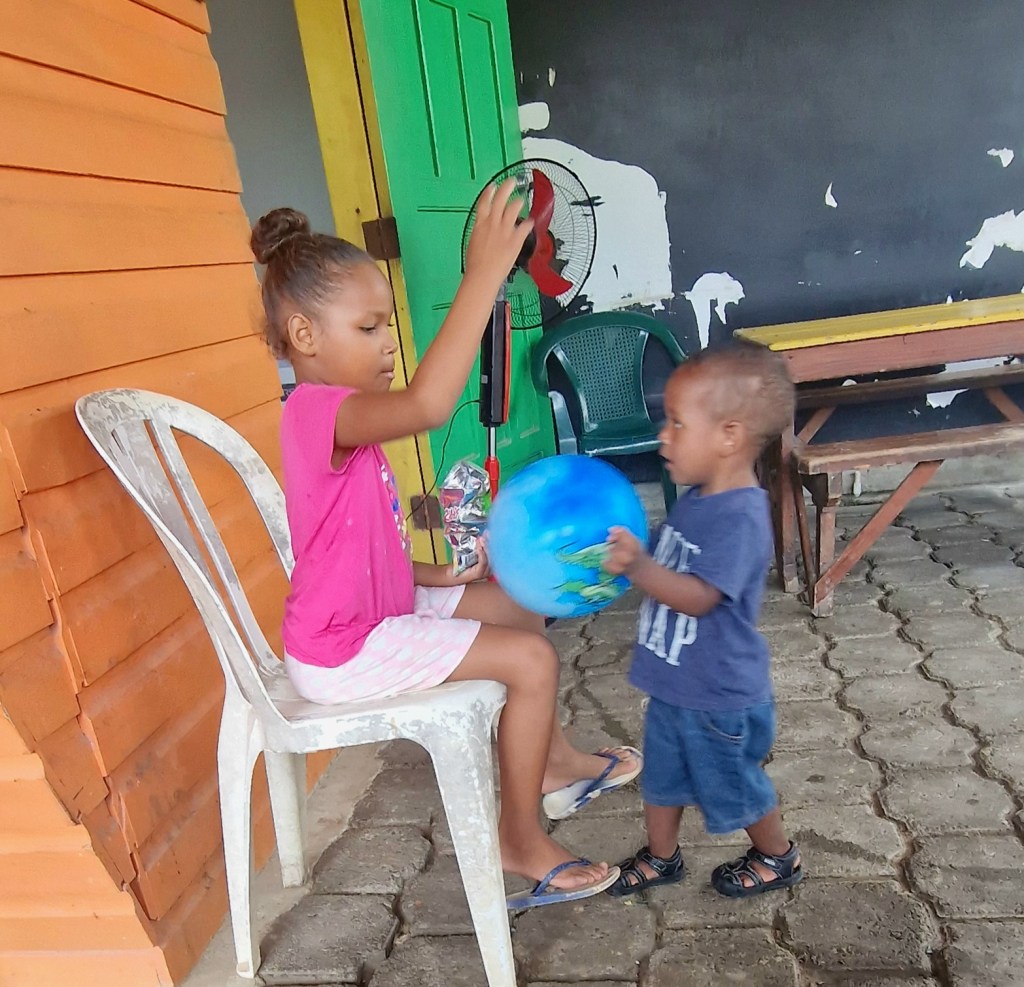
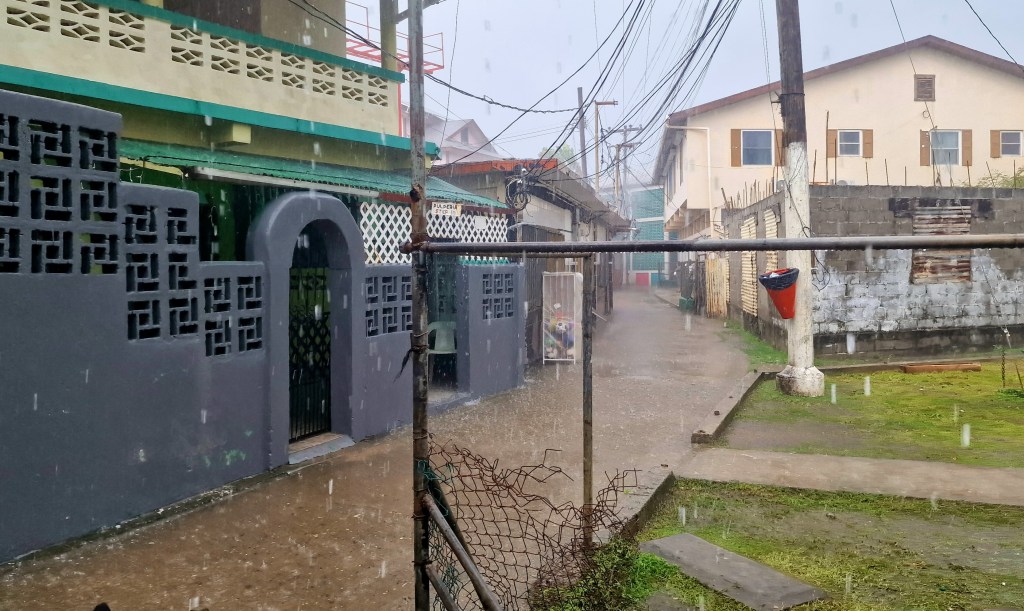
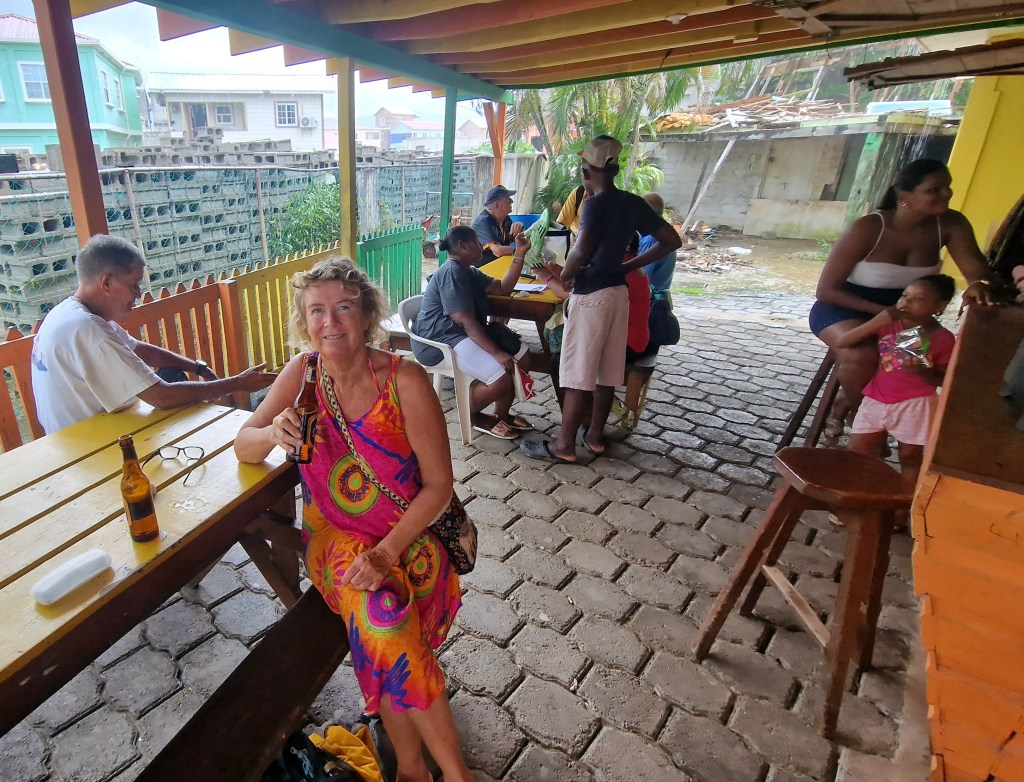
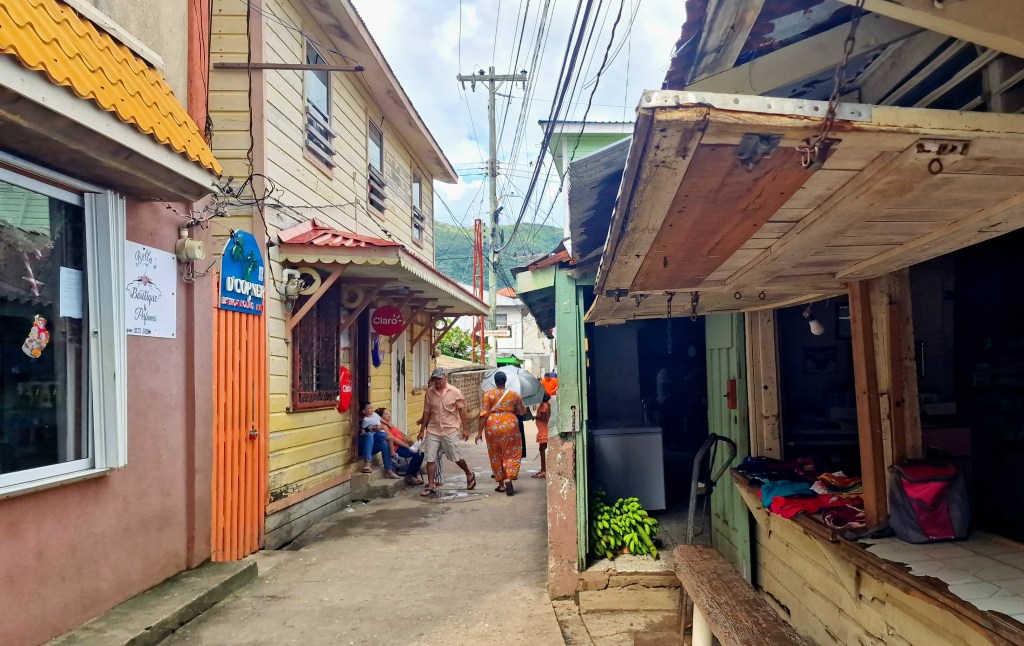
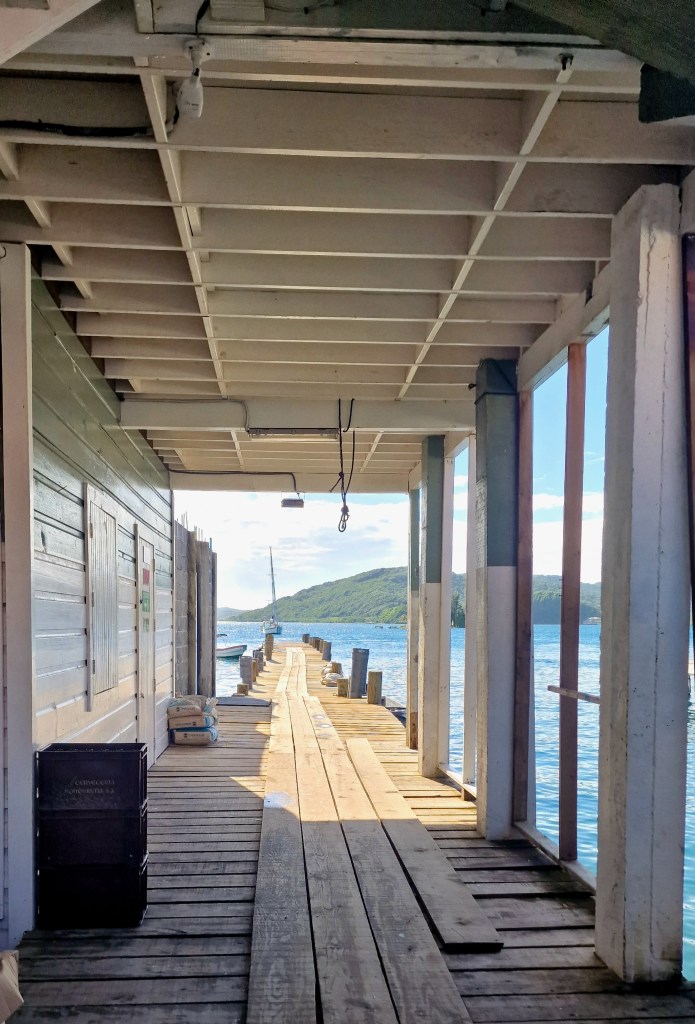
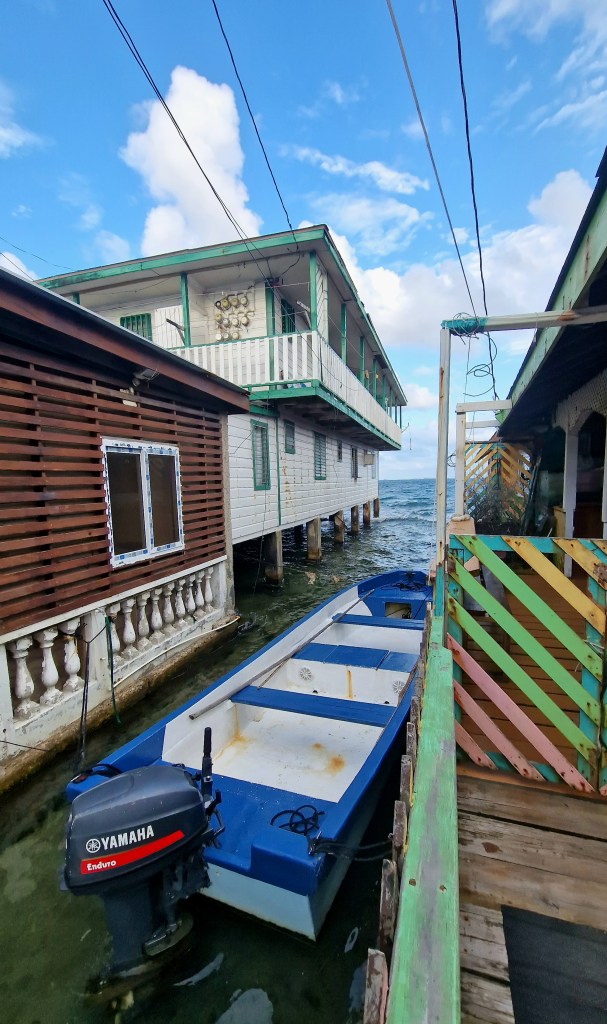
Här lever vi ett väldigt härligt och laid back liv. Slappar, badar, läser o tar jollen in till staden. En väldigt speciell stad. Den stora ön Guanaja är knappt bebyggd alls och det går bara en väg på hela ön. Så huvudorten ligger i stället på en liten liten ö som är totalt fullbebyggd. Inte ett hus till får plats. Den är så liten så man går runt hela ön inklusive återvändsgator på mindre än tjugo minuter. Men där finns både bensinstationer, supermarkets, immigration, port officer, frisörsalong, nagelsalong, bank och ett flertal barer och små serveringar. En bar mitt på ön är centrum. Sitter man där får man med sig allt som händer på ön och redan efter två besök är det många som hälsar.
Here we live a very lovely and laid back life. Relaxing, swimming, reading and taking the dinghy into town. A very special city. The large island of Guanaja is hardly inhabited at all and there is only one road on the entire island. So the main town is instead on a tiny little island that is completely built up. Not one more house will fit. It is so small that you walk around the entire island, including dead ends, in less than twenty minutes. But there are gas stations, supermarkets, immigration, port officer, hairdresser, nail salon, bank and several bars and small restaurants. A bar in the middle of the island is the center. If you sit there, you get to know everything that happens on the island, and already after two visits, many people say hello.
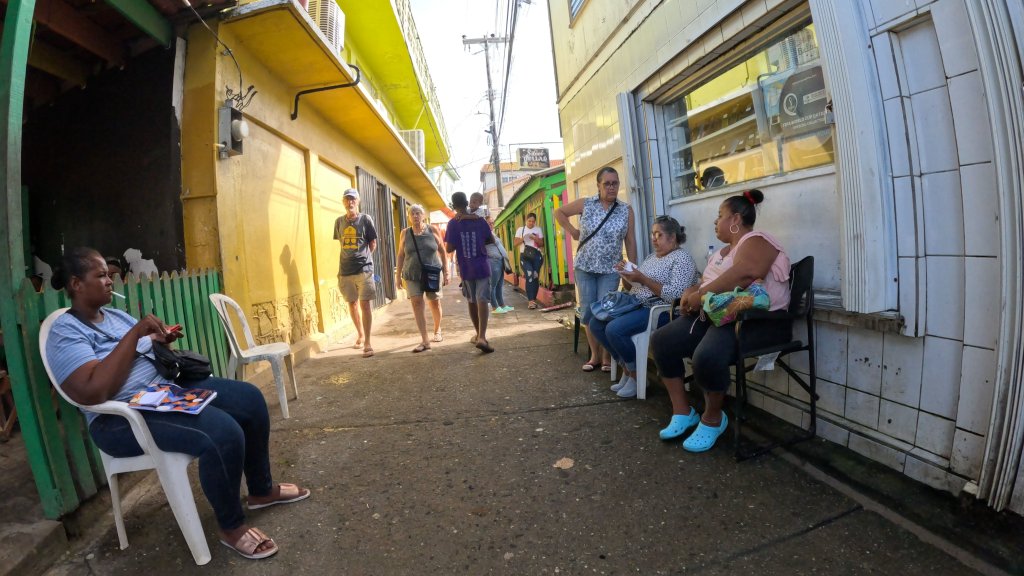
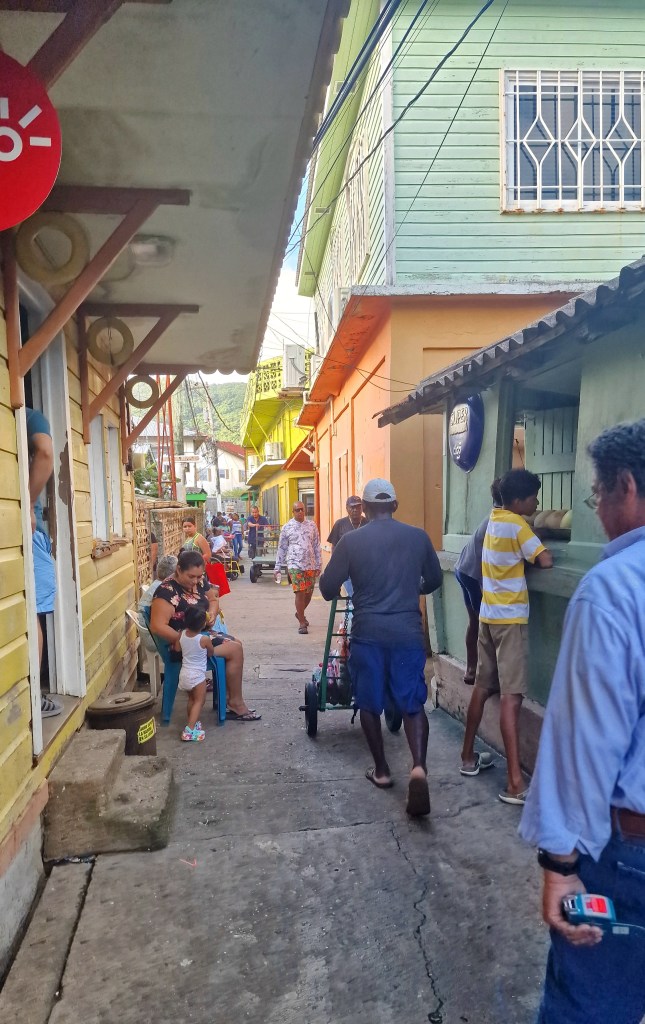

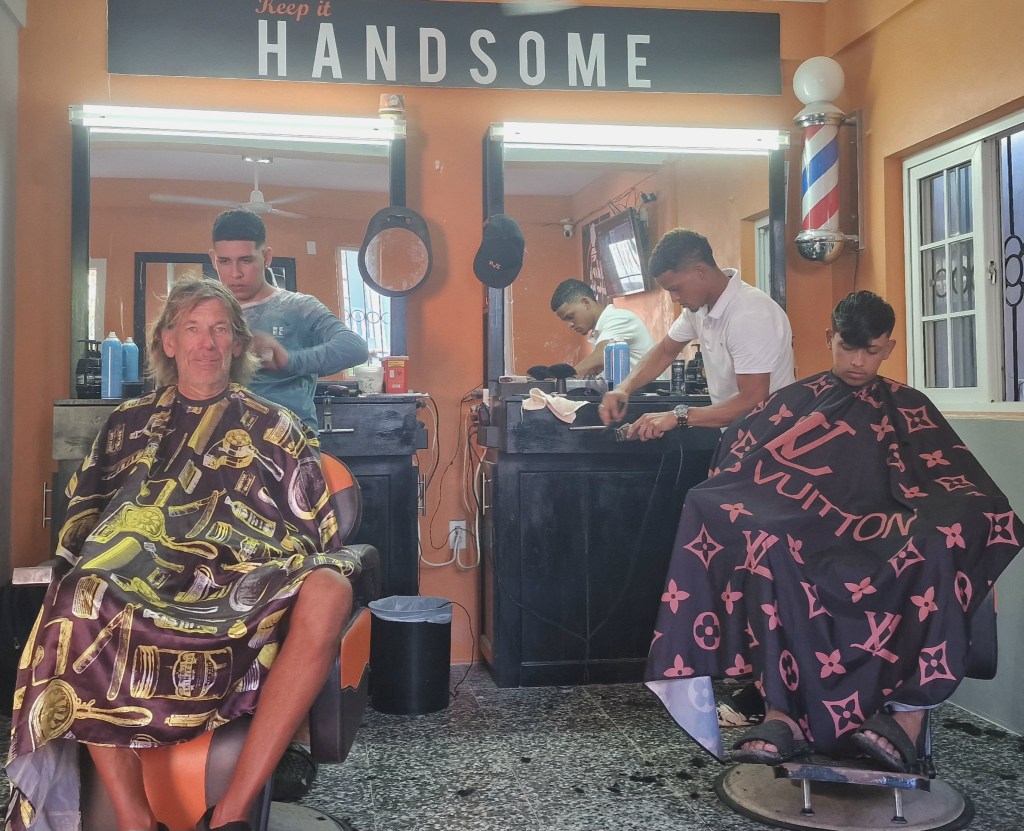
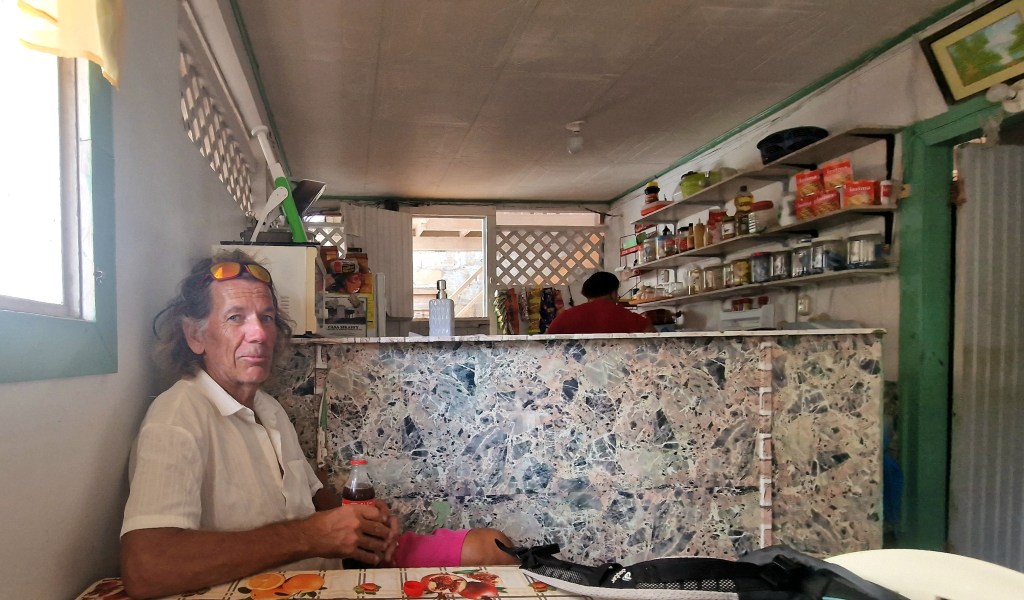
Den här lilla staden åker vi in till åtminstone varannan dag. Promenerar runt lite, handlar, går till banken och sätter oss o tar någon öl på en bar. Jan var också hos öns frisörer och fick klippt bort mycket av det slitna håret. Fyrtio kronor kostade det.
We go into this small town at least every other day. Walk around a bit, shop, go to the bank and sit down and have a beer at a bar. Jan also went to the island’s hairdressers and had much of the worn hair cut off. It cost forty kroner.


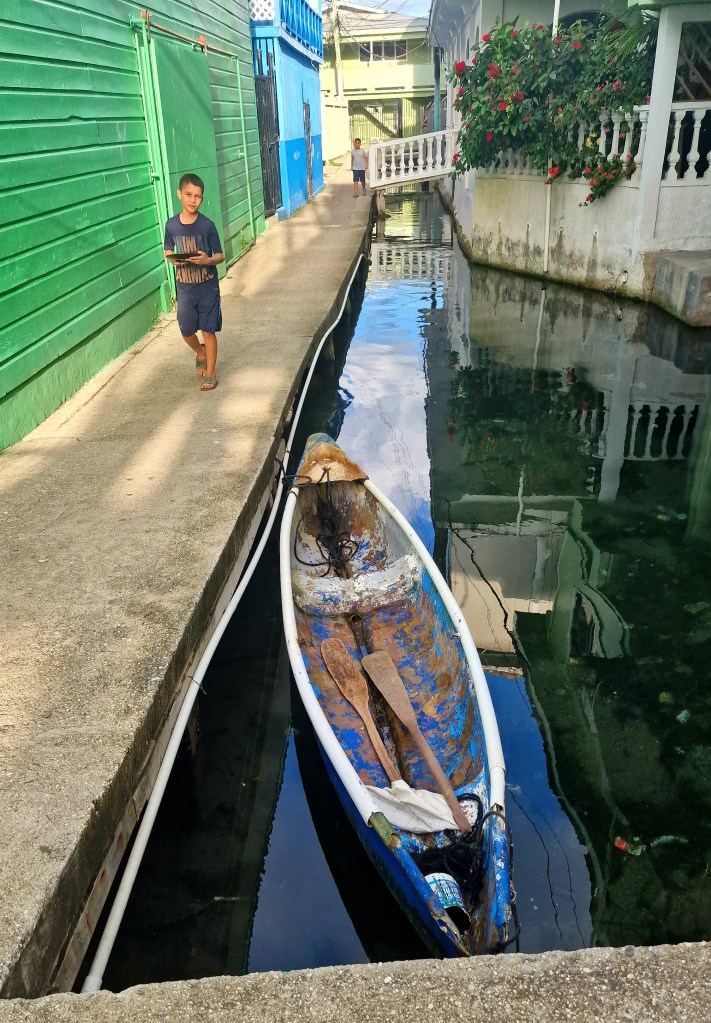
village there is a small canal
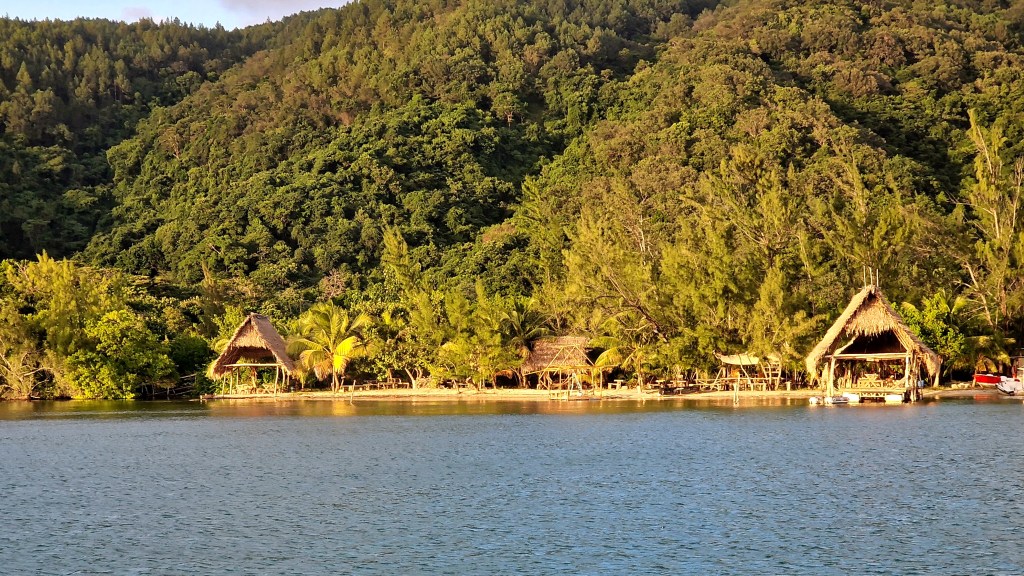
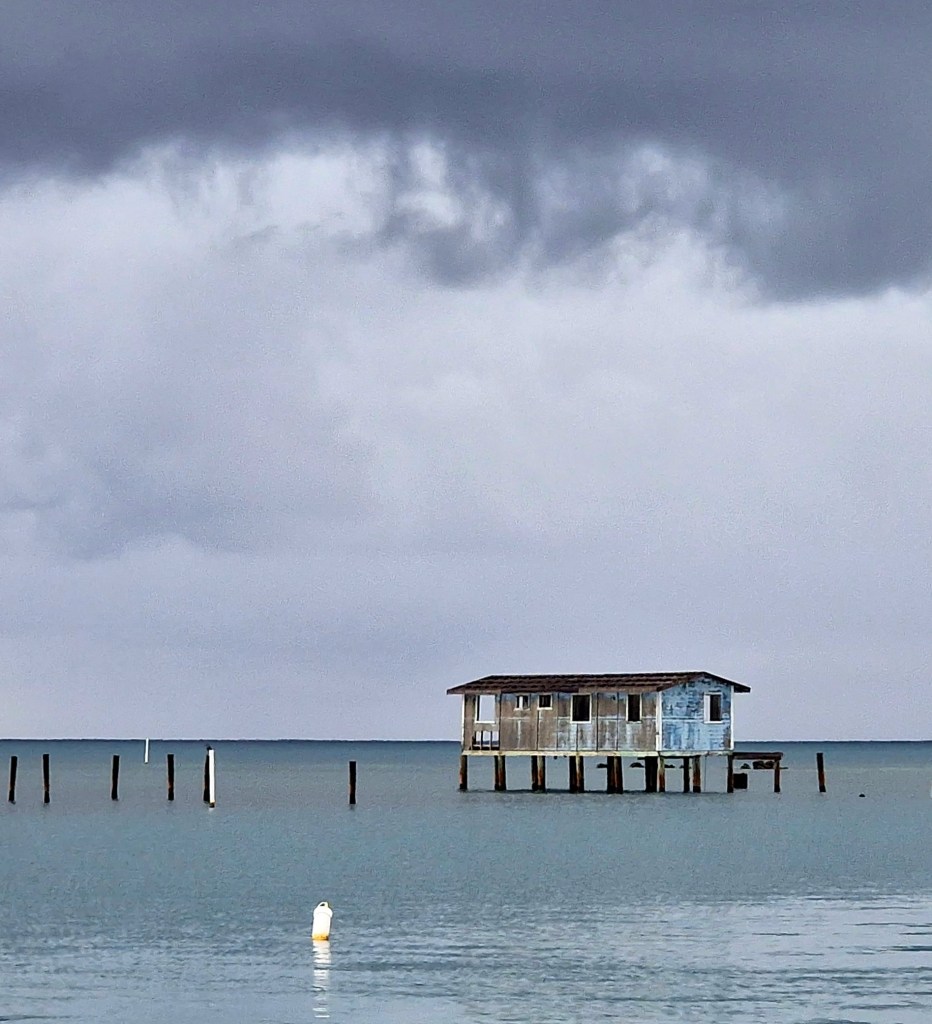
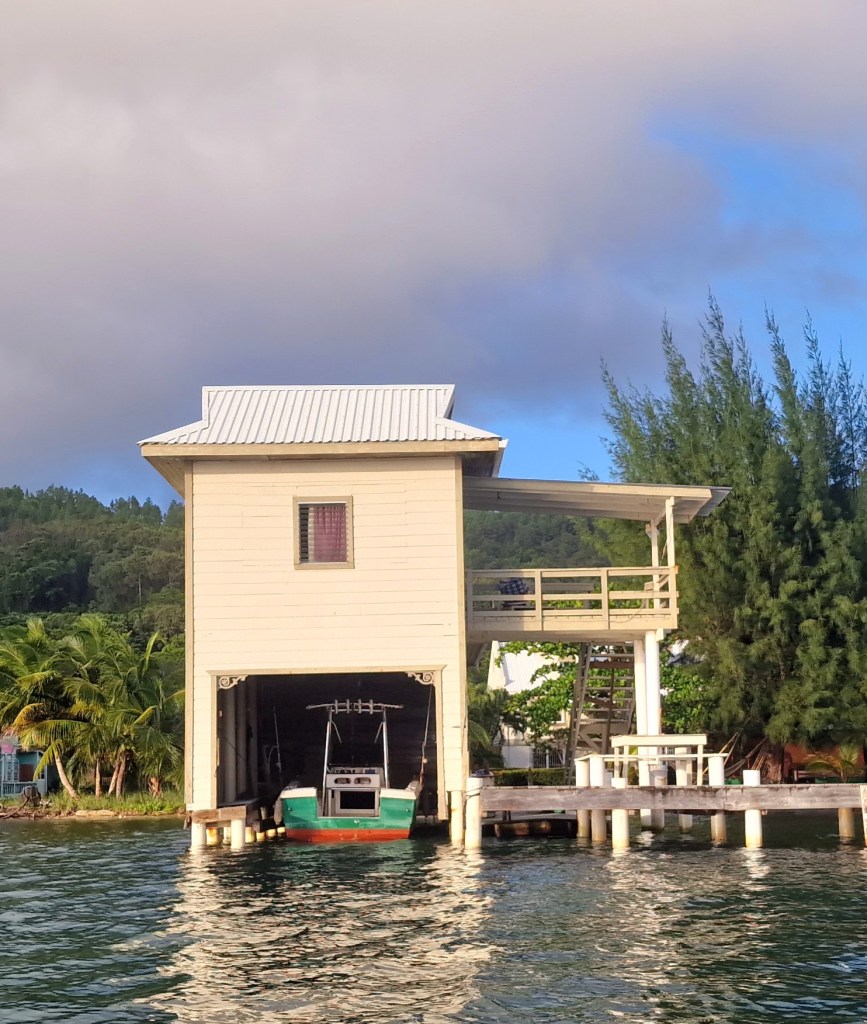
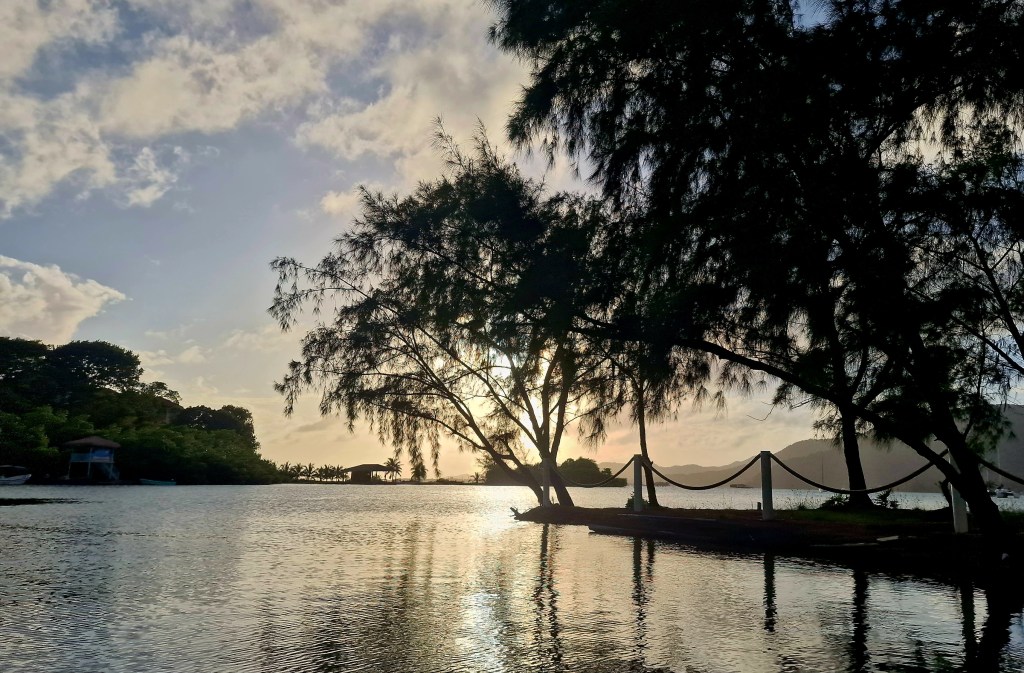
Vi ligger med Vilja i en vik norr om ön. Vitbröstade fregattfåglar och pelikaner flyger över våra huvuden här vi ligger i den stilla viken som är omgiven av grönskande kullar och hus med palmbladsklädda tak. Det ligger endast fyra båtar här förutom oss. Underbart att slippa de populära vikarna med uppemot tvåhundra båtar som var vanligt i Östra Karibien. Det mest spännande som har hänt är att vi höll på att bli nedseglade av ett flytande litet ”hus” som slet sig från förankringen en kväll. Men det upptäcktes och de var snabbt ute med en båt och drog in huset till stranden igen.
We lie with Vilja in a bay north of the island. White-breasted frigatebirds and pelicans fly over our heads here as we lie in the quiet bay surrounded by verdant hills and houses with palm frond roofs. There are only four boats here besides us. Wonderful to avoid the popular bays with upwards of two hundred boats that were common in the Eastern Caribbean. The most exciting thing that has happened is that we were about to be crash by a floating little ”house” that tore away from its mooring one evening. But it was discovered and they were quickly out in a boat and pulled the house back to shore.
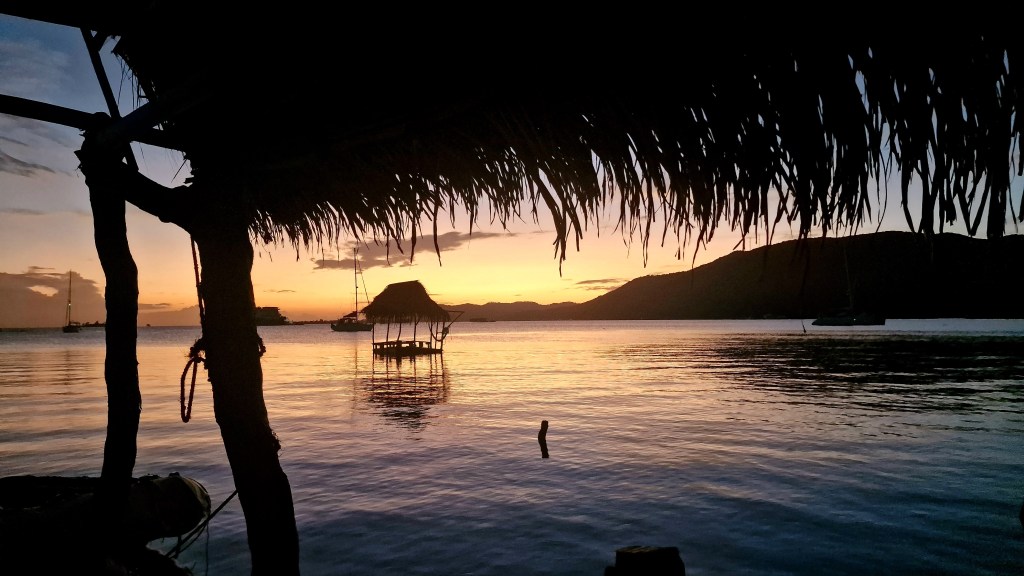



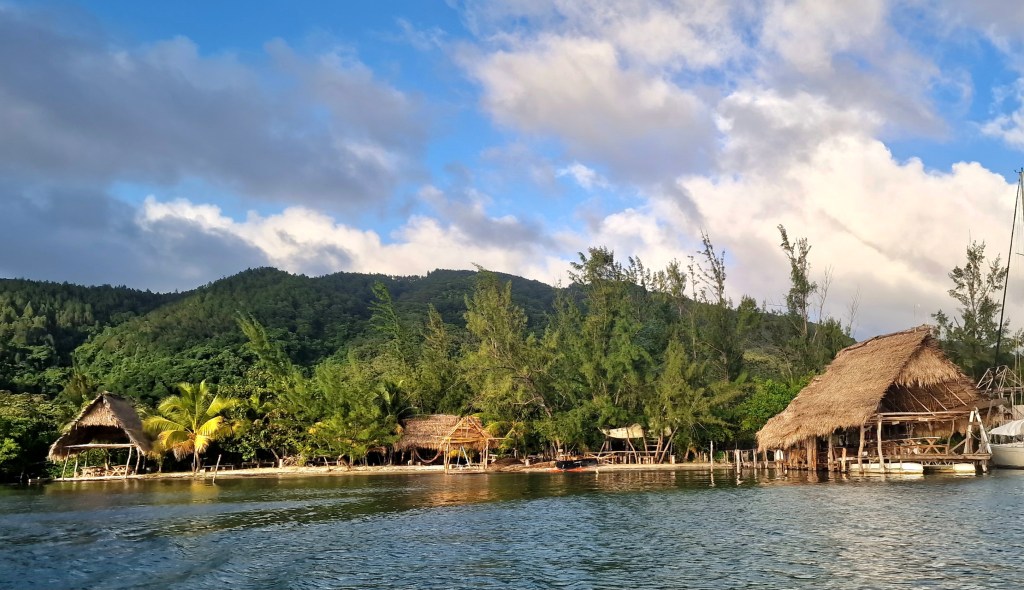
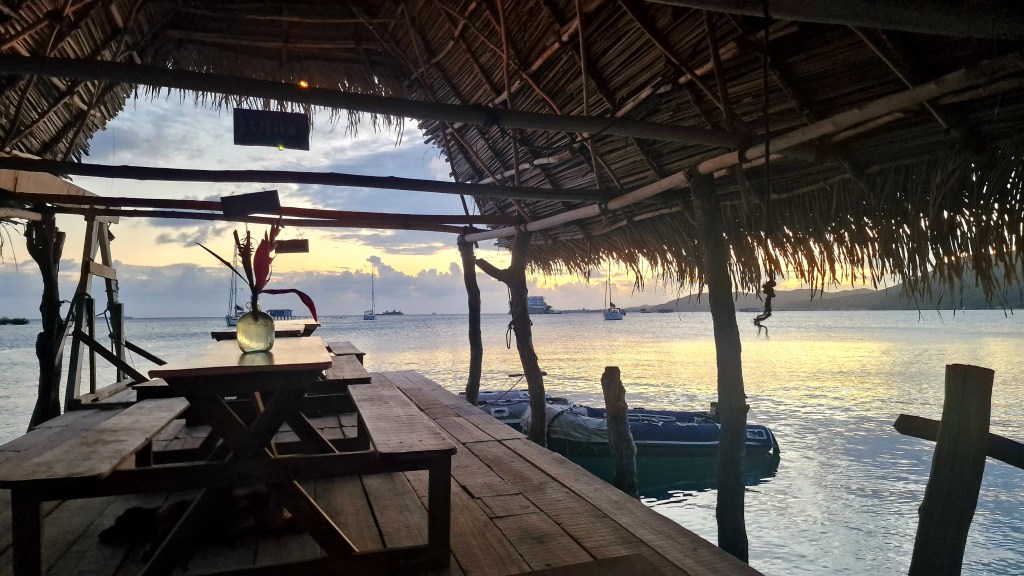
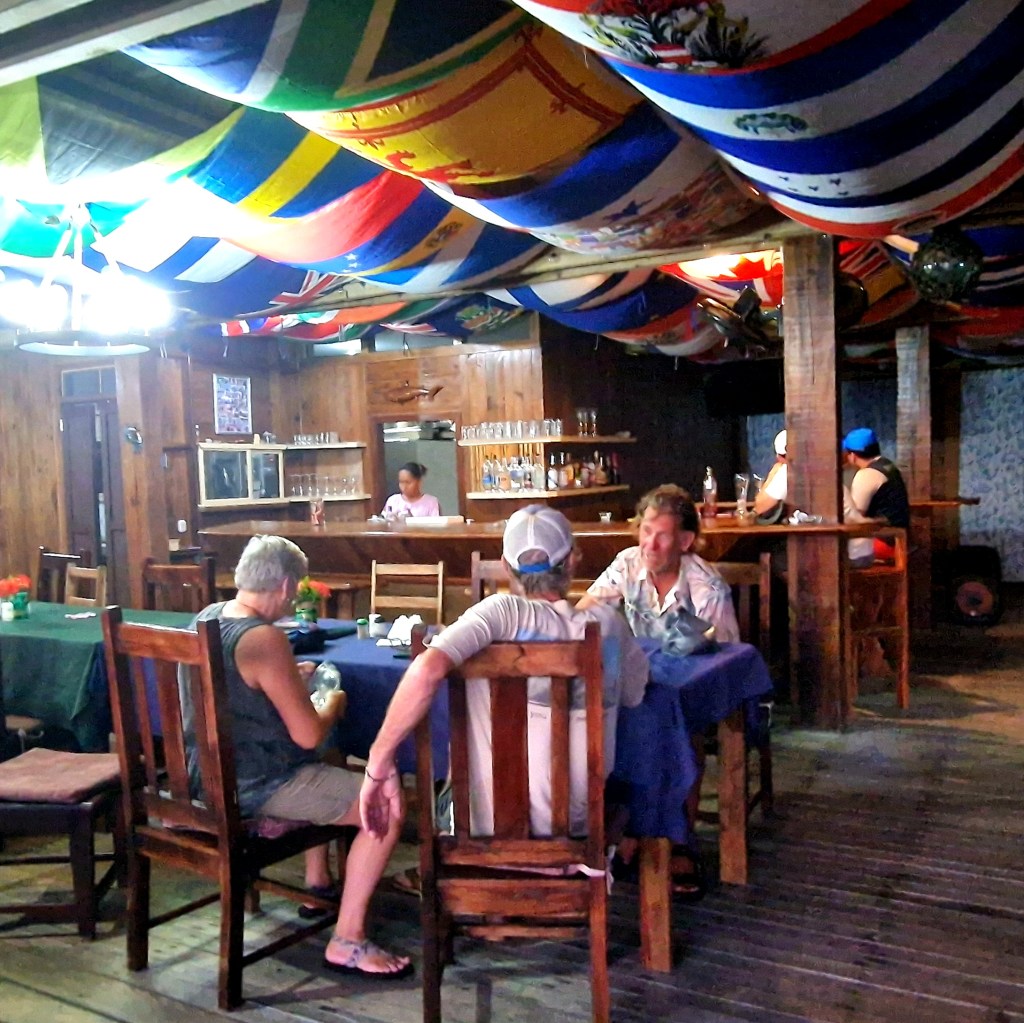
Här i viken finns en restaurang med palmtak där restaurangens sittplatser flyter på pontoner ute i vattnet. De serverar jättegod stenugnsbakad pizza och är vikens samlingsplats. Där sitter vi nästan varje kväll och pratar med seglarna från de andra båtarna. Det finns även en annan restaurang som endast har öppet två kvällar i veckan.
Here in the bay there is a restaurant with a palm roof where the restaurant’s seats float on pontoons out in the water. They serve great pizza baked in a stone oven and are the bay’s gathering place. We sit there almost every evening and talk to the sailors from the other boats. There is also another restaurant that is only open two evenings a week.
Dagarna flyter på i stilla mak och nu väntar vi på att regnet skall lätta så vi kan segla vidare till nästa ö i ögruppen Islas de la Bahía
The days go by at a leisurely pace and now we are waiting for the rain to ease so we can sail on to the next island in the Islas de la Bahía archipelago
 Levermittliv