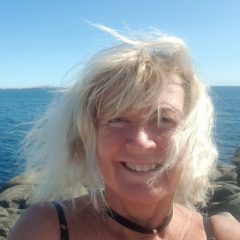
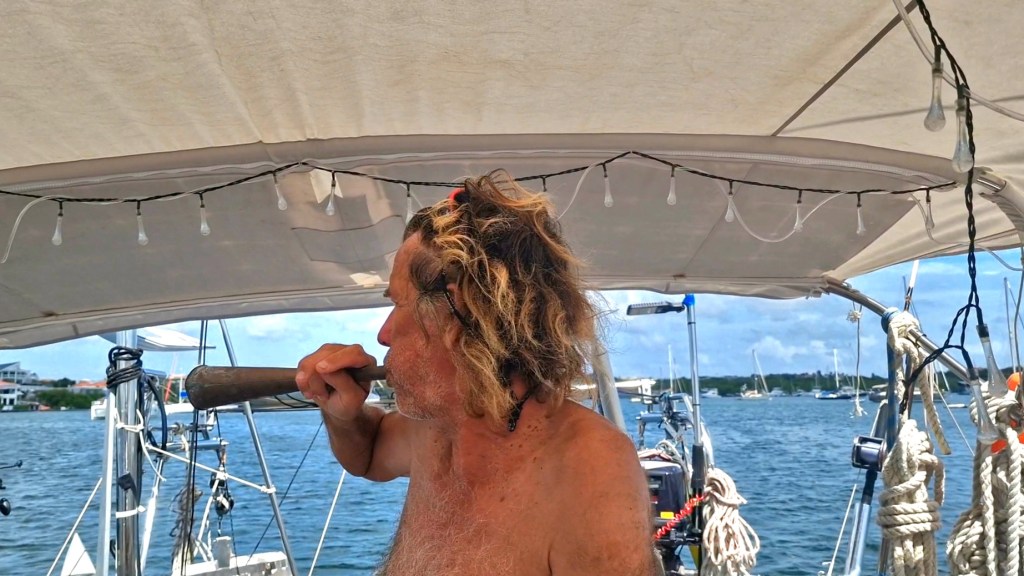
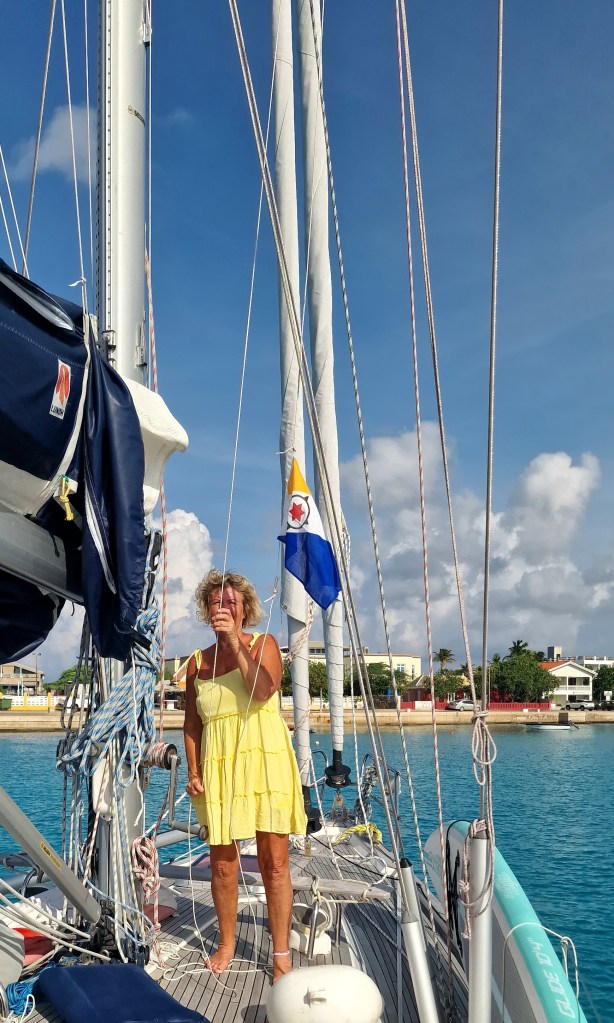
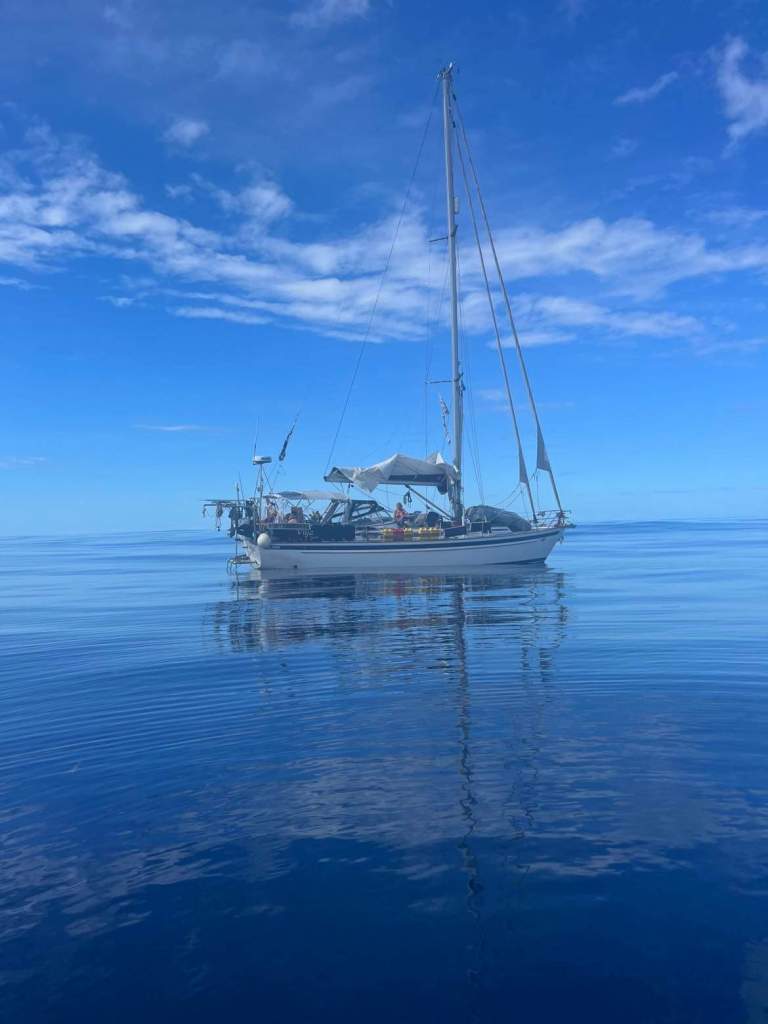
Idag ( onsdag), äntligen, är all väntan över! 11.25 lämnade vi vår ankarplats på Curaçau för att starta denna säsongs äventyr på riktigt. Med båttutan i högsta hugg åkte vi ut ur Spaanse water ut på öppet hav. Många båtar tutade tillbaka och önskade oss Fair winds. Underbar känsla att ge sig ut på äventyr.
Today (Wednesday), finally, alll waiting is over! At 11.25 we left our anchorage in Curaçau to start this season’s adventure for real. With the boat horn at full blast we sailed out of Spaanse water out into the open sea. Many boats honked back and wished us fair winds. Wonderful feeling to go on an adventure.
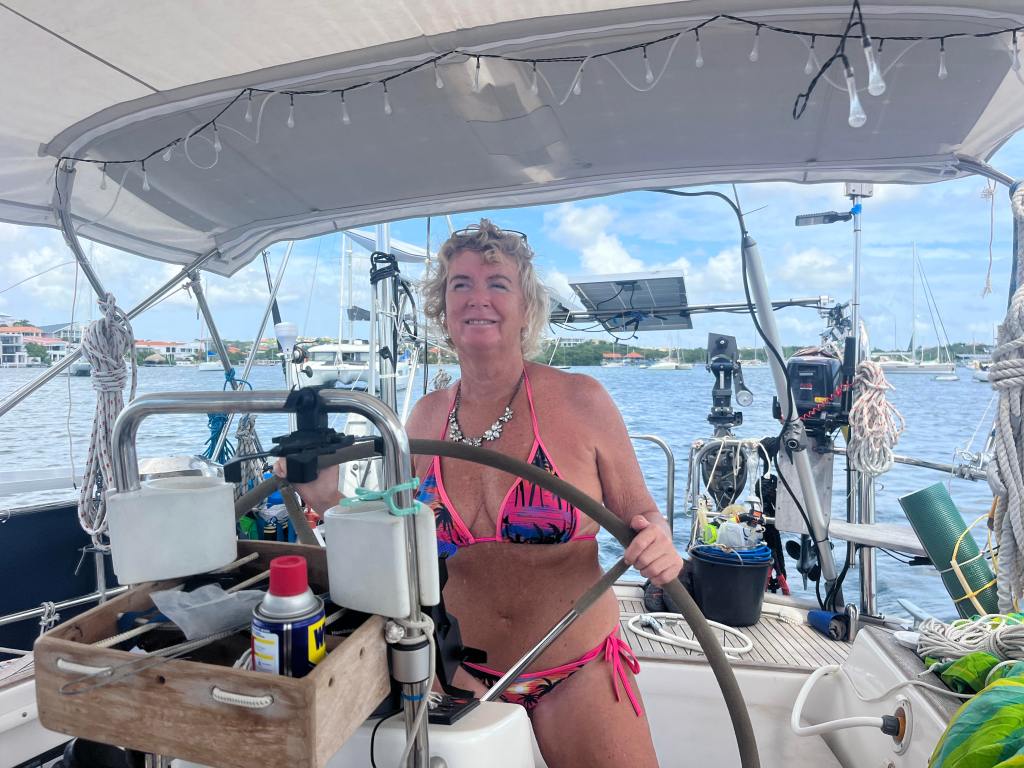
Vi har som mål att segla till några småöar norr om Honduras, Roatan, Guanaja och Utila, som alla tillhör Honduras. Seglingen dit är lika lång som en halv Atlantsegling men vi kanske gör ett stopp på vägen. Det beror på hur seglingen blir och hur vindarna är. Det viktigaste är att vi håller en kurs långt utanför Nicaragua och fastlandet Honduras. Det är två oroliga länder där det inte är ovanligt att fiskebåtar långt utifrån land bestämmer sig för att borda segelbåtar för att komma åt de värdesaker som finns ombord. Inte så kul att vakna med en pistol mot huvudet – vilket vi läst händer en del båtar.
We aim to sail to some small islands north of Honduras, Roatan, Guanaja and Utila, all of which belong to Honduras. The sail there is as long as half an Atlantic sail, but we might make a stop on the way. It depends on how the sailing is and how the winds are. The most important thing is that we keep a course well outside of Nicaragua and mainland Honduras. These are two troubled countries where it is not unusual for fishing boats far from land to decide to board sailboats to access the valuables on board. Not so fun waking up with a gun to your head – which we’ve read happens to some boats.
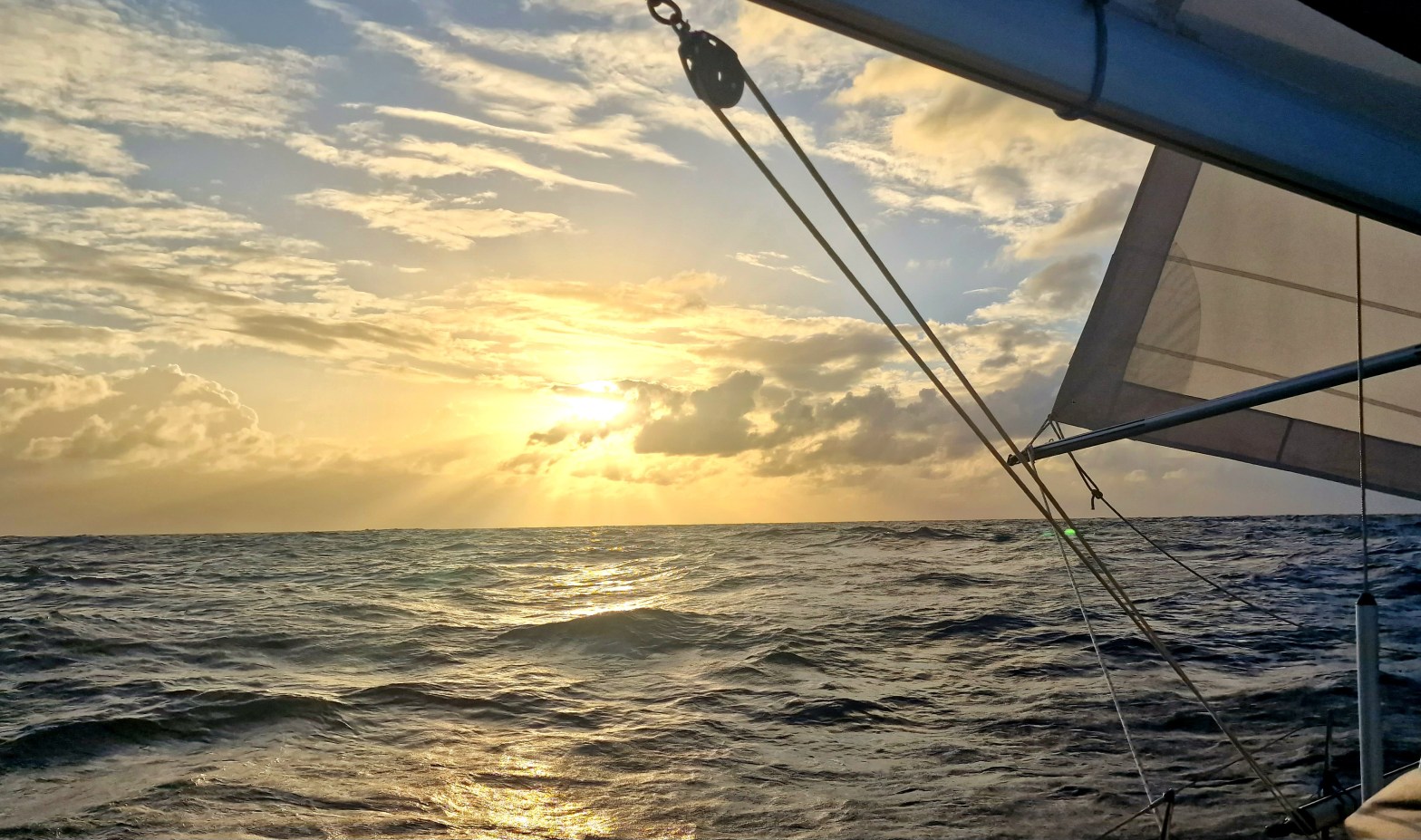
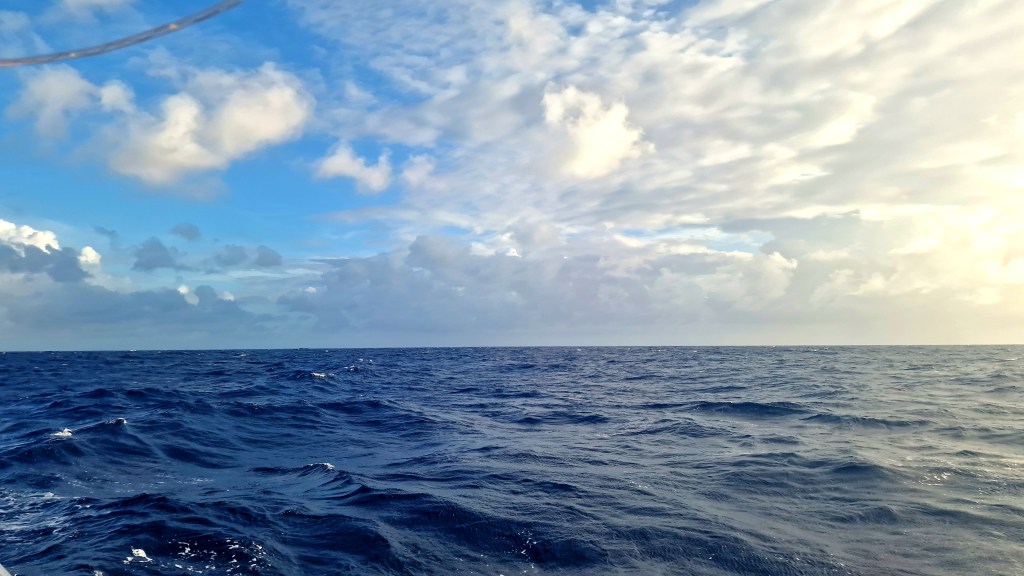
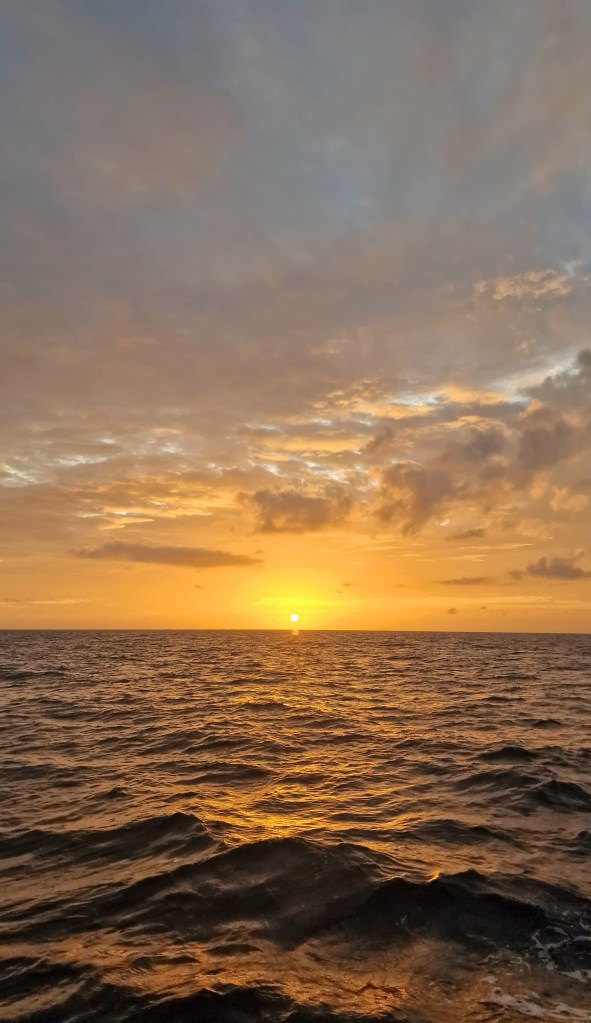
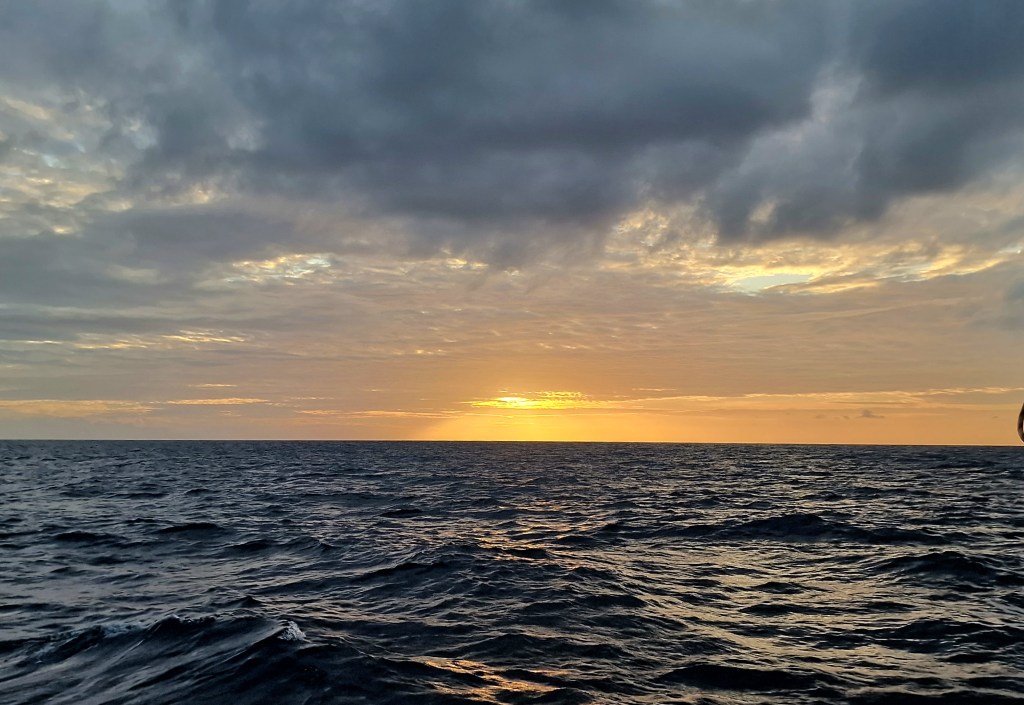
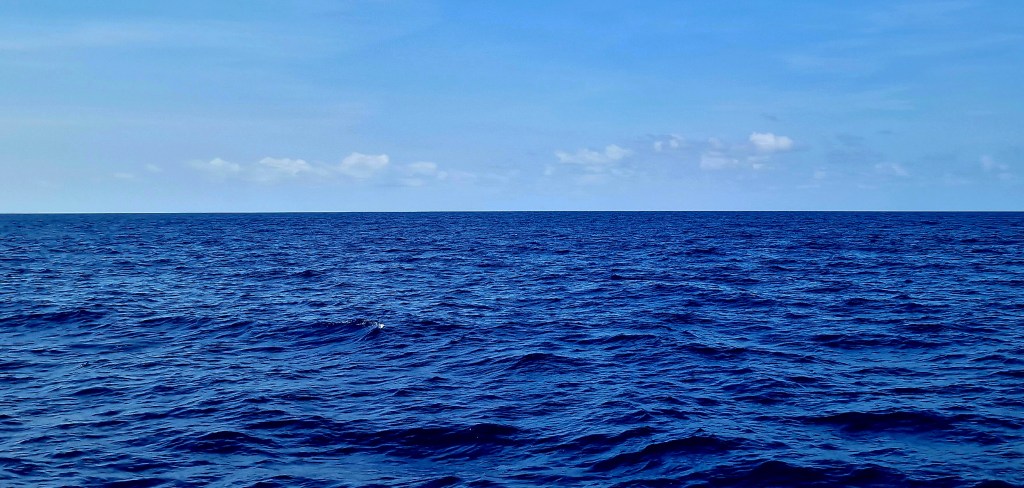
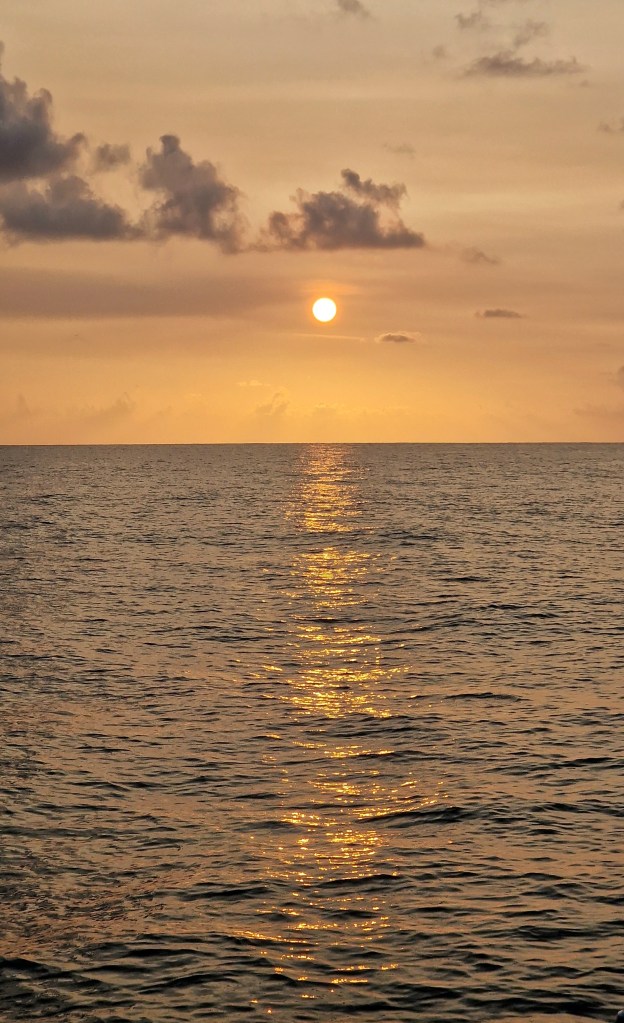
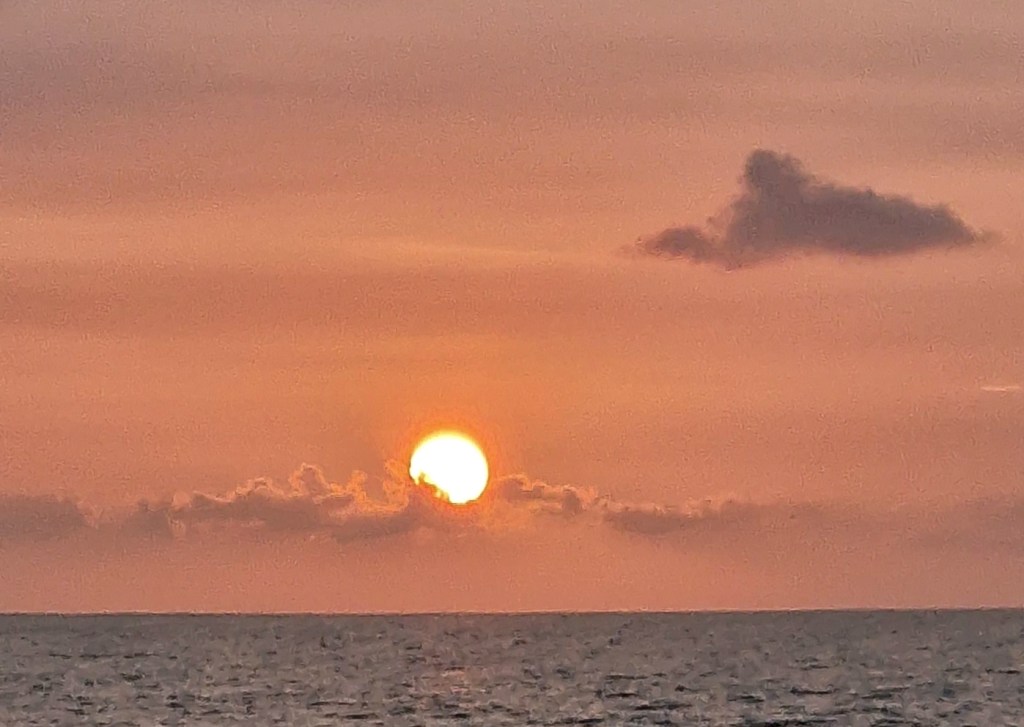
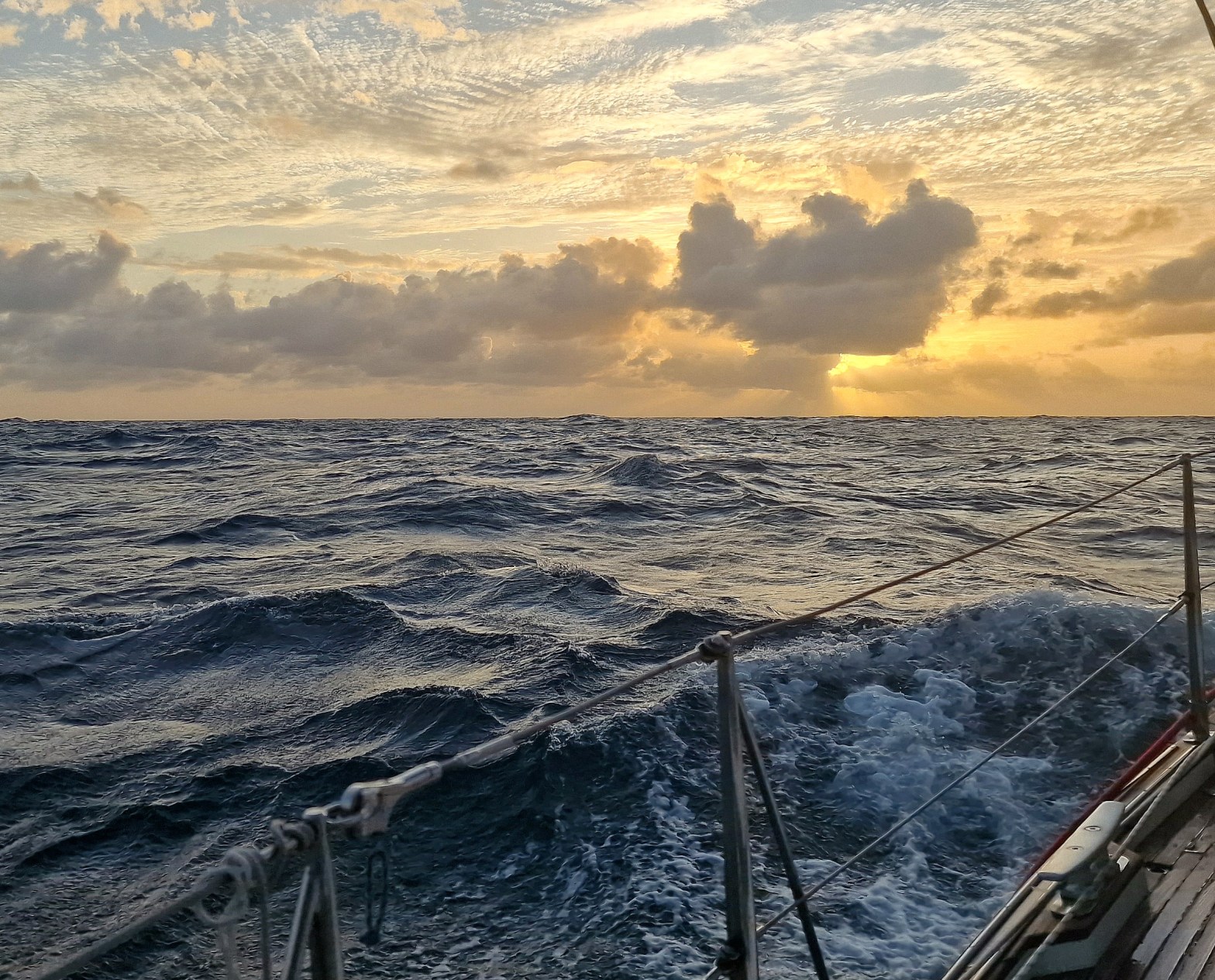
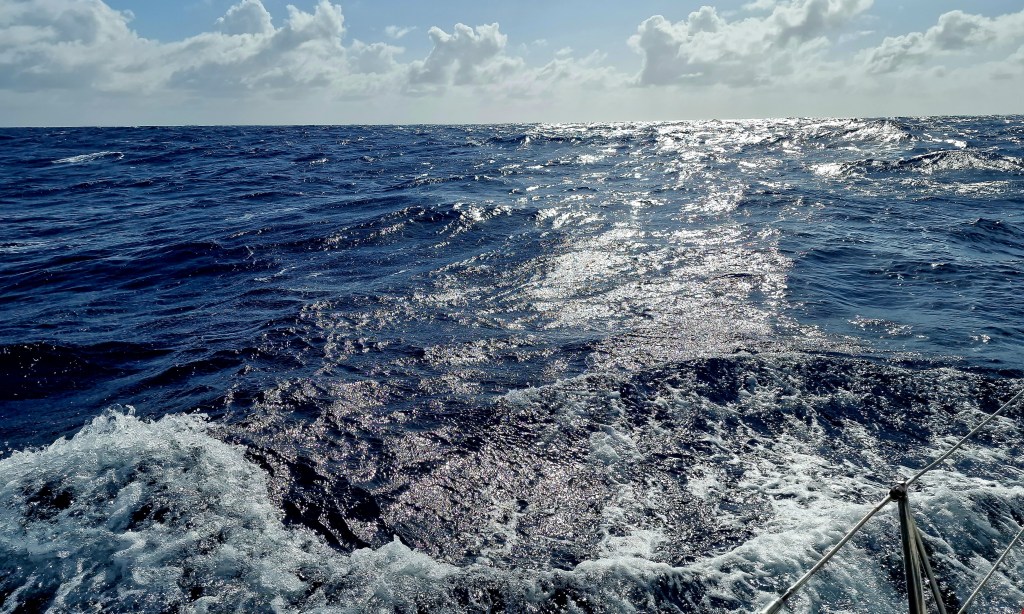
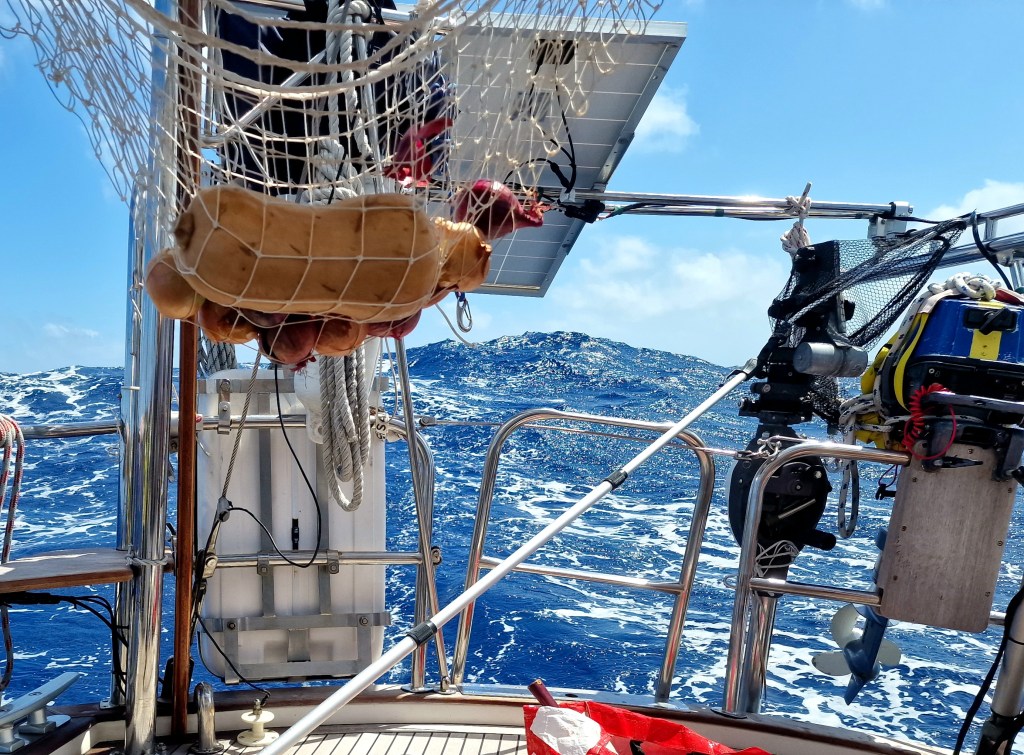
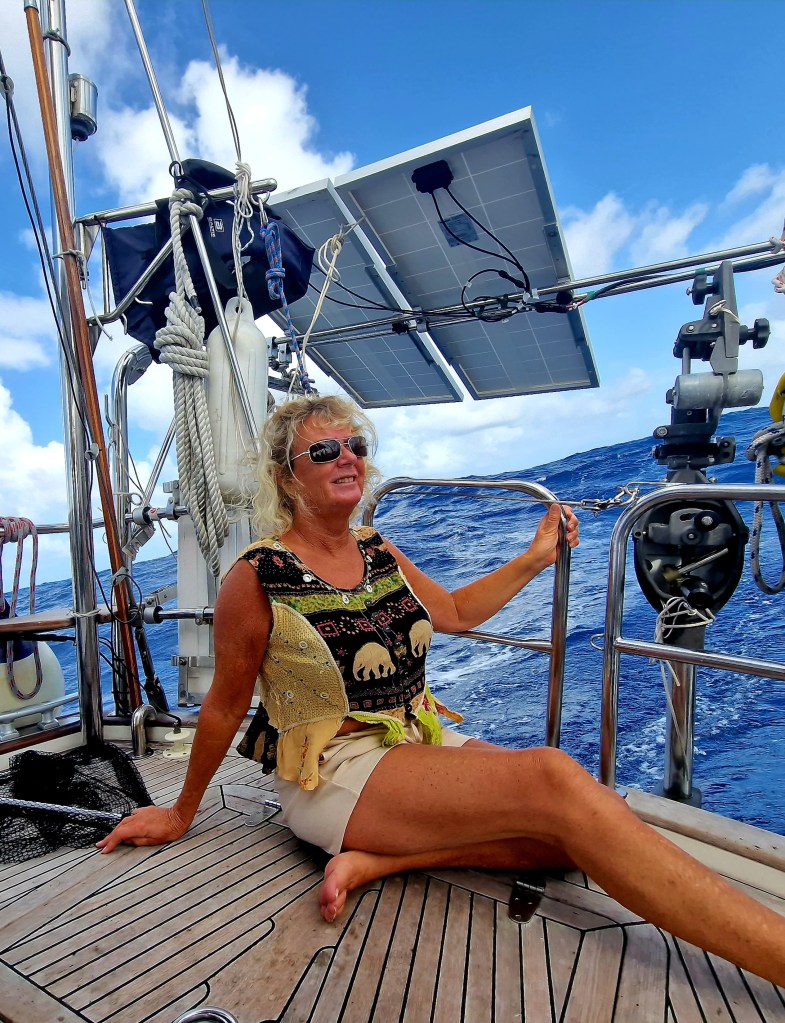
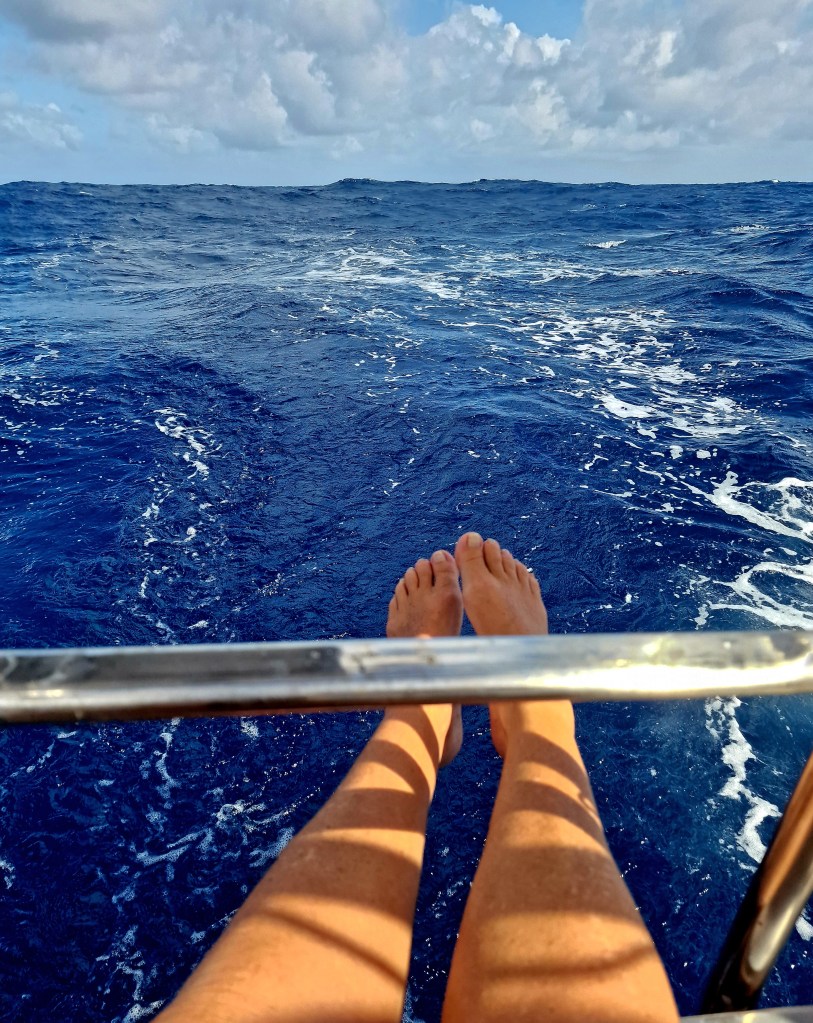
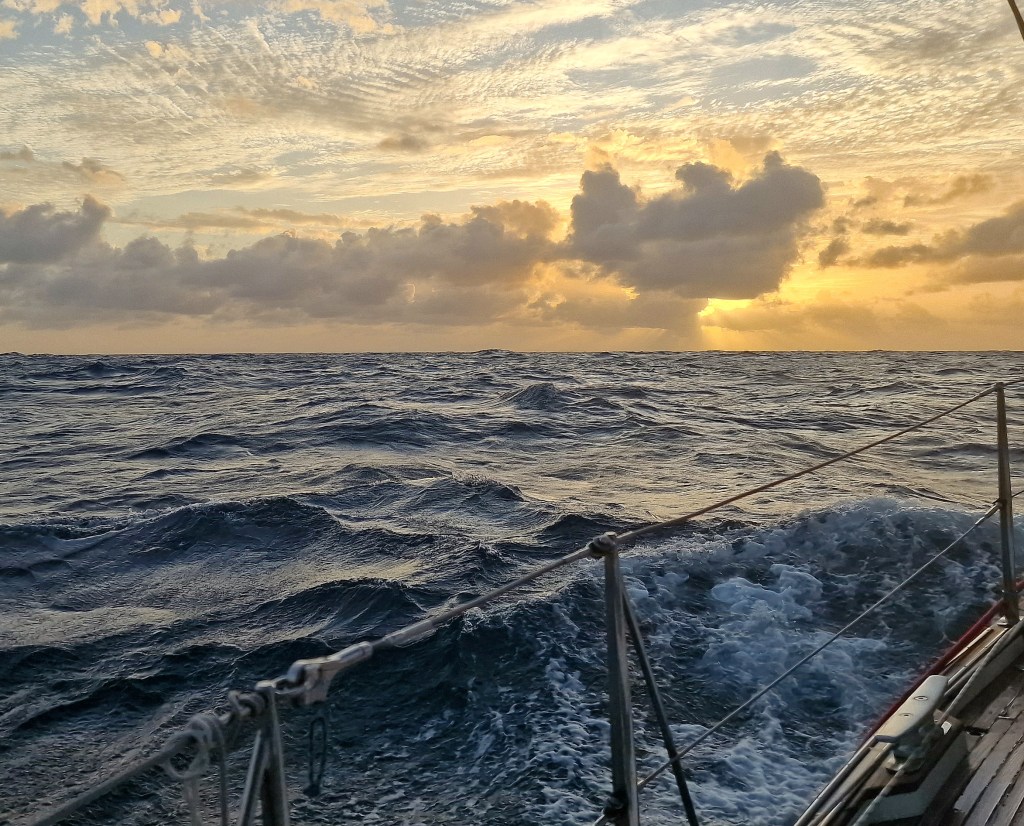
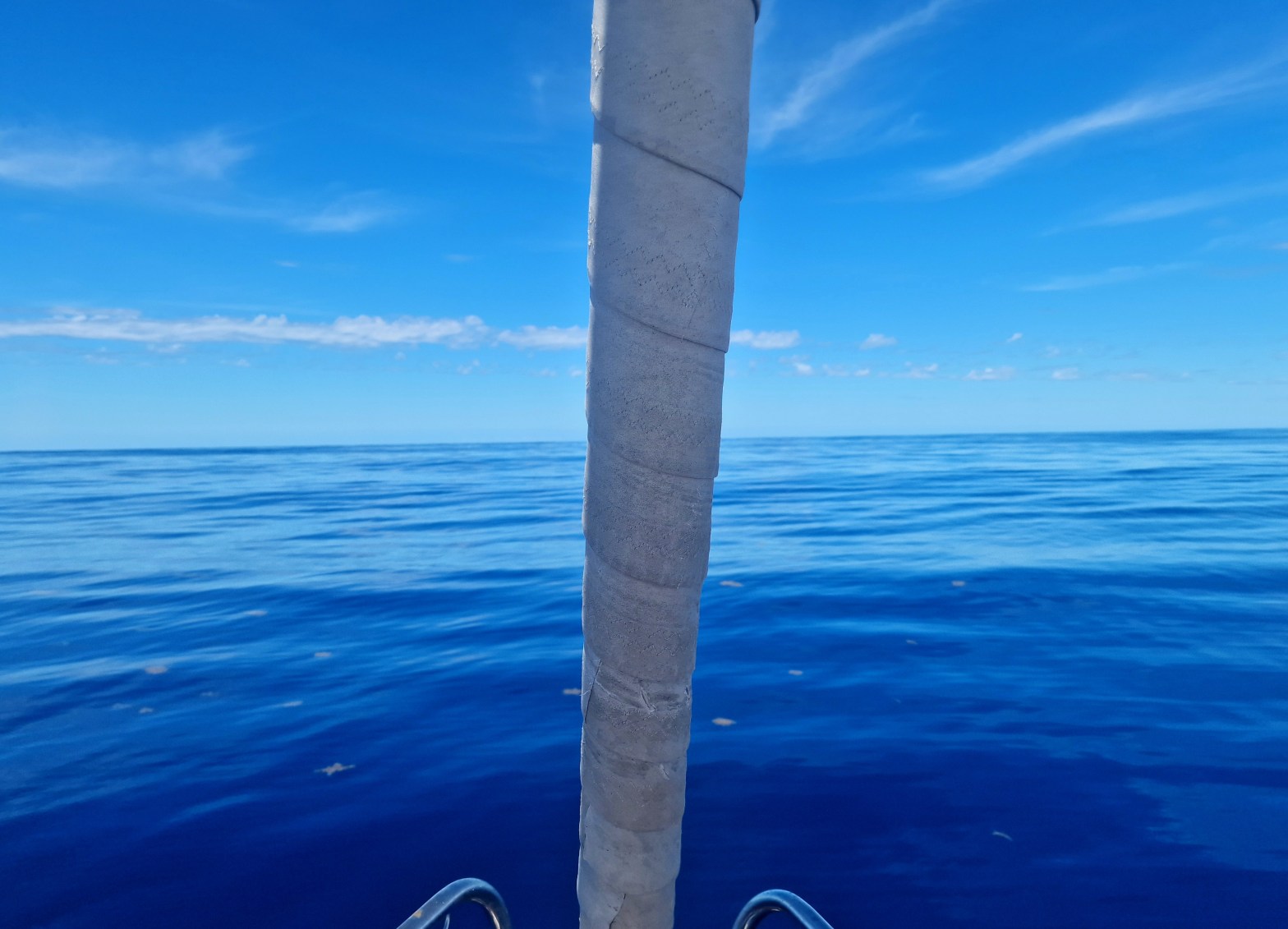
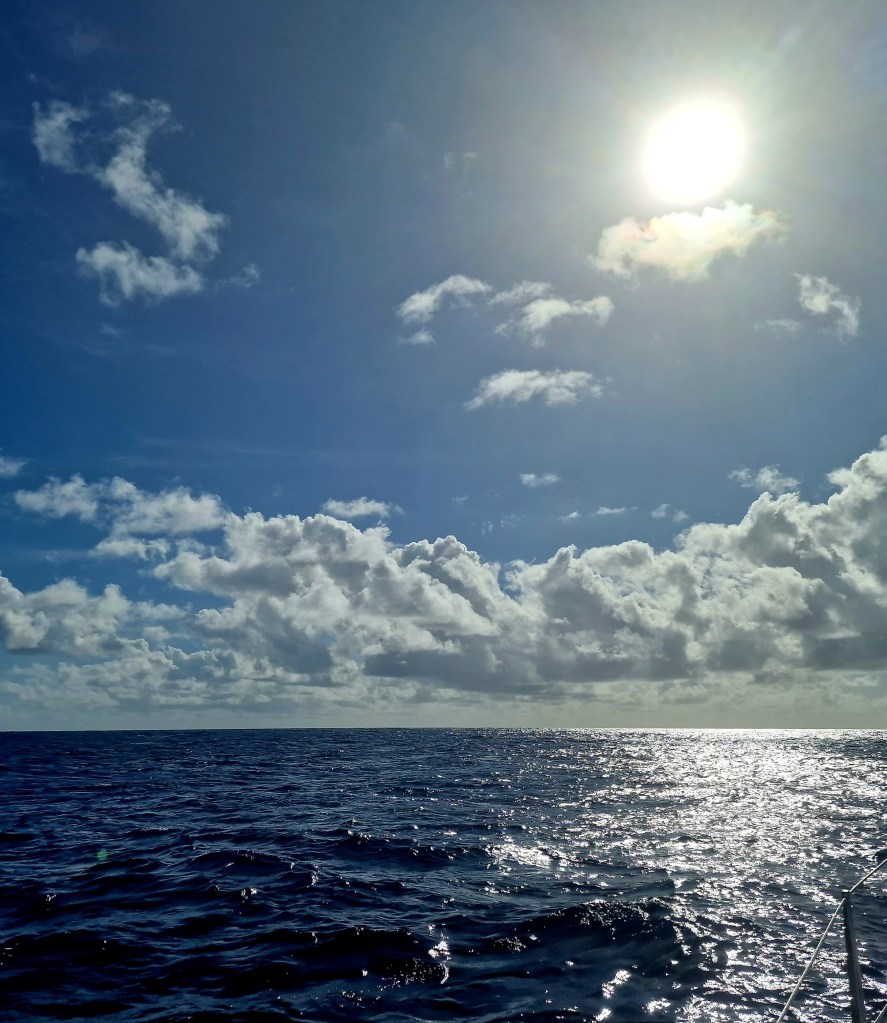
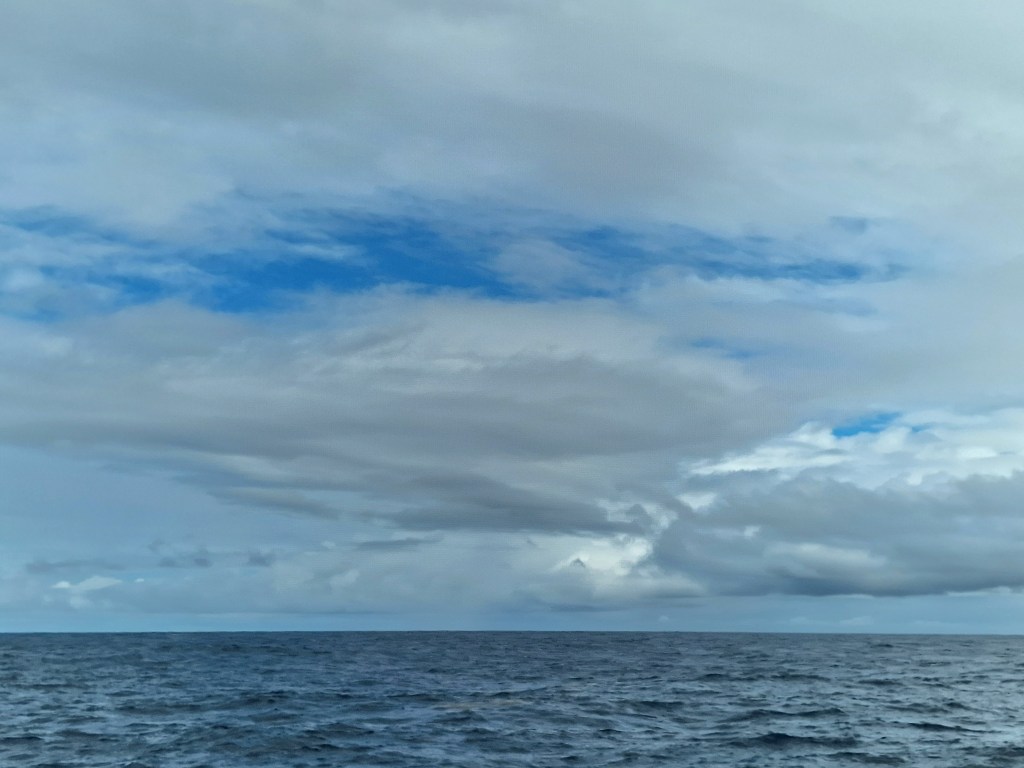
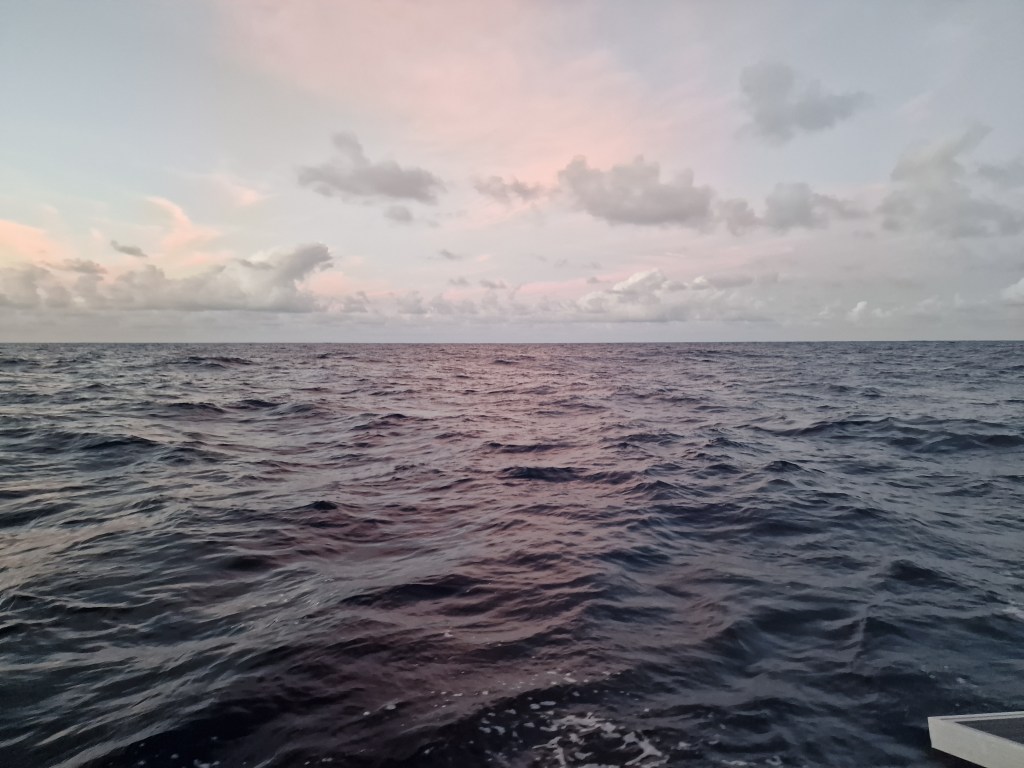
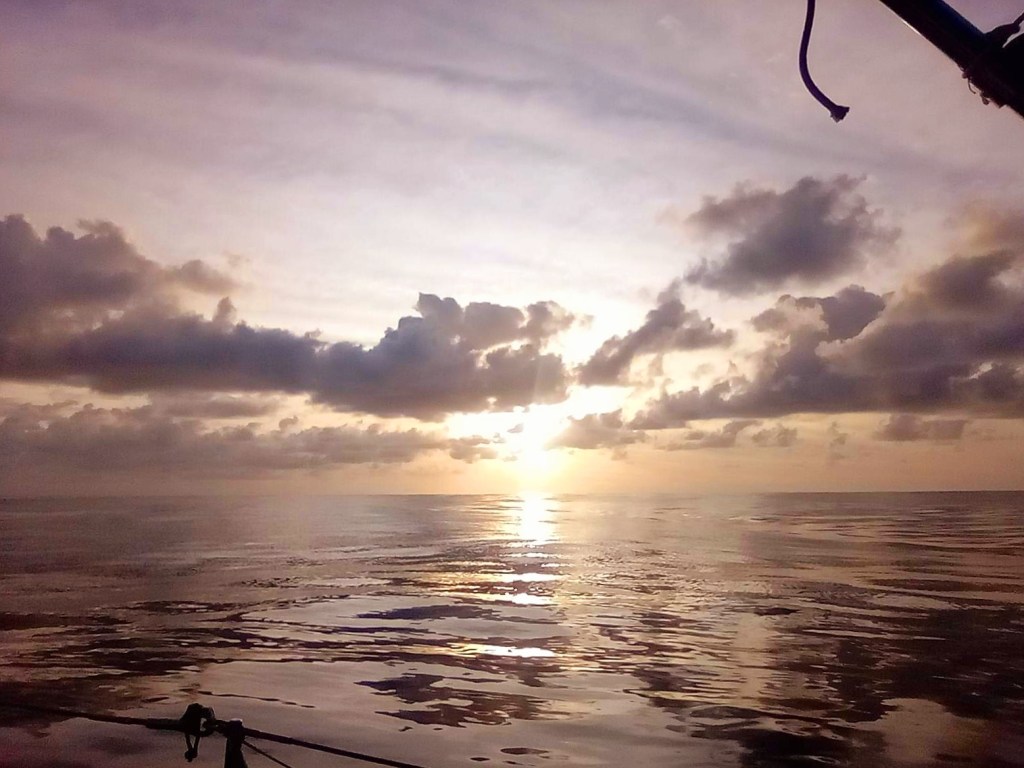
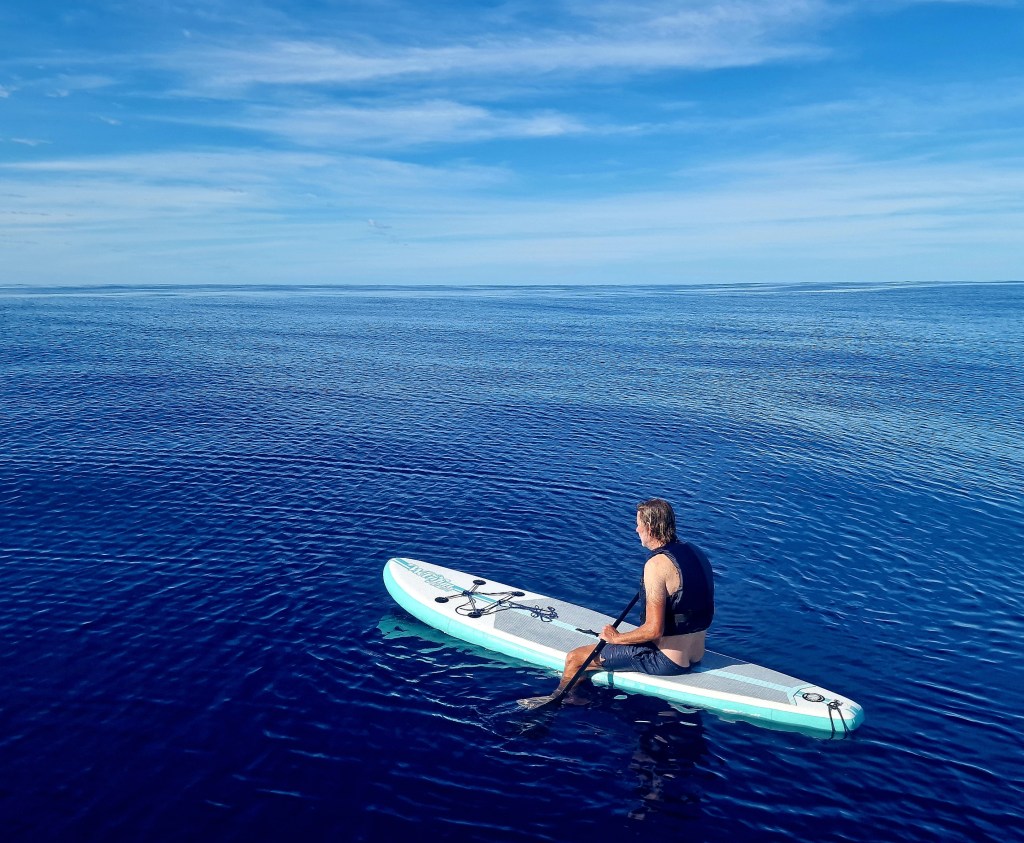
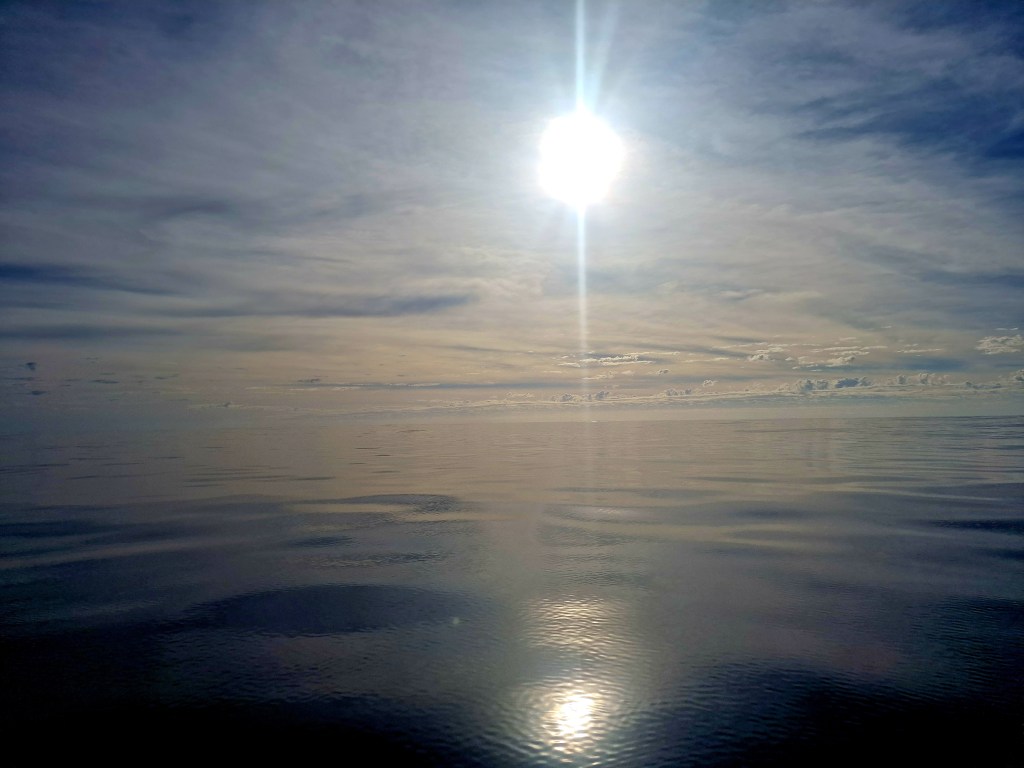
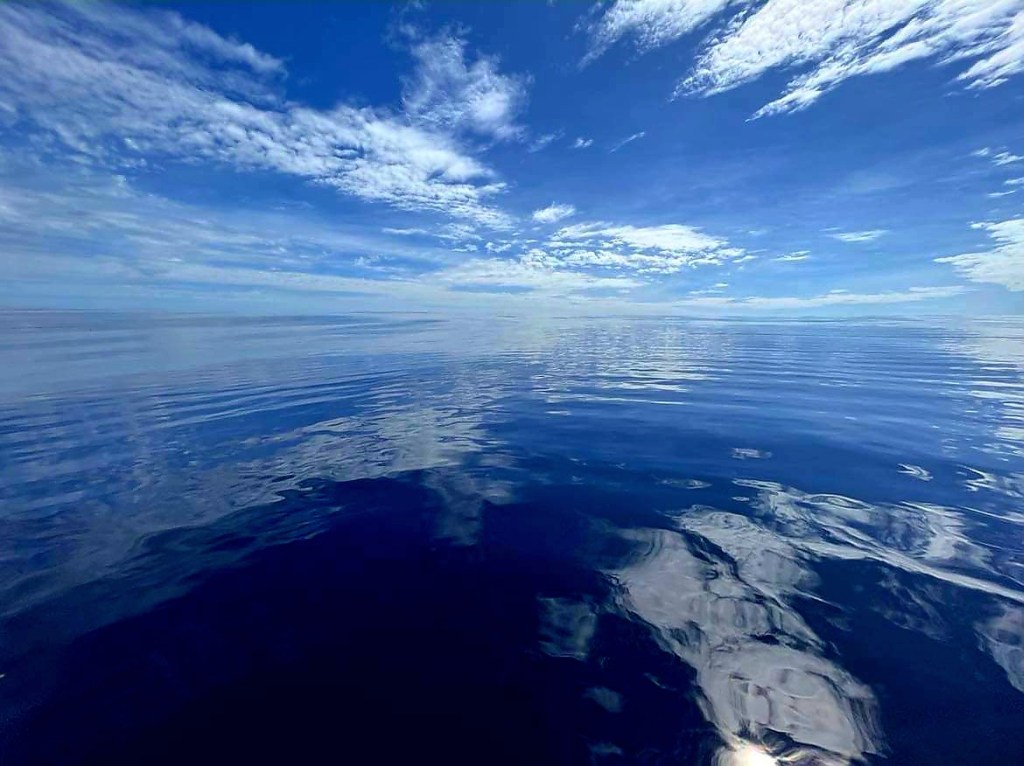
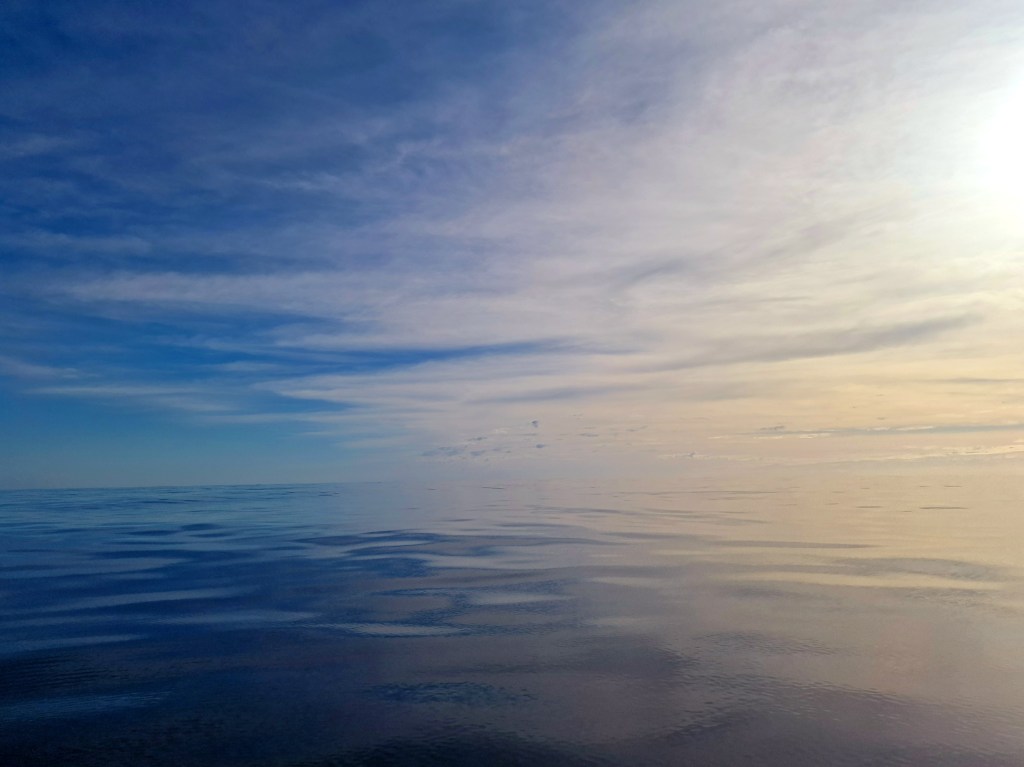
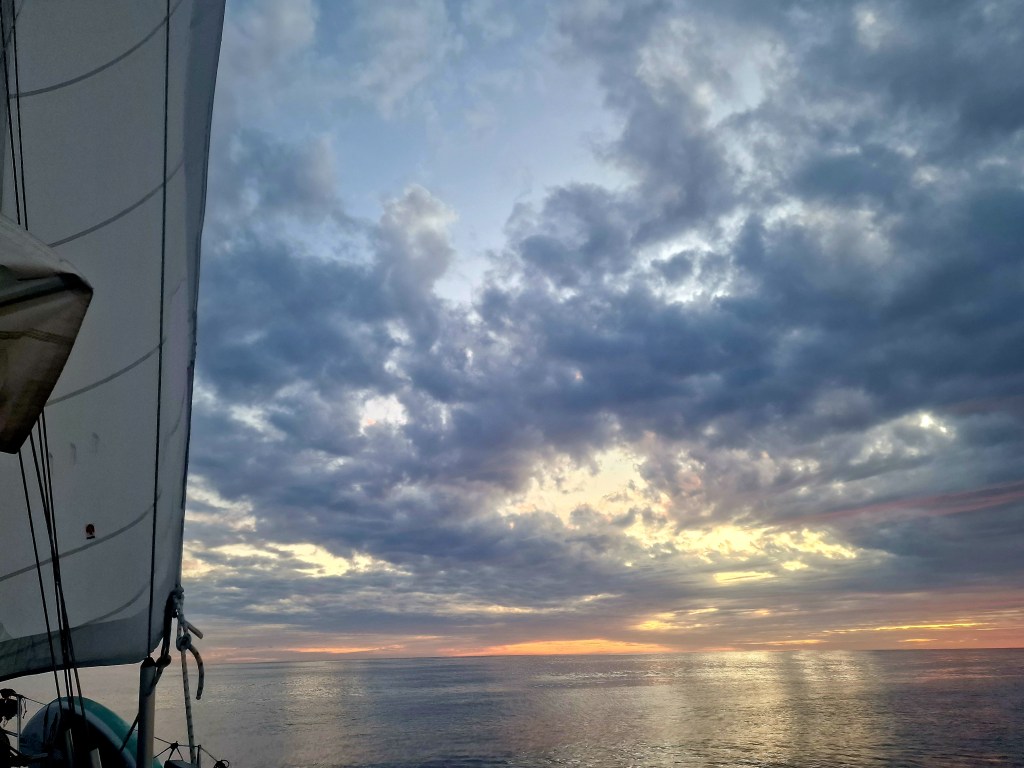
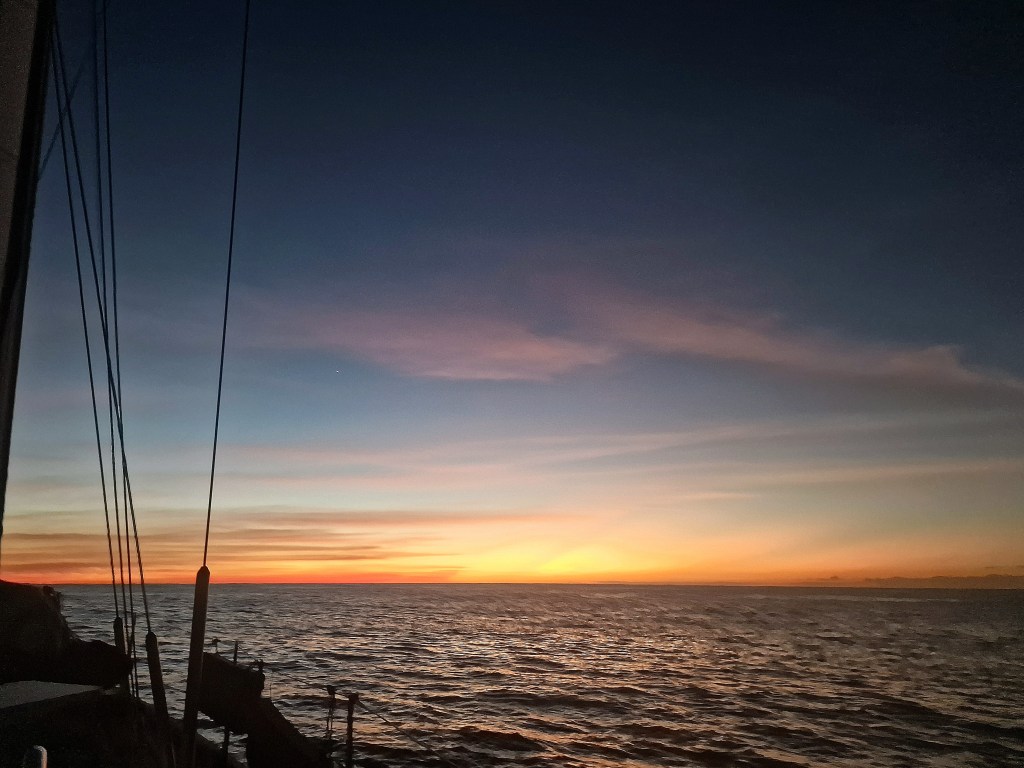
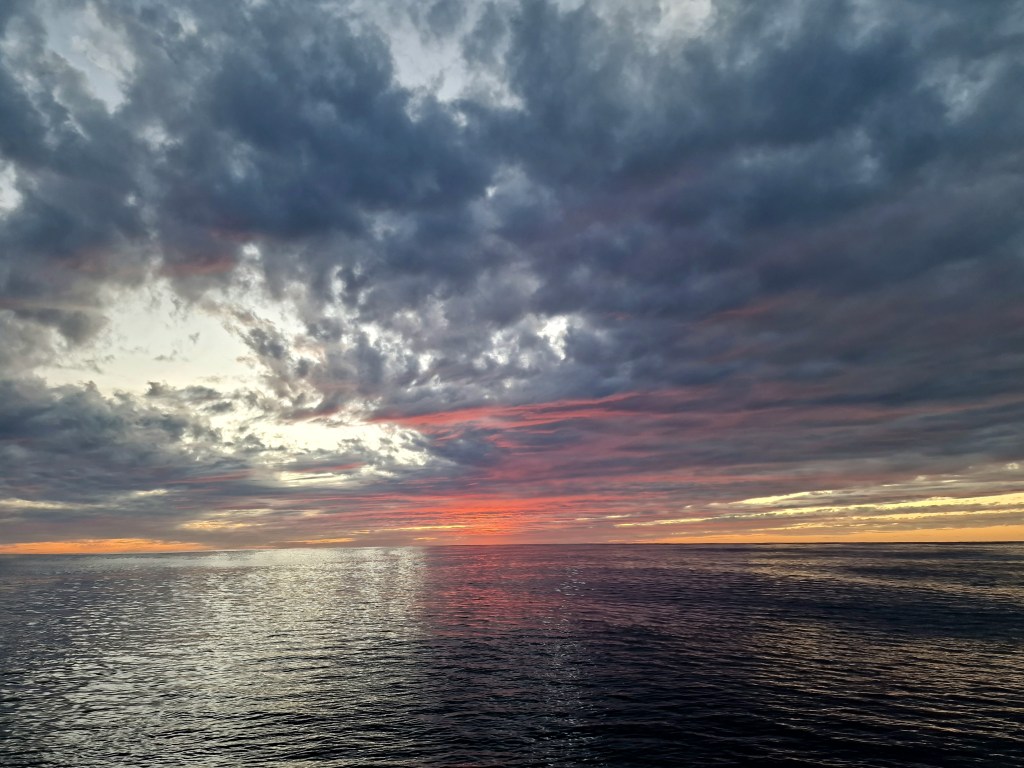
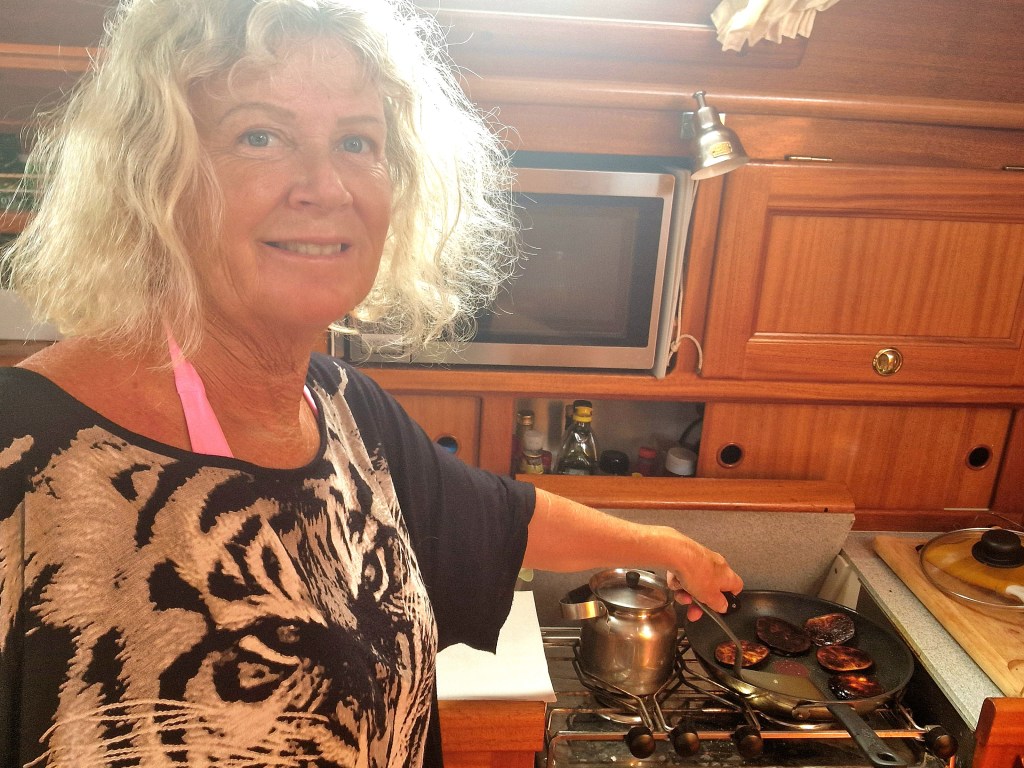
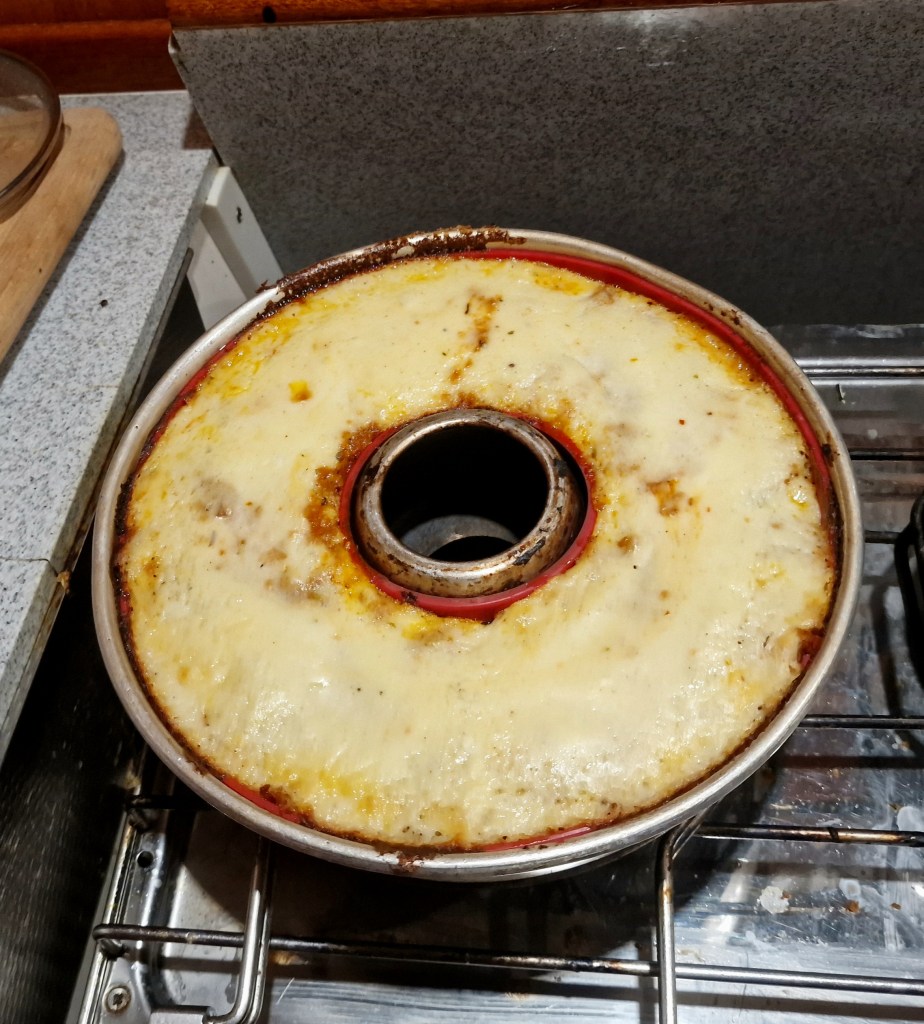
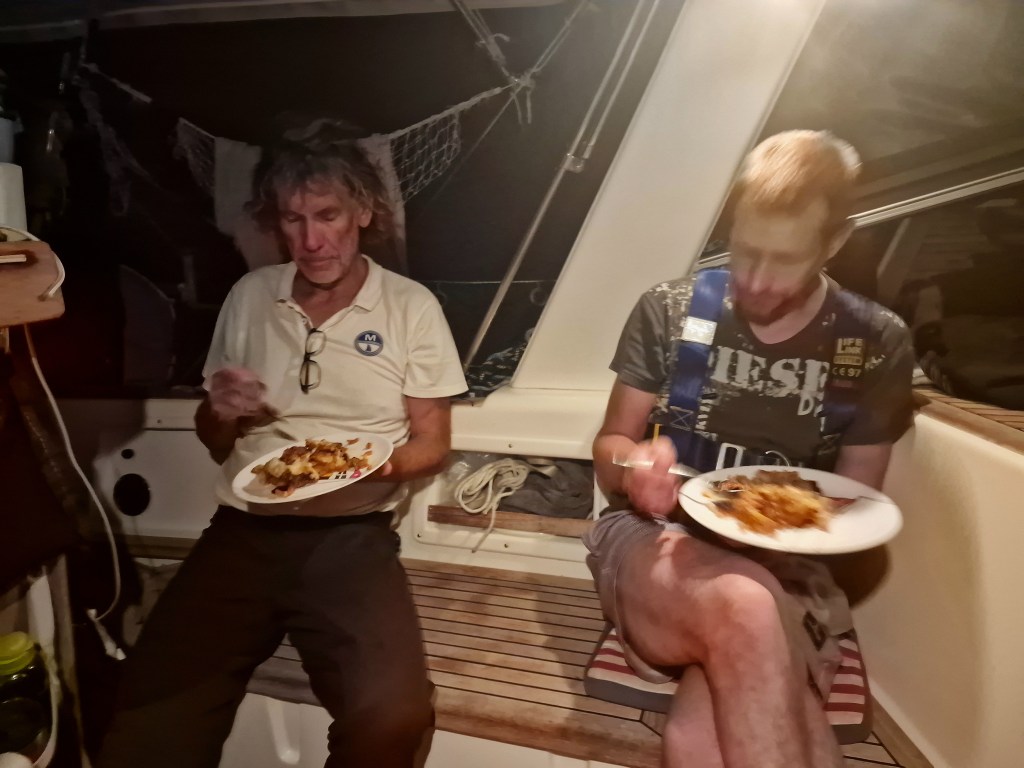
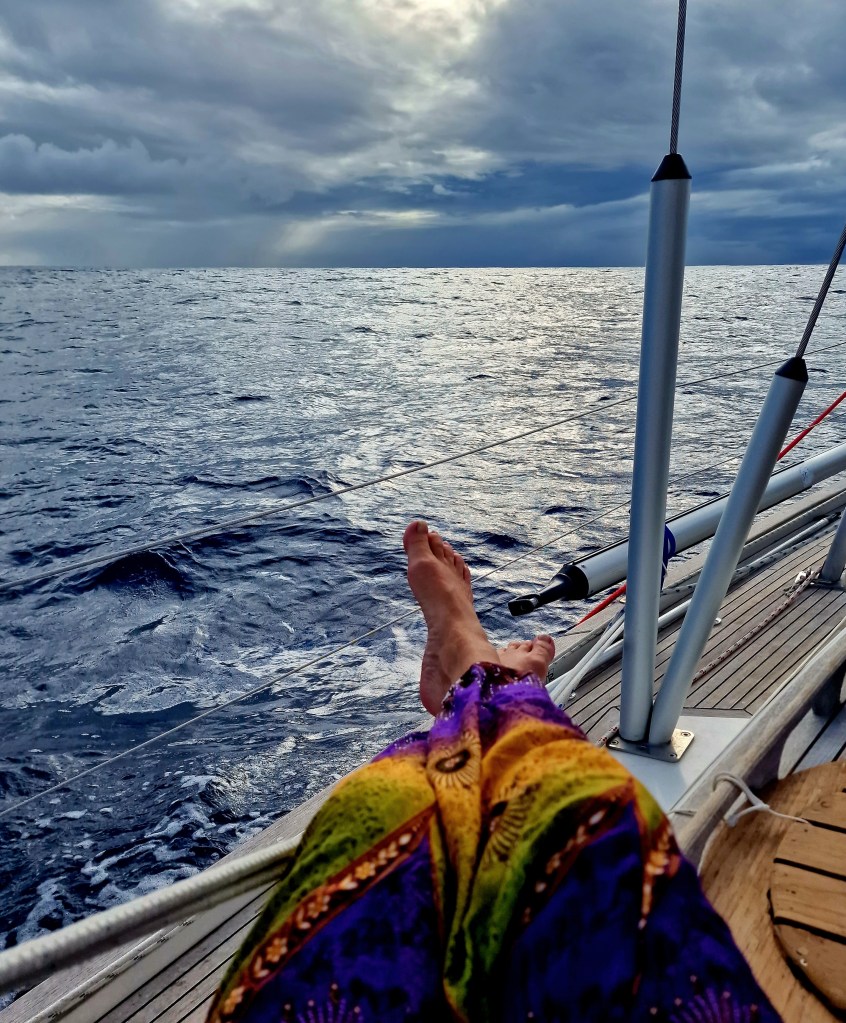
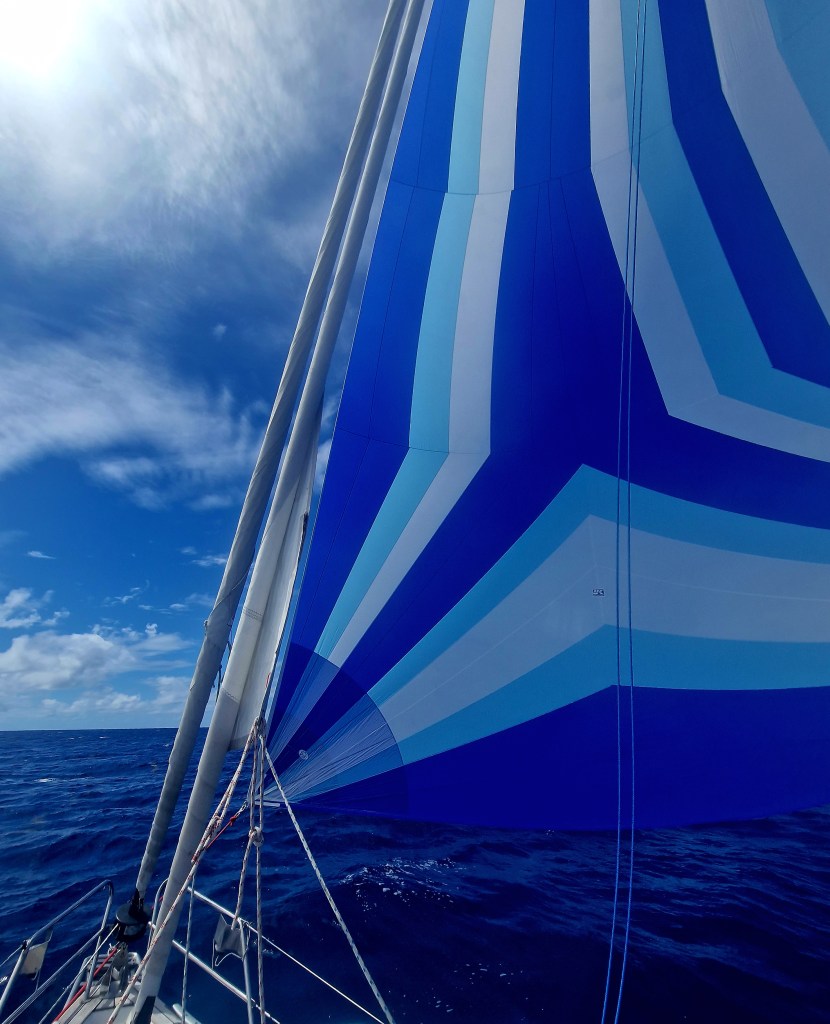
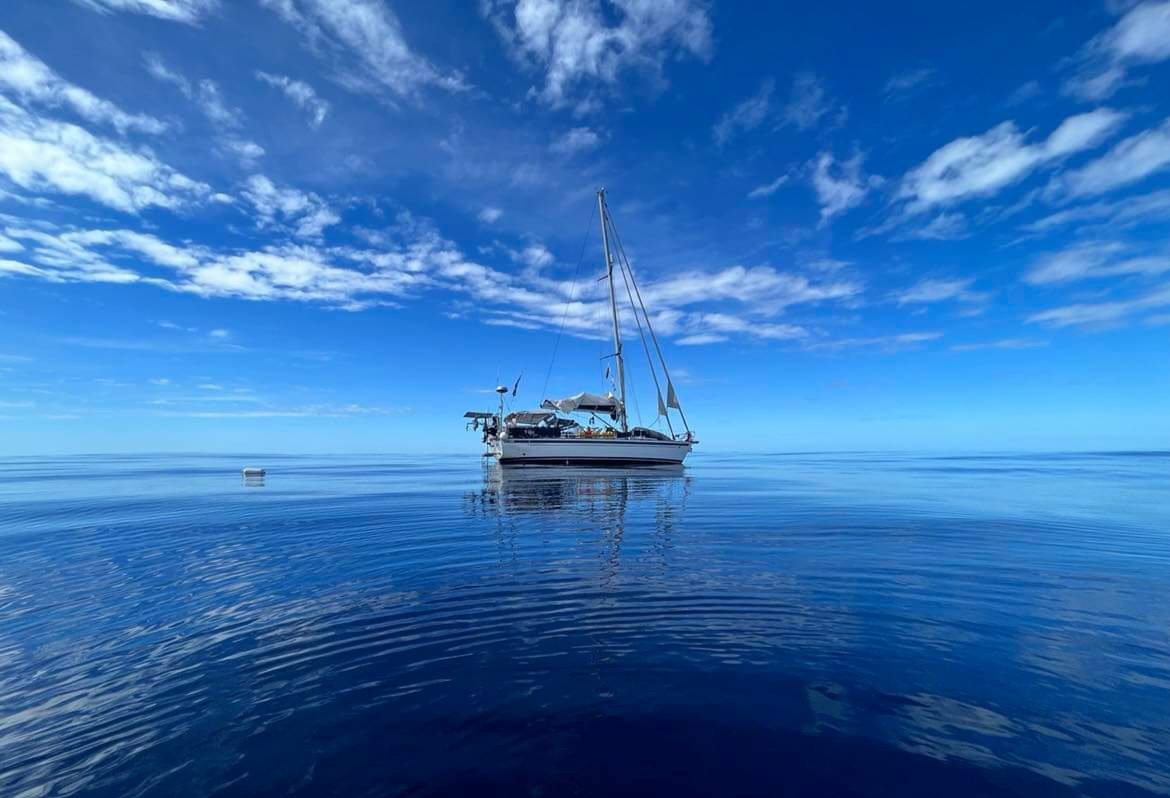
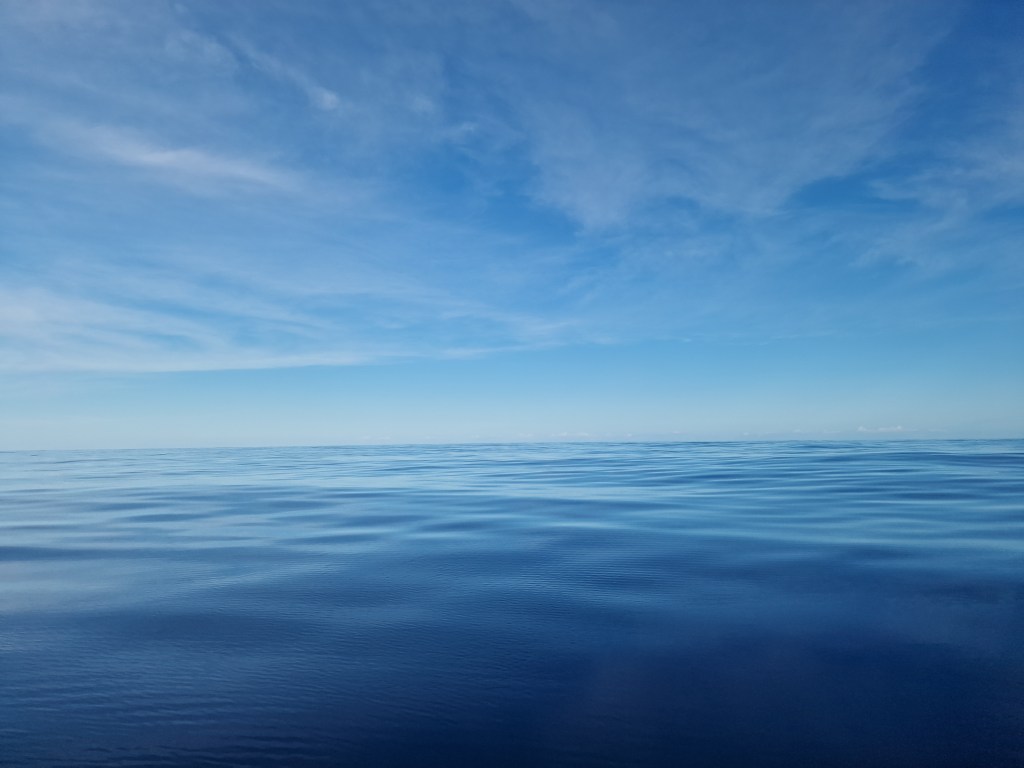
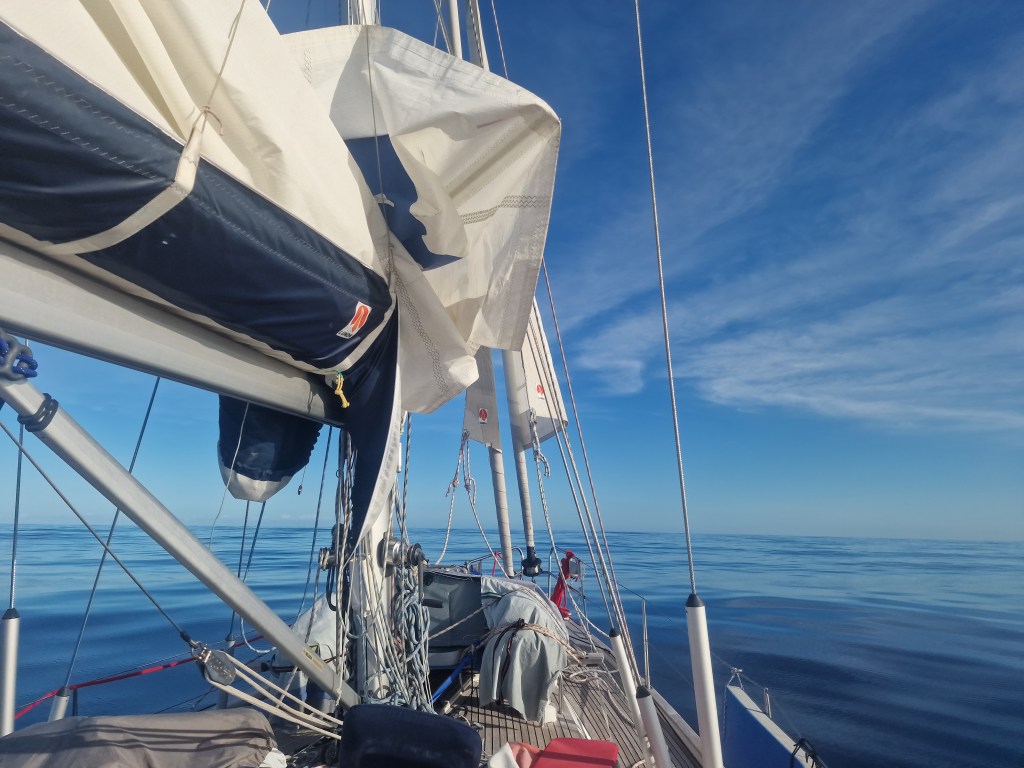
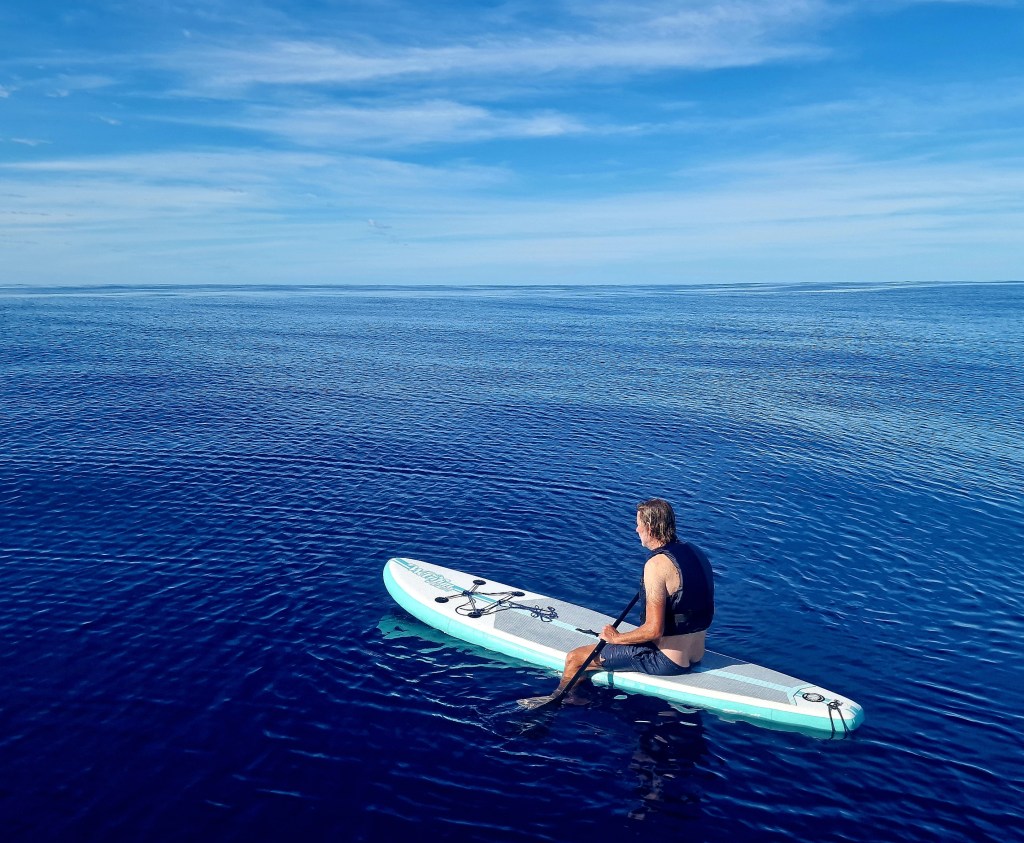
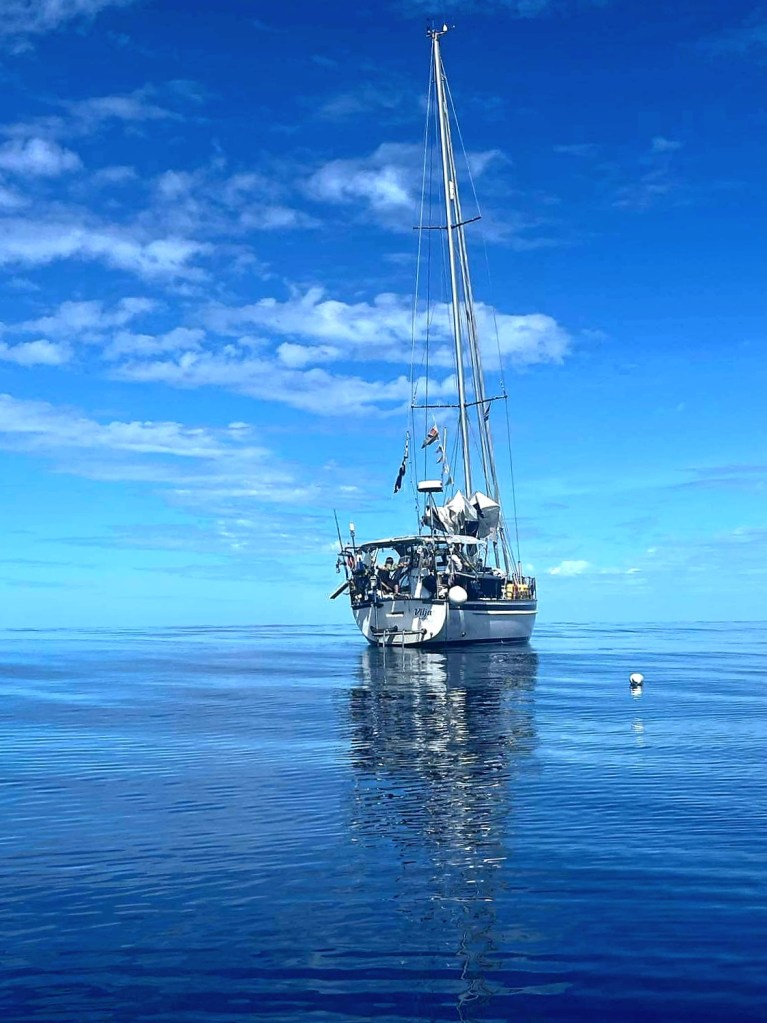
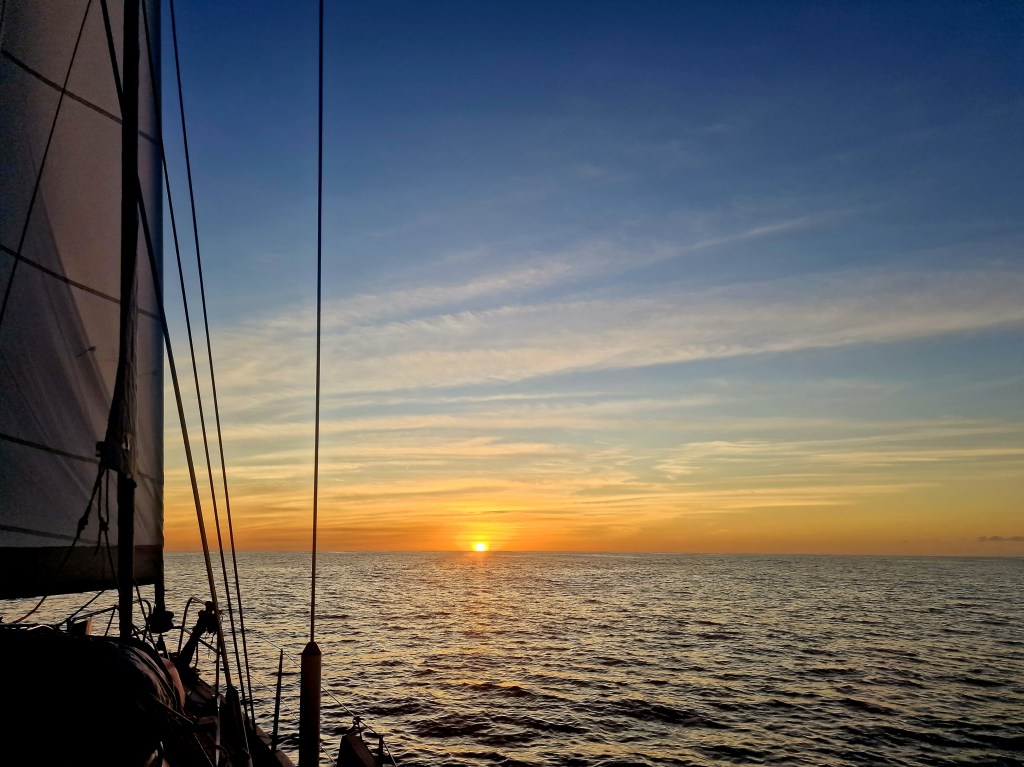
Tredje dagen ute till havs nu och vi njuter. Vinden var svag i början men nu blåser det åtta till tio sekundmeter och vi håller en bra fart. Ca sju knop i genomsnitt. Vi är ute på ett ganska oroligt och skummande hav. Vågorna går relativt höga, upp mot tre meter, och de kommer från alla håll och kanter vilket gör seglingen ganska rullig. Men Vilja är trygg och seglar på bra. Hon lutar inte nämnvärt eftersom vi har vinden in snett från aktern så livet ombord är ändå ganska bekvämt. Visst blir det lite småjobbigt att laga mat när båten rullar men det går ändå riktigt bra. Att vara ute på havet är så meditativt. Det går att sitta i timmar och bara titta ut över havet och vågorna som glittrar i solskenet på dagen och i månskenet på natten. Vi är ensamma här ute på havet där det tydligen inte ens är någon trafik för lastfartyg eller tankfartyg. Under ett dygns tjogofyra timmar ser vi högst ett fartyg på AIS:en. Och de båtar vi ser där är så långt ifrån oss så vi inte kan se dem med blotta ögat. Det enda vi ser är hav, himmel, moln och en och annan fågel. Vi väntar fortfarande spänt på att få se valar komma upp mot båten. Vi har fortfarande inte sett valar tydligt sedan vi lämnade Sverige för snart ett och ett halvt år sedan. Delfiner har vi sett många, speciellt i Europa men sedan vi lämnade Curaçau har inga delfiner sökt upp oss och lekt runt båten.
Third day out at sea now and we’re enjoying it. The wind was weak at the beginning, but now it blows eight to ten meters per second and we keep a good speed. About seven knots on average. We are out on a rather choppy and foamy sea. The waves are relatively high, up to three meters, and they come from all directions and edges, which makes sailing quite rough. But Vilja is confident and sailing well. She doesn’t lean significantly because we have the wind slanting in from the stern, so life on board is still quite comfortable. Of course, it becomes a bit of a chore to cook when the boat is rolling, but it still goes really well. Being out at sea is so meditative. You can sit for hours just looking out over the sea and the waves glistening in the sunshine by day and the moonlight by night. We are alone out here at sea where apparently there is not even any traffic for cargo ships or tankers. During the twenty-four hours of a day, we see a maximum of one vessel on the AIS. And the boats we see there are so far from us that we cannot see them with the naked eye. The only thing we see is sea, sky, clouds and the occasional bird. We are still anxiously waiting to see whales coming up to the boat. We still haven’t seen whales clearly since we left Sweden almost a year and a half ago. We have seen many dolphins, especially in Europe, but since we left Curaçau no dolphins have sought us out and played around the boat.
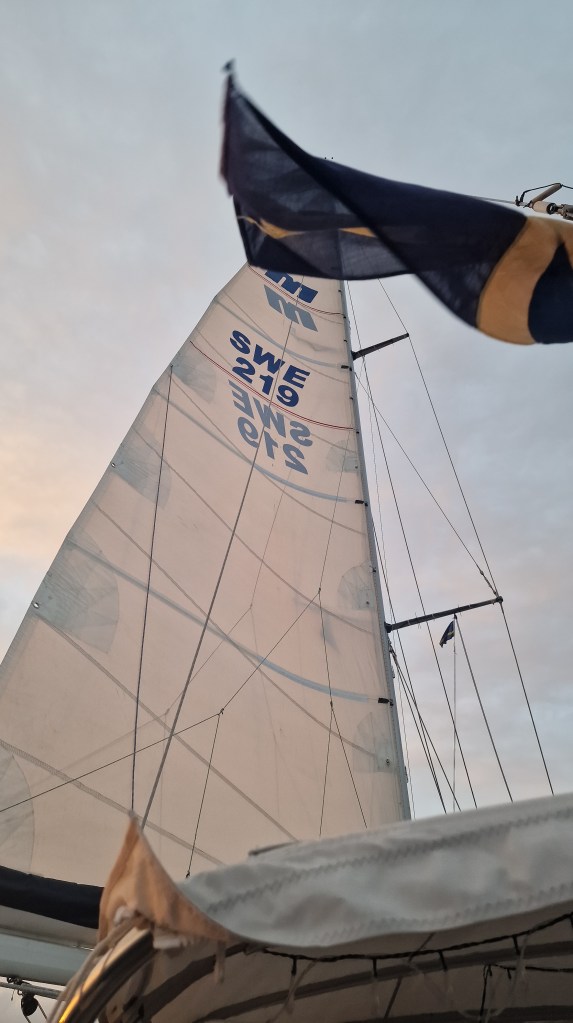

Vad gör man då alla dessa timmar? Först hela dagarna o sedan sju timmar ensam på vakt på natten
So what do you do all these hours? First all day and then seven hours alone on duty at night
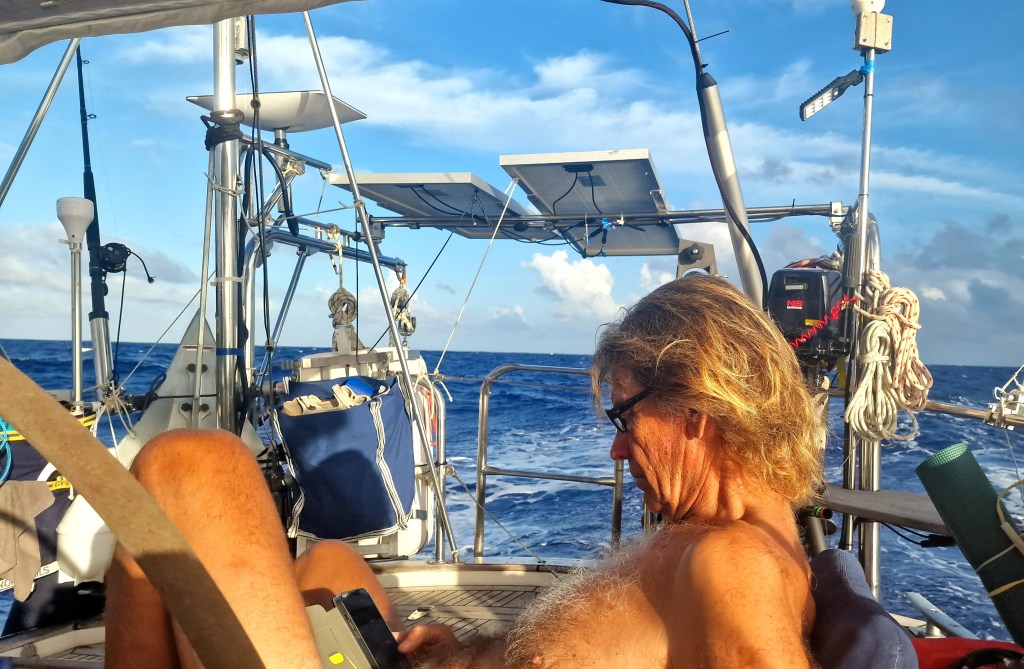
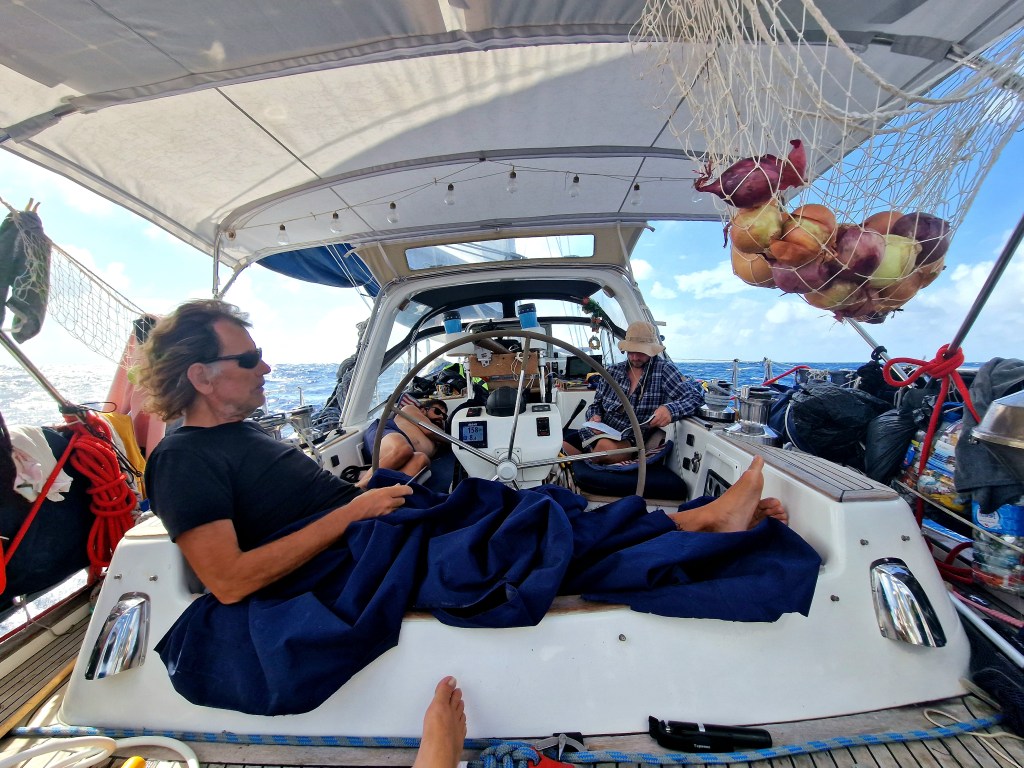
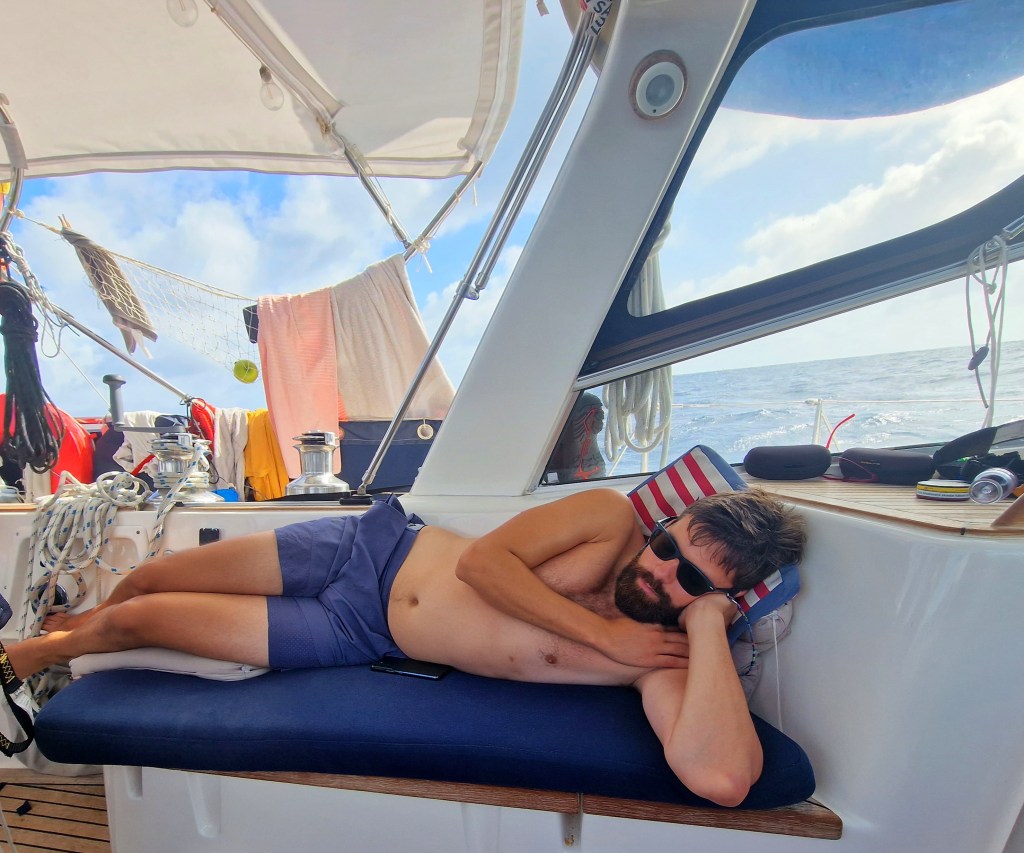
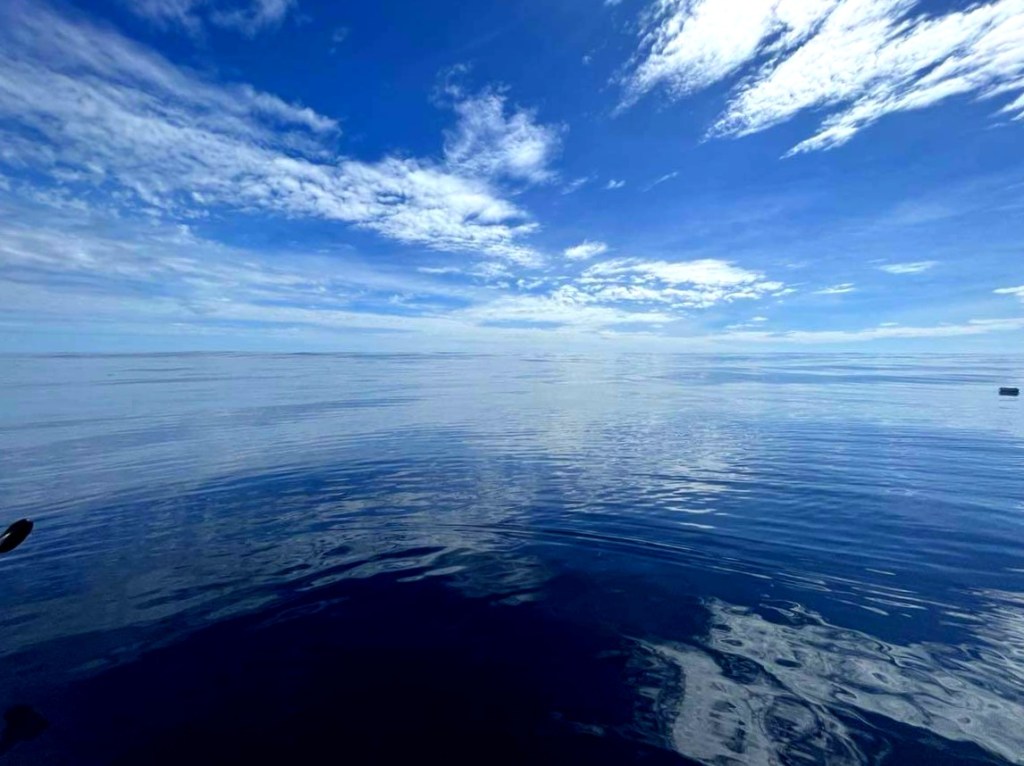
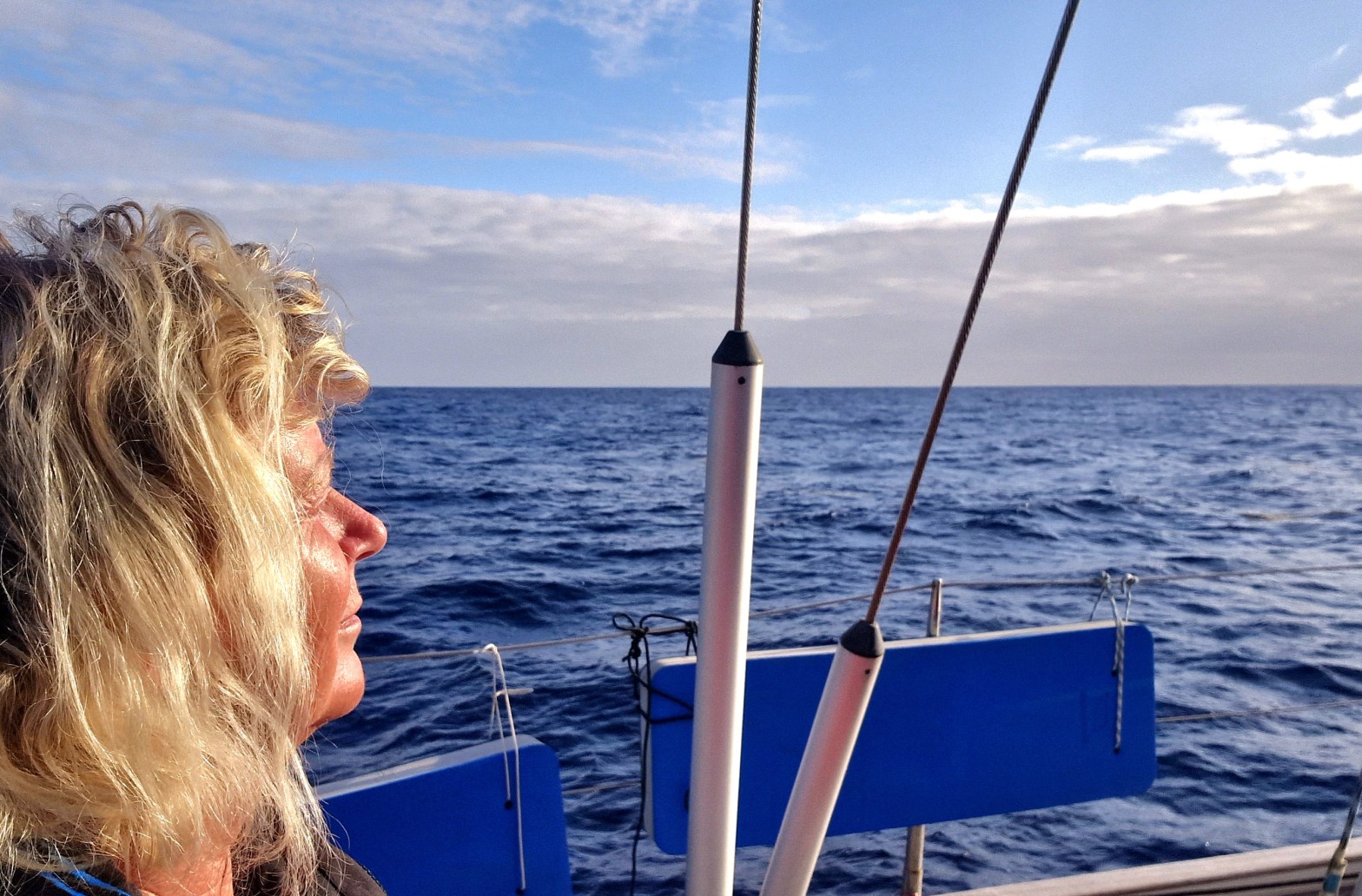
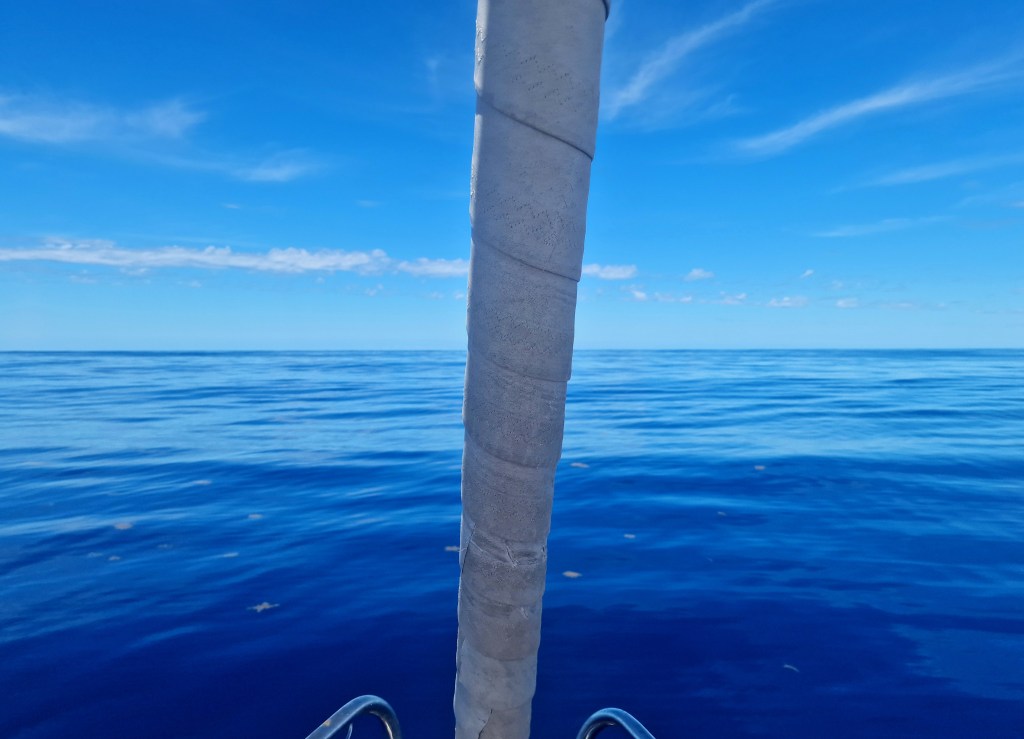
Konstigt nog går tiden fort och det är väldigt fridfullt och meditativt. Ljudet av havets brus och vågornas kluckande mot båten samt seglens fladdrande är en skön bakgrundsmusik. Det är en fantastisk möjlighet att bara vara och begrunda livet. Man får mycket tid med sig själv, vilket kan tyckas jobbigt för många. Men det är en nyttig lärdom att våga möta sig själv och sina tankar.
Strangely, time passes quickly and it is very peaceful and meditative. The sound of the roar of the sea and the lapping of the waves against the boat and the flapping of the sails is a nice background music. It’s a great opportunity to just be and contemplate life. You get a lot of time with yourself, which can seem difficult for many. But it is a useful lesson to dare to face yourself and your thoughts.
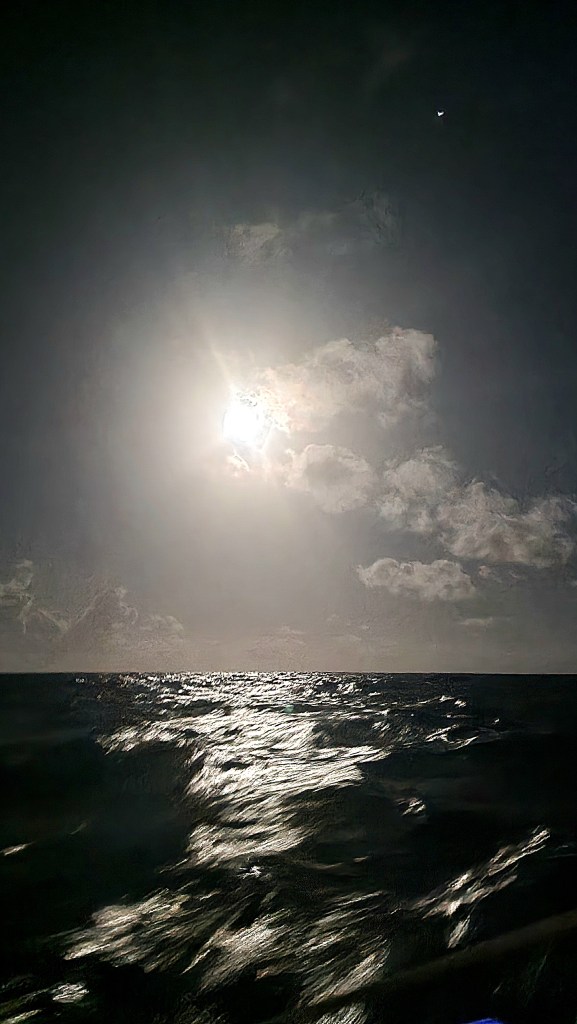
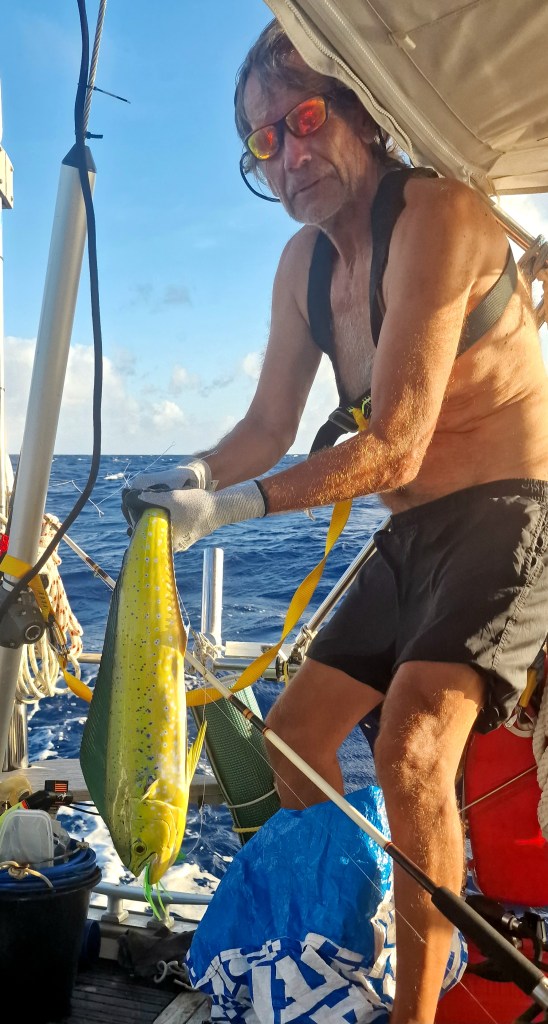
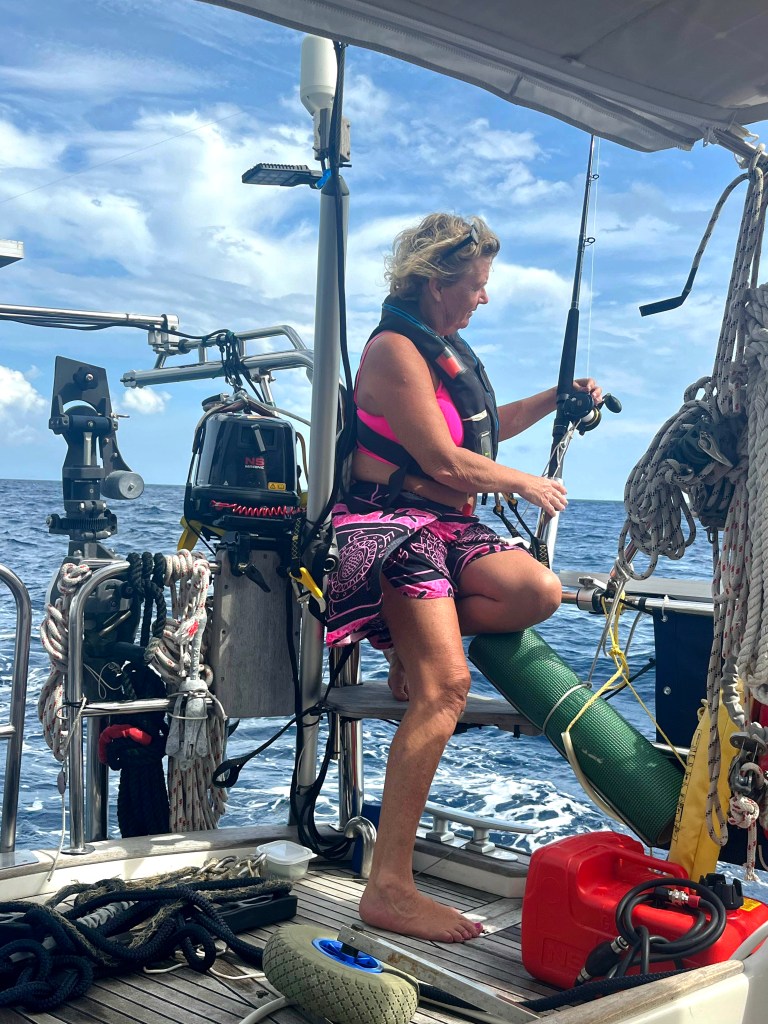
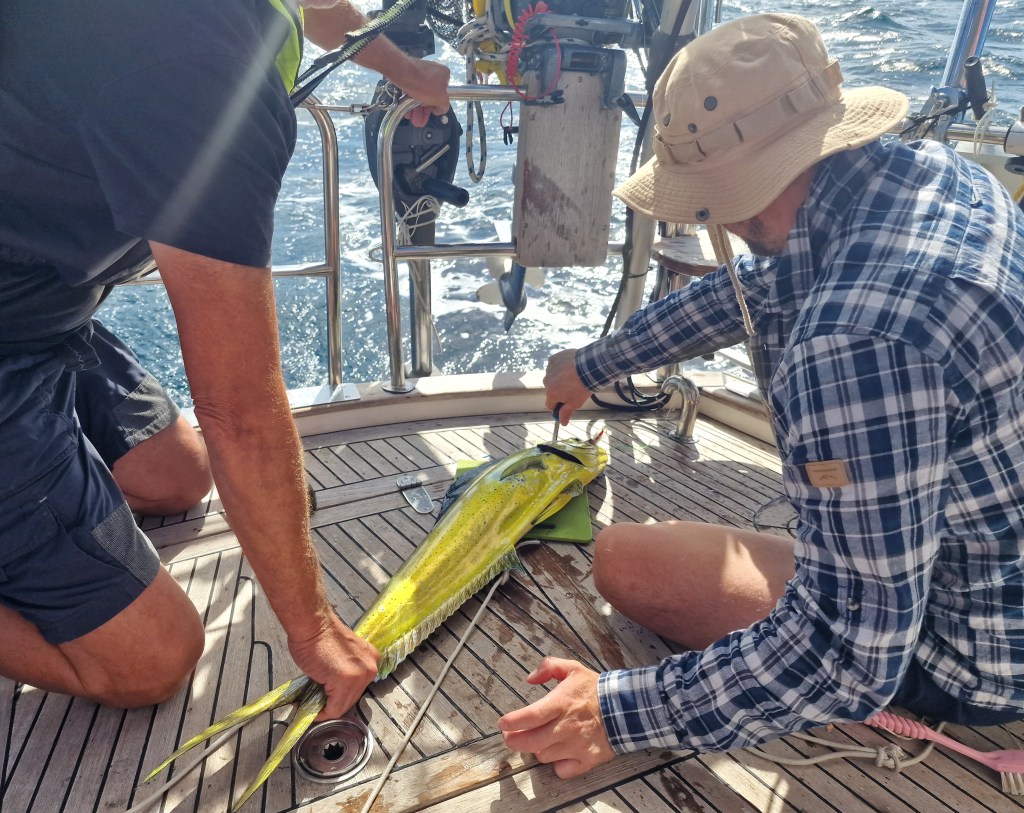
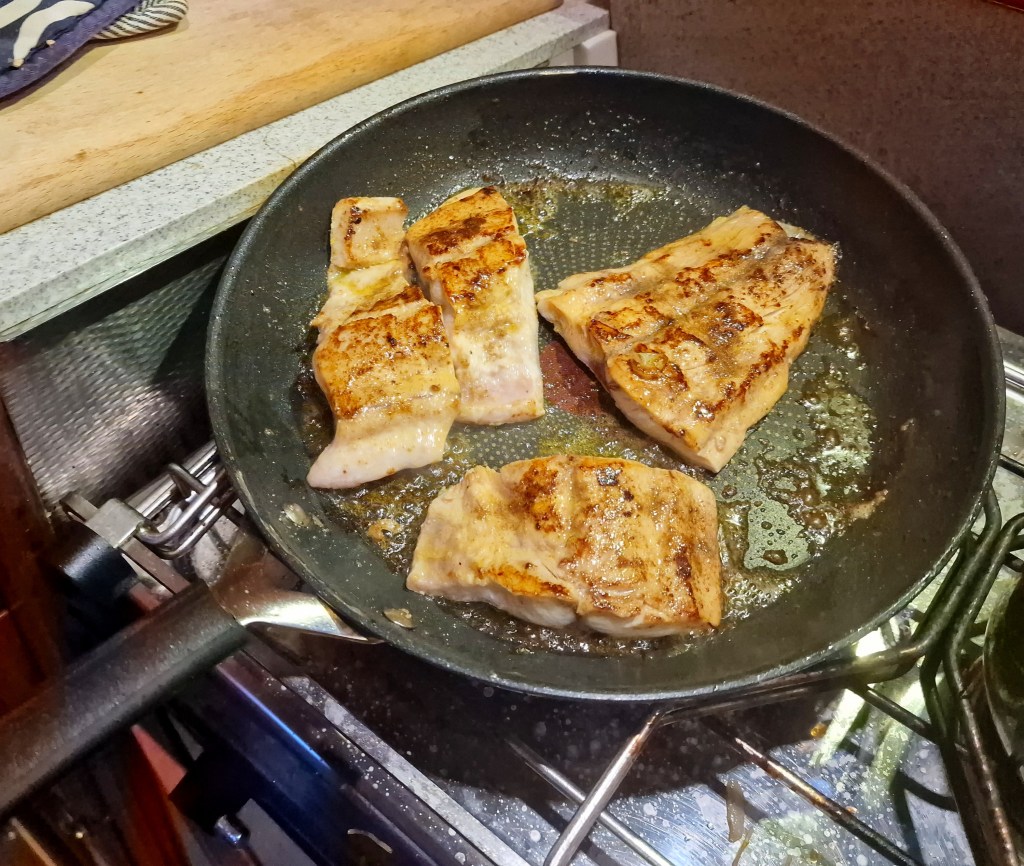
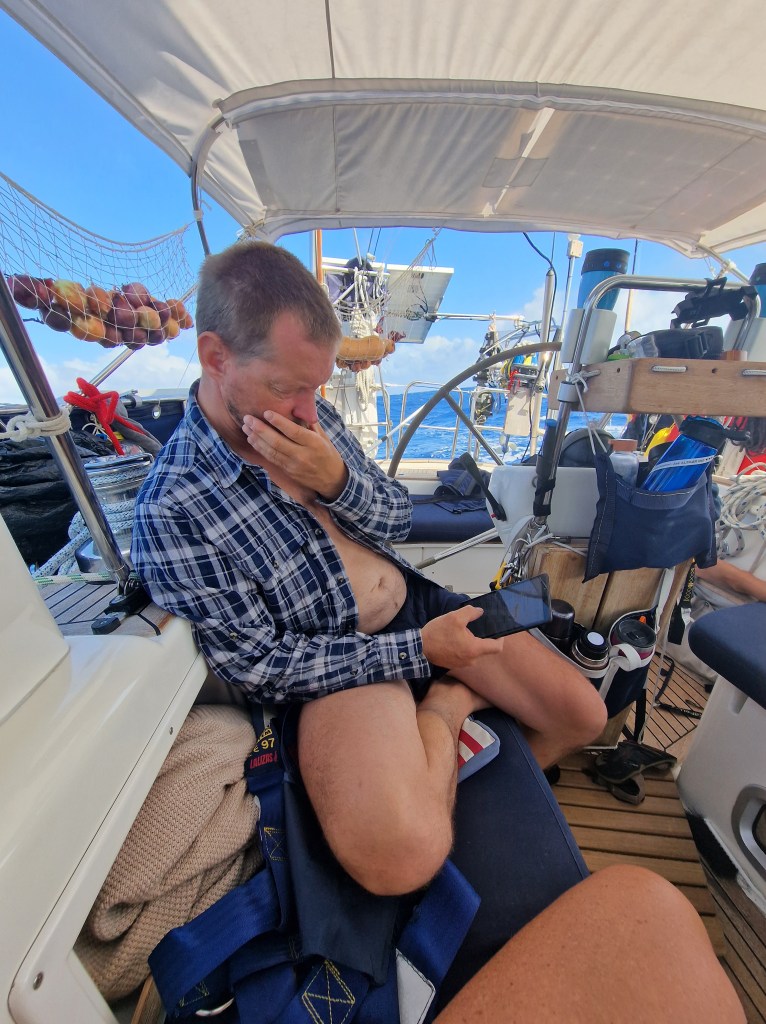
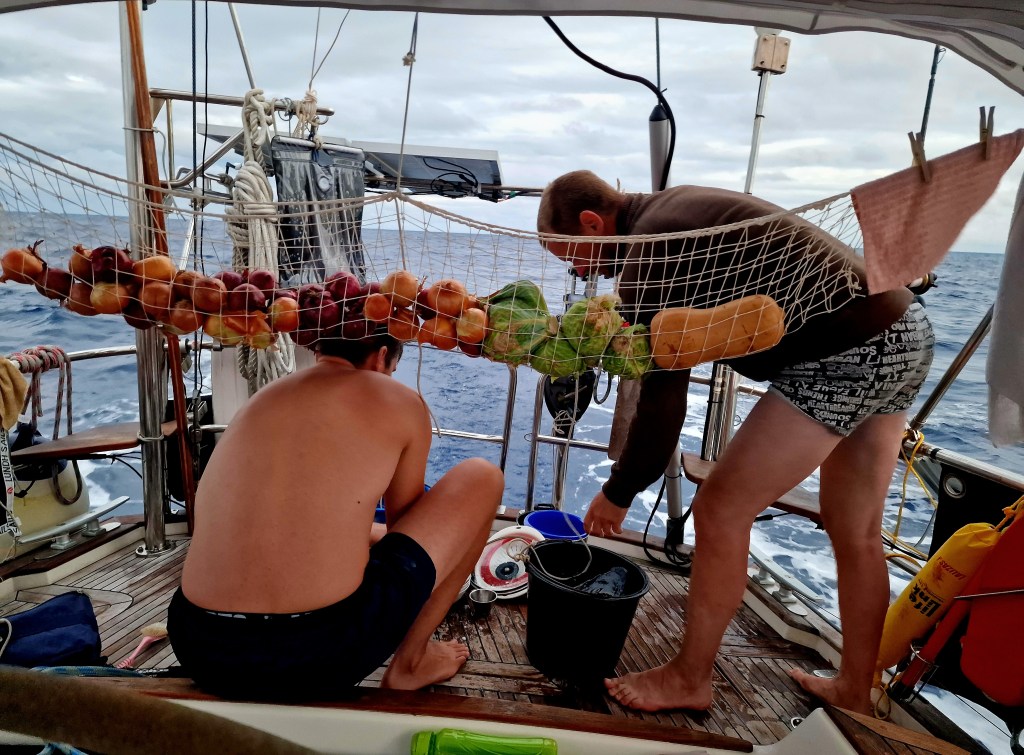
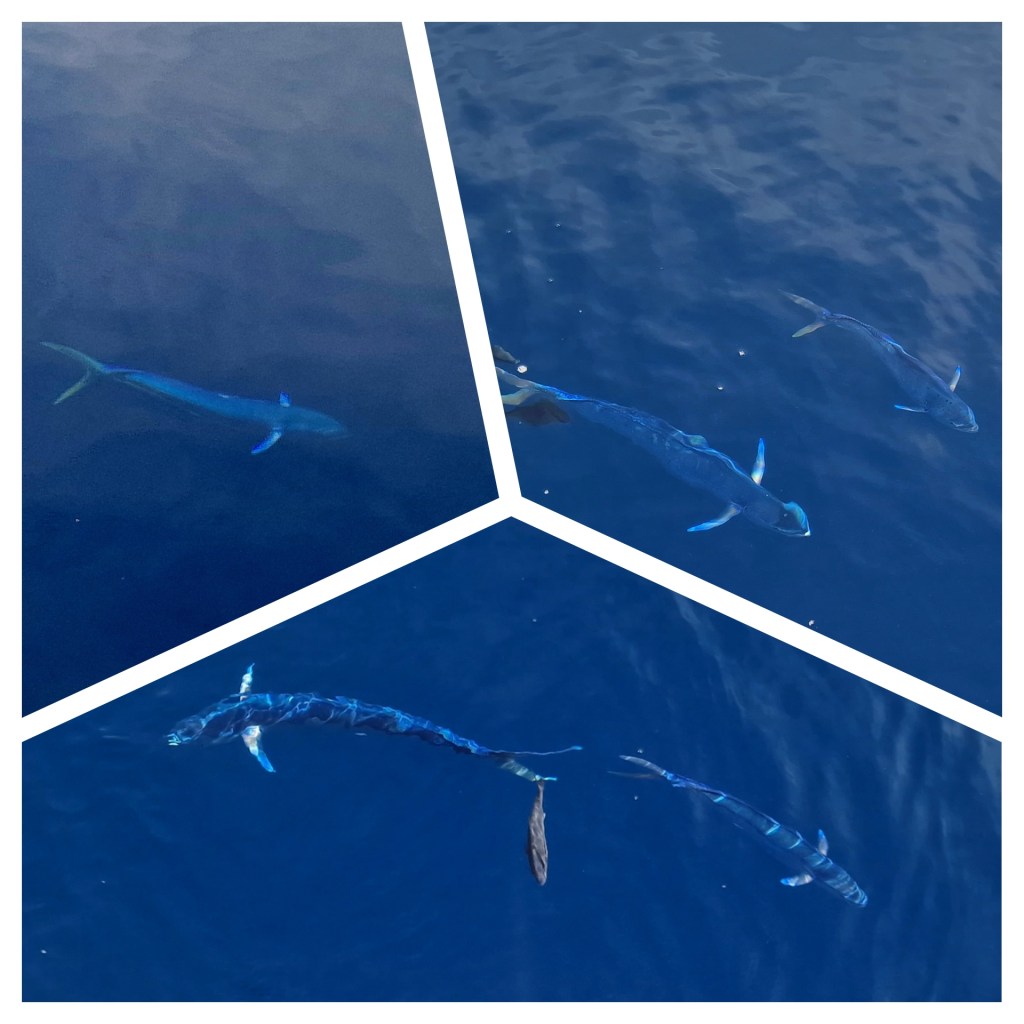
Annars går tiden till att läsa böcker, lyssna på böcker, plugga spanska, läsa guideböcker och annan facklitteratur, sortera foton på mobilen, förbereda och laga mat och trimning av segel mm. Har vi tur får vi napp på vårt fiskesnöre och då är vi fort uppe på akterdäck och drar in fisken som sedan rensas direkt. Vi har fått två fiskar än så länge o nu är det dag tre. På natten är det otroligt fridfullt att titta på månskenet, speciellt nu när det är fullmåne, och njuta av stjärnhimmelen.
Otherwise, the time is spent reading books, listening to books, studying Spanish, reading guidebooks and other non-fiction, sorting photos on the mobile phone, preparing and cooking food and trimming sails, etc. If we’re lucky, we get a bite of our fishing line and then we’re quickly up on the aft deck and pull in the fish, which is then cleaned immediately. We have caught two fish so far and now it is day three. At night, it is incredibly peaceful to look at the moonlight, especially now that it is full moon, and enjoy the starry sky.

Dag fem, söndag. Mitt i natten vaknade jag, Kristin, av att det stänkte in vatten i akterkojen. Det visade sig vara en stor våg som slog in akterifrå över båten och blötte ner både kapten Jan och allt som fanns i sittbrunnen. Vattnet slog inte in så högt men det skummade av havsvatten runt fötterna och ett litet fönster till akterkojen från sittbrunnen stog öppet. Inget allvarligt hände mer än att dynor blev blöta.
Day five, Sunday. In the middle of the night, I, Kristin, woke up to water splashing into the aft berth. It turned out to be a big wave that swept starboard over the boat and soaked both Captain Jan and everything in the cockpit. The water didn’t come in very high, but there was a foam of sea water around the feet and a small window to the aft berth from the cockpit was open. Nothing serious happened other than the cushions getting wet.

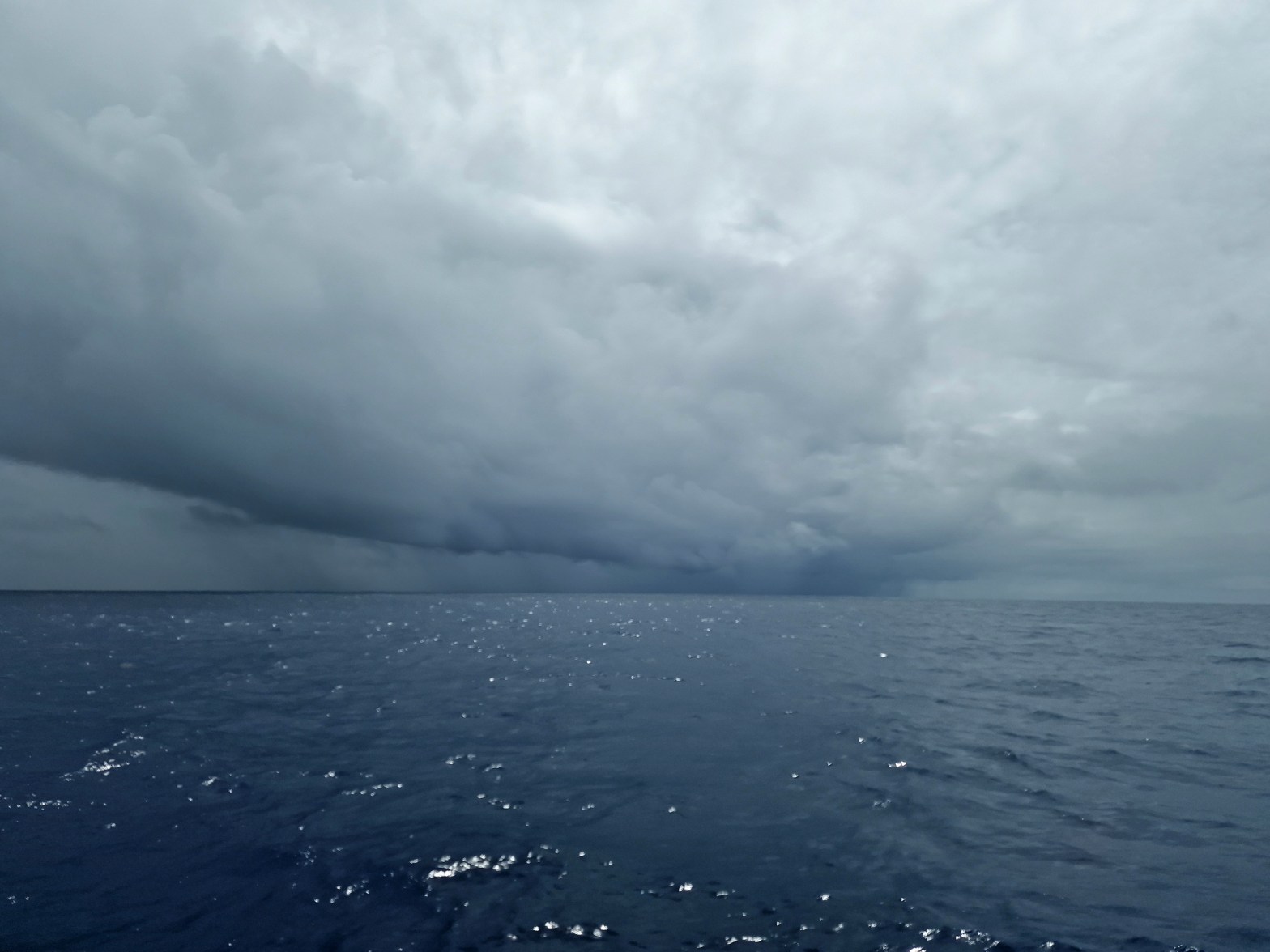
På morgonen hördes ett ”Besättningen upp på däck”. Kaptenen ropade och det tog inte många sekunder innan jag var uppe. Vi var inne i en åskskur och vinden hade hastigt tilltagit. Rullgenuan behövde rullas in betydligt och om vinden skulle fortsätta tillta skulle rev behövas dras in på storseglet. Motorn på båten var startad för att hjälpa till att hålla upp båten. Autopiloten orkade inte riktigt med utan att båten svängde aldeles för mycket från sida till sida. Regnet öste ner och vi blev genomgått även under biminins skyddande tak. Eftersom det blåste mycket kom regnet in på snedden akterifrån vilket betydde att det inte fanns något bra skydd för oss.
In the morning a ”Crew up on deck” was heard. The captain called and it didn’t take many seconds before I was up. We were in a thunderstorm and the wind had picked up rapidly. The furling genoa needed to be furled in significantly and if the wind continued to pick up, reefs would need to be pulled in on the mainsail. The engine on the boat was started to help hold the boat up. The autopilot couldn’t quite cope without the boat swinging far too much from side to side. The rain poured down and we were passed even under the bimini protective cover. As it was very windy, the rain came in on the slant from the stern which meant there was no good protection for us.
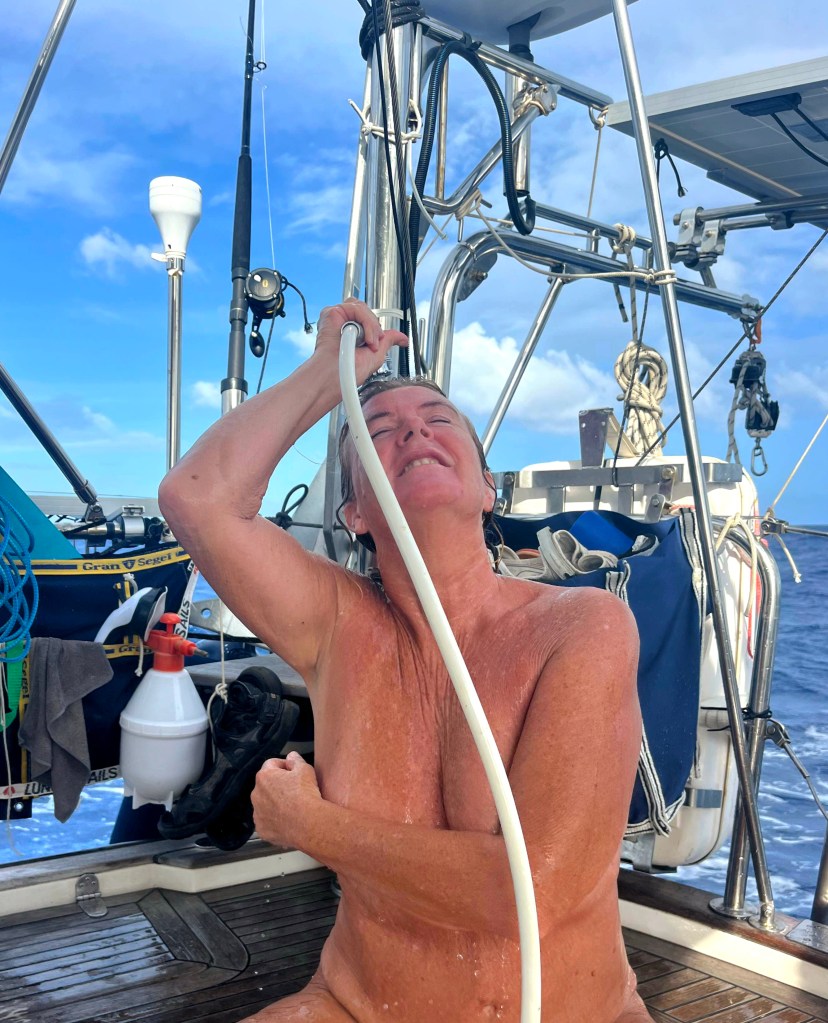
Lika plötsligt som regnet kom, lika hastigt försvann det. Vi behövde, som tur var, inte gå upp på däck och fixa reven utan kunde segla vidare med storseglet fullt ute och rullfocken kraftigt inrullad. Som belöning fick vi en häpnadsväckande vacker och färgrik regnbåge snett framför oss. Det var t o m en dubbel regnbåge där vi såg hela regnbågen från ena sidan till den andra och den kändes otroligt nära. Nästan så vi skulle kunna ta på den. Allteftersom regn och oväder försvann så försvann även denna regnbåge.
As suddenly as the rain came, it disappeared just as quickly. Fortunately, we did not have to go on deck and fix the reef, but could sail on with the mainsail fully furled and the furling jib heavily furled. As a reward, we got a stunningly beautiful and colorful rainbow slanted in front of us. There was even a double rainbow where we saw the entire rainbow from one side to the other and it felt incredibly close. Almost so we could touch it. As the rain and storm disappeared, so did this rainbow.

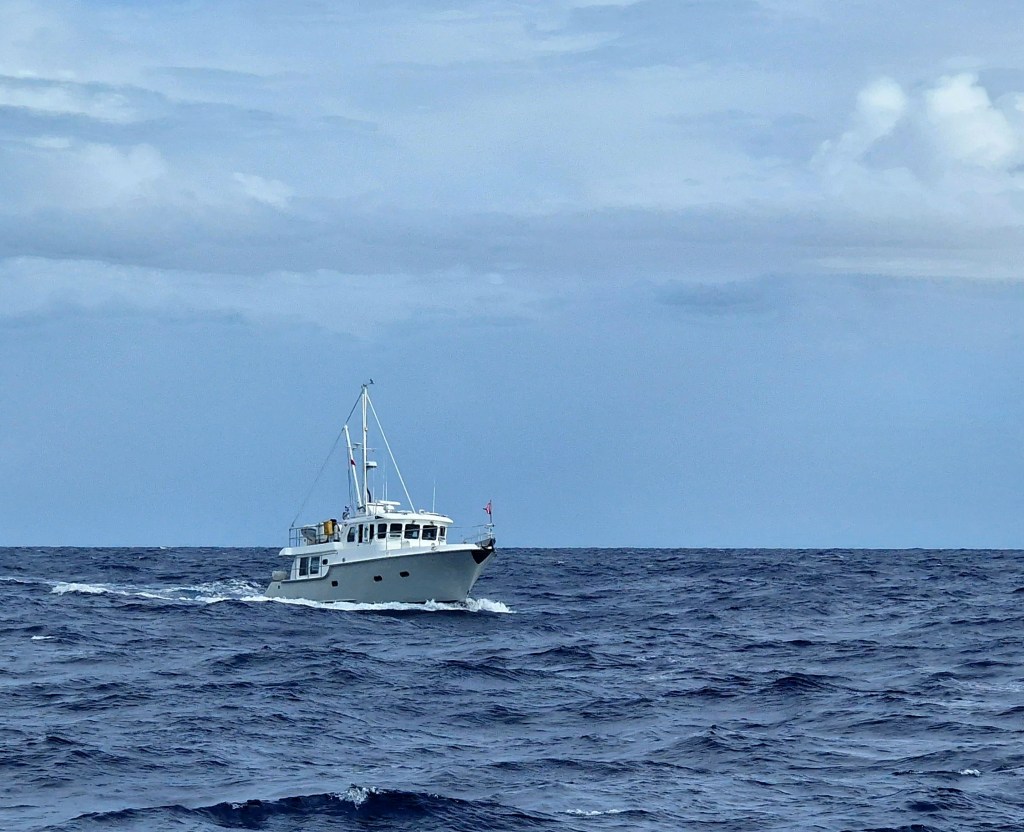
Ut på dagen mötte vi en annan nöjesbåt på riktigt nära håll. Det var en oceangående motorbåt med ett irländskt par som tog sig runt på de stora haven i sakta mak. De fick sakta in farten ännu mer så de inte skulle köra på oss mitt ute på det stora havet. Vi passerade varandra med ca etthundra meters avstånd. De var på väg mot Panama och skulle upptäcka Pacifiksidan av Centralamerika.
Later in the day, we met another pleasure boat at close range. It was an ocean-going motorboat with an Irish couple cruising the big seas at a leisurely pace. They had to slow down even more so they wouldn’t run into us in the middle of the big ocean. We passed each other about a hundred meters away. They were on their way to Panama and would discover the Pacific side of Central America.
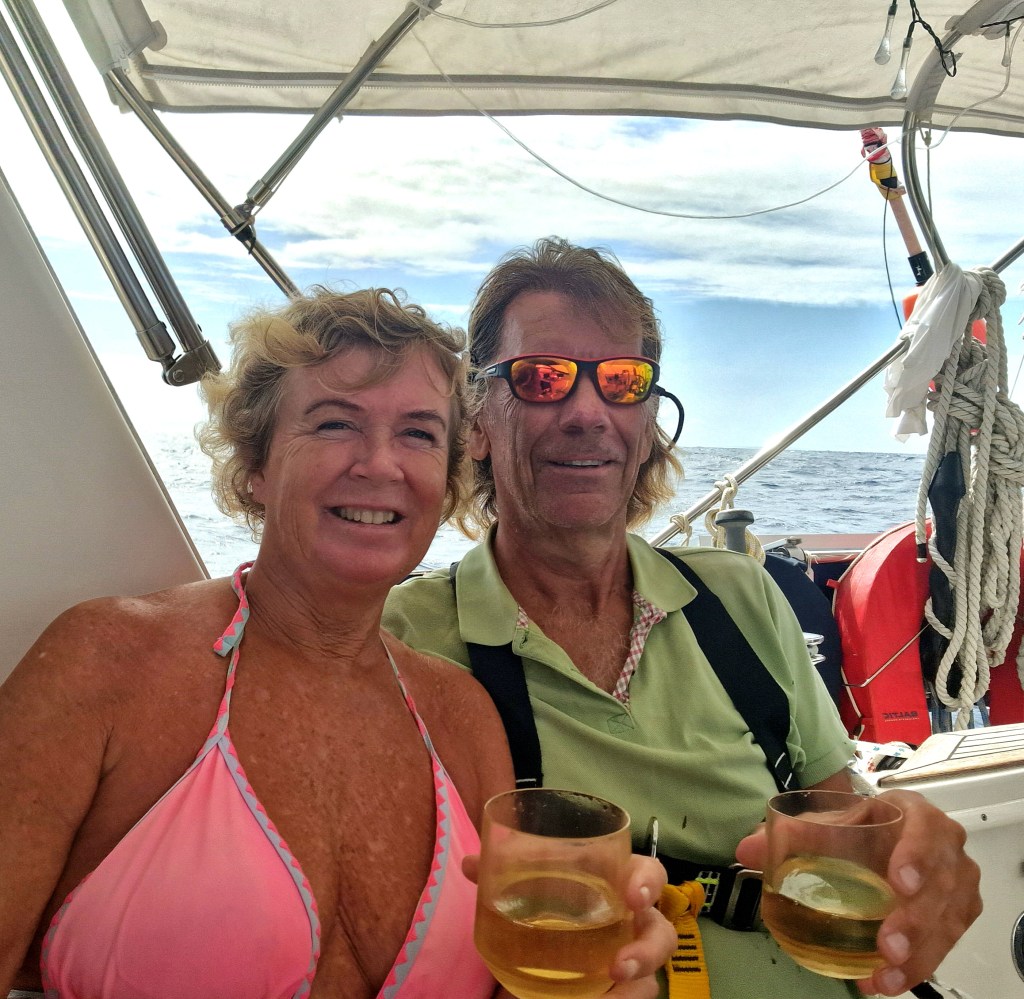
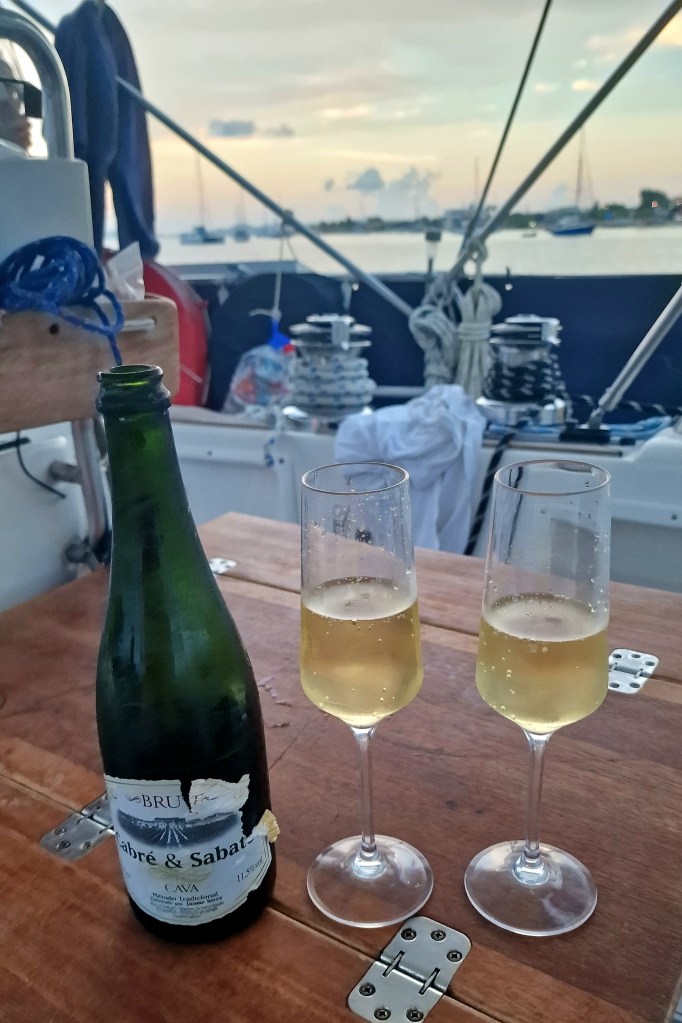
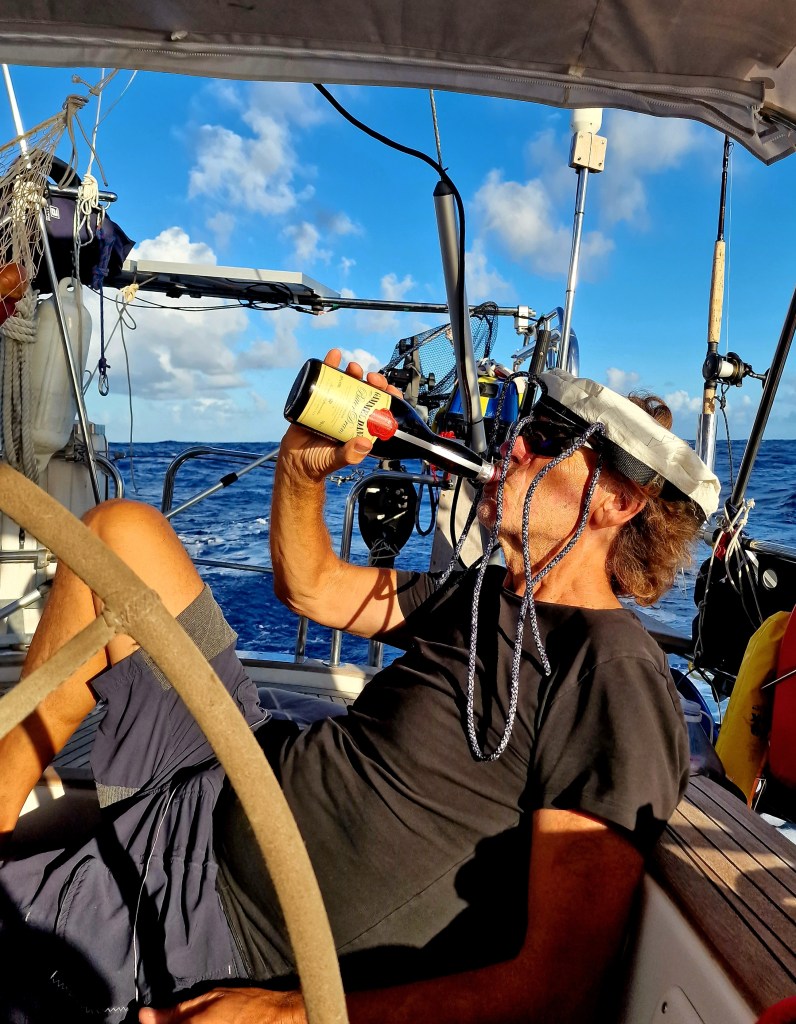
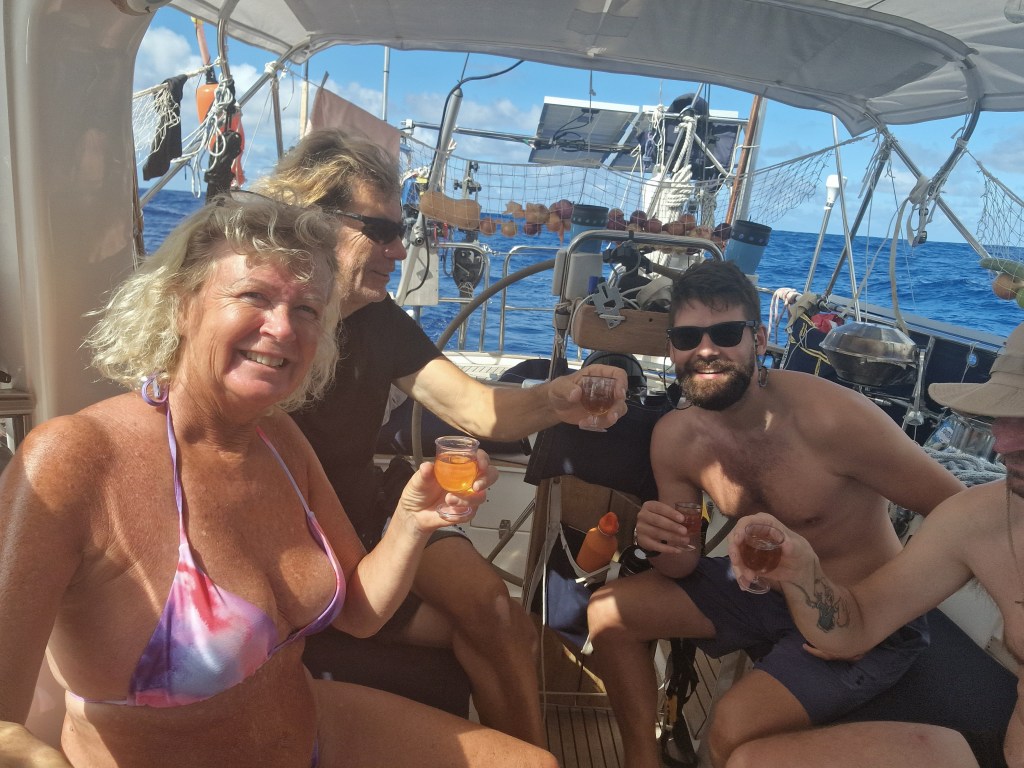
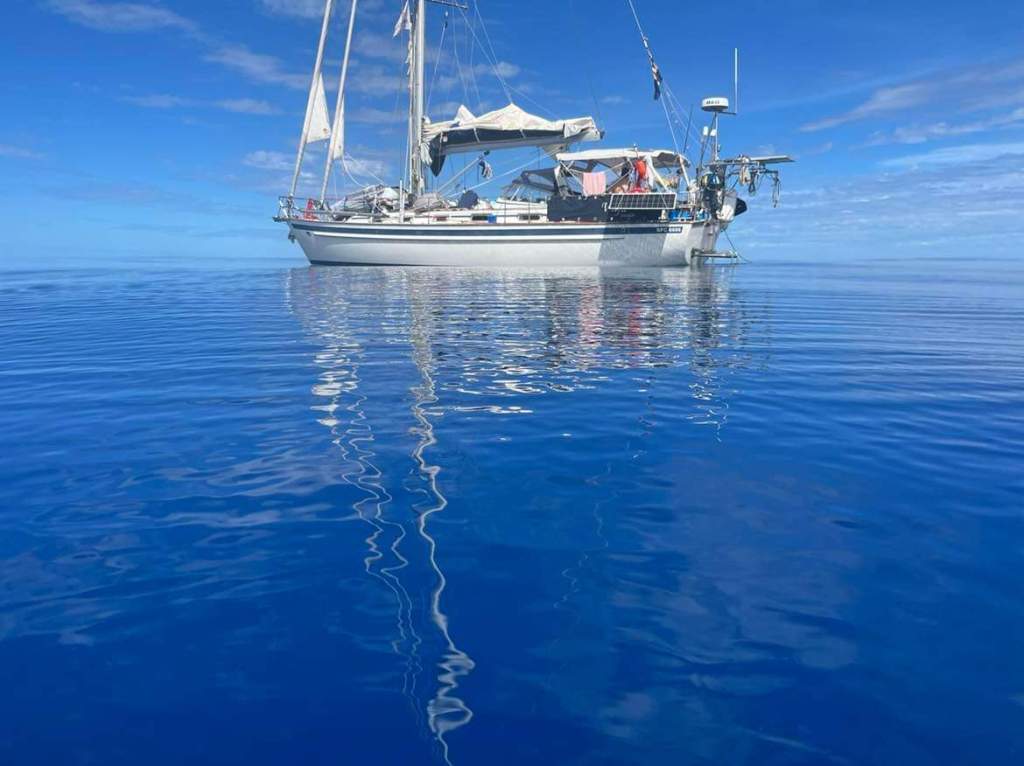
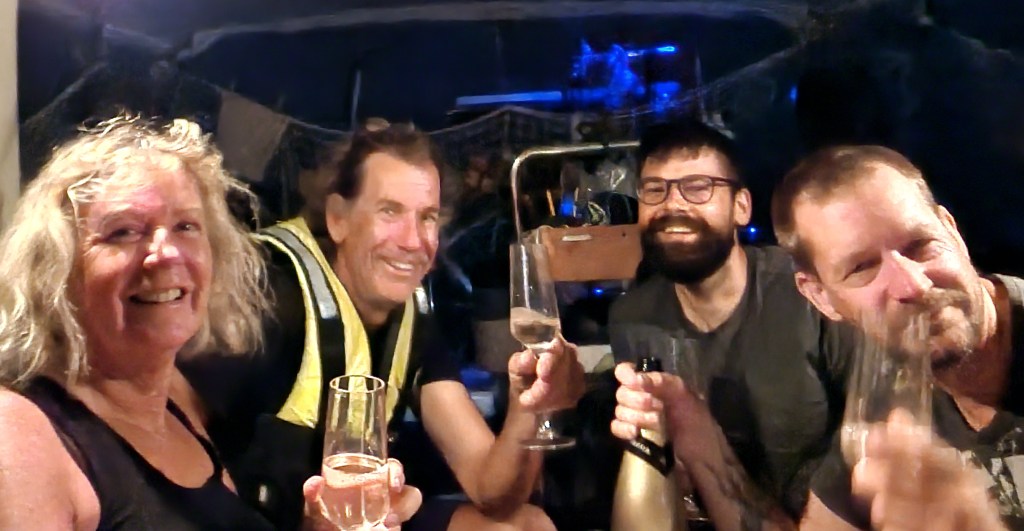
Efter lunch hade vi passerat halva sträckan till Honduras och Roatan. Detta firade vi med ett glas vitvin som smakade riktigt gott här ute på havet. Resten av dagen och natten rullade på med behaglig segling och inga incidenter.
After lunch we had passed half the distance to Honduras and Roatan. We celebrated this with a glass of white wine, which tasted really good out here at sea. The rest of the day and night rolled on with pleasant sailing and no incidents.
Dag sex måste vi bestämma oss för om vi seglar rätt till Roatan eller om vi seglar till Caymanöarna för att avbrott i seglingen och för att få se även Caymanöarna. Väder och vind kommer bli avgörande faktorer men vi har ju alltid lust att upptäcka en ny ö och ett nytt land. Nu väntar vi på att Starlink skall komma igång så att vi kan få en överblick över kommande veckas väder.
On day six we have to decide if we sail straight to Roatan or if we sail to the Cayman Islands to break the sailing and see the Cayman Islands as well. Weather and wind will be decisive factors, but we always want to discover a new island and a new country. Now we are waiting for Starlink to start so that we can get an overview of the next week’s weather.






















 Levermittliv