Vi är tillbaka i Cartagena sedan ca en vecka. Cartagena – Club de Pesca. Här är så varmt, så ofantligt varmt…Vi har inte haft sröm på bryggan i stort sett från i torsdags. Nu är det måndag eftermiddag. Svettet rinner nerför kroppen o saltet svider i ögonen o på sår på kroppen. Vi byter kläder 3-4 gånger om dagen då de vi har på oss blir genomvåta. Inne i båten är det runt 36 rader varmt och utanför ännu varmare. Ingen vindpust. Vi har fläktar o det hjälper men räcker definitivt inte. Just nu skulle jag önska mig att få uppleva minus 25 grader – åtminstone för en kvart. Vi köper dunkar med dricksvatten o de tar fort slut. Colan likså. Arbetsmoralen är inte stor. Det går helt enkelt inte att göra något. Värmen tar fullständigt kål på oss dagtid. Som tur är så har vi haft el på natten. Vår AC står på 19 grader men det är ändå strax under 30 grader på natten. Havet värmer underifrån och luften ovanifrån.
We have been back in Cartagena for about a week. Cartagena – Club de Pesca. It’s so hot here, so unbelievably hot…We haven’t had any flow on the jetty mostly since Thursday. It is now Monday afternoon. The sweat runs down the body and the salt stings the eyes and wounds on the body. We change clothes 3-4 times a day as the ones we wear get soaked. Inside the boat it is around 36 degrees warm and outside even warmer. No gust of wind. We have fans and that helps but is definitely not enough. Right now I would like to experience minus 25 degrees – at least for a quarter of an hour. We buy cans of drinking water and they quickly run out. Cola as well. The work ethic is not great. There is simply nothing that can be done. The heat takes a toll on us during the day. Luckily, we had electricity at night. Our AC is set to 19 degrees, but it’s still just under 30 degrees at night. The sea warms from below and the air from above.
Vilja full of laundry to get dry
This is how they lift up the boats so it does not grow under waterline
Our pier in Club de Pesca where we have been since end may during hurricane season
One evening we had a get together with other sailors
A peaceful scenery in the district Manga where we stay
When the tide is high the waters covers the streets
And leaves a lot of rubbish on the streets when it’s going down again
Några dagar senare. Från värmen till ösregn o svalka. Nu har vi bara 26,4 grader inne i båten….med airconditioner på 17 grader. Det är svalt o skönt o vi kan jobba lite smått. Elskåpet är fixat efter att det brann där pga bogpropellern i maj o några skåp är sorterade. Vi försöker verkligen utnyttja varje cm i båten till mat o praktiska saker. All durk är öppnad undan för undan så vi kan placera kaffe, havregryn, sylt o mjöl under mm. Allt är dyrt i Pacific så vi provianterar för fullt. Våra gastar första 3 månaderna över Pacific, Marie o Niklas, har köpt biljetter nu. De kommer till Panama 27 januari. Vi har även börjat proviantera för den tid de är med. Först ca 7 dagar till Galapagos. O vi hoppas att myndigheterna släpper in oss där….det är stränga regler. Sedan ca 4-5 veckor ute på öppet hav innan vi kommer fram till Marquesas i Franska Polynesien. Det blir definitivt längsta sträckan till sjöss utan landkontakt. Över 30 dagar. Atlanten tog 19 dagar.
A few days later. From the heat to torrential rain and coolness. Now we only have 26.4 degrees inside the boat….with air conditioner at 17 degrees. It’s cool and nice and we can work a little bit. The electrical cabinet is fixed after there was a fire there due to the bow thruster in May and some cabinets are sorted. We really try to use every cm in the boat for food and practical things. All colanders are opened side by side so we can place coffee, oatmeal, jam or flour under etc. Everything is expensive in the Pacific so we stock up. Our guests for the first 3 months across the Pacific, Marie and Niklas, have bought tickets now. They will arrive in Panama on January 27. We have also started stocking up for the time they are with us. First about 7 days to the Galapagos. And we hope the authorities will let us in there….there are strict rules. Then about 4-5 weeks out on the open sea before we arrive at the Marquesas in French Polynesia. It will definitely be the longest distance at sea without land contact. Over 30 days. The Atlantic took 19 days.
We can’t use this toilet anymore because of all drink we have bought
Pacific är såååå stort. Det går inte ens att föreställa sig. Atlanten blir nästan som Medelhavet i jämförelse. Vi är vana vid att se en karta med Atlanten lite till vänster o sedan Amerika o Europa, Asien o Afrika. Vänder vi på jordklotet så är det nästan bara vatten. Pacific – Stilla Havet. O det vattnet skall vi segla över…
Pacific is sooooo big. You can’t even imagine it. The Atlantic becomes almost like Mediterranean in comparison. We are used to seeing a map with the Atlantic a little to the left and then America and Europe, Asia and Africa. If we turn the globe over, there is almost only water. Pacific – Pacific Ocean. O that water we shall sail across…
It’s Impossible to imagine the size of The Pacific
Karneval! Eller egentligen en festival som känns som karneval. Cartagena firar Independence och det gör de stort i dagarna fyra. Idag är första dagen och det går ett karnevalståg på Pencer boulevard som ligger nära gamla stadsdelen. Folk strömmar dit och trängseln är stor. De flesta är beväpnade med ett stort rör där man sprutar ut skum på varandra. Det dansas, skrattas och sprutas skum överallt. Runt fötterna smäller de med smällare och vi har bara fötter i sandaler och flipflops. Lite rädda att få smällare på oss är vi allt. Samtidigt pågår karnevalståget med stora dansande grupper i vackra kläder. Och vackra exotiska kvinnor i fantastiska karnevalskläder. Vi har lyckats få en plats nära domarna så vi får se deras dans ordentligt. Det är fest, det är glädje, det är färgprakt o det är dans! Hela Cartagena sprätter av upprymdhet, bus och rytmik. Vi blir duschade av skum flera gånger om och delar glädjeruset med alla andra.
Carnival! Or actually a festival that feels like a carnival. Cartagena celebrates Independence and they do it big in the four days. Today is the first day and there is a carnival train on Pencer boulevard which is close to the old part of town. People flock there and the congestion is great. Most of them are armed with a large pipe where they spray foam at each other. There is dancing, laughing and spraying foam everywhere. Around the feet, they pop firecrackers and we only have feet in sandals and flip-flops. We’re all a little afraid of getting firecrackers thrown at us. At the same time, the carnival procession is going on with large dancing groups in beautiful clothes. And beautiful exotic women in amazing carnival costumes. We have managed to get a seat close to the judges so we get to see their dance properly. It’s a party, it’s joy, it’s colorful and it’s dancing! All of Cartagena bursts with excitement, mischief and rhythm. We are showered with foam several times and share the rush of joy with everyone else.
Party, party, party!
Everyone is dancing
We are close to the judges so we can see all performances
The judges
More from the carnivaltrain
We enjoyed the carnival at least three hours
And, of course a beautiful girl
a woman dressed up with a really big bum
Nu är det nästa dag av firandet och hundratals, kanske tusentals båtar samlas i långa rader bakom avgränsningar. En stor scen är uppbyggd och riktad ut mot havet. Det är stora filmdukar som på stora konserter. Vi tar vår gummijolle och paddlar ut tillsammans med Peter från båten Porrima. Eftersom vi är en så liten båt bestämmer vi oss för att paddla framför alla andra båtar och lägga oss strax framför scenen. Vi möts av vinkningar, jubel, hejarop och blir sprutade på med skum av alla glada och festsugna människor i båtarna som vi paddlar framför. Vi hittar en ledig liten lucka och lyfter upp avspärrningslinan så vi är på rätt sida. Konserten börjar och festen är igång. På en båt tar ölen slut och de frågar oss om vi kan paddla in till land med dem o köpa mer. Självklart hjälper vi till. Under tiden sitter jag kvar i båten vi hjälper. Artisterna avlöser varandra och efter några timmar kommer en av Colombias största artister upp på scenen. Jublet stiger i ett crecendo och glädjen bland alla vet inga gränser. Det är en jättelyckad eftermiddag och kväll och vi är nöjda när vi paddlar tillbaka.
Now it’s the next day of the celebration and hundreds, maybe thousands of boats are gathering in long lines behind barriers. A large stage is built and directed towards the sea. There are big movie screens like at big concerts. We take our dinghy and paddle out together with Peter from the boat Porrima. Since we are such a small boat, we decide to paddle in front of all the other boats and lay right in front of the stage. We are met by waves, cheers, cheers and are sprayed with foam by all the happy and party-hungry people in the boats that we paddle in front of. We find a free small hatch and lift up the cordon so we are on the right side. The concert begins and the party is on. On one boat the beer runs out and they ask us if we can paddle ashore with them and buy more. Of course we will help. In the meantime, I remain in the boat we are helping. The artists replace each other and after a few hours one of Colombia’s biggest artists comes on stage. The cheers rise in a crescendo and the joy among everyone knows no bounds. It is a very successful afternoon and evening and we are satisfied when we paddle back.
Peter and Jan paddles our boat to the festivities
There are hundreds or thousands of boats full of people partying
Foam is sprayed on everyone
They loved spraying on us
I got fully sprayed
Music on the scene and partying people around
A lot of people
Firework from the scene
Jan and Peter coming back after helping another boat to buy beer and pick up more people
It’s getting late and we start our way back to the boat
Idag är vi ute o seglar! Härligt! Det blåser friskt men segelbåten Porrima från Holland med Peter som kapten hanterar vinden och vågorna utmärkt. Det är en Beneteau 50 cence. Han har köpt nya segel som anlänt och stående riggen är utbytt så idag är det provsegling med finjustering som gäller. Två kunniga personer är ombord och kontrollerar. Allt verkar vara bra. Vi mötte Porrima på Cuba och har umgåtts sedan Jamaica. Det är underbart att vara ute på havet ett par timmar. Det fläktar och rör på sig. Längtar tills vi åker iväg om ca 1 vecka.
Today we are out sailing! Lovely! The wind is fresh but the sailboat Porrima from Holland with Peter as captain handles the wind and waves excellently. It’s Beneteau 50 Cence. He has bought new sails that have arrived and the standing rig has been replaced, so today it is test sailing with fine tuning. Two knowledgeable people are on board and checking. Everything seems to be fine. We met Porrima in Cuba and have been hanging out since Jamaica. It is wonderful to be out at sea for a couple of hours. It fans and moves. Can’t wait until we leave in about 1 week.
Sailing with the boat Porrima
We really enjoyed coming out on the sea for some hours
The rope from the main sail came loose but nothing bad happened
The man is filming everything to make sure it’s all alright
Provianteringen är i stort sett klar. Nu är det bara färsk mat till våra första 6 veckor i Panama kvar. Dryck är också inhandlat så nu är durken i främre toaletten full.
Provisioning is largely complete. Now all that’s left is fresh food for our first 6 weeks in Panama. Drinks have also been purchased, so now the sink in the front toilet is full.
Vi jobbar på för fullt med båten. Jan utomhus och jag inomhus. Varenda skåp är genomgånget, mat undanstuvad och i lättåtkomliga väskor, dynfodral tvättade likaså små sittkuddar. Jan tvättar rep, fixar med utombordare som plötsligt slutat fungera, vindturbinen skall på plats och mycket mycket mer
We are working hard on the boat. Jan outdoors and i indoors. Every cupboard is gone through, food stowed away and in easy-to-access bags, duvet covers washed as well as small seat cushions. Jan washes ropes, fixes outboards that suddenly stopped working, the wind turbin must be in place and much, much more
A rigcheck is done and everything looks good
Jan screwes the new wind turbine together
And now it’s put in place
A seagull gives us company
Självklart hinner vi med några kvällar in till gamla stan – Getsemani också. Där njuter vi av atmosfären, folkvimlet, uppträdanden, färgprakten och charmen. En plats vi kommer sakna när vi lämnat Cartagena.
Of course, we manage to spend a few evenings in the old town – Getsemani too. There we enjoy the atmosphere, the crowds, the performances, the splendor of color and the charm. A place we will miss when we leave Cartagena.
In the old town – Getsemani
People are dancing on the streets
Jan walking around
A performance, the man with big stomach is dancing bellydance and pretending to sing famous songs
Havanna. Lyssna på namnet. Smaka på det. Havanna. Historiens vingslag slår mot oss. Glädje, Fest, Kabrioletbilar, Fina kläder, Casino, Kolonialhus, Salsa. Men också revolution, Fattigdom, misskötta o bortglömda hus, krig och elände. Båda sidorna är Havanna. Vi är på väg dit och skall upptäcka dagens Havanna. 100 år efter dess glansdagar och dryga 50 år efter revolutionen.
Havana. Listen to the name. Taste it. Havana. The wings of history beat us. Joy, Party, Convertible cars, Fine clothes, Casino, Colonial house, Salsa. But also revolution, Poverty, neglected and forgotten houses, war and misery. Both sides are Havana. We are on our way there and will discover today’s Havana. 100 years after its glory days and roughly 50 years after the revolution.
Paintings everywhereBicycle-taxi. Common in HavannaOld carsigns and of course sombrerosChe Guevara is popularOne of the beautiful houses that are restauratedRed American carA church in old town
Tidigt på morgonen och vi sitter i en taxi på väg mot Havanna. Det känns spännande att komma dit och få uppleva alla kolonialhus i pastellfärger med balustrader, salsaställen, storband, gamla amerikanska bilar och häst o vagn. Resan kommer ta ca tre och en halv timma. Det är en colectivotaxi vi åker med tillsammans med två andra. Resan kostar tjugo dollar var. Eftersom vi knappt har kontanter så har vi fått trixa för att få ihop till resan. Vi tänkte boka hotell på en hotellbokningssida men de flesta har inte avtal med Kuba. På Hotels.com finns det däremot hotell och vi valde ett. Mot slutet behövde vi kryssa i vad vi gör på Kuba. Turism fanns inte som alternativ utan endast en massa olika officiella uppdrag. Vi har bokat och kryssat i journalistiskt uppdrag. Jag skriver ju trots allt min blogg 😊
Early in the morning and we are sitting in a taxi on our way to Havana. It feels exciting to come there and experience all the colonial houses in pastel colors with balustrades, salsa bars, big bands, old American cars and horse and carriage. The trip will take about three and a half hours. It’s a colectivo taxi we’re riding with two others. The trip costs twenty dollars each. Since we hardly have any cash, we have been given a trick to save up for the trip. We thought of booking a hotel on a hotel booking site but most of them do not have an agreement with Cuba. On Hotels.com, however, there are hotels and we chose one. Towards the end, we needed to tick off what we are doing in Cuba. Tourism did not exist as an option, but only a lot of different official missions. We have booked and cruised on a journalistic mission. After all, I write my blog 😊
In the old town of HavannaThere are also smaller carsColonial houses with balustrades and a bicycleSome kind of celebration with several horses and Cuban flagsColorful girl waiting for pizza Of course Cuba had a lot of warshipelementsOne of all kolonial streetsPink ”Cadillac” in front of a beautiful house
Vi kör fram på relativt bra vägar utan en massa potthål i vägen. Det står folk med sedelbuntar i händerna och liftar. Bussar mellan städerna finns knappt längre. Trafiken är gles, salsan strömmar ur högtalarna och vi passerar inga samhällen. Det känns ganska öde. Samtidigt är det små stånd med försäljning av olika saker längs med vägen. Var de bor som säljer sakerna vet vi inte.
We drive on relatively good roads without a lot of potholes in the way. There are people with wads of bills in their hands and hitchhiking. Buses between the cities hardly exist anymore. The traffic is sparse, the salsa is pouring out of the speakers and we don’t pass any communities. It feels quite deserted. At the same time, there are small stalls selling various things along the road. We don’t know where the people who sell the things live.
Efter en behaglig resa blir vi avsläppta i Habana Viejo. Det är här vi har bokat ett rum. Efter en kortare promenad kommer vi fram till Casa Maura. Ett Casa collectivo som vi kunnat boka på nätet. Det är rent och fint med balkong och tillgång till kök. Värden och hennes svärdotter är otroligt tillmötesgående och serviceminded. Väl installerade på rummet går vi ut på vår första promenad av många i Havanna. Det pirrar lite i kroppen av förväntan. Vi bor nära en stor boulevard, P de Martí, inte många bilar passerar men de vi ser är i stort sett gamla Amerikanare. Några är kabrioleter och några har tak. De flesta målade i pastellfärger. Även om ingen av oss är bilentusiaster så spritter det av glädje av att se dem. Vi promenerar fram mellan slitna och misskötta kolonialhus. Och några få som har renoverats. Vart vi än går strömmar musik ut ur husen, på gatorna och från bilarna.
After a pleasant journey, we are dropped off in Habana Viejo. This is where we have booked a room. After a short walk we arrive at Casa Maura. A Casa collectivo that we were able to book online. It is clean and nice with a balcony and access to a kitchen. The host and her daughter-in-law are incredibly accommodating and service-minded. Once installed in the room, we go out on our first of many walks in Havana. The body tingles a little with anticipation. We live near a big boulevard, P de Martí, not many cars pass but the ones we see are mostly old Americans. Some are convertibles and some have roofs. Most painted in pastel colors. Although none of us are car enthusiasts, seeing them bursts with joy. We walk between worn and neglected colonial houses. And a few that have been renovated. Everywhere we go, music pours out of the houses, onto the streets and from the cars.
More of the Streets in Havanna Bike-tuktuks are everywhere Someone is selling fruits and vegetablesMore paintingsSoon colourful housesAnd colourful streetartBig avenues and almost no carsCapitolium at nightAnd the old theater So beautiful housesMusic in one bar……and in the next one
Folk köar framför många gallerförsedda små öppningar i husen. Bakom varje galler är det försäljning av t ex kaffe, glass, burkar med öl eller lokal cola eller andra allehanda saker. Eftersom matbutikerna är i stort sett tomma så är det dessa små ”hål-i-väggen-butiker” som förser invånarna med det de har möjlighet att köpa. På Kuba handlar man det man får tag på och när man får tag på det. Inte som hemma där vi handlar det vi önskar och precis när som helst. Pizza är otroligt populärt och billigt. Ser vi en blinkande ljusskylt och människor utanför så är det pizza de köper.
People line up in front of many barred small openings in the houses. Behind each bar is the sale of, for example, coffee, ice cream, cans of beer or local cola or all sorts of other things. Since the grocery stores are largely empty, it is these small ”hole-in-the-wall stores” that provide the residents with what they can afford to buy. In Cuba, you buy what you can get hold of and when you get hold of it. Not like at home where we buy what we want and exactly when we want. Pizza is incredibly popular and cheap. If we see a flashing light sign and people outside, it’s pizza they’re buying.
Here Jan bought a small cup of local coffee. Very sweet.Don’t know what he is buyingAnd here icecreamOn one street they sold flowersA lot of queues everywhere. A lot of people are standing outside the shops longing to buy things inside. But they can not. Some shops only take card and the price is in dollars so it is not possible for most Cuban peopleOn the street. People gathering for transportationClose to the church. Some women togetherA lonely man playing trumpet on the street. It was lovely to listen toLive music and dance everywhereHere we bought mojitos They make ten at a timeA ”typical Cuban”
Vi ser ändå ingen misär. I stort sett alla är rena och med hela kläder. Det är inte som fattigdomen i många länder i Afrika och Asien. Var femtonde meter kommer någon fram till oss och börjar prata. ”Where do you come from?”, ”First time in Cuba?”, ”Can you give me money for my baby?”, ”Money,money, money?”
We still see no misery. Pretty much everyone is clean and fully clothed. It is not like the poverty in many countries in Africa and Asia. Every fifteen meters someone comes up to us and starts talking. ”Where do you come from?”, ”First time in Cuba?”, ”Can you give me money for my baby?”, ”Money, money, money?”
A lot of artists selling their art on the streetChildren playingAlmost all vegetables are sold from wagons like this
Vi strosar runt mellan de gamla kolonialhusen som en gång i tiden måste ha varit otroligt vackra. De är vackra även nu men utan restaureringar o skötsel ramlar cement bort, färgen flagnar och trät multnar sönder. Otroligt synd. De är ju så vackra. Det är fullt av liv och rörelse. Barn som leker, cykeltaxis som transporterar människor, män som mekar med bilar, kvinnor som umgås och det står vagnar där det säljs ett mindre urval av frukt och grönt. På en gata vi passerar säljer de blommor och blomsterdekorationer. Urvalet av mat är större här än i Cienfuego men fortfarande lyser det stort av bristen på tillgångar.
We stroll around between the old colonial houses which must have been incredibly beautiful once upon a time. They are beautiful even now, but without restoration or maintenance, cement falls away, the paint peels and the wood rots. Unbelievably bad. They are so beautiful. It is full of life and movement. Children playing, bicycle taxis transporting people, men tinkering with cars, women socializing and there are carts selling a small selection of fruit and vegetables. On a street we pass they sell flowers and flower decorations. The selection of food is greater here than in Cienfuego but still the lack of resources shines brightly.
Even more beautiful housesA Lada in front of a beautiful houseJan posing by some balustrades
Kvinnorna är mestadels långa och smala och klär sig i fina och ibland utmanande kläder. Vi blir gång på gång stoppade av män som frågar om vi vill växla pengar. Eller köpa cigarrer. Eller rom. Eller så vill de visa vägen till en restaurang och sedan ta betalt för att de visat oss vägen. En dag behövde vi växla pengar och vi kom överens om vilken växlingskurs med en man. Vi gick till sidan bakom en pelare och mannen började räkna upp pengar till Jan. Samtidigt sa han till mig att vakta om det kom någon polis. Jan och mannen räknade tillsammans. När vi kommer hem senare på eftermiddagen skall jag kontrollerna pengarna….och inser att vi fått strax under hälften av vad vi skulle ha. Suck! Andra gånger vi växlat, både före och efter, har vi fått rätt. Men här blev vi totalt lurade.
The women are mostly tall and slim and dress in nice and sometimes challenging clothes. We are repeatedly stopped by men who ask if we want to exchange money. Or buy cigars. Or rum. Or they want to show us the way to a restaurant and then charge us for showing us the way. One day we needed to exchange money and we agreed on the exchange rate with a man. We went to the side behind a pillar and the man started counting money to Jan. At the same time he told me to watch if any police came. Jan and the man counted together. When we get home later in the afternoon, I will check the money….and realize that we got just under half of what we should have. Sigh! Other times we switched, both before and after, we got it right. But here we were totally deceived.
Idag, andra dagen, promenerar vi längs strandpromenade som vetter mot Florida Straits. Det är en lång och vacker promenad i stadsdelen Malecong. Havet är blankt och långt där borta på andra sidan ligger ärkerivalen USA. Ett fåtal personer snorklar i vattnet för att fånga fisk och languster, ytterligare några står på muren och fiskar. Konstigt att det inte är fler då det borde vara ett utmärkt sätt att dryga ut maten och få varierade smaker i munnen.
Today, the second day, we walk along the boardwalk facing the Florida Straits. It is a long and beautiful walk in the Malecong district. The sea is clear and far away on the other side lies the arch-rival USA. A few people snorkel in the water to catch fish and crayfish, a few more stand on the wall and fish. Strange that there aren’t more as it should be an excellent way to spread out the food and get varied flavors in your mouth.
The famous view on the coastWe saw one fishingboat. That’s it. We are not allowed to do any fishing from the boat in Cuban water. Maybe there are restrictions even for the localsIt is beautiful Taking a restA famous view of Havanna A fisherman with all his small fishes on the wallHere towards the fortBlue sky and blue water Even locals stroll around here
Tredje dagen i Havanna och vi klär oss i rosa kläder o har bestämt oss för att åka med en rosa Cabriolet runt om i Havanna. Sagt och gjort så går vi upp mot torget där alla cabrioleer står. En man med rosa bil fångar oss o vi kommer överens om ett bra pris. Troligen både för honom och för oss. Det är en sjuttiotre år gammal Ford Victoria Cabriolet vi åker med. Lite sliten men ändå otroligt vacker. Han är en mycket stolt ägare.Vi vet inte mycket om bilar men det var hans information. Det sitter en ny motor i bilen. Vi susar fram som värsta Elvis Presley genom Havannas boulevarder och längs med havet. Vi känner oss som kungligheter. Det är en härlig upplevelse. Turistig? Ja, kanske men ändå kul enligt oss. Det blir en guidning runt Havanna med vackra byggnader, Chinatown, förbi Havannas universitet och sedan ett stopp på Plaza de la Revulicion. En jättestor asfalterad plats framför Parlamentet och ett monument detikerat till José Martí. Monumentet skall vara det största tillägnat en författare i världen. José Martí har haft stor betydelse för Kuba. Runt torget finns några viktiga byggnader. Parlamentet, militära högkvarteret,polismyndigheten, en teater och två byggnader som på var sin byggnad har stora bilder av Fidel Castro på den ena och Che Guevara på den andra. En mäktig plats och en viktig plats i Kubas historia.Det är mäktigt och det är historia.
Third day in Havana and we dress in pink clothes and have decided to drive a pink Cabriolet around Havana. All said and done, we go up to the square where all the cabriolets are. A man with a pink car catches us and we agree on a good price. Probably both for him and for us. It’s a seventy-three-year-old Ford Victoria Cabriolet we’re driving. A little worn but still incredibly beautiful. He is a very proud owner. We don’t know much about cars but that was his information. There is a new engine in the car. We rush like the worst Elvis Presley through Havana’s boulevards and along the sea. We feel like royalty. It is a wonderful experience. Touristy? Yes, maybe, but still fun in our opinion. There will be a guided tour around Havana with beautiful buildings, Chinatown, past the University of Havana and then a stop at Plaza de la Revulicion. A huge paved square in front of the Parliament and a monument dedicated to José Martí. The monument is to be the largest dedicated to a writer in the world. José Martí has had great significance for Cuba. Around the square are some important buildings. The parliament, the military headquarters, the police department, a theater and two buildings that each have large pictures of Fidel Castro on one and Che Guevara on the other. A powerful place and an important place in Cuban history. It is powerful and it is history.
Look at us!It’s a FordThere are plenty of beautiful cabrioletsJan as the driverIt feels like we are in the 50s
Plaza de la Revulicion with the big monument
Fidel Castro on one building……and Che Guevara on another
Efter Plaza de la revolucion åker vi till en otroligt grön park. Där ser vi åtskilliga vackra ”Amerikanare” glänsande i rosa, lila, mintgrönt och rött. Det är en fröjd för ögat att promenera runt och titta på dem.
After the Plaza de la Revolucion we go to an incredibly green park. There we see many beautiful ”Americans” shining in pink, purple, mint green and red. It is a feast for the eyes to walk around and look at them.
Cabriolet in a mix of coloursHere are all the pink onesAnd oursA Ford A from 1930The driver
Resan tillbaka till centrala går längs med avenyn i Malecong med Florida Straits på vår vänstra sida. Det är vackert, det är historia och det är en känsla av något vi aldrig kommer glömma. Havanna, glansdagar, 50-talet, kolonialhus och boulevarder. Hur var det då? En pirrande känsla att tänka. Åtminstone om man var amerikan eller rik kuban. För många andra kubaner var det nog inte detsamma.
The journey back to downtown runs along the avenue of Malecong with the Florida Straits on our left. It’s beautiful, it’s history and it’s a feeling of something we’ll never forget. Havana, glory days, 50s, colonial houses and boulevards. How was it then? A tingling sensation to think. At least if you were American or ritch Cuban. For many other Cubans, it was probably not the same.
A lot of artVery colorful housesSome houses are really abandonedMusic everywhere, even on the streetTime for mojitosA long rowAnd, of course, musicAnother restaurang with music
Sista hela dagen i Havanna innan vi åker tillbaka till Cienfuego och Vilja imorgon. Vi promenerar ut och har mer eller mindre bestämt oss för en tur till Fusterlandia som ligger ca två mil västerut. Det är en konstnär som heter José Foster, som byggt upp denna streetart och konst runt en bostad och ett kvarter. Hans konstverk jämförs med Antoni Gaudi och sägs sätta Barcelonas Park Güell i bakgården. Vi tar oss dit med en charmig turkos veteranbil med en informativ chaufför. Vi åker på boulevarden längs med Florida Strait i stadsdelen Malecong. Sedan passerar vi ett område med vackra och stora hus vilka de flesta är ambassader. Rysslands ambassad ser ut som en stor bunker annars är de andra flotta byggnader med vakter utanför varje ambassad.
Last full day in Havana before we return to Cienfuego and Vilja tomorrow. We walk out and have more or less decided on a trip to Fusterlandia, which is about two miles to the west. It is an artist called José Foster, who built this street art and art around a house and a block. His artwork has been compared to Antoni Gaudi and is said to put Barcelona’s Park Güell in the backyard. We get there in a charming turquoise vintage car with an informative driver. We ride on the boulevard along the Florida Strait in the Malecong district. Then we pass an area with beautiful and large houses, most of which are embassies. The Russian embassy looks like a big bunker otherwise the other buildings are big buildings with guards outside each embassy.
Our charming taxiArt on a wall
Fusterlandia är speciellt med sin lite futuristiska konst och skulpturer. Mycket är gjort i keramikplattor i olika storlekar. Figuriner är klädda med små mosaikplattor i glada färger och det är konst, utsmyckningar och figurer precis överallt. Kul att komma dit och se denna speciella plats.
Fusterlandia is special with its slightly futuristic art and sculptures. Much is made of ceramic tiles in various sizes. Figurines are dressed with small mosaic tiles in cheerful colors and there is art, embellishments and figures just everywhere. Nice to get there and see this special place.
Some of the art made of FusterMore artHe used a lot of mosaik in his artAnd some paintings
Vi åker tillbaka med samma taxi fast till halva priset nu. Det är dags för lunch och vi har blivit duktiga på att hitta billiga men ändå okej ställen. Vi går tillbaka till området nära Chinatown till samma ställe som vi åt lunch igår. De känner igen oss och är glada för att vi kommer tillbaka. På väg tillbaka till hotellet lyckas vi hitta en affär med lite varor där vi kan betala med kort! Vilken lycka! Eftersom vi kommer vara ute i Kubanska södra skärgården och det börjar bli tomt på framförallt dryck så köper vi ett flak öl och ett flak Pepsi. Vi har inte sett något av det i affärer sedan vi kom fram till Kuba. Lite kaffe blev det också. Både igår och idag har vi börjat köpa in grönsaker också inför vår kommande tid på havet. Det finns inte mycket men vi har fått tag på vitkål, lök, tomater och långa gröna bönor. Så våra ”souvenirer” från Havanna består av grönsaker 😄
We are going back with the same taxi but at half the price now. It’s time for lunch and we’ve become good at finding cheap but still okay places. We go back to the area near Chinatown to the same place we had lunch yesterday. They recognize us and are happy that we are coming back. On the way back to the hotel, we manage to find a shop with some goods where we can pay by card! What joy! Since we will be out in the southern Cuban archipelago and we are starting to run out of drinks in particular, we buy a bottle of beer and a bottle of Pepsi. We haven’t seen any of that in business since we got to Cuba. There was also some coffee. Both yesterday and today we have started buying vegetables also for our upcoming time at sea. There isn’t much but we’ve got hold of cabbage, onions, tomatoes and long green beans. So our ”souvenirs” from Havana consist of vegetables 😄
More baldakines along the boulevard A charming bikeAnd a cute dogJan talking to some of the localsEating a Cuban pizzaSome of the things we bought and brought back to Vilja in Cienfuego
Vi lämnar dryck och grönsaker på rummet och går ut igen. Snabbt fastnar vi på en servering med livemusik. Det är dans på gatan och god stämning. Det är verkligen fascinerande med all denna musik överallt och människor som dansar loss både inne på serveringarna och utanför. Vi lämnar och kommer därefter till nästa lilla trånga ställe med musik. Vi har varit där tidigare och älskar stämningen. En sjumannaorkester trängs inne på serveringen där det enbart serveras Mojito. Utanför dansar turister och kubaner om vartannat. Orkestern spelar Guantanamera och annan musik det går att dansa salsa till. Guantanamera är nog den mest populära låten av alla här på Kuba. Åtminstone där vi varit i Havanna. Stämningen är hög, alla i orkestern ger allt, cigarröken flödar och mojitos släcker törsten. Det är en lycka att få vara här i Havanna. En stad som tagit oss med storm
We leave drinks and vegetables in the room and go out again. We quickly get hooked on a service with live music. There is dancing in the street and a good atmosphere. It’s really fascinating with all this music everywhere and people dancing wildly both inside the servings and outside. We leave and then come to the next small crowded place with music. We have been there before and love the atmosphere. A seven-piece orchestra squeezes into the serving room, where only Mojito is served. Outside, tourists and Cubans dance around each other. The orchestra plays Guantanamera and other music you can dance salsa to. Guantanamera is probably the most popular song of all here in Cuba. At least where we have been in Havana. The mood is high, everyone in the orchestra gives it their all, the cigar smoke flows and the mojitos quench the thirst. It is a blessing to be here in Havana. A city that took us by storm
A lot of mojitosThe Singer just behind meWe really enjoyed this placeCheersOne of the musiciansA nice bar with live jazzmusic in old townAnother restaurant with live music.
Sista timmarna i Havanna. Vi går runt och handlar in grönsaker och ägg. Det är dyrt. Förstår inte hur kubanerna har råd…men det har de ju inte heller. Det känns nästan lite hemskt att köpa av den mat de själva så väl behöver. När jag går och bär på en karta med 30 ägg längs med gatorna inemellan de tre våningar höga kolonialhusen kommer många fram och ber om ägg. Det är omöjligt att börja dela ut. Då skulle vi inte ha några kvar själva och även vi kommer behöva mat när vi är ute och seglar. Jag har verkligen tagit Havanna till mitt hjärta. Det är så otroligt vackert här om man ser bort ifrån hur slitet det är. Människorna är också vackra och de utstrålar stolthet över sitt land och sin kultur. Musik strömmar ut från många fönster och från högtalare de har på sina cykeltaxis. Folk tar några danssteg och de flesta ser glada ut. När vi säger att vi kommer från Sverige ”Suecia” säger de stolt ”Volvo”, ”Abba”, ”Zlatan”. Våra kändaste varumärken. En kvinna vi mötte hade t o m varit i Göteborg.
Last hours in Havana. We go shopping for vegetables and eggs. It is expensive. I don’t understand how the Cubans can afford it…but they don’t either. It almost feels a little horrible to buy the food they themselves need so much. When I walk carrying a map with 30 eggs along the streets between the three-story colonial houses, many people come up and ask for eggs. It is impossible to start handing out. Then we wouldn’t have any left ourselves and we too will need food when we are out sailing. I have really taken Havana to my heart. It is so incredibly beautiful here if you ignore how worn it is. The people are also beautiful and they radiate pride in their country and culture. Music pours out of many windows and from speakers they have on their bicycle taxis. People do a few dance steps and most look happy. When we say we are from Sweden ”Suecia” they proudly say ”Volvo”, ”Abba”, ”Zlatan”. Our most famous brands. One woman we met had even been to Gothenburg.
Beautiful Havanna A sleep cat next to where we stayedAlso beautiful Piece of artLove the cars in all colors. PurplePinkAnd red
Resan tillbaka till Cienfuego går verkligen med hjärtat i halsgropen Chauffören kör vingligt med hög hastighet. Med en hand på ratten, ibland inte ens det. Han pratar nästan konstant i sin mobiltelefon och sitter och sms:ar. När han inte pratar i telefonen fäster han blicken på sin vän i sätet bredvid. Han vinglar mellan alla körfält och när det kommer en mötande bil vill vi helst blunda. Inga säkerhetsbälten finns och stötdämpare, det som finns kvar av dem, får verkligen kämpa. Undrar om våra trettio ägg som vi har emellan oss kommer fram hela eller som äggröra. Och om Vi kommer helskinnade fram till marinan.
The journey back to Cienfuego is really heartbreaking. The driver drives wobbly at high speed. With one hand on the wheel, sometimes not even that. He talks almost constantly on his mobile phone and sits texting. When he’s not talking on the phone, he’s staring at his friend in the seat next to him. He wobbles between all lanes and when an oncoming car comes we prefer to close our eyes. There are no seat belts and shock absorbers, what is left of them, really struggle. Wondering if our thirty eggs that we have between us will come out whole or as scrambled eggs. And if We arrive at the marina in one piece.
”Stockholm i mitt hjärta” sjöng Lasse Berghagen. Jag skulle gladeligen kunna sjunga ”Havanna i mitt hjärta” vilken stad, vilken upplevelse, vilken känsla. Staden och dess skönhet. Om än tyvärr ganska sliten, har verkligen tagit mig med storm. Jag har rest runt på väldigt många platser på jorden men aldrig upplevt något liknande. Jag vill se mer! Jag vill uppleva mer! Och jag vill komma tillbaka!
”Stockholm in my heart” sang Lasse Berghagen. I could happily sing ”Havana in my heart” what a city, what an experience, what a feeling. The city and its beauty. Although unfortunately quite worn, has really taken me by storm. I have traveled to many places on earth but never experienced anything like this. I want to see more! I want to experience more! And I want to come back!
Det är verkligen en långseglares sanning och utmaning. Väntan är en del av båtlivet som man får lära sig att älska och acceptera. Vi väntar på rätt vindstyrka, på rätt vindriktning, att orkansäsongen skall ta slut, att det skall komma vind, att orkansäsongen skall börja, på rätt väderfönster, att kunna lämna hamn, att tidvattnet skall stiga, att det skall bli svalare inne i båten (ofta är det 35 °C stillastående på natten), att det skall sluta regna. Ofta väntar vi också på viktiga papper som vi måste ha för att lämna ett land o komma in i nästa, stämplar i pass o åtskilliga dokument, att myndigheter skall öppna sina kontor och att kontroll av båten skall göras. Vi väntar också på delar till allt möjligt på båten som ständigt behöver repareras. Vi har nu t ex väntat i sex veckor på en liten del till vår watermaker, som skulle ta 2 – 3 veckor. Var och varannan dag hör vi att ”nu kommer den!” ”Bara en dag till!”, ”Ni får den före påsk!” Watermakern har krånglat ända sedan vi lämnade Gran Canaria, för ett och ett halvt år sedan, så vi beslöt oss för att det var dags att fixa den en gång för alla. Skall vi ut på Pacific i ca 40 dagar nästa år så är det nästan en nödvändighet med fyra personer ombord. Dricksvatten, duschvatten, matlagning och disk bl a. Saltvatten fungerar till mycket men sötvatten måste vi självklart ändå ha. Vi hoppas fortfarande på ett under att den kommer innan påsk.
It is truly a long-distance sailor’s truth and challenge. Waiting is a part of boating that you have to learn to love and accept. We are waiting for the right wind strength, for the right wind direction, for the hurricane season to end, for the wind to come, for the hurricane season to begin, for the right weather window, to be able to leave port, for the tide to rise, for it to be cooler inside the boat ( often it is 35 °C still at night), that it will stop raining. Often we also wait for important papers that we must have in order to leave one country and enter the next, stamps in passports and various documents, for authorities to open their offices and for the boat to be inspected. We are also waiting for parts for everything possible on the boat that is constantly in need of repair. For example, we have now waited six weeks for a small part for our watermaker, which would take 2 – 3 weeks. Every other day we hear that ”here it comes!” ”Just one more day!”, ”You’ll get it before Easter!” The watermaker has been in trouble ever since we left Gran Canaria so we decided it was time to fix it once and for all. If we are going out on the Pacific for about 40 days next year, it is almost a necessity to have four people on board. Drinking water, shower water, cooking and dishes, etc. Salt water works for a lot, but of course we still have to have fresh water. We are still hoping for a miracle that it will arrive before Easter.
Waiting….. (photo from the Atlantic-crossing)
Här i Guatemala, som till stor del är katolskt, är påsk en riktigt stor högtid. Hela landet stänger ner i en dryg vecka och alla lokalbor som har råd åker på semester. Det betyder, för oss i Rio Dulce, att det är om möjligt ännu mer kaos än tidigare. Floden kryllar av vattenskotrar, kanoter, sightseeingbåtar, vanliga motorbåtar, fiskebåtar och jättestora motorbåtar. Gator o restauranger är ännu mer fulla än tidigare och resorterna har inte ett endaste rum ledigt. Vid poolerna är det trångt – kanske som i Medelhavet mitt i semestertider. Vi är ju numera så bortskämda med att det är gott om plats, nästan inga turister och lugn o ro. Den här veckan är det framförallt lokalbefolkningen som invaderar. O självklart måste även de få sin välbehövliga och efterlängtade semester. För oss är det bara att ”go with the flow” o vara glada för att även vi faktiskt är här i ett fantastiskt paradis
Here in Guatemala, which is largely Catholic, Easter is a really big holiday. The whole country shuts down for just over a week and all locals who can afford it go on holiday. This means, for us in Rio Dulce, that there is, if possible, even more chaos than before. The river is teeming with jet skis, canoes, sightseeing boats, regular motorboats, fishing boats and giant motorboats. Streets and restaurants are even more full than before and the resorts don’t have a single room available. The pools are crowded – maybe like in the Mediterranean in the middle of holiday season. We are now so spoiled that there is plenty of space, almost no tourists and peace and quiet. This week, it’s mainly the locals who invade. And of course they also have to get their much-needed and long-awaited vacation. For us, it’s just to ”go with the flow” and be happy that we too are actually here in a fantastic paradise
Heading towards the fishmarketIt’s always very buzy and I love it!Here we buy all sorts of fish and shellfish
Det skall bli spännande att se hur det är här till helgen när påskhelgen verkligen är här!
Tills dess får vi fortsätta vänta…Samtidigt peakar värmen. Det är nu uppåt 45 grader celcius utomhus i skuggan och ca 38 grader celcius inne i båten. Visst är värme underbart men, det hade varit skönt med en AC åtminstone på natten. Jag fick värmeutslag i september på Grenada o nu har de kommit tillbaka igen i armvecket. Blåsor och ilsket rött.
It will be exciting to see how it is here this weekend when the Easter weekend is really here!
Until then, we have to keep waiting…At the same time, the heat peaks. It is now upwards of 45 degrees Celsius outside in the shade and about 38 degrees Celsius inside the boat. Of course, heat is wonderful, but it would have been nice to have an AC at least at night. I got heat rash in September in Grenada and now they have come back again in the crease of my arm. Blisters and angry red.
Väntetiden utnyttjas självklart så gott det går. Både med spännande utflykter och med arbete på och i båten i 45 graders värme o stillastående luft. Det blir mest häng vid poolen dagtid. Vi har förresten bytt marina så nu bor vi billigare på Mar Marin i stället för Nanajuana. En effekt av det är självklart mindre och mindre lyxig pool. Jag saknar den förra men denna duger också gott. Trots värmen har vi lyckats jobba. Åttio meter kätting till ankaret är nymarkerad, skåp inne i båten städade, kättingen tvättad, solcellpaneler flyttade, allt rostfritt är behandlat, en genuapåse sydd o en massa annat pyssel o arbete utfört. Vi har haft folk ombord som har polishat, reparerat kyl o plotter och idag hade vi en stor riggcheck. Jag har framförallt jobbat med bloggen, installerat min nya laptop med allt från den gamla och påbörjat min lång-seglings-bok så smått
The waiting time is of course used as much as possible. Both with exciting excursions and with work on and in the boat in 45 degree heat and stagnant air. Most people hang out by the pool during the day. By the way, we have changed marinas so now we live cheaper at Mar Marin instead of Nanajuana. One effect of that is obviously a smaller and less luxurious pool. I miss the previous one but this one is also good. Despite the heat, we managed to work. Eighty meters of chain to the anchor is newly marked, lockers inside the boat cleaned, chain washed, solar panels moved, all stainless is treated, a genoa bag sewn and a lot of other tinkering and work done. We have had people on board who have polished, repaired the fridge and plotter and today we had a big rig check. I have mainly worked on the blog, installed my new laptop with everything from the old one and started my long-sailing book little by little
Jan cleaning the 80 meter long chainKristin at the workplace with the new laptopChloe up on top of the mast checking the rigThe radar had to be taken down. It looks like it makes some problem with the plotter so the plotter don’t work
Kvällstid är vi sociala på både bbq-kvällar, secondhand-dagar och på den populära baren ”The Shack”
In the evening we are social on both bbq evenings, secondhand days and at the popular bar ”The Shack”
We were the first at the bbq and started the fire together with another coupleChraig and Jan at ”The shack”Kristin and Dag from Sweden at the bbq
Härom dagen åkte vi med Vilja österut till viken vi la till vid första natten i Rio Dulce. Det var en förhållandevis blåsig resa dit i motvind. Väl där ankrade vi och efter en god thai-middag i båten åkte vi till TexasMikes bar där det var ett lugnt bord och ett crazy bord! Vi känner Catherine på Chameleon som genast inviterade oss till ”Crazy table” 😄. Där var stämningen hög och aktiviteter som dans och fotbollsspelare i full gång. Förutom detta så är det annars här i viken, lagunerna o de små bifloderna lugn o ro jämfört med kaoset i Fronteras.
The other day Vilja and I went east to the bay where we docked on the first night in Rio Dulce. It was a relatively windy trip there against the wind. Once there we anchored and after a good Thai dinner in the boat we went to Mike’s bar where there was a quiet table and a crazy table! We know Catherine at Chameleon who immediately invited us to the ”Crazy table” 😄. There, the atmosphere was high and activities such as dancing and football players were in full swing. Apart from this, it is otherwise calm here in the bay, the lagoons and the small tributaries compared to the chaos in Fronteras.
Peaceful at Texas bay right on the inside of the river from the seaVilja in one of two lagoonsWater lilies and traditional boats
Vi tog jollen in i de smala floderna rätt in i djungeln. Långt där inne finns bostadshus på pelare och kvinnor som tvättar kläder mot bryggorna. På vägen in kantas floden av stora träd och i vattnet är det mängder av både vita och röda näckrosor. Överallt syns fåglar som spanar och dyker efter fisk. De vackra vita hägrarna med sina långa fjädrar och krökta hals syns överallt och ovanför träden svävar rovfåglar på himmelen. Att komma så nära naturen är så befriande och rofyllt. Efter två dagar åker vi tillbaka till Fronteras och det rådande påskkaoset. Det blir ännu mer bad i poolen och väntan på delen till watermakern.
We took the dinghy into the narrow rivers right into the jungle. Far in there are residential buildings on stilts and women washing clothes against the docks. On the way in, the river is bordered by large trees and in the water there are masses of both white and red water lilies. Birds can be seen everywhere scouting and diving for fish. The beautiful white herons with their long feathers and curved necks can be seen everywhere and above the trees birds of prey soar in the sky. Getting so close to nature is so liberating and peaceful. After two days we go back to Fronteras and the prevailing Easter chaos. There will be even more swimming in the pool and waiting for the part for the watermaker.
The beautiful white heron with red water lilies Big trees bordering the tint riverPlenty of waterliles everywhereThe white heron again
Uppdatering! Jippi! Nu äntligen har delen vi väntat på så länge kommit! Nu skall vi montera och hålla alla tummar och tår att allt fungerar. Om det gör det så är vi klara för nya äventyr. För att komma iväg är det enda vi behöver att vänta…. Påsken måste ta slut så myndigheter öppnar och högvatten och väderfönster måste vara rätt😘
Update! Yippee! Now finally the part we’ve been waiting for for so long has arrived! Now we must assemble and keep our fingers and toes crossed that everything works. If it does, we are ready for new adventures. To get away all we need to do is wait….Easter must end so authorities open and high tide and weather window must be right 😘
The part to the watermaker has arrived and we celebrated thatNow we waiting for new adventures
I nästa inlägg får vi se vart resan bär oss vidare
In the next post, we’ll see where the journey takes us.
Nu började vårt äventyr inåt land i Belize. Ett litet och tämligen outforskat land dit turismen precis börjat leta sig in. Landet blev självständigt så sent som 1981 och huvudstaden, Belmopan, är en av världens nyaste och minsta. Namnet är bildat av Bel som i Belize och floden Mopan.
Now our inland adventure in Belize began. A small and fairly unexplored country where tourism has just started to find its way. The country became independent as late as 1981 and the capital, Belmopan, is one of the world’s newest and smallest. The name is formed from Bel as in Belize and the Mopan River.
Waiting for the car to pick us up to the rent-a-car company The pickup-car had a sign with Jan Bruce
Vi hyrde bil i fyra dagar och körde först söderut mot ”The deep south”. Längst ner i sydvästra hörnet av Belize med närhet till Guatemala. Här är största delen av befolkningen Maya och de lever fortfarande ett traditionsrikt maya-liv. Men, som tur är, utan att offra barn till gudarna. Vi kom aldrig in i någon by för att kunna titta närmre på hur de lever men såg många av de traditionella enkla husen av trä med någon form av bast- eller palmbladstak på, längs med vägarna. Efter att ha kört på en lång, lerig och ojämn väg kom vi fram till Mayaruinen Lubaantun som betyder ”the place of the fallen stones”. Det byggdes upp i perioden 730 – 860 e.Kr. Här, liksom hela vår resa längst i söder var vi de enda turisterna. Unik känsla att vara ensamma på en mayaruin. Ruinen var inte restaurerad på samma sätt som många andra ruiner utan det var mer stenblock i högar, delvis restaurerat. Denna arkeologiska plats är känd för att vara konstruerad på ett ovanligt sätt för denna tidsepok. Vi fick en bild av hur det hade sett ut innan byn övergavs för drygt ett tusen år sedan.
We rented a car for four days and first drove south towards ”The deep south”. At the bottom of the southwest corner of Belize with proximity to Guatemala. Here, most of the population is Mayan and they still live a traditional Mayan life. But, luckily, without sacrificing children to the gods. We never got into any villages to get a closer look at how they live but saw many of the traditional simple wooden houses with some kind of bast or palm leaf roof on them, along the roads. After driving on a long, muddy and uneven road, we arrived at the Mayaruinen Lubaantun which means ”the place of the fallen stones”. It was built in the period 730 – 860 AD. Here, like our entire trip further south, we were the only tourists. Unique feeling to be alone on a Mayan ruin. The ruin was not restored in the same way as many other ruins but it was more stone blocks in piles, partially restored. This archaeological site is known for being constructed in an unusual way for this era. We got a picture of what it had looked like before the village was abandoned just over a thousand years ago.
Lot of stones from a mayatempleBeautiful colored trees Jan in Lubaantun Partly renovated templeRuins and trees in the middle everywhere Lubaantun is in the middle of the rainforestTraditional mask from the mayaperiodAnd traditional dance from the mayaperiodSmall houses
Vi tog oss vidare med bilen och hittade en väldigt enkel restaurang där vi kunde äta lunch. Ris, bönor och kyckling. Ris och bönor, ofta med kyckling, är den traditionella maten, vid sidan av burritos, tortilla och tacos, som äts över hela Centralamerika. Vi betalade ca hundratjugo kronor för mat för tre personer inkl dryck. Billigt och bra. Belize är annars mycket dyrare än alla grannländer här omkring.
We went further by car and found a very simple restaurant where we could have lunch. Rice, beans and chicken. Rice and beans, often with chicken, are the traditional food, along with burritos, tortillas and tacos, eaten throughout Central America. We paid about one hundred and twenty kroner for food for three people including drinks. Cheap and good. Belize is otherwise much more expensive than all the neighboring countries around here.
The small restaurant and shop on a remote mayan villageHere we had a traditional lunch
När vi sett det vi ansåg att vi hann i södra Belize åkte vi mot nordvästra delen av landet. Vårt mål var San Ignacio som är centrum för norra delens alla sevärdheter. Vägen dit gick delvis på den vackra vägen med det poetiska namnet ”Hummingbird highway”. Här slingrade sig vägen mellan fruktodlingar, grönska och vid foten av bergskedjan Maya mountains.
When we had seen what we thought we had in southern Belize, we headed towards the northwestern part of the country. Our destination was San Ignacio, which is the center of all the attractions in the north. The way there was partly on the beautiful road with the poetic name ”Hummingbird highway”. Here the road wound between orchards, greenery and at the foot of the Maya mountains.
Roadsigns with warning for Tapir, Jaguar and a kind of deerWe saw some wild animals. Here a Silkmonkey.A beautiful TucanAnd a Pizote/Coatimundi/Coati…chose your language
I San Ignacio bodde vi på ett enkelt men rent guesthouse. Men även där det är rent finns det kackerlackor o en kväll kröp det runt en stor kackerlacka i min säng. Den gömde sig sedan under sängen och vi såg den inte mer.
In San Ignacio we stayed at a simple but clean guesthouse. But even where it’s clean there are cockroaches, and one evening a large cockroach crawled around in my bed. It then hid under the bed and we never saw it again.
Nästa dag tog vi bilen till en ”bilfärja” som skulle ta oss över Mopan river till Mayaruinen Xunantunich. Färjan var ett äventyr i sig själv. Det var plats till fyra bilar åt gången och endast föraren fick sitta i bilen. Vi andra fick gå upp på färjan och stå längst fram. Kabelfärjan drivs manuellt av en man som vevar på en vev och det är linor på var sida av färjan. En upplevelse att få vara med om.
The next day we took the car to a ”car ferry” that would take us across the Mopan river to the Xunantunich Mayan ruins. The ferry was an adventure in itself. There was room for four cars at a time and only the driver was allowed to sit in the car. The rest of us had to get on the ferry and stand at the front. The cable ferry is operated manually by a man cranking a crank and there are ropes on each side of the ferry. An experience to be a part of.
The cable-ferryHere is the man cranking the ferry over the riverJohanna in front of the cable-ferrySoon we reached the other sideNow four cars can leave the ferry
Väl över på andra sidan åkte vi till mayaruinen Xunantunich. Här var det ett flertal restaurerade tempel vilka vi fick lov att klättra upp på. Det var brant och svettigt. Utan några som helst skyddsanordningar. Väl uppe på den högsta byggnaden, El Castillo, var det en fantastisk utsikt 360 grader runtom. Detta tempel skall vara den näst högst belägna byggnaden i hela Belize. Det är endast ett annat Mayatempel i närheten som är högre. Det var lite skrämmande att stå där högst upp och vi höll i oss ordentligt i stenblocken för att inte tappa balansen. Det är fascinerande att föreställa sig hur livet kunde ha varit på dessa arkeologiska platser när de var bebodda.
Once on the other side, we went to the Mayan ruins of Xunantunich. Here there were several restored temples which we were allowed to climb. It was steep and sweaty. Without any protective devices whatsoever. Once up on the tallest building, El Castillo, there was a fantastic 360 degree view all around. This temple is supposed to be the second highest building in all of Belize. There is only one other nearby Mayan temple that is taller. It was a little scary to stand there at the top and we held on tightly to the boulders so as not to lose our balance. It is fascinating to imagine what life might have been like at these archaeological sites when they were inhabited.
Taking a rest at the mayaruineIt was really steep climbing high up to the topJan on top of the ruin. It’s the second highest built building in Belize….and no fence to hold on toOn the way up to the topIt’s still inhabited by iguanasWhen the mayas lived here the side of the temples was covered with stonecarvings of goods etc.Here you see some of the woodcarvingsNow we are really high up and the view 360 degrees is fantasticHolding on to the rocks. It was a bit scaryWe climbed up all those stairs and many more all the way to the top
På kvällen åt vi middag på en gatuservering som var otroligt populär bland lokalbefolkningen. Jättegoda små tacos med starka såser till. Det blev tidig sänggång då vi skulle upp på spännande heldagsturer nästa dag.
In the evening we had dinner at a street restaurant that was incredibly popular with the locals. Great little tacos with strong sauces. It was an early bedtime as we were going on exciting full-day tours the next day.
A beer at the guesthouse Waiting for dinner at the streetrestaurant
Jag, Kristin, åkte över gränsen till Guatemala för att se den stora och mäktiga Mayaruinen Tikal.
På vägen dit råkade vi ut för en bilolycka, en annan bil körde in i sidan på vår minibuss. Som tur var skadades ingen och bilen gick att köra vidare.
I, Kristin, went over the border to Guatemala to see the great and mighty Mayan ruins of Tikal.
On the way there we had a car accident, another car ran into the side of our minibus. Fortunately, no one was injured and the car was able to drive on.
Early morning on the way to Guatemala and TikalCar accident in Guatemala. The Police came really fast and I think they solved it
Tikal, som är en gammal Maya stad, är verkligen en imponerande plats där flera av templen , pyramider, ”Grand plaza” och ceremoniella platser är restaurerade så man får en inblick i hur det sett ut när Tikal beboddes. Det är en av de största arkeologiska platserna från Mayaperioden. Området har varit bebott ända sedan ca 700 f.Kr. Senare blev Tikal ett viktigt kulturellt och ceremoniellt centrum under mayaperioden. Det var verkligen fascinerande och imponerande att gå runt bland alla tempel och arkeologiska lämningar och att gå klättra upp till toppen av flera av dem. Det högsta templet hade tvåhundra trappsteg i trä upp och utsikten var fantastisk! Fyra timmar där räckte inte för att se hela det fantastiska området men vi hann se höjdpunkterna. Mayakulturen är fascinerande men det finns inte möjlighet att berätta om den här. Det var också kul att få se lite av gatulivet i Guatemala på vägen dit och tillbaka.
Tikal, which is an ancient Mayan city, is truly an impressive place where several of the temples, pyramids, ”Grand plaza” and ceremonial sites have been restored so you get an insight into what it looked like when Tikal was inhabited. It is one of the largest archaeological sites from the Mayan period. The area has been inhabited since about 700 BC. Later, Tikal became an important cultural and ceremonial center during the Mayan period. It was really fascinating and impressive to walk around among all the temples and archaeological remains and to climb to the top of several of them. The highest temple had two hundred wooden steps up and the view was amazing! Four hours there was not enough to see the whole amazing area but we managed to see the highlights. The Mayan culture is fascinating but there is no way to tell about it here. It was also fun to see a bit of street life in Guatemala on the way there and back.
Tikal – beautiful Tempel four on one side of the plazaView from the pyramider. You can see the tallest temple to the rightView from the tallest templeOne of the two temples on each side of the plazaIt was about two hundered steep steps to the top of the tallest temple in TikalThe tallest temple. Called Temple 6A pyramide in Tikal Me at the Grand PlazaAlmost on the top of the highest temple
Samma dag gjorde Jan och Johanna en heldagsutflykt till det enorma grottområdet Actun Tunichil Muknal, oftast kallat ATM. Det var en krävande och strapatsrik vandring dit. När bussen stannade fick man en hjälm, pannlampa och flytväst. Mobiler och kameror fick lämnas i bussen.Tre gånger gick vandringen till grottan genom vatten varav vattnet gick upp till halsen den ena gången. För att komma in i grottan fick man simma på tre meter djupt vatten via en timglasformad ingång in till grottan. Grottsystemet var enormt – totalt fem kilometer in. Det var stundtals rum stora som i en katedral och stundtals fick man krypa genom trånga öppningar. Även inne i grottan fick man stundtals vada och simma. Vid ett tillfälle var passet så smalt i vattnet så man fick hasa sig fram på rumpan med endadt halsen genom den smalaste och vassa öppningen. Från taket och från marken var det otroliga och vackra formationer av stalsktiter, metall och kalksten. Grottan hade används till bl a offerceremonier och det fanns flera skelett från Mayatiden framgrävda. Detta var en äventyrlig och oförglömlig upplevelse mycket tack vare en fantastisk och historiebetättande guide. Alla foton är från resebyrån.
On the same day, Jan and Johanna made a full-day excursion to the huge cave area of Actun Tunichil Muknal, usually called ATM. It was a demanding and strenuous trek there. When the bus stopped, you were given a helmet, headlamp and life jacket. Mobile phones and cameras had to be left in the bus. Three times the hike to the cave went through water, of which the water was up to the neck on one occasion. To enter the cave, one had to swim in three meters of deep water via an hourglass-shaped entrance to the cave. The cave system was huge – a total of five kilometers in. Sometimes the rooms were as big as in a cathedral and sometimes you had to crawl through narrow openings. Even inside the cave, you sometimes had to wade and swim. At one point the pass was so narrow in the water that you had to rush forward on your butt with only your neck through the narrowest and sharpest opening. From the roof and from the ground there were incredible and beautiful formations of stalsktite, metal and limestone. The cave had been used for, among other things, sacrificial ceremonies and there were several skeletons from the Mayan period unearthed. This was an adventurous and unforgettable experience thanks to a fantastic and fascinating guide. All photos are from the travelagency.
The entrance to the enormous caveInside the cave with stalactites in a cathedral-like roomMore stalactitesSome sceletons have been found inside the cave. This one was the most preservedWe had to pass through a lot of waterInside the caveAnother skull of a face. Maybe an offer to the goods
På kvällen gick vi till gaturestsurangen och åt en god middag igen. Lika billigt som kvällen innan.
In the evening we went to the street restaurant and had a good dinner again. As cheap as the night before.
Waiting for a lovely dinnerJan wears his homemade mosquito – skirt
Nästa dag var det dags för Johanna att åka hem. Vi körde henne till flygplatsen i Belize City via huvudstaden Belmopan. Där vi stannade på den stora och färgstarka marknaden för att köpa grönsaker och äta lunch. När vi lämnat Johanna körde vi in i Belize city men vi upplevde att det inte var så mycket att se där utan körde tillbaka till Placencia i stället.
The next day it was time for Johanna to go home. We drove her to the airport in Belize City via the capital, Belmopan. Where we stopped at the large and colorful market to buy vegetables and have lunch. When we left Johanna we drove into Belize city but we felt that there was not much to see there and drove back to Placencia instead.
Papaya and lettuce in the colourful marketThe colours makes you wanna buy a lotYes…we bought some vegetables and fruitsSimple but lovely lunch at the market. Tilapia from the river with tortilla and vegetablesWe enjoyed it a lot
Dagen därpå gick vi till polisstationen för att anmäla att vi förlorat vår hobbydrönare dagen då vi åkte iväg på vår rundresa. Vi upptäckte det under tiden som vi var på biluthyrningsfirman och åkte då direkt tillbaka till där vi blev upphämtade en timma tidigare. Drönaren var inte där så sanningen blev den stulen när vi väntade på bilen som skulle plocka upp oss eller så glömde vi den och någon hann ta den den timme vi var borta. Hur som helst så anmälde vi det till polisen sex dagar senare men vi kunde inte få ut en rapport förrän om ca två veckor så vi trodde vi förlorat den utan att kunna få ersättning från försäkringsbolaget. Men nästa dag tog polisen kontakt med oss och sa att de hittat drönaren. Vi gick dit och hämtade upp den och var både väldigt glada och imponerade av Belize polis.
The next day we went to the police station to report that we lost our hobby drone the day we left on our tour. We discovered it while we were at the car rental company and then went straight back to where we were picked up an hour earlier. The drone wasn’t there so the truth was it was stolen while we were waiting for the car to pick us up or we forgot it and someone managed to take it the hour we were gone. Anyway, we reported the 4 to the police six days later but we couldn’t get a report out until about two weeks so we thought we lost it without being able to get compensation from the insurance company. But the next day the police contacted us and said they found the drone. We went there and picked it up and were both very happy and impressed with the Belize police.
Nu har vi ca tio dagar kvar i Bglize och förhoppningsvis kommer vi ut till fler vackra Cays där vi kan bada och snorkla.
Now we have about ten days left in Bglize and hopefully we will get out to more beautiful Cays where we can swim and snorkel.
Det känns exalterande att ha kommit till Centralamerika och till ett land som räknas som områdets ”Bad boy”. Där det för ett tiotal år sedan knappt var något som fungerade alls, våld var ständigt närvarande och det var platser som tillhörde världens mest farliga städer. För ca tio år sedan låg Honduras på plats nummer ett i världen över högst antal mord. Sedan dess har landet gjort mycket för att förbättra denna statistik och nu är det relativt tryggt här. Även om man bör undvika vissa platser. Speciellt dessa tre öar norr om fastlandet Honduras är lugna. Det känns och märks att vi kommit till en ny kultur, annorlunda än de Östkaribiska öarna. Det lilla vi hittills har sett så är befolkningen i stort betydligt fattigare men det är väldigt autentiskt och ytterst få turister. Honduras har kritvita stränder, världens näst största barriärrev, djunglar och mayaruiner så här finns mycket att upptäcka. De flesta pratar endast spanska här, även om det på de här tre öarna är vanligt att även prata engelska då de tidigare tillhört Storbritannien.
It feels exciting to have come to Central America and to a country that is considered the area’s ”Bad boy”. Where ten years ago there was hardly anything that worked at all, violence was constantly present and there were places that belonged to the world’s most dangerous cities. About ten years ago, Honduras ranked number one in the world for the highest number of murders. Since then, the country has done a lot to improve these statistics and now it is relatively safe here. Although certain places should be avoided. Especially on these three islands north of mainland Honduras are calm. It is felt and felt that we have arrived at a new culture, different from the Eastern Caribbean islands. The little we have seen so far, the population in general is significantly poorer, but it is very authentic and very few tourists. Honduras has chalk white beaches, the world’s second largest barrier reef, jungles and Mayan ruins, so there is a lot to discover here. Most people only speak Spanish here, although it is common on these three islands to also speak English as they used to belong to Great Britain.
The small main town with buildings close, close, all the way out to sea on stiltsThe island’s harbor with ships at the quayHere, too, you can see how the settlement grows out over the seaOne of two petrol stations by the sea. All transport is by boat and not a single vehicle is on landInside immigration to get passports stamped and permission to be in the countryNow we are welcome. It even happened with a handshakeSo to the next instance – Harbouroffice, where we got permission to sail around the islands
Här lever vi ett väldigt härligt och laid back liv. Slappar, badar, läser o tar jollen in till staden. En väldigt speciell stad. Den stora ön Guanaja är knappt bebyggd alls och det går bara en väg på hela ön. Så huvudorten ligger i stället på en liten liten ö som är totalt fullbebyggd. Inte ett hus till får plats. Den är så liten så man går runt hela ön inklusive återvändsgator på mindre än tjugo minuter. Men där finns både bensinstationer, supermarkets, immigration, port officer, frisörsalong, nagelsalong, bank och ett flertal barer och små serveringar. En bar mitt på ön är centrum. Sitter man där får man med sig allt som händer på ön och redan efter två besök är det många som hälsar.
Here we live a very lovely and laid back life. Relaxing, swimming, reading and taking the dinghy into town. A very special city. The large island of Guanaja is hardly inhabited at all and there is only one road on the entire island. So the main town is instead on a tiny little island that is completely built up. Not one more house will fit. It is so small that you walk around the entire island, including dead ends, in less than twenty minutes. But there are gas stations, supermarkets, immigration, port officer, hairdresser, nail salon, bank and several bars and small restaurants. A bar in the middle of the island is the center. If you sit there, you get to know everything that happens on the island, and already after two visits, many people say hello.
The ”big” street on the island where people sit and watch life from their chairsMore folk life. All transport on the island takes place with carts on two wheels, as in the photoLife goes on
Den här lilla staden åker vi in till åtminstone varannan dag. Promenerar runt lite, handlar, går till banken och sätter oss o tar någon öl på en bar. Jan var också hos öns frisörer och fick klippt bort mycket av det slitna håret. Fyrtio kronor kostade det.
We go into this small town at least every other day. Walk around a bit, shop, go to the bank and sit down and have a beer at a bar. Jan also went to the island’s hairdressers and had much of the worn hair cut off. It cost forty kroner.
A ship from the mainland comes in with vegetables and goods once a weekJan at the hairdresser’sOne of all small alleysIn addition to lots of dogs and cats, we also found a monkey and parrotAt the bar with two other sailors. A Canadian and an AmericanCute childrenIt’s the rainy season and then it’s nice to seek shelter under a roof when the sky opens up in torrentsAt the bar in the centerMore street lifeThe island’s supermarket is also easily reached by boatVilja before we moved to the bayA break in the heatSometimes a Coke is really goodThe houses on stilts with sheltered boats in betweenln the middle of the village there is a small canal
Vi ligger med Vilja i en vik norr om ön. Vitbröstade fregattfåglar och pelikaner flyger över våra huvuden här vi ligger i den stilla viken som är omgiven av grönskande kullar och hus med palmbladsklädda tak. Det ligger endast fyra båtar här förutom oss. Underbart att slippa de populära vikarna med uppemot tvåhundra båtar som var vanligt i Östra Karibien. Det mest spännande som har hänt är att vi höll på att bli nedseglade av ett flytande litet ”hus” som slet sig från förankringen en kväll. Men det upptäcktes och de var snabbt ute med en båt och drog in huset till stranden igen.
We lie with Vilja in a bay north of the island. White-breasted frigatebirds and pelicans fly over our heads here as we lie in the quiet bay surrounded by verdant hills and houses with palm frond roofs. There are only four boats here besides us. Wonderful to avoid the popular bays with upwards of two hundred boats that were common in the Eastern Caribbean. The most exciting thing that has happened is that we were about to be crash by a floating little ”house” that tore away from its mooring one evening. But it was discovered and they were quickly out in a boat and pulled the house back to shore.
Tropical greenery and houses with palm roofs surround the bay Vilja is anchored inSunset from the restaurant in the bayThe little ”house” that was about to collide with our boat when it toreHouse on stilts even on open waterMany boats are lifted out of the water and have the boathouse above themBoat cemetery can also be found here, like in most Caribbean IslandsMore sunset……and even more
Här i viken finns en restaurang med palmtak där restaurangens sittplatser flyter på pontoner ute i vattnet. De serverar jättegod stenugnsbakad pizza och är vikens samlingsplats. Där sitter vi nästan varje kväll och pratar med seglarna från de andra båtarna. Det finns även en annan restaurang som endast har öppet två kvällar i veckan.
Here in the bay there is a restaurant with a palm roof where the restaurant’s seats float on pontoons out in the water. They serve great pizza baked in a stone oven and are the bay’s gathering place. We sit there almost every evening and talk to the sailors from the other boats. There is also another restaurant that is only open two evenings a week.
The restaurant we hang out at that floats on pontoonsFrom inside the restaurantFrom inside the other restaurant, which for many years was run by a southern German couple who have lived here for twenty-five years
Dagarna flyter på i stilla mak och nu väntar vi på att regnet skall lätta så vi kan segla vidare till nästa ö i ögruppen Islas de la Bahía
The days go by at a leisurely pace and now we are waiting for the rain to ease so we can sail on to the next island in the Islas de la Bahía archipelago
Önskan att få utforska ännu en ö o ännu ett land gjorde att vi la kursen mot Grand Cayman dag sex på vår segling från Curaçau. Vi har tiden för oss och definitivt ingen brådska så det skulle nästan kännas snopet att inte segla den lilla omvägen. Med den fart vi hade skulle vi komma in strax före midnatt och att angöra en ny och okänd hamn i mörkret är något vi helst undviker. Så vi lät storseglet fortsätta vara revat och drog in rullgenuan för att minska farten betydligt. Strax efter midnatt styrde vi dessutom ut på en omväg för att anpassa fart o distans så vi skulle komma fram tidigt nästa morgon i stället.
The desire to explore yet another island and yet another country made us set course for Grand Cayman on day six of our sailing from Curaçau. We have the time to ourselves and definitely no rush, so it would almost feel silly not to sail the small detour. At the rate we were going we would be in just before midnight and touching a new and unknown port in the dark is something we prefer to avoid. So we left the mainsail furled and pulled in the furling genoa to reduce the speed considerably. Shortly after midnight, we also steered out on a detour to adjust speed and distance so we would arrive early the next morning instead.
Sailing
Vilket vi också gjorde. I gryningen ropade vi upp Port authority på VHF:en och fick direktioner om vart vi skulle gå. Vi kom fram och hittade en av de gratis bojar som öarna har lagt ut för att skydda korallrev mm från ankare. Strax bakom oss kom det in tre stora kryssningsfartyg. Under våra dagar på Caymanöarna skulle vi bli vana vid dessa kryssningsfartyg. Många varje dag. En båt från port authority kom bort till oss och några otroligt vänliga anställda lämnade papper till oss att fylla i och körde oss sedan in till customs och immigration och därefter tillbaka till Vilja igen. Allt gick fort och det var endast glada miner från de vi kom i kontakt med.
Which we did too. At dawn we called the Port authority on the VHF and received directions about where to go. We arrived and found one of the free mouringbuoys that the islands have put out to protect coral reefs etc from anchors. Three large cruise ships came in just behind us. In a few days in the Cayman Islands we would get used to these cruise ships. A boat from the port authority came over to us and some incredibly friendly employees gave us papers to fill out and then drove us in to customs and immigration and then back to Vilja again. Everything went quickly and there were only happy faces from those we came into contact with.
Finally we arrivedRocks and cruiseships The dinghydock – all by ourselves
Vi var mycket trötta efter att knappt ha sovit föregående natt så den dagen slappade vi mest i båten.
We were very tired after barely sleeping the previous night so that day we mostly relaxed in the boat.
Georgetown är en stad som skilde sig mycket från de vi blivit vana vid i Karibien. Husen var milda o snarare grå i färgen, och den streetart vi fascinerades över framförallt i Willhemstad lyste med sin frånvaro. Då det varje dag var många kryssningsfartyg inne så kryllade det av turister, flest amerikanare, överallt. Många åkte på utflykter inåt land, till kritvita stränder eller ut med glasbottomboats. Men det var fortfarande överfullt på restauranger, barer och gator.
Georgetown is a city that was very different from the ones we are used to in the Caribbean. The houses were mild or rather gray in color and the street art we were fascinated by, especially in Willhemstad, shone with its absence. As there were many cruise ships in every day, it was teeming with tourists, mostly Americans, everywhere. Many went on excursions, to chalk-white beaches or out on glass-bottom boats. But it was still overcrowded in restaurants, bars and streets.
Enjoying our lives onboard ViljaFrom Georgetown Two out of today’s three cruiseships A lot of big fishes, really big, close to the dinghy dockEvening on Vilja and and one cruiseship is still there
Personligen föredrar jag platser där det inte finns några turister alls men det var ändå en erfarenhet och upplevelse att få en aning om vad kryssningsturister upplever när de ligger i hamn.
Personally, I prefer places where there are no tourists at all but it was still an experience to get an idea of what cruise tourists experience when they are in port.
Vi promenerade runt en del i Georgetown, men staden var för oss inte en stad vi kommer minnas speciellt. Vi ville däremot göra en utflykt på ön. Så vi tog en lokalbuss norrut till Seven mile beach. En ofantligt lång kritvit strand med turkost kristallklart vatten. Stranden kantades från norr till söder av stora lyxresorter och mindre boutiquehotell. Men stranden är öppen för alla och även många från lokalbefolkningen söker sig hit för bad och rekreation. Vi vandrade längs stranden med sandalerna i handen, badade länge i det ljumma havet och tog var sin kall och superdyr öl. Allt är dyrt här. Ofantligt dyrt. Tur vi har en massa mat i båten för annars hade inte vår budget hållit så länge.
For us, Georgetown was not a city we will remember, but we wanted to make an excursion on the island. So we took a local bus north to seven mile beach. An incredibly long chalk white beach with turquoise crystal clear water. The beach was lined from north to south by large luxury resorts and smaller boutique hotels. But the beach is open to everyone and even many from the local population come here for swimming and recreation. We walked along the beach with sandals in hand, swam for a long time in the warm sea and each had a cold and super expensive beer. Everything is expensive here. Incredibly expensive. Lucky we have a lot of food in the boat because otherwise our budget wouldn’t have lasted this long.
On the way into town with the dinghyLovely crystalclear waterThe most expensive beer so far – around 7 euro and that was not in a barSeven mile beach
Efter denna utflykt kände vi att vi ville vidare. Honduras var och är målet och där hoppas vi att vi kommer stanna betydligt längre.
Vi checkar ut från Caymanöarna på lördagen och dagen efter planerade vi att sticka iväg ganska tidigt
After this excursion we felt that we wanted to move on. Honduras was and is the goal and we hope that we will stay much longer there.
We check out of the Cayman Islands on Saturday and the next day we planned to leave quite early
Cayman sunsetSunset againLovely colours
Vi seglar ut mot öppet hav än en gång. Seglingen är mycket bekväm med slör snett in i aktern. Vi håller en hög fart, uppemot åtta knop, och det känns härligt. Vi säger båda två att det nästan är synd att seglingen bara blir drygt två dygn denna gång. Älskar friheten! Älskar det meditativa! Älskar känslan att vara på väg till något nytt och spännande!
We sail out to the open sea once more. Sailing is very comfortable with the sail slanting in the stern. We maintain a high speed, up to eight knots, and it feels great. We both say that it’s almost a shame that the sailing will only be a little over two days this time. Love the freedom! Love the meditative! Love the feeling of being on the way to something new and exciting!
Leaving the Cayman’s
Det dröjer inte lång stund innan vi får napp på vårt fiskesnöre. En liten kamp blev det men fisken, en gulfenad tonfisk, är inte så jättestor så den ger snart upp och följer med skvalpandes på vattenytan. Det kommer bli minst två fantastiskt goda middagar. Troligen grillad tonfisk med en massa vitlök och kanske koriander.
It doesn’t take long before we get a hold of our fishing line. There was a small fight, but the fish, a yellowfin tuna, is not very big, so it soon gives up and follows along, splashing on the surface of the water. There will be at least two fantastically good dinners. Probably grilled tuna with a lot of garlic and maybe cilantro.⁸
The tuna has stopped fight against usLovely yellowfined tuna
Denna första kväll på andra etappen seglar vi in i solnedgången som är rakt framför fören av vår båt. Lika magiskt som alltid med dessa solnedgångar och färgspelet på himmelen.
Vi seglar sedan in i mörkret. Det näst intill kompakta mörkret. Ännu fyra timmar efter solnedgången har månen inte dykt upp på himmelen. Det är så mörkt att det knappt går att se handen framför sig. En trollbindande känsla och känslan av att vara ett med havet och mörkret infinner sig. Det är fullt av stjärnor som formar sig till alla stjärntecken. Tänk att man förr navigerar efter stjärnorna ute på de stora haven. En kunskap inte många besitter idag.
This first evening of the second leg we sail into the sunset which is directly in front of the bow of our boat. As magical as always with these sunsets and the play of colors in the sky.
We thereafter sail into the dark. The near-compact darkness. Four hours after sunset, the moon has not appeared in the sky. It is so dark that you can barely see your hand in front of you. A mesmerizing feeling and the feeling of being one with the sea and the darkness sets in. It is full of stars that form into all the signs of the zodiac. Imagine that you used to navigate by the stars out on the great oceans. A knowledge not many possess today.
Sailing into the sunset
Andra seglingsdagen flöt på i en fortsatt behaglig segling. Molnigare o mer varierad vindstyrka. Timmarna passerade och strax blev det kväll igen. Strax före midnatt började det regna lite smått men väldigt snabbt blev det störtregn och vinden gick plötsligt upp mot arton sekundmeter. En squall hade kommit över oss. Snabbt in med det mesta av rullfocken och vi fick handstyra båten. Autopiloten orkade inte med vindbyarna så den släppte styrningen av den kurs vi programmerat in. Allt gick över på ett par minuter och sedan var det lugn och ro igen. Vinden återgick till ca fem till sju sekundmeter och vi surfade fram i den härliga slör vi haft hela tiden. Under natten såg det ut att komma fler squalls men ingen som kom över oss.
The second day of sailing flowed by in a continued pleasant sailing. Cloudier and more varied wind strength. The hours passed and soon it was evening again. Just before midnight it started to rain a little bit but very quickly it turned into a downpour and the wind suddenly rose to eighteen meters per second. A squall had come over us. Quickly in with most of the furling jib and we had to steer the boat by hand. The autopilot couldn’t cope with the gusts so it let go of the course we programmed. Everything was over in a couple of minutes and then it was calm and quiet again. The wind returned to about five to seven meters per second and we surfed forward in the lovely veil we had the whole time. During the night it looked like more squalls were coming but none that came over us.
Sedan någon timma har vi sett land. Guanaja, den nordostligaste av Bay Islands ligger där framför oss. Spännande med ett nytt land att utforska – även om det tyvärr endast kommer bli öarna och inte fastlandet. I nästa inlägg blir det mer om Honduras.
For about an hour we have seen land. Guanaja, the most north-eastern of the Bay Islands lies there in front of us. Exciting with a new country to explore – although unfortunately it will only be the islands and not the mainland. In the next post, there will be more about Honduras.
Land! Guanaja in front of us!A small Tropical Island outside the bigger one
För två veckor sedan seglade vi, tidigt på morgonen, från Bonaire till Curaçau. Men till skillnad från Povel Ramels låt ”Måste vägen till Curaçau gynga så” hade vi en behaglig segling med slör nästan hela vägen. Det är en underbar känsla att vara ute på havet.
Two weeks ago we sailed, early in the morning, from Bonaire to Curaçau. But unlike Povel Ramel’s song ”Must the road to Curaçau swing so”, we had a pleasant sailing with a veil almost all the way. It’s a wonderful feeling to be out at sea.
Lovely open sea
Vi kom fram till ”vattensystemet” Spaanse water på sydsidan ön vid lunchtid och hittade en plats att släppa ankar bland ett flertal andra segelbåtar. Många har tillbringat orkansäsongen här och väntar nu på rätt väderfönster för fortsatt segling. Det är också därför vi har seglat hit. De flesta är på väg mot Colombia/ Panama eller NO mot de nordligaste Östkaribiska öarna medan vi siktar mot NV eftersom Centralamerica är vårat nästa mål
We arrived at the Spaanse water system on the southcoast of the Island at lunchtime and found a place to drop anchor among several other sailboats. Many have spent the hurricane season here and are now waiting for the right weather window to continue sailing. That is also why we have sailed here. Most are heading towards Colombia/Panama or NE towards the northernmost Eastern Caribbean islands while us aiming towards the NW though Centralamerica is our next goal.
It’s a narrow entramce to Spaanse water There is an oil rig just outside Spaanse water that we see very clearView over Spaanse water
Spaanse water eller Spanish water på engelska är fullt av liv. Förutom alla segelbåtar, som ligger här, är det mängder av turbåtar som utgår härifrån till olika fina vikar runtomkring på ön. Många med hög musik och fulla av partyglada ungdomar. Här är också fullt av aktiviteter som mindre segelbåtar, vattenskotrar, vindsurfare och sightseeing båtar. Längs med strandkanten finns otaliga flotta hus det ena mer lyxigt än det andra.
Spaanse water or Spanish water in English is full of life. In addition to all the sailboats that are located here, there are lots of tour boats that depart from here to various nice bays around the island. Many with loud music and full of party-happy young people. Here is also full of activities such as smaller sailing boats, jet skis, windsurfers and sightseeing boats. Along the shore are countless luxury houses, one more luxurious than the other.
Here are some of the houses. Which one do you want?A local small fishingboatSunset
Efter att ha varit på Bonaire med sitt otroligt klara vatten blev det lite av en nedtur att komma hit till det brungröna vattnet utan någon sikt och med lerbotten. Här i Spaanse water är det aldrig så kristallklart vatten men det har regnat en hel del senaste tiden och regnet har dragit med sig jord från land ner i vattnet. Därav att det ser trist ut nu. Så här i Spaanse water blir det tyvärr inget badande. Synd eftersom det fortfarande är väldigt hett och de svalkande doppen känns som en befrielse. Men på hela sydsidan av Curaçau är det fullt av vikar med lika kristallklart och dykarvänligt vatten som på Bonaire.
After being on Bonaire with its incredibly clear water, it was a bit of a let down to come here to the brownish green water with no visibility and with a muddy bottom. The water is never very chrystalclear here in Spaanse water, but it has rained a lot recently and the rain has dragged soil from the land into the water. So here in Spaanse water, unfortunately, there will be no bathing. A shame because it’s still very hot and the cooling dips feel like a release. But the entire south side of Curaçau is full of bays with water as crystal clear and diver-friendly as on Bonaire.
Huvudstaden på Curaçau heter Willhemstad och är en riktigt färgglad och charmig stad. Vi har vandrat runt några gånger och hänförts av alla färger på husen och den rikliga konsten. Willhemstad är känd för sin mångfald av streetart. Det går t o m att ta guidade vandringar genom staden med beskrivningar av all streetart målad av konstnärer. Förutom all konst är Willhemstad fullt av otroligt färgglada hus och staden är numera upptaget i UNESCOS världsarvslista. Det sägs att det var en tidig holländsk guvernör som beordrade att husen skulle målas i alla kulörer utom vitt då han fick huvudvärk av att solljuset reflekterade i det vita. Om detta är sant vet man självklart inte
The capital of Curaçao is called Willhemstad and is a really colorful and charming city. We have wandered around a few times and been enthralled by all the colors of the houses and the abundant art. Willhemstad is known for its diversity of street art. It is even possible to take guided walks through the city with descriptions of all street art painted by artists. In addition to all the art, Willhemstad is full of incredibly colorful houses and the city is now on the UNESCO World Heritage List. It is said that it was an early Dutch governor who ordered the houses to be painted in all colors except white because he got a headache from the sunlight reflecting off the white. Of course, we don’t know if this is true.
We get welcomed to Curaçau An iconic corner with beautiful housesColours everywhere on the old Dutch housesMore colours..…and even moreAnd more streetartAll dressed in blueAnother colorful houseEven the stairs are colourfulOne of the biggest paintingsArt of three harts made of small lockers for love. There is a heart-shaped padlock with the initials of King Willem-Alexander of the Netherlands and his wife Maxima from their honeymoon here, among the padlocksBoth times we had a drink on Iguana barPassion fruit- and mango daquiri
Ön har också en mörk historia då Curaçau var centrum för slavhandel under en längre tid. Ungefär 273000 passerade ön.
Mango- and strawberry daquiriThree beautiful mermaidsAnd two, not as beautiful, men”Chichi” sculptured by a german ladyWe fit in among all the other colors. Here in the knee of ChichiCannons from old timeAnother streetart??
Curaçau och Willhemstad är också känd för sin flytbro, Queen Emma Bridge, som förenar de två stadsdelarna Punda och Otrobanda. Otrabanda betyder ”the other side” på det lokala språket Papiamento. Bron är precis i inloppet till staden och när en båt, stor som liten, skall passera hängs en orange flagga upp. Tio minuter senare startar en motor i ett litet hus i ena änden av bron och hela bron flyttas åt sidan så båtar kan passera. När bron är öppen går det en färja mellan stadsdelarna.
Curaçau and Willhemstad is also known for its floating bridge that connects the two neighborhoods of Punda and Otrobanda. Otrabanda means ”the other side” in the local language Papiamento. The bridge is right at the entrance to the city and when a boat, big or small, is going to pass, an orange flag is hung up. Ten minutes later, an engine starts in a small house at one end of the bridge and the entire bridge is moved aside to allow boats to pass. When the bridge is open, a ferry runs between the districts.
The floating Queen Emma Bridge that swings when a boat want to passHere the so called ”Swinging old Lady” are in action. It’s one-of-a-kind bridge like this in the worldOutside the floatingbridge
Efter en vecka i Spaanse water, utan ett enda dopp i havet, styrde vi söderut mot Klein Curaçau. Tyvärr var det både motström och stark motvind så vi valde att gå in i Fuik baai i stället. En perfekt skyddad vik mot vind och vågor där man oftast ligger helt ensam. Men…på söndagar vallfärdar lokalbefolkningen hit med egna båtar och partybåtar. Vi la till i lugnet före lunch en söndag och undrade lite på skoj var festen var någonstans. Strax därefter kom den ena båten efter den andra. Alla med hög musik i sina stora högtalare. De backade in mot stranden och partyt var igång. Det dansades, badades, grillades och vattenskotrarna körde runt för fullt. Vi låg för ankare bara ett tiotal meter bort och förundrades över hur en så lugn plats totalt förändrades på någon timma. Alla båtar med sin egen musik på högsta volym Under kvällen styrde båtarna hemåt igen och vid 22-tiden hade vi viken för oss själva. Vi njöt av lugnet, det mycket klarare vattnet och av att bara vara i ett par dagar innan vi var tvungna att styra tillbaka till Spaanse water igen. Vårt ankartillstånd gällde bara i tre nätter.
After a week in Spaanse water, without a single dip in the sea, we headed south towards Klein Curaçau. Unfortunately there was both a strong current against us and a strong headwind so we chose to enter Fuik baai instead. A perfectly protected bay against wind and waves where you usually lie completely alone. But…on Sundays the locals make a pilgrimage here with their own boats and party boats. We added In the quiet before lunch on a Sunday and wondered a bit for fun where the party was. Soon after, one boat after another arrived. All with loud music in their big speakers. They backed into the beach and the party was on. There was dancing, swimming, barbecuing and the jet skis were driving around at full speed. We were at anchor only ten meters away and marveled at how such a peaceful place completely changed in a few hours. All boats with their own music at maximum volume During the evening the boats steered home again and at 10pm we had the bay to ourselves. We enjoyed the calm, the very clear water and stayed for a couple of days before we had to steer back to Spaanse water again. Our anchor permit was only valid for three nights.
Finally we could take a bath againThe boats has started to arriveNow it’s full party|Crowded with boats and people
Dagen därpå tog OCC:s (Ocenaseglarklubben) port officer, Victor, med sig oss och Ingrid och Peter från S/Y Ocean Deva på en fantastisk rundtur runt ön. Vi åkte bland annar delvis i röd lera till nationalparken Shete Boka till Vodocaves Kueba di brua och Hato plains. Där vandrade vi runt i ett grottsystem med fantastiska bergsformationer och fladdermöss hängande i taket. Vi upplevde det extremt vilda havet som slogs in mot klipporna och på ett ställe sägs det att ön andas, detta ställe heter Watamulas. Förutom detta såg vi otaliga ödlor, massa grönska på en ö som sägs endast bestå av kaktusar, ett flertal lokala fågelarter och horder av får. Vi stannade också till vid den vackra stranden Grote Knip och vid en utkikspunkt där bergen var översvallade av grönska. Ett hus fanns där och det sägs att den äldre mannen som bor där äger all marken och att dem är till salu. Dessutom hann vi med en god lunch med fantastisk utsikt. Det var en underbar heldag som gett oss minnen från Curaçau för livet. Tack Victor!
The following day the OCC (Ocean Sailing Club) port officer, Victor, took us and Ingrid and Peter from S/Y Ocean Deva on a fantastic tour around the island. We went together in red mud to Shete Boka National Park to Vodocaves Kueba di brua and Hato plains. There we wandered around a cave system with fantastic rock formations and bats hanging from the ceiling. We experienced the extremely wild sea crashing against the rocks and in one place the island is said to breathe, this place is called Watamulas. In addition to this, we saw countless lizards, lots of greenery on an island that is said to consist only of cacti, several local bird species and hordes of sheep. We also stopped at the beautiful Grote Knip beach and at a lookout point where the mountains were awash with greenery. One house was there and it is said that the elderly man who lives there owns all the land and that it is for sale. In addition, we had time for a good lunch with a fantastic view. It was a wonderful full day that gave us memories of Curaçao for a lifetime. Thanks Victor!
The caves with a lot of batsOn the north side the sea was really wildBeautiful beach Grote Knip on the southwest sideChrystalckear turquoise waterViewpoint Boka st MichileUnder the big wind turbineFrom the caves out to the seaInside the caveLot of sheepWe got close to the wind turbinesNo rainforest but still greenIn front of the wild seaIngrid, Peter, Victor, Jan and me Kristin In a caves in a natureparkVictor trespassing the signsBig waves meeting Curaçau The Nature is really wild hereA path between all cactusesWe heard that it was no other plants than Cactus on Curaçau but we found the Island really greenInside the caves again
Vi har bara skummat på ytan av vad Curaçau har att erbjuda men nu inväntar vi ett väderfönster för fortsatt segling norrut. Båten är full med mat och vatten och vi är klara för en kanske upp mot vad som kan bli en halv Atlntsegling i distans och tid. Det skall bli underbart att komma ut på havet igen. Överseglingarna ger lugn och sinnesro. Det är en obeskrivlig känsla att släppa taget om allt och färdas med vindens hjälp mot nya platser. Mer om denna översegling när vi kommit fram till nästa land och plats.
We have only skimmed the surface of what Curaçau has to offer but now we await a weather window to continue sailing north. The boat is full of food and water and we are ready for a perhaps up to what could be half an Atlantic sailing in distance and time. It will be wonderful to get out to sea again. The crossings bring calm and peace of mind. It is an indescribable feeling to let go of everything and travel with the help of the wind towards new places. More about this crossing when we get to the next country and place.
Det är de sista skälvande dagarna på seglingen för mig. Åtminstone på denna sidan av orkansäsongen. Sedan får vi se vad som händer i höst. Så nu gäller det att passa på att njuta för fullt av sol, värme, hav, segling och det fria och bekymmerslösa livet.
These are the last shaky days of sailing for me. At least on this side of hurricane season. Then we’ll see what happens this fall. So now it’s time to take the opportunity to fully enjoy the sun, heat, sea, sailing and the free and carefree life.
I tisdags checkade vi ut från St Vincent och Grenadinerna på Canouan för att segla den korta sträckan ner till Carriacou. Där vi skulle checka in i Grenada. Det var en behaglig segling och det var skönt att vara ute på havet igen och höra kluckandet mot båten när vi seglade fram i ca fem knop. Nu på väg söderut har vi i stort sett slör, alltså att vinden kommer in snett akterifrån, plus ofta strömmen med oss. Det är fortfarande nordostpassaden som råder med sina åtta till tolv sekundmeter vind. Undantaget är när vi kommer i lä för en ö. Då vet man aldrig hur vindarna rör sig och det kommer många kastvindar ner från de höga bergen.
On Tuesday we checked out of St Vincent and the Grenadines on Canouan to sail the short distance down to Carriacou. Where we would check into Grenada. It was a pleasant sail and it was nice to be out at sea again and hear the clack of the boat as we sailed along at about five knots. Now on our way south, we have pretty much a veil, meaning that the wind comes in obliquely astern, plus often the current with us. It is still the northeast trade wind that prevails with its eight to twelve meters per second wind. The exception is when we come in the lee of an island. Then you never know how the winds move and there are many gusts coming down from the high mountains.
Sailing for full sails in Caribbean On the way from Canouan to Carriacou
På Carriacou mötte vi Henning från Norge som vi träffade senast vi var i Tyrrell bay. Och på kvällen gick vi till baren Lambi Queen där många samlats för att vinka av amerikanen Bill som lämnade sin båt o flög tillbaka till USA dagen efter.
At Carriacou we met Henning from Norway who we met the last time we were in Tyrrell bay. And in the evening we went to the Lambi Queen bar where many people gathered to wave to the American Bill who left his boat and flew back to the USA the next day.
Vi stannade två nätter på Carriacou. Det blev inga utflykter denna gång utan endast inhandling av lite mat och rengöringsmedel för att försöka undvika mögelangrepp när Vilja kommer lämnas ensam på land i värmen i sommar.
We stayed two nights at Carriacou. There were no excursions this time, but only the purchase of some food and cleaning agents to try to avoid mold attacks when Vilja will be left alone on land in the heat this summer.
Tyrrell bay where we stayed on our way north and now came back to on the way south again
Från Tyrrel bay tog vi oss lite norrut igen till den lilla ön Petit Martinique som är Grenadas nordligaste utpost. Hit är det inte många båtar som tar sig så det är en mycket orörd och autentiskt ö med vänlig lokalbefolkning. Vi tog jollen in till land och promenerade den enda vägen genom byn och sedan stranden tillbaka till jollen. Knappt en bil körde på vägen och det var väldigt lugnt. Förutom hög musik från ett antal små barer. Här i Karibien älskar de verkligen hög musik.
From Tyrrel bay we went a little north again to the small island of Petit Martinique, which is Grenada’s northernmost outpost. Not many boats get here, so it is a very untouched and authentic island with friendly locals. We took the dinghy ashore and walked the only road through the village and then the beach back to the dinghy. Hardly a car drove on the road and it was very quiet. As well as loud music from a number of small bars. Here in the Caribbean they really love loud music.
We arrived the small and untuched island of Petite Martinique White sand and a bay with only two sailboats, one from Denmark and Vilja. Plus, of course, local fishingboatsA long wall beautiful painted
På vår korta promenad såg vi minst fem kyrkogårdar mellan husen och getter promenerande runt mitt i gatan. Ofta är getterna bundna i korta rep från sitt ena ben för att de inte skall springa runt överallt. Det är slutet av den torra säsongen nu och det lilla gräs som finns är torrt och brunt så getterna kan inte leva ett så välmående och roligt liv.
On our short walk we saw at least five cemeteries between the houses and goats walking around the middle of the street. Often the goats are tied in short ropes from one of their legs to keep them from running around everywhere. It is the end of the dry season now and what little grass there is is dry and brown so the goats cannot live such a prosperous and happy life.
Only small houses on this authentic IslandAnd, of course, goats everywhere
Längs med stranden såg vi ett antal båtar som höll på att byggas. Invånarna här lever främst av båtbygge men även av fiske. För längesedan var smuggling ett annat vanligt sätt att försörja sig på ön.
Along the beach we saw a number of boats being built. The inhabitants here live mainly by boat building but also by fishing. Long ago, smuggling was another common way of making a living on the island.
Building boats is a long tradition on this Island
Vi stannade en natt på Petite Martinique och hade sedan ännu en behaglig segling söderut. Denna gång blev målet ön Ronda som ligger mitt emellan Carriacou och Grenada. Det är en obebodd ö som mest är känd för att ligga i utkanten av undervattensvulkanen Kick’em Jenny. Kick’em Jenny bildar ett djuphavsberg med en höjd på cirka 1300 meter över havsbottnen. Toppen ligger omkring 180 meter under havsytan. Det är en vulkan som haft många utbrott upp genom åren. Det första dokumenterade var 1939 och det senaste var så sent som 2017. Runt vulkanen är det en säkerhetszon där man inte får passera med båt. Utanför denna säkerhetszon finns ännu en zon. Vid utbrott får man inte röra sig med båt inom denna zon heller. Vår ankarplats två nätter på Ronda Island var tio meter utanför den yttre säkerhetszonen.
We stayed one night at Petite Martinique and then had another pleasant sail south. This time the target was the island of Ronda, which lies midway between Carriacou and Grenada. It is an uninhabited island best known for being on the edge of the underwater volcano Kick’em Jenny. Kick’em Jenny forms a deep-sea mountain with a height of approximately 1300 meters above the seabed. The top is about 180 meters below sea level. It is a volcano that has had many eruptions over the years. The first documented was in 1939 and the latest was as late as 2017. Around the volcano there is a safety zone where you are not allowed to pass by boat. Outside this safety zone there is yet another zone. In the event of an eruption, you may not move by boat within this zone either. Our anchorage for two nights on Ronda Island was ten meters outside the outer safety zone.
We are getting closer to Ronda Island and the submarine volcano namned Kick’em Jenny. The mountain behind Jan is called Kick’em Jenny Rock.The red symbol up right is Vilja on the border to the outer safety zoneHere, deep under the water is the active submarine vulcanoeBeautiful moonshine in our bay at Ronda IslandTaking a shower in the back of the boatSailing from Tyrrel bay to Ronda Island
Vi kom fram till Clark Court bay på Grenada söndag eftermiddag. Och nästa dag lämnades livflotten, som tidigare ramlat i vattnet, in för kontroll och ompackning. Viktigt att den funkar innan nästa längre överfart.
We arrived at Clark Court bay on Grenada Sunday afternoon. And the next day the life raft, which had previously fallen into the water, was handed in for inspection. It is important that it works before the next longer crossing.
Efter att livflotten blivit inlämnad gick vi den korta vägen till Prickley bay. Till skillnad från de senaste veckornas behagliga seglingar så blev detta en hoppig och blåsig tur. Det var skönt att den bara varade i en knapp timme. Nu ligger vi på boj i Prickley bay och flera A4-sidor med arbetsuppgifter väntar för Jan. Hela båten skall gås igenom och fixas både inuti, ovanpå, utanpå och under vattenytan. I ca tre veckor kommer Vilja ligga i vattnet och sedan väntar ca tre veckor på land med Jan boendes ombord. Jan flyger hem till Sverige den 18:e juni. Igår tog vi ner två stora segel som vi packade ihop bäst vi kunde för att lämna in dem för översyn. All mat vi har stuvad gås igenom och mycket vacuumförpackas och läggs ner i stora plastlåda för att minska risken för att små kryp skall ta sig in i båten och maten och för att minska risken för mögel. Båten kommer stå tom uppe på land i över tre månader så mycket kan tyvärr hända i värmen och fukten.
After the life raft was handed in, we took the boat the short way to Prickley bay. In contrast to the pleasant sailings of the past few weeks, this turned out to be a bouncy and windy trip. It was nice that it only lasted about an hour. Now we are moored in Prickley bay and several A4 pages of tasks await Jan. The entire boat must be inspected and fixed both inside, on top, outside and below the water surface. For about three weeks Vilja will lie in the water and then about three weeks on land with Jan staying here. He’ll leave for Sweon the 18:th of June. Yesterday we took down two large sails which we packed up as best we could to hand them in for inspection. All the food we have stowed is gone through and much is vacuum packed and put into large plastic boxes to reduce the risk of small insects getting into the boat and the food and to reduce the risk of mould. The boat will be empty on land for over three months, so unfortunately a lot can happen in the heat and humidity.
The main sail on the way to be taken down and of the boat to be A lot of food is stapled in first Vacuum and the plasticboxes
Själv åker jag till flygplatsen idag, onsdag, och flyger hem till Göteborg och jobbet. Det kommer bli en omställning att plötsligt, efter ett halvår, ha tider att passa och ett arbete att gå till. Tur det är maj månad och en härlig båtsäsong väntar i Sverige bland de röda klipporna i Bohuslän. Inte så dumt det heller…
I myself go to the airport today, Wednesday, and fly home to Gothenburg and work. It will be an adjustment to suddenly, after six months, have times to fit in and a job to go to. Lucky it’s the month of May and a wonderful boating season awaits in Sweden among the red rocks in Bohuslän. Not so bad either…
Sedan sist har vi verkligen gått in för att koppla av, njuta och bara vara. Helt underbart! Vi har enbart rört oss korta sträckor med S/Y Vilja och i stället legat stilla så länge vi har känt för det. Vi är i paradiset! Turkosblått vatten i flera nyanser, kritvita sandstränder, vajande palmer, vänliga leenden och den hjälpsamma lokalbefolkningen, kall öl hos Rastaman’s, färgglada hus och båtar med allsköns underfundiga namn, solnedgångar med otroliga färgskiftningar från silver och guld till brandgult, rosa, lila, djupt rött och allt däremellan, snorkling och simning med sköldpaddor och rockor och sist men inte minst hummermiddagar. Allt man bara kan drömma om!
Since last time we have really gone in to relax, enjoy and just be. Absolutely wonderful! We have only moved short distances with S/Y Vilja and instead lay still for as long as we felt like it. We are in paradise! Multi-hued turquoise water, chalky white sandy beaches, swaying palm trees, friendly smiles and helpful locals, cold beer at Rasta Robert’s, colorful houses and boats with all sorts of quirky names, sunsets with incredible color shifts from silver and gold to fiery yellow, pink, purple, deep red and everything in between, snorkeling and swimming with turtles and rays and last but not least lobster dinners. Everything you can only dream of!
The shell is called Lambi here and is very popular to eatCrystalclear turquise water White sand, palmtrees and blue water – paradiseFour Colors of the dawn and sunsetAnother four deeper beautiful colours
Om vi tar det från början så seglade vi iväg på förmiddagen från Mustique mot Mayreau. Vi hade fiskelinan ute och strax innan Mayreau rasslade det till. Napp! Vi rullade in och rullade in men fisken spjärnade emot. Efter ett tag gick det lättare och vi såg fisken i vattenbrynet den sista biten. En tonfisk, såg det ut som. Och det var det…men gissa om vår förvåning när vi bara fick upp en tredjedels fisk… Under fiskens kamp mot fiskelinen har den blivit anfallen av en betydligt större fisk. En haj kanske? Den var ganska rakt avbiten så det var en stor fisk som ville dela tonfisken med oss. Vår första tonfisk på hela resan, lite snopet var det. Men det blev fyra tjocka skivor som räcker till två middagar för oss på det som var kvar av tonfisken. Lättgrillad med en massa vitlök och smält smör. Mums!
If we take it from the beginning, we sailed away in the morning from Mustique towards Mayreau. We had the fishing line out and just before Mayreau rattled it. Pacifier! We reeled in and reeled in but the fish braced against. After a while it got easier and we saw the fish at the water’s edge the last bit. A tuna, it looked like. And that was it… but guess our surprise when we only caught a third of the fish… During the fish’s struggle against the fishing line, it was attacked by a much larger fish. A shark perhaps? The cut was quite straight so it was a big fish that wanted to share the tuna with us. Our first tuna of the whole trip, it was a bit snotty. But there were four thick slices, enough for two dinners for us, on what was left of the tuna. Lightly grilled with lots of garlic and melted butter. Yum!
One third of a tuna left for us …I’m glad it was the tuna and not one of us that the big fish (shark?) ate
Väl framme vid den lilla ön Mayreau la vi till för ankar på den sydligaste viken, Saline bay. En lugn vik och by med ett flertal, i dagsläget, mest stängda barer och restauranger. Det har ju blivit lågsäsong här och på många platser, utom de mest turistiga, märks det tydligt. Ön är den minsta till ytan i Grenadinerna, bara 2×4 km och har endast ca 270 ⁰invånare. Det finns bara en enda väg på ön. Elektricitet kom hit så sent som 2002. Vi tog en promenad först på den vackra, stora och orörda stranden för att sedan ta oss upp för den otroligt branta och långa vägen i den lilla byn. Från toppen var det fantastisk utsikt mot Tobago Cayes dit vi skulle komma några dagar senare. På tillbakavägen stannade vi till och tog varsin öl hos Rasta Man. Han har haft serveringen i över trettio år och har byggt allt själv. Mest av drivved och spillmaterial Det började med en liten servering som idag ringlar sig runt i flera snirkliga rum, gångar och våningar. Högst upp var det utsikt över havet.
Once at the small island of Mayreau, we anchored in the southernmost bay, Saline bay. A quiet bay and village with several, currently most closed bars and restaurants. It has become low season here and in many places, except the most touristy, it is clearly noticeable. The island is the smallest by surface in the Grenadines, only 2×4 km and has only about 270 inhabitants. There is only one road on the island.We took a walk first on the beautiful and large unspoilt beach and then took us up the incredibly steep and long road in the small village. From the top there was a fantastic view towards the Tobago Cayes where we would arrive a few days later. On the way back we stopped and each had a beer at Rastaman’s He has owned the restaurant for over thirty years and has built everything himself. Mostly from driftwood and waste material. It started with a small bar that today coils around in several winding rooms, corridors and floors. At the top there was a view of the sea.
The beautiful beach in Saline bay, Mayreau Colorful fishingboatsIt’s calm and empty on the beachOnly we and some local people who enjoyed the shade and the children enjoyed the clear and warm waterRastaman’s bar. On the top of the entrance is a small sailboatRastaman himself
Efter ett par dagar i Saline bay tog vi den ca femton minuter långa turen till viken längst i norr på Mayreau, Salt Whistle bay. En liten vik som är ett givet stopp för oräkneliga katamaraner och då framförallt hyrkatamaraner med kapten. Nästan alla registrerade på Martinique och därmed hade fransk flagga. Här var det trångt om utrymmet och båtarna snurrade runt åt olika håll i den nyckfulla vinden. En stor hyrkatamaran med fransk kapten hamnade väldigt nära oss. Kaptenen var inte helt nöjd och förstod även vår oro men det fanns inte så mycket plats för dem att flytta sig till. Som plåster på såret fick vi två flaskor gott franskt vin av kaptenen 🙂
After a couple of days in Salima, we took the approximately fifteen ⁹9minute trip to the bay in the far north of Mayreau, Salt Whistle bay. A small bay that is a given stop for countless catamarans and above all rentalcatamarans with a captain. Almost all registered in Martinique and thus had the French flag. Here the space was tight and the boats spun around in different directions in the capricious wind. A large rental catamaran with a French captain ended up very close to us. The captain was not entirely happy and also understood our concern but there was not much room for them to move to. As a plaster on the wound, we were given two bottles of good French wine by the captain 🙂
Two really good bottles of french wine we got as a ”plaster” from the captain who anchored too close to usA lot of catamarans this day who enjoyed the colours of dawn…crowdedA palmtree in the middle of a suncoloured cloud
Många väljer att äta bbq lobster inne på en av serveringarna här men vi avstod och åt i stället vår mat ombord på Vilja. De dagar vi låg här njöt vi av en massa bad i ovanligt lugnt vatten och otroliga solnedgångar. Sådan avkoppling!
Many choose to eat bbq lobster inside one of the servings here, but we refrained and instead ate our dinnrs onboard at Vilja. The days we were here we enjoyed a lot of swimming in unusually calm water and incredible sunsets. Such relaxation!
Colorful sarongs for sale hanging between the palmtreesThe only time so far with this calm water since we arrived to carribean Also the dogs enjoyed a swimA singel row of palmtreesIt’s not always sun….a quiet heavy downpours suddenly showed upBut…not long time after the sunset startedBeautiful colours with the sun glowing towards the palmtrees a nd the dark sky behind themCan’t get enough of sunsetsTwo people sitting on sup-boards in the beautiful colours The sky is burning
Nästa stopp var också väldigt nära, ca en halvtimma. Tobago Cays – en plats alla pratar om och nämner som en av höjdpunkterna i denna del av Karibien. Det är fem obebodda riktigt små öar som omges av ett stort hästskoformat rev från nästan alla håll utom nordost. Vi åkte hit med höga förväntningar och undrade om de skulle infrias. Vilket det gjorde! En boatboy hänvisade oss till en mooringboj där vi skulle ligga i minst två nätter. Rakt väster om oss fanns bara det stora revet som bromsade nordostpassaden från Afrika som fortfarande blåser med 7 – 12 sekundmeter. De sista dagarna har vinden iofs stundtals dragit in från ost och sydost.
The next stop was also very close, about half an hour. Tobago Cays – a place everyone talks about and mentions as one of the highlights of this part of the Caribbean. There are five unhabited really small islands that are surrounded by a large horseshoe shaped reef from almost every direction except the northeast. We went here with high expectations and wondered if they would be met. And they did! A boatboy directed us to a mooring buoy where we would stay for at least two nights. Directly to the west of us there was only the large reef which slowed down the northeast trade wind from Africa which is still blowing at 7 – 12 meters per second. In the last few days, the wind has sometimes moved in from the east and south-east.
Efter ankomst och den sedvanliga hoppilandaren satte vi oss i jollen för att utforska området. Med oss hade vi badkläder och snorkelutrustning. Vi gick iland på en kritvit sandstrand där det var ett avspärrat område för snorkling. Det kan verkligen behövas då många båtar, både jollar och enorma katamaraner, kör väldigt fort mellan de båtar som redan lagt sig på svaj. Farligt eftersom många snorklar runt sin båt och lätt kan bli påkörda. Vi fortsatte jolleturen utan att ha snorklat, ut på det fascinerade turkosblå vattnet och sedan in i ett sund mellan två små öar. Här satte vi på oss snorkelutrustningarna och gav oss ut. Det var första av ett flertal gånger som vi snorklade och simmade tillsammans med sköldpaddor och rockor. Vilken upplevelse! Vi åkte tillbaka till båten lyckliga och glada.
After arrival and the customary hop-on hop-off, we got into the dinghy to explore the area. We had swimwear and snorkel gear with us. We went ashore on a chalky white sandy beach where there was a restricted area for snorkeling. It can really be needed as many boats, both dinghies and huge catamarans, drive very fast between the boats that have already laid down. Dangerous because many people snorkel around their boat and can easily get hit. We continued the dinghy trip without snorkeling, out on the mesmerizing turquoise water and then into a strait between two small islands. Here we put on the snorkel equipment and set out. It was the first of several times that we snorkeled and swam together with turtles and rays. What an experience! We went back to the boat happy and excited.
The dinghy and Jan in the middle of absolutely stunning turquoise waterLooks like a paintingJan swimming with turtlesIt’s amazing to be so close to the turtles. And they don’t care at all that we were there
Efter denna första snorkling var vi ute minst två gånger om dagen och snorklade. Dessa gånger blev det i snorkelområdet ute vid den kritvita stranden. Så urhäftigt att vara bara några centimeter från sköldpaddorna som inte brydde sig ett dugg om oss. De största var nog runt sjuttio centimeter i diameter medan de mindre var runt trettiofem centimeter. De dyker ner till botten där de livnär sig av ett sjögräs som växer där. Efter ett tag simmar de upp för att hämta luft för att sedan dyka ner igen. I detta naturreservat känner de sig trygga och det är regulationer hur vi, besökare, får röra oss.
After this first snorkel we were out at least twice a day snorkelling. These times it was in the snorkel area out by the chalk-white beach. So awesome to be inches away from the turtles who didn’t give a damn about us. The largest were probably around seventy centimeters in diameter, while the smaller ones were around thirty-five centimeters. They dive down to the bottom where they feed on a seaweed that grows there. After a while they swim up to get air and then dive back down. In this nature reserve, they feel safe and there are regulations on how we, visitors, are allowed to move.
Blue sky and turquoise seaA white strip of sand in the turquoise water. Here is the snorkellingareaI have just started to snorkel. It works good thanks to the snorkellingmaskOne of a whole lot of turtles just beside usWe also saw some stingraysTo take a film and photos underwater with our new gopro is excitingLook at the colours…
Andra kvällen beslöt vi oss äntligen för att äta grillad languster på stranden! Säsongen är till sista april och nu var det bara två dagar kvar. Visst var det dyrt och visst känns det lite som en turistfälla men oj vad vi njöt! Boatboyen ”Free Willy” hämtade oss strax innan solnedgång och vi njöt var vår rompunch i solnedgången. Strax därefter serverades vi var sin stor langusterhalva tillsammans med en uppsjö av tillbehör. Gissa om vi kände oss lyxiga där vi satt med fötterna i kritvit sand, solnedgång och languster! Vi njöt länge och väl innan vi kördes tillbaka till Vilja igen. Det var t o m så mycket mat så det fick bli en doggey-bag med resterna som blev en god lunch nästa dag.
The second night we finally decided to eat grilled lobster on the beach! The season is until the end of April and now there were only two days left. Sure it was expensive and sure it feels a bit like a tourist trap but oh how we enjoyed it! The boatboy ”Free Willy” picked us up just before sunset and we enjoyed our rum punch in the sunset. Soon after, we were each served a half large lobster together with a plethora of side dishes. Guess if we felt luxurious sitting with our feet in chalky white sand, sunset and lobster! We enjoyed ourselves for a long time before we were driven back to Vilja again. There was even so much food that it had to be a doggy bag with the leftovers, which made a good lunch the next day.
Free Willy taket us to the lobster bbqWaiting for lovely dinnerSunset at Tobago Cayes with a rompunchJan enjoyed the big bbq lobster
På min födelsedag seglade vi lite norrut till ön Canouan. Där var det en stor härlig vik med glest av båtar så att hitta ankringsplats var lätt. Strax efter ankomst kom en lokal fiskare upp mot oss och frågade om vi önskade köpa fisk eller hummer. Vi funderade en kort stund och beslöt oss för en nästan två kilos languster som han erbjöd sig att koka för oss. En stund senare kom han ut med en fortfarande varm languster som vi tänkte gratinera på kvällen som födelsedagsmiddag. Jag har ätit languster en gång i mitt liv tidigare och nu skulle det bli två på två dagar…tala om lyxliv!
On my birthday we sailed a little north to the island of Canouan. There was a large, lovely bay with few sailboats, so finding an anchorage was easy. Shortly after arriving, a local fisherman came up to us and asked if we wanted to buy fish or lobster. We thought for a while and decided on an almost two kilo lobster which he offered to cook for us. A while later he came out with a still-warm lobster, which we intended to bbq in the evening as a birthday dinner. I have eaten lobster once in my life before and now it would be two in two days…talk about luxury living!
Vi åkte in till byn på Canouan. En riktigt sömnig och tillbakadragen by. Det känns som att Canouan, med ett läge mitt emellan de populära öarna Tobago Cayes i söder och Bequia i norr har svårare för att dra till sig turister. Samtidigt blir det väldigt genuint och autentiskt på en ö som denna.
We went into the village of Canouan. A really sleepy and withdrawn village. It feels like Canouan, with a location midway between the popular islands of Tobago Cayes in the south and Bequia in the north, has a harder time attracting tourists. At the same time, it becomes very genuine and authentic on an island like this.
Love the clever names and signsOne of all beautiful flower. But it’s getting pretty dry here now so it’s not as green anymoreChildren playing at the pierA small kid looking at us saying hiJan continues the sewing
På eftermiddagen, efter att ha badat i det tjugoåttagradiga turkosblå havet, njöt vi av ett glas rödvin med salta kex och mögelost framme på däck. Några timmar senare gratinerade vi vår languster, som vi delat i två, på grillen på båten. Vi beslöt att fira båda våra födelsedagar då Jan fyllde år sista mars och blev inte så firad då eftersom vi seglade nästa hela dagen
In the afternoon, after swimming in the twenty-eight degree turquoise sea, we enjoyed a glass of red wine with salty crackers and blue cheese on the front deck. A few hours later, we grilled our lobster, which we split in two, on the grill on the boat. We decided to celebrate both of our birthdays as Jan’s birthday at the end of March and was not so celebrated then because we were sailing the next whole day
Not every year i swim in the sea on my birthday. But it’s easy when it’s 28 degreesThe lobster we bought from a lokal fisherman. He boiled it for us and we put on butter and garlic before bbq in the grill onboardAnother beautiful sunsetA 51 meter long andv10 mwter wide sailboat sailing away in the sunset
Efter två nätter här på Canouan kommer vi segla söderut. På söndag måste vi vara tillbaka på Grenada för att jag skall flyga hem och Jan skall fixa en massa med båten samt förbereda den för att lyftas i några månader på Grenada under orkansäsongen. Så nu är det bara att fortsätta njuta den tid som är kvar
After two nights here on Canouan we will sail south. On Sunday we have to be back in Grenada for me to fly home and Jan to fix a lot with the boat and prepare it to be lifted for a few months in Grenada during the hurricane season. So now it’s just a matter of continuing to enjoy the time that’s left.
Efter en fantastisk, vacker och innehållsrik vistelse på Dominica vände vi söderut igen. Från engelskspråkiga Dominica till Franska Martinique. Det var en kort segling till St Pierre där vi checkade in själva på en dator på en servering. Efter att ha lämnat Europa i början av januari kändes det jättekonstigt att vara tillbaka i EU. Här gäller euro, det gick att ringa inrikes på svenska telefonkort och surfen gällde. Mat i affärerna som i Frankrike och med priser som i Europa. Dessutom var franska flaggan hissad på styrbords sida av masten. När man seglar utanför sitt hemland, Sverige för oss, så måste man hissa upp en gästflagga på styrbords sida av masten för att visa att vi gästar landet. Innan vi checkat in skall dessutom en gul flagga som står för bokstaven Q hissas. Den betyder sedan gammalt att vi inte har pest ombord. Numera betyder den att vi vill cleara in.
After a fantastic, beautiful and meaningful stay in Dominica, we turned south again. From English-speaking Dominica to French Martinique. It was a short sail to St Pierre where we checked in ourselves on a computer at a restaurant. After leaving Europe at the beginning of January, it felt very strange to be back in the EU. Euros apply here, it was possible to call domestically on Swedish phone cards and surfing was valid. Food in shops like in France and with prices like in Europe. In addition, the French flag was hoisted on the starboard side of the mast. When you sail outside your home country, Sweden for us, you must raise a guest flag on the starboard side of the mast to show that we are visiting the country. Before we check in, a yellow flag that stands for the letter Q must also be raised. It has long meant that we do not have plague on board. Nowadays it means that we want to clear.
Jan ordnar inklarering och tullpapper för Martinique på en servering i St Pierre. Jan arranges clearance and customs papers for Martinique at a service in St Pierre
St Pierre, som tidigare var huvudorten på Martinique, ligger NV på ön. Byn blev i princip totalt bortsvept i ett vulkanutbrott 1902. Ca trettiotusen människor dog och endast tre personer överlevde varav en flicka och en intagen på fängelse. Den senare åkte senare runt i världen och berättade om händelsen och levde gott på detta. Vulkanen, Mount Pelee, hade flera små utbrott tiden innan men befolkningen kände sig lugna då de trodde att byn var oförstörbar. Människor från trakten runtomkring åkte t o m dit för att skydda sig.
St Pierre, formerly the capital of Martinique, lies NW of the island. The village was basically completely swept away in a volcanic eruption in 1902. About thirty thousand people died and only three people survived, of which one was a girl and one was taken to prison. The latter later went around the world telling about the incident and made a good living from it. The volcano, Mount Pelee, had several small eruptions some time before but the population felt calm as they believed that the village was indestructible. People from the surrounding area even went there to protect themselves.
St Pierre var en lugn liten by men med en tragisk historia. St Pierre was a quiet little village but with a tragic historyOld photos on a house in St Pierre Beautiful and colorful StreetartNågra ruiner finns kvar. Some ruins remain
Vi seglade därifrån vidare förbi huvudstaden Fort-de-France till Le Marin. Ett mecka för båtägare som behöver fixa vad som helst med båten och för att proviantera. På vägen dit ramlade vår livflotte ner i vattnet och vi var oroliga att den skulle blåsas upp. Det har, som tur är, inte hänt ännu men den kommer lämnas in på en marina på Grenada för att kontrolleras och packas om.
Vi stannade två nätter i Le Marin och gjorda vår första stora mathandling sedan vi lämnade Gran Canaria för snart 4 månader sedan. En massa vin köptes också. Här i Karibien är vin väldigt dyrt men på Martinique var det Sydeuropa-priser.
From there we sailed on, past the capital Fort-de-France to Le Marin. A mecca for boat owners who need to fix anything with the boat and to stock up. On the way there, our life raft fell into the water and we were worried it would blow up. Fortunately, that hasn’t happened yet but it will be handed in at a marina in Grenada to be checked and repacked.
We stayed two nights in Le Marin and did our first big grocery shopping since we left Gran Canaria almost 4 months ago. A lot of wine was also bought. Here in the Caribbean wine is very expensive but in Martinique it was Southern European prices.
Gissa om det var gott med rödvin, fetaost och oliver! Guess if it was good with red wine, feta cheese and olives!
Efter Le Marin tog vi oss den korta vägen till St Anne. Båda dessa vikar är hysteriskt fulla av segelbåtar. Troligen ett par tusen totalt som alla ligger för ankare eller vid boj. Det gäller att veta var man ligger när man varit iväg med jollen och skall tillbaka hem igen…
After Le Marin we took the short route to St Anne. Both of these bays are hysterically full of sailboats. Probably a couple of thousand in total, all of which are at anchor or at the buoy. It is important to know where you are when you have been away with the dinghy and are going back home again…
Några av alla tusentals båtar på svaj. Some of the thousands of boats on the moveEtt fartyg som fraktar båtar när ägarna inte vill segla själva. A ship that transports boats when the owners do not want to sail themselves
I St Anne träffade vi Helen och Roberth på båten Ayla. De är ute på en jordenrunt-segling tillsammans med sina tre barn som de hemskolar. Så imponerande och beundransvärt! Vi hade en jättetrevlig vinkväll i sittbrunnen på Vilja med mycket prat och skratt.
In St Anne we met Helen and Roberth on the boat Ayla. They are out on a round-the-world cruise together with their three children who they homeschool. So impressive and admirable! We had a very nice wine evening in the cockpit at Vilja with lots of talk and laughter.
Helen och Roberth ombord på Vilja. Helen and Roberth on board Vilja
Nästa eftermiddag seglade vi iväg söderut. Bequia var nästa mål. En behaglig nattsegling med halvvind och slör. Vi provade ett nytt vaktschema som fungerade väldigt bra. Jag satt uppe från 19.00 fram till ca 02.00 och då tog Jan över fram till morgonen. Det fungerade eftersom Jan har lättare för att sova än vad jag har och på detta sättet hann jag somna i alla fall några timmar.
The next afternoon we sailed south. Bequia was the next target. A pleasant night sailing with half wind and veil. We tried a new watch schedule that worked very well. I sat up from 19.00 until about 02.00 and then Jan took over until the morning. It worked because Jan has an easier time falling asleep than I do and this way I managed to fall asleep for at least a few hours.
Skyes and sunsetcolours over Martinique
På Bequia träffade vi fyra skandinaviska män som seglade varsin båt. Dessutom var det en svensk båt med en kapten som har paying crew ombord. Han lever på detta sätt och seglar fram och tillbaka mellan Europa och Karibien varje år. Besättningen som var med nu skulle segla över Atlanten efter stopp på några öar till.
At Bequia we met four Scandinavian men who each sailed a boat. In addition, it was a Swedish boat with a captain who has paying crew on board. He lives this way, sailing back and forth between Europe and the Caribbean every year. The crew that was on board would now sail across the Atlantic after stopping at a few more islands.
Självklart blev det ett besök på Floating bar också. En liten bar mitt ute bland alla segelbåtar ute i viken. En promenad längs med strandpromenaden och på Princess Margareths trail hann vi också med innan seglingen fortsatte mot sydost.
En ”hoppilandare” när vi ankommit Bequia. A ”hoppilander” when we arrived in Bequia
Of course, there was also a visit to the Floating bar. A small bar in the middle of all the sailboats out in the bay. We also had time for a walk along the promenade and on Princess Margaret’s trail before the sailing continued to the southeast.
On The Floating Bar together with danish HenrikKristallklart vattenDingebryggan på BequiaVi hälsas välkomna av färgglada skyltar och blommor på Bequia vid dingebrygganPalmer, turkosblått hav och segelbåtar – vad mer kan man önska sigStrandpromenaden ringlar sig längs med vattnet utanför restauranger, barer och små hotellPrincess Margaret trail från en strand till en annanUtsikten var fantastisk över viken med alla segelbåtar En kväll blev det hembakad pizza på stenhäll i grillen. Åhhh sååå gott!Det finns de som har riktigt, riktigt stora båtar. Vår Vilja på 43 fot, som är som ett skepp i Bohuslän, är bland de mindre båtarna här i Karibien
Det var en ca två timmars segling till ön Mustique. En privatägd ö med ca 110 extremt lyxiga hus varav många ägs av celebriteter från hela världen. De har alla namn som Moana, Jacaranda, Alumbrera, Sleeping Dragon och Serenissima. Över hälften av husen är byggda av svenska Arne Hasselqvist som kom dit på 1960-talet tillsammans med Prinsessan Margaret. Husen kan hyras veckovis och kostar då mellan 17.000 usd och upp mot 50.000 usd – för en vecka! Alltså bortimot en halv miljon…Då ingår personal och bil men inte mat.
It was about a two-hour sail to the island of Mustique. A privately owned island with about 110 extremely luxurious houses, many of which are owned by celebrities from all over the world. They all have names like Moana, Jacaranda, Alumbrera, Sleeping Dragon and Serenissima. Over half of the houses were built by Swedish Arne Hasselqvist, who came there in the 1960s together with Princess Margaret. The houses can be rented weekly and cost between 17,000 usd and up to 50,000 usd – for a week! So close to half a million… That includes staff and car but not food.
Färgglatt grönsaksstånd på Mustique Viloplats i skuggan av ett träd på den lilla strandenEn av flera picknick-bord som husägare kan boka för t ex bbq på stranden. Då dukas de upp med vit duk, kristallglas och vinkylareMustique är en lugn och välskött ö med väldigt lite trafikEn fiskebåt bredvid fiskmarknadenUtanför legendariska Basil’s bar dit vi gick en onsdagskväll då det var live-musik där
Vi tog en taxitur runtom på ön. Det är enda sättet att kunna sig om på ön som ”yathies”. Celebriteter, kungligheter och andra med mycket god ekonomi skall kunna vara privata och röra sig utan att bli störda. Vi passerade bl a hus ägda av Tommy Hillfiger, Bryan Adams och Mick Jagger. Runt jul, påsk och i augusti kryllar det av celebriteter på ön. Många av dem har picknick bbq på stranden och gör ett eller flera besök på Basil’s bar i hamnen. Den har funnits där i ca femtio år och erbjuder mat, musik och dans. Vi var där tillsammans med Marie och Dietmar på båten Greyhound en kväll och lyssnade på live-musik och dansade. Förutom ” Yachties” var där också vad vi tror var ”rikemansbarn”
We took a taxi ride around the island. It’s the only way to get around on the island as ”yathies”. Celebrities, royalty and others with very good finances should be able to be private and move around without being disturbed. We passed, among other things, houses owned by Tommy Hillfiger, Bryan Adams and Mick Jagger. Around Christmas, Easter and in August, the island is teeming with celebrities. Many of them have a picnic bbq on the beach and make one or more visits to Basil’s bar in the harbour. It has been there for about fifty years and offers food, music and dancing. We were there together with Marie and Dietmar on the Greyhound boat one evening and listened to live music and danced. In addition to ”Yachties” there were also what we believe to be ”rich man’s children”
Detta skall vara Mick Jaggers husKritvit sand och turkosblått hav på Macaroni beachÄnnu ett picknick-bord som förberedde för lunchBasil’s bar sett från vår båtPå kvällen tänds lampor och palmerna blir färggranna. Snart börjar musiken börjar strömma ut
Vattnet runt Mustique är makalöst rent och klart med en bedårande vacker turkos färg. Runt båten simmade otaliga havssköldpaddor och det var vackra stränder med otroliga rev utanför där vi ägnade flera timmar till att snorkla
En av alla otaliga sköldpaddor som simmade runt båtenNästan som Tobinson Crusoe på den orörda stranden med vackra revSnorkelmasken är på och det är dags att se på alla koraller och färgglada fiskar under vattenytanParadisetVem drömmer inte om detta
Efter tre nätter på Mustique var det dags för en kort tur söderut igen till nästa ö. Där väntar fantastisk snorkling och bad i, troligen, lika turkosblått vatten.
After three nights in Mustique, it was time for a short trip south again to the next island. There awaits fantastic snorkeling and swimming in, probably, equally turquoise blue water.
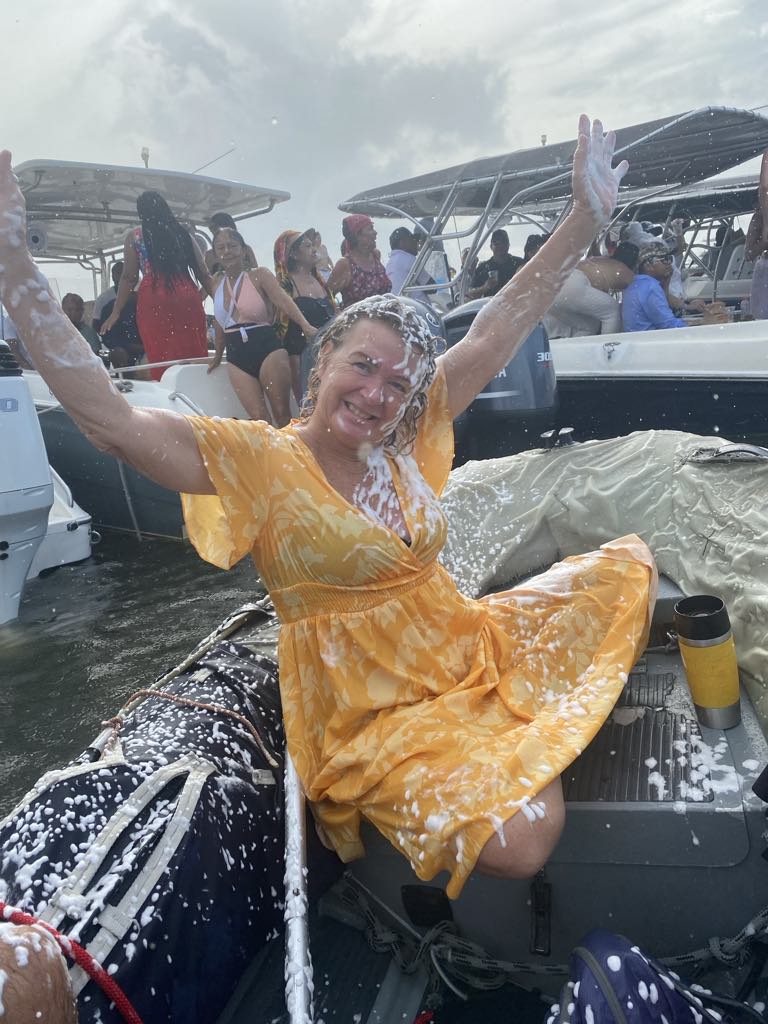


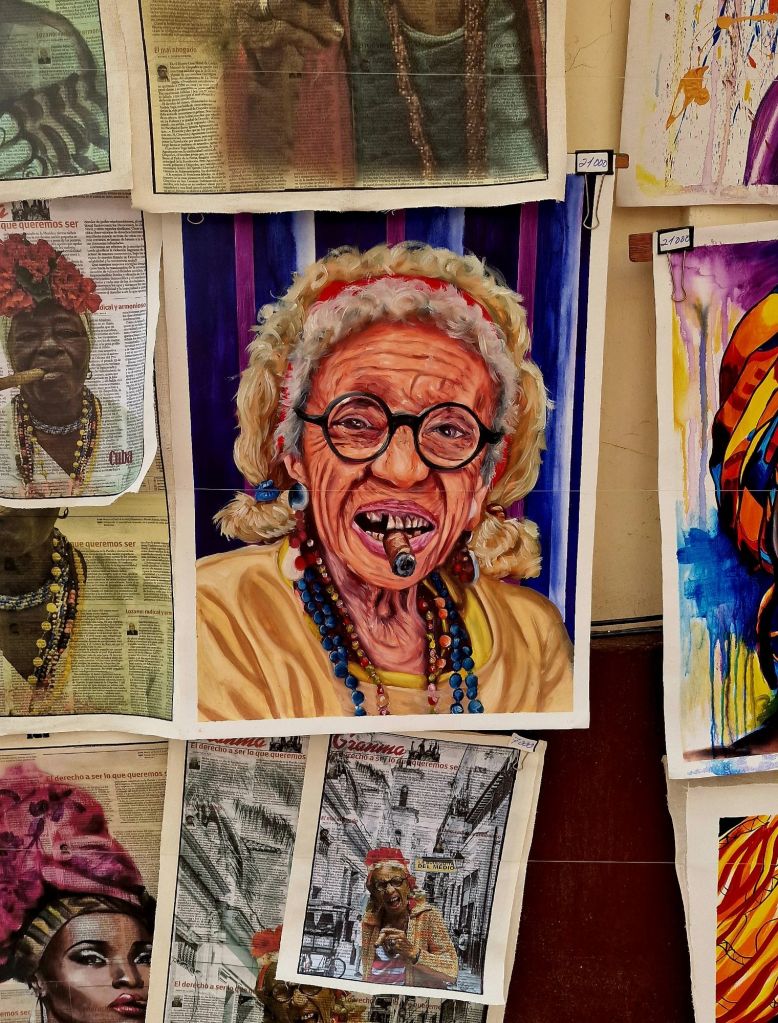
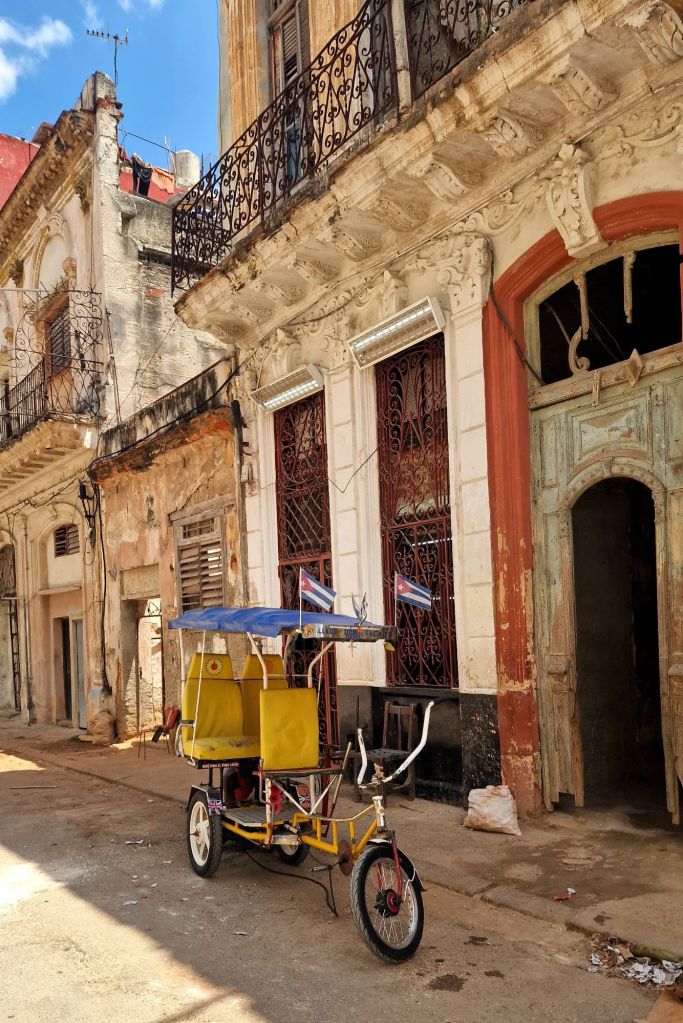
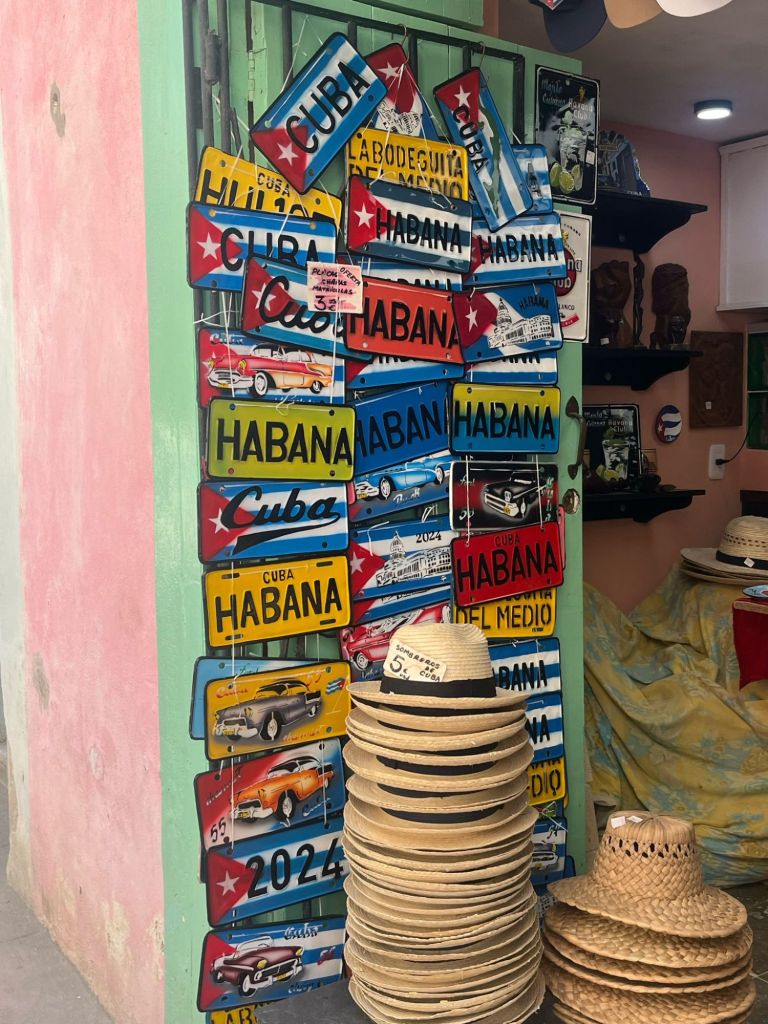
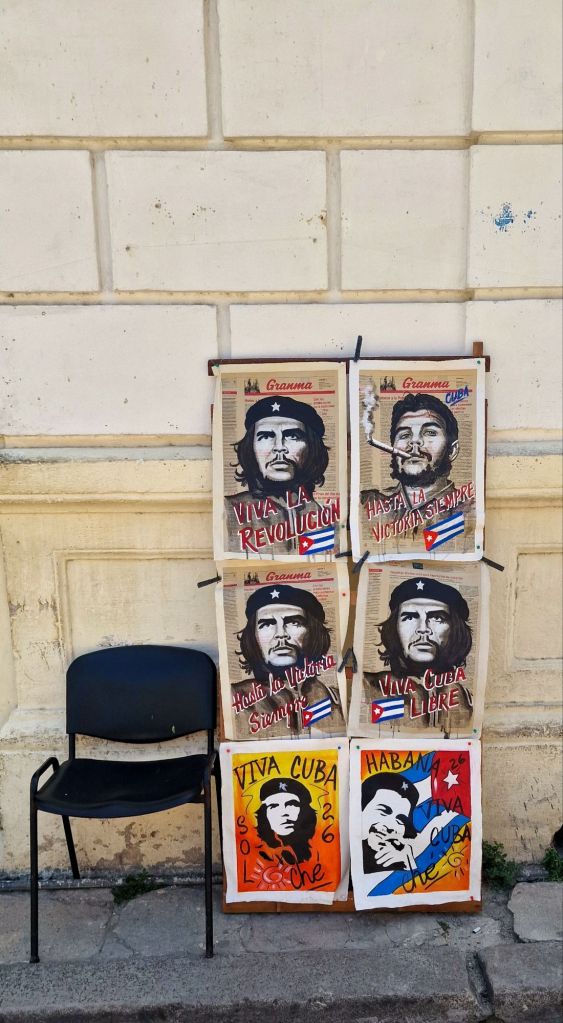
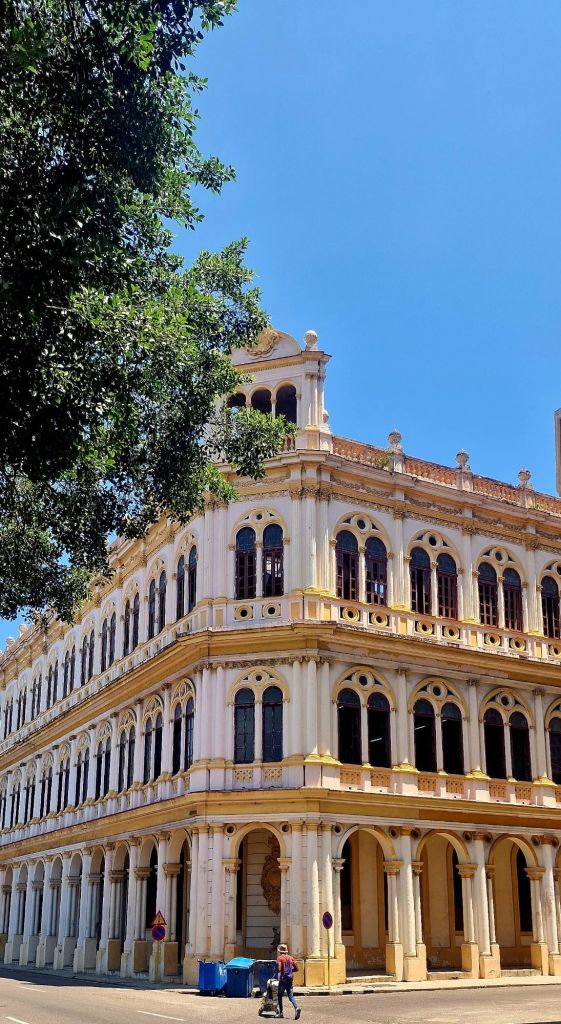
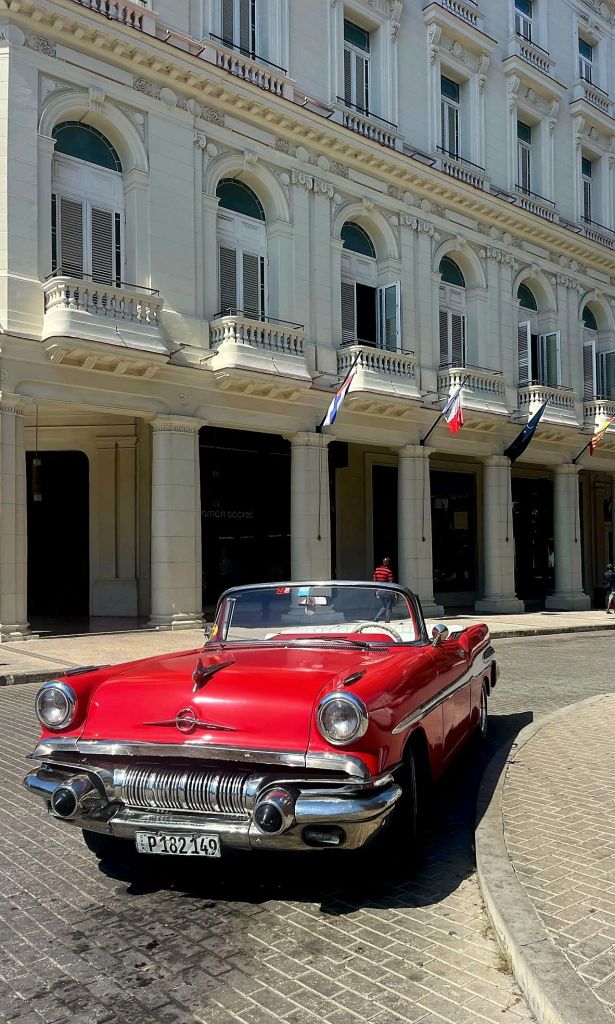
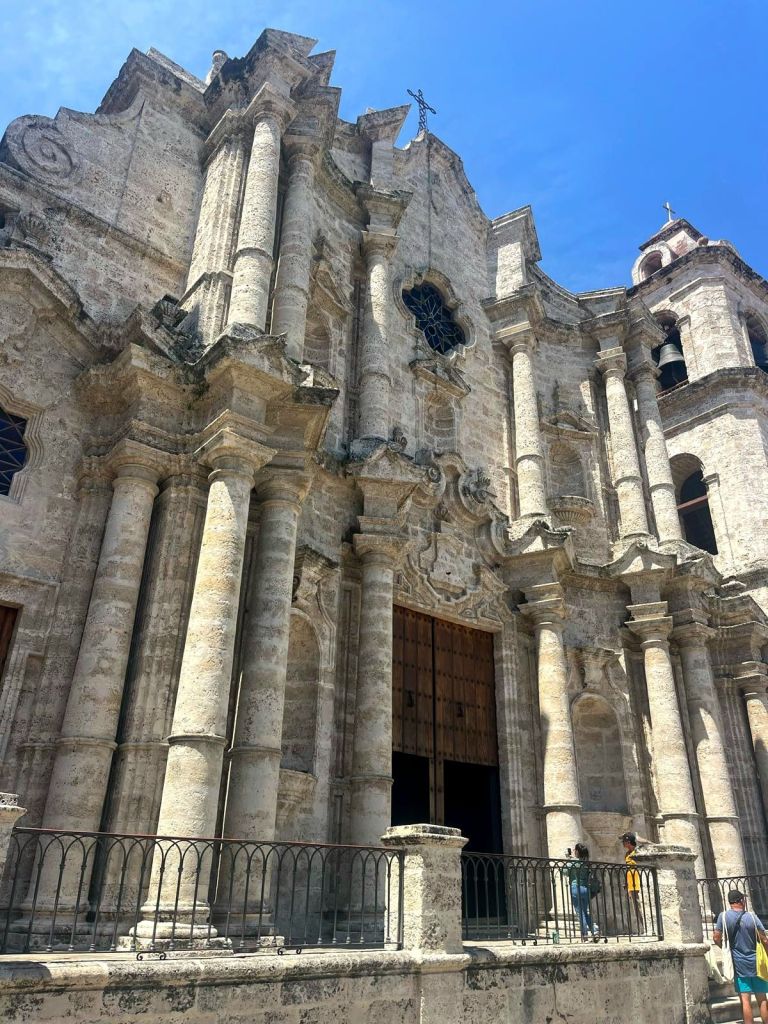

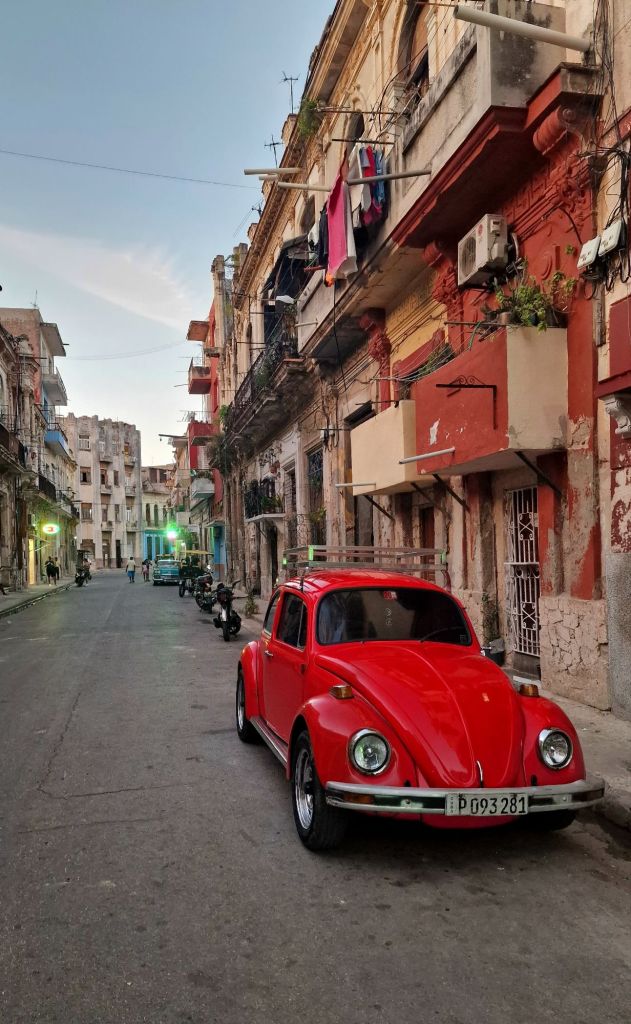


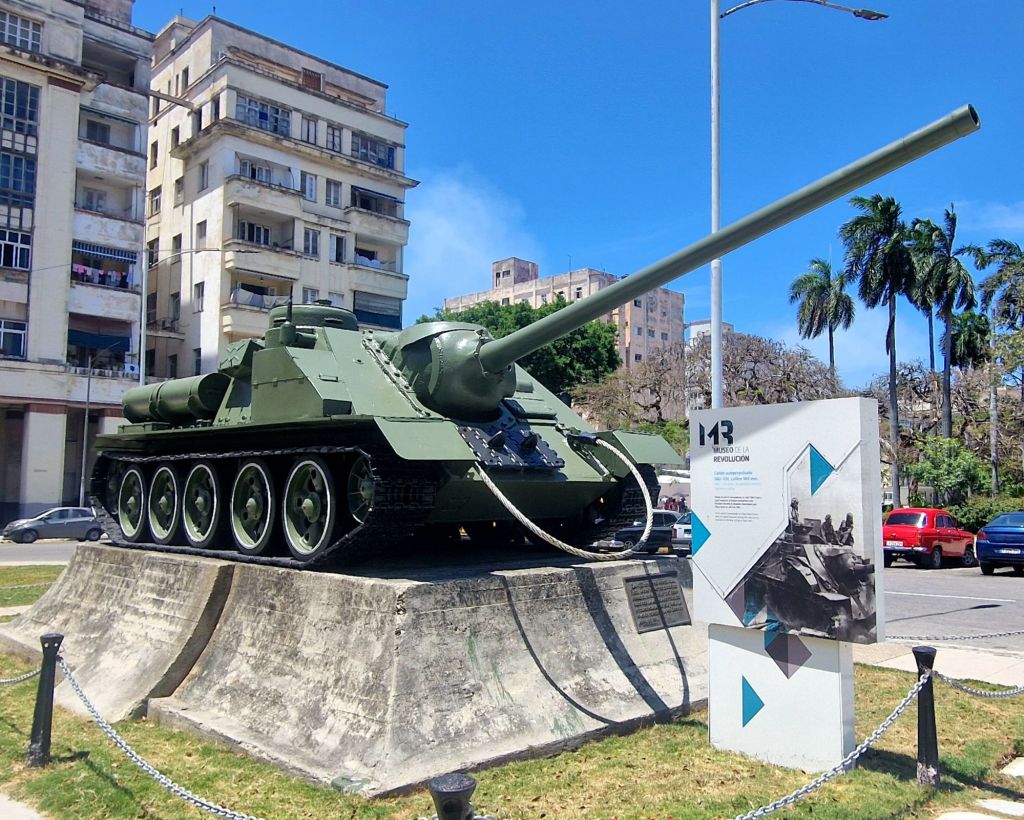
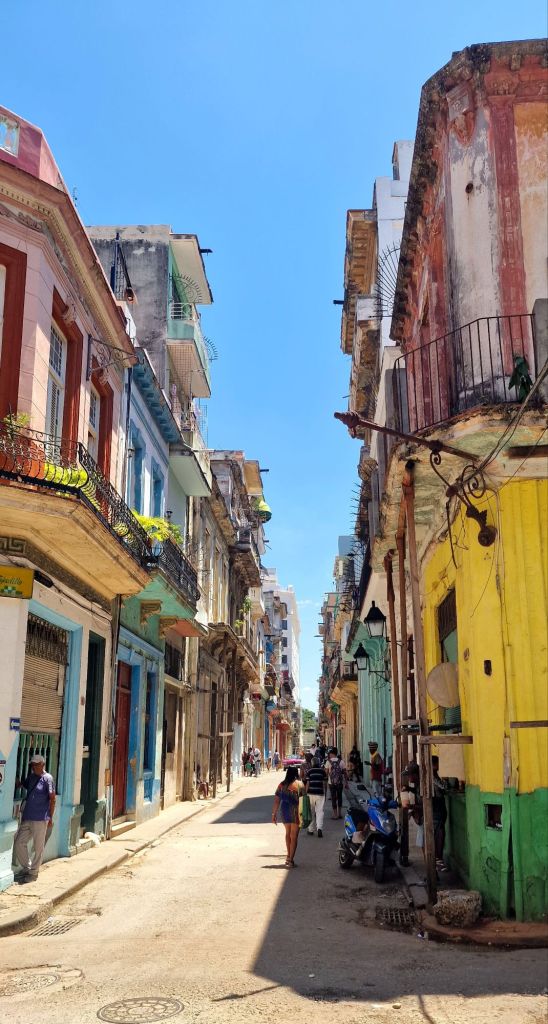


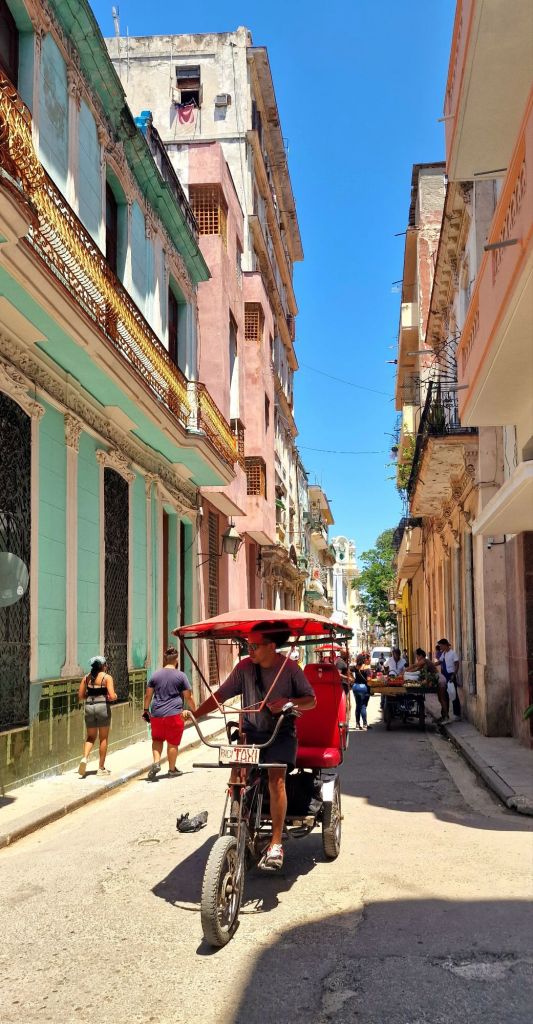
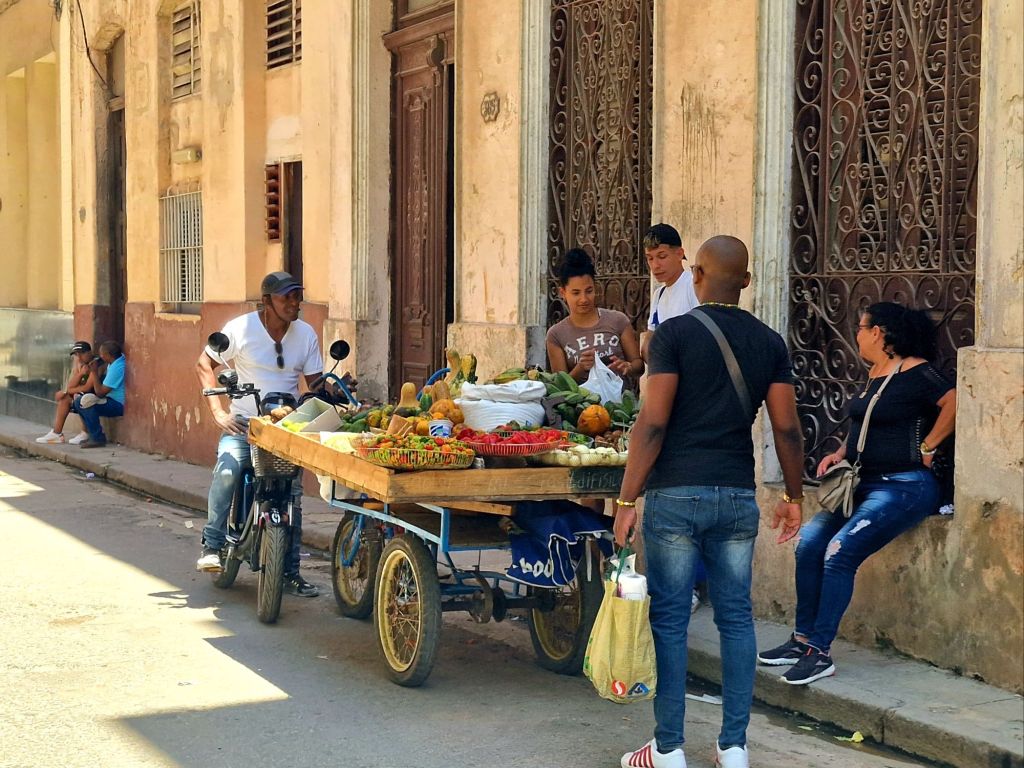
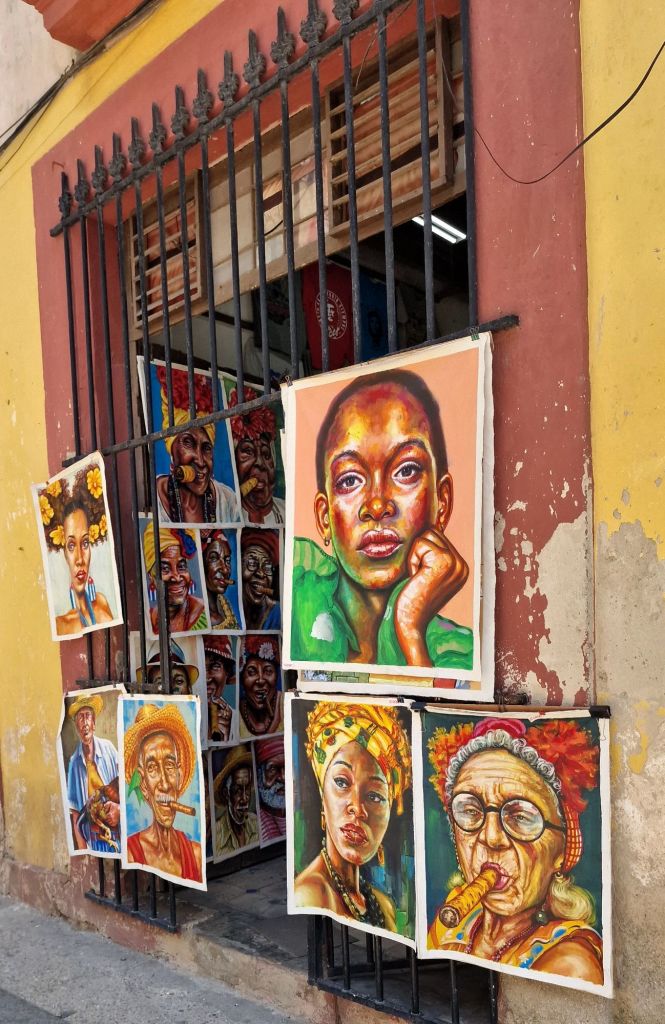
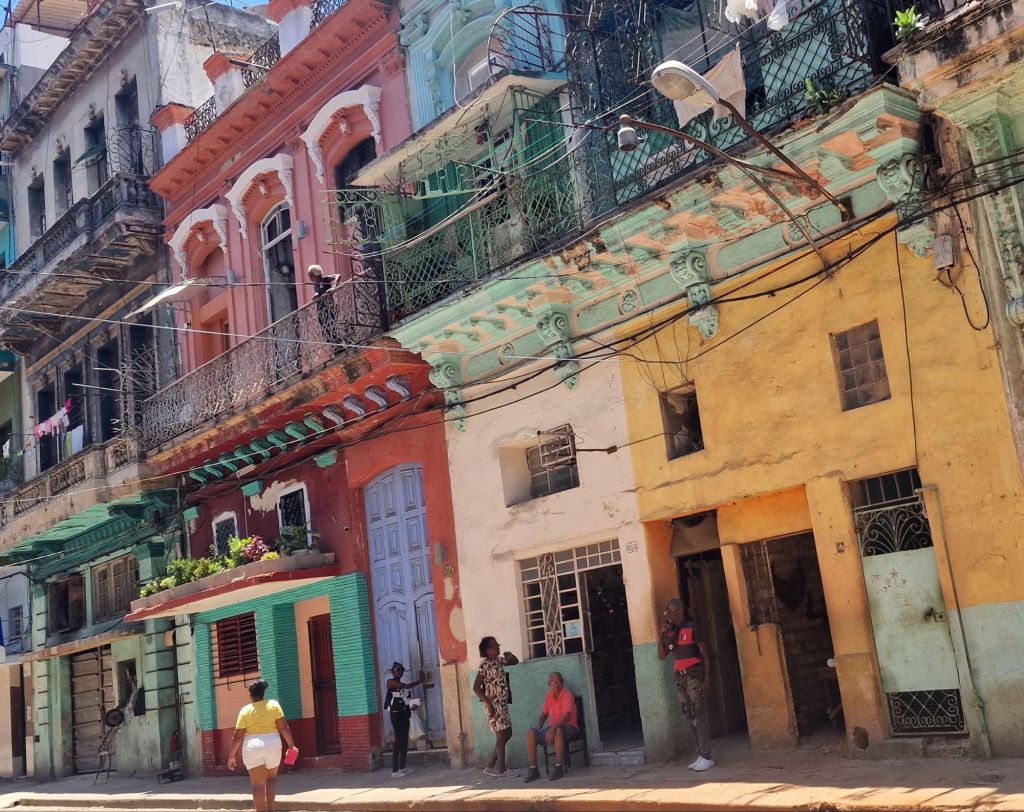
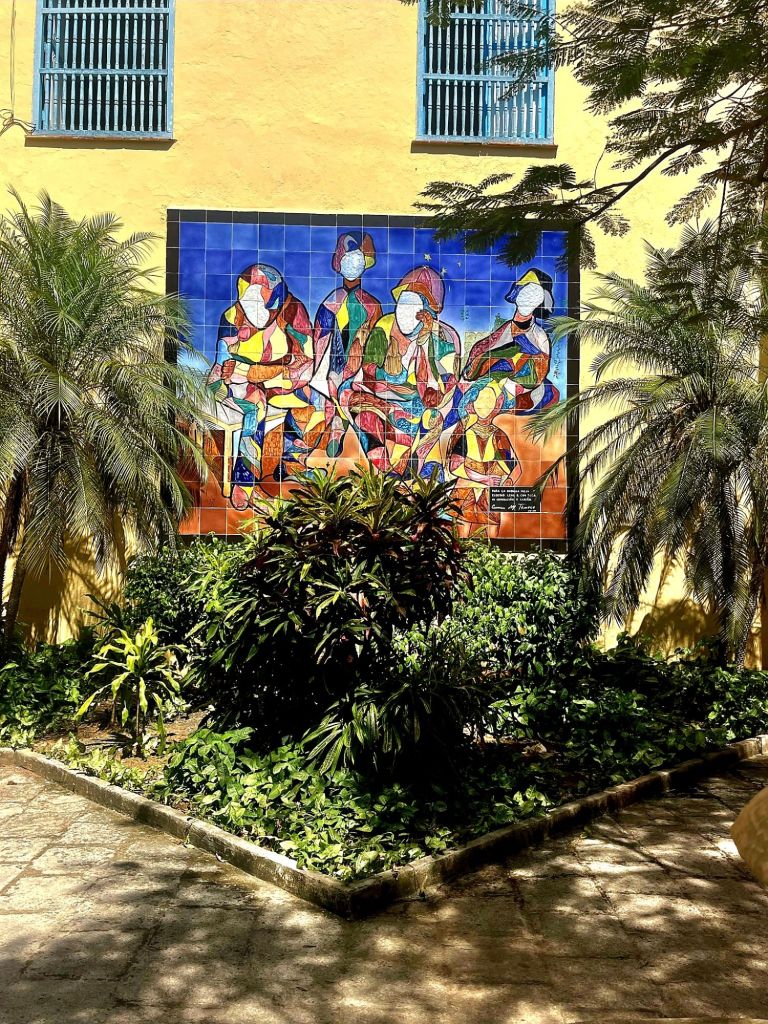

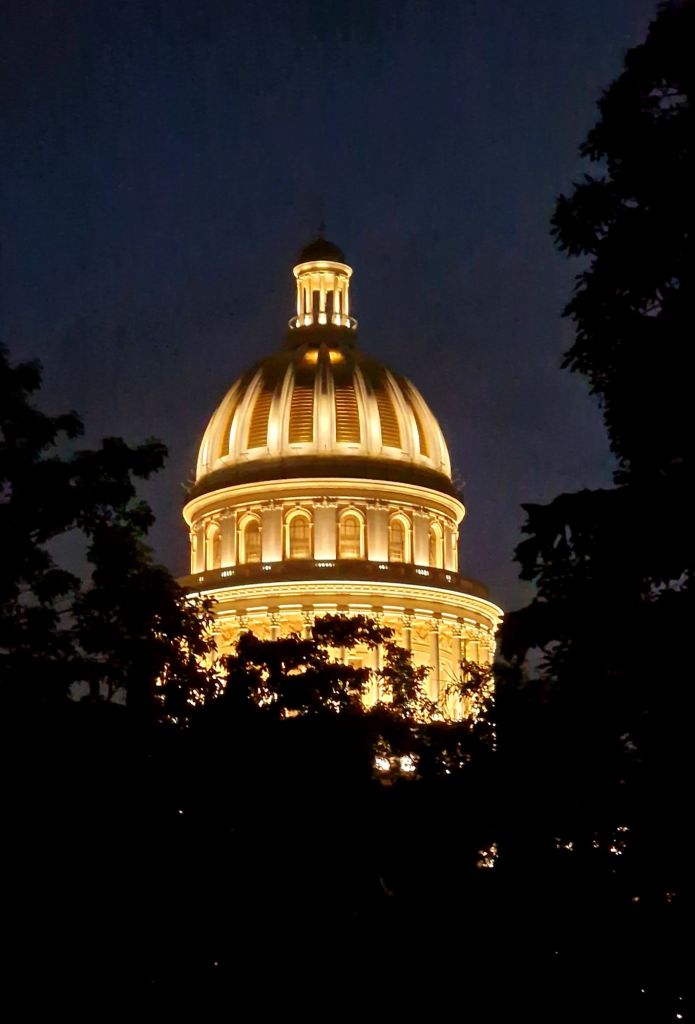

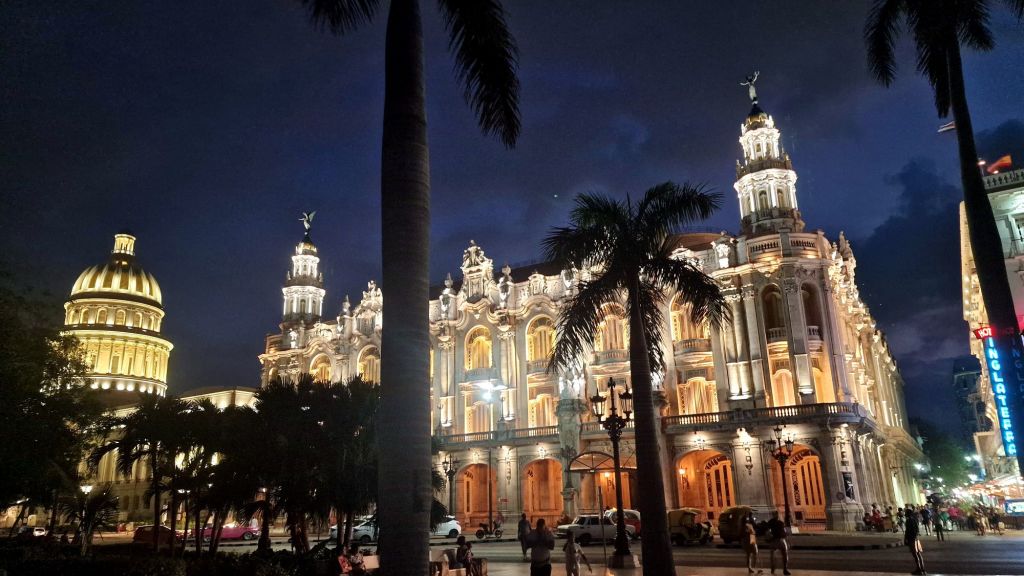

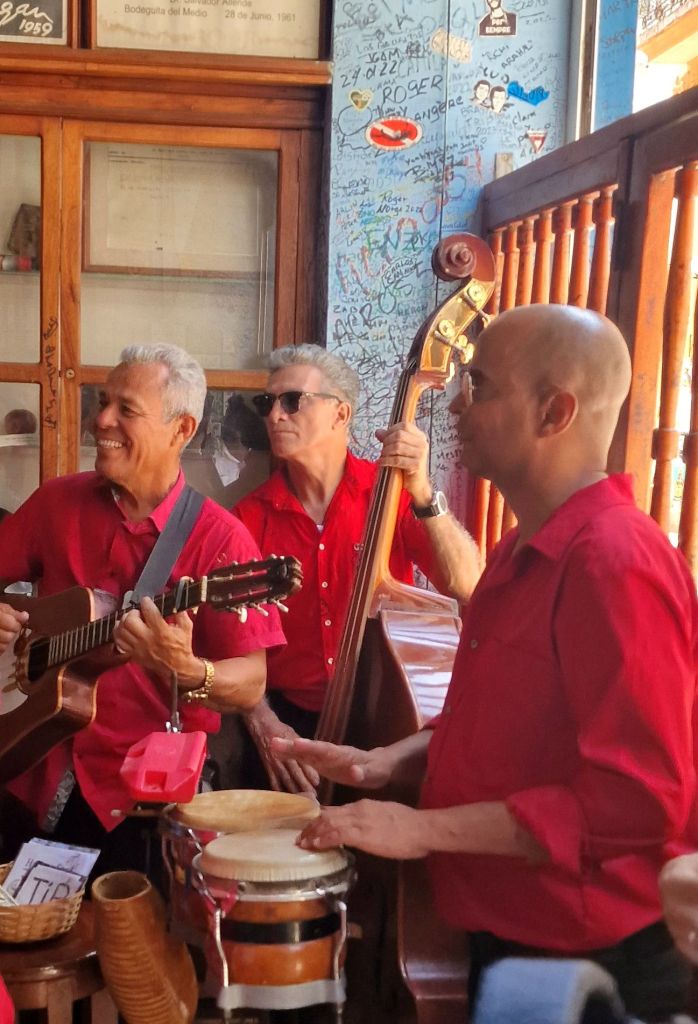
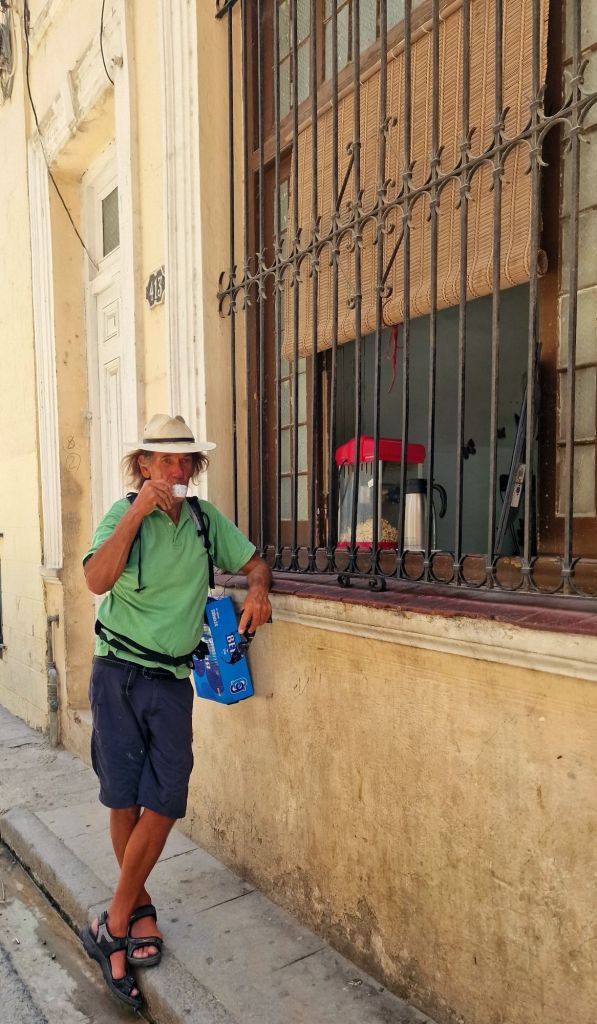
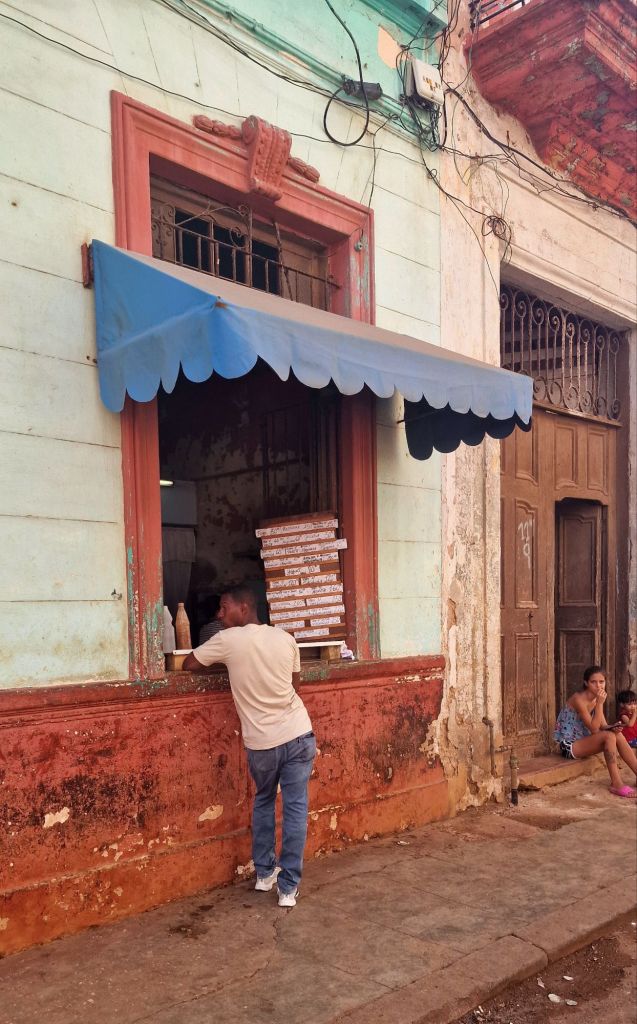
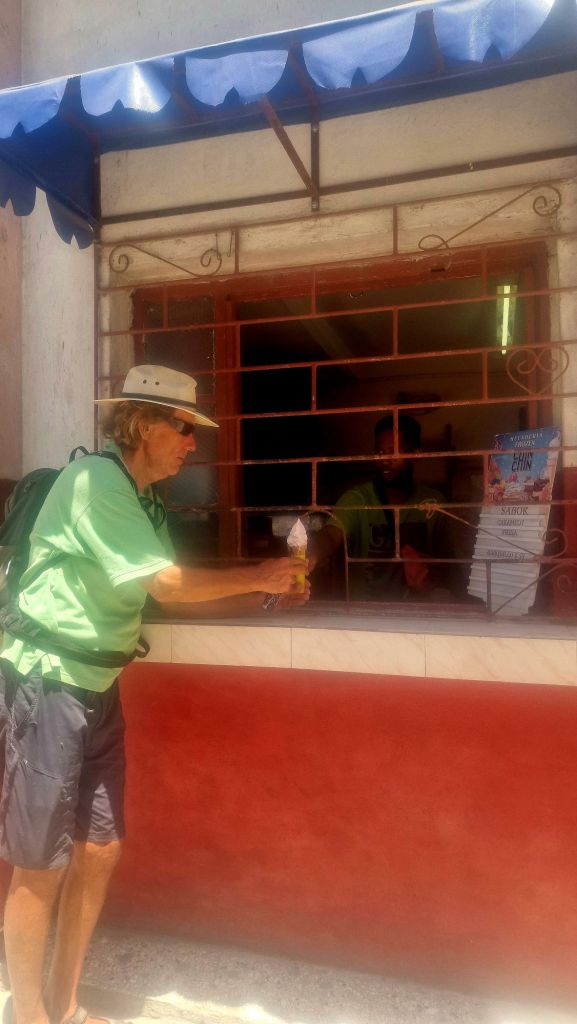
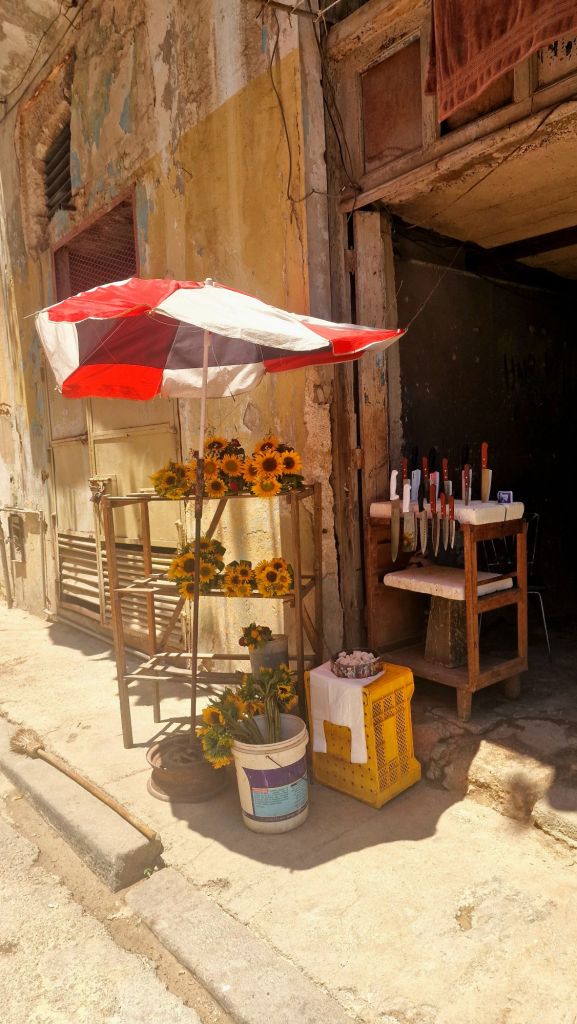
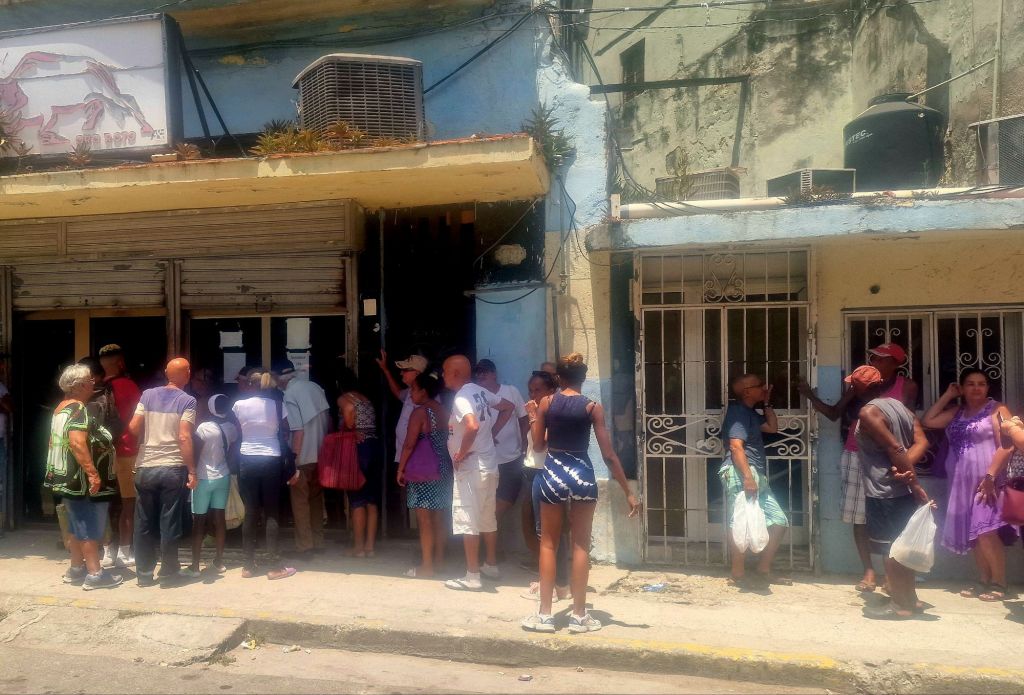
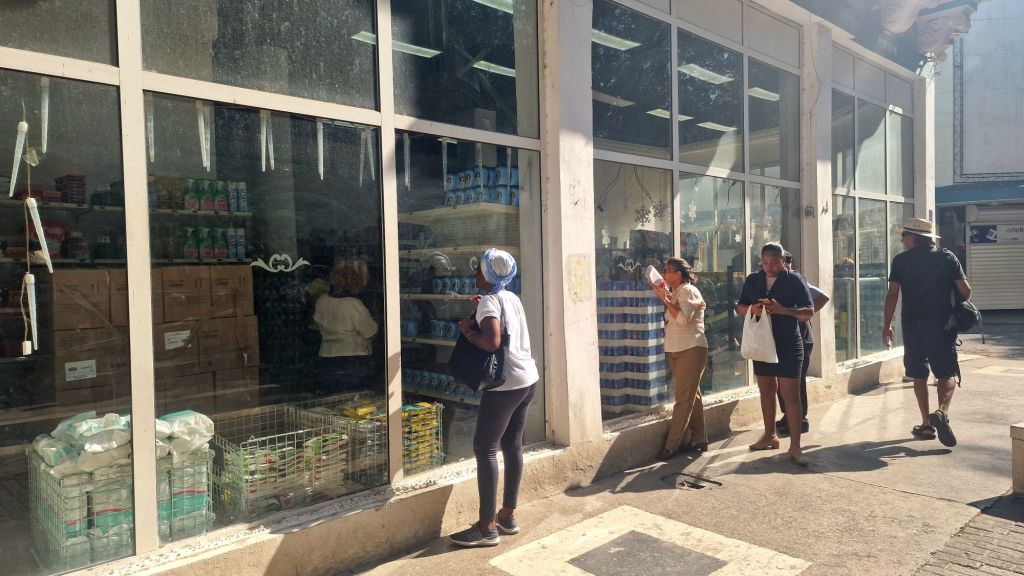
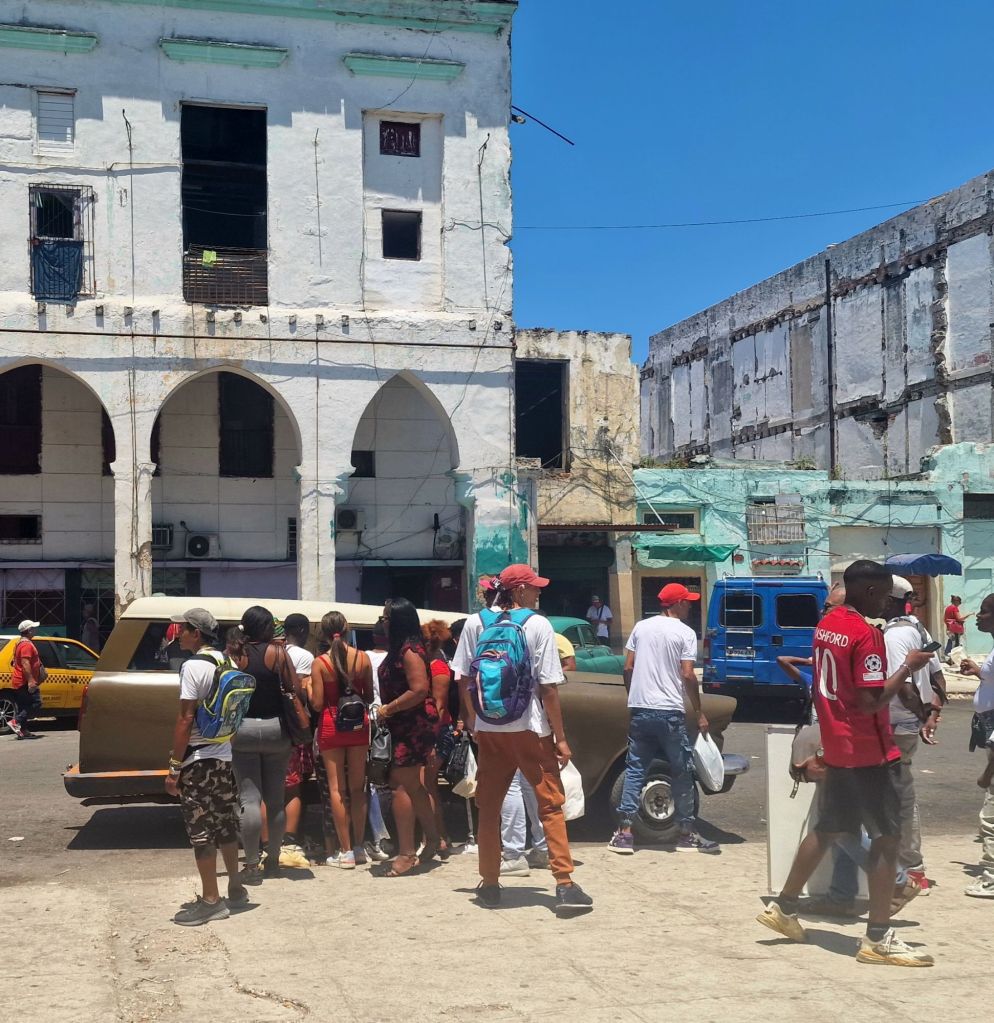
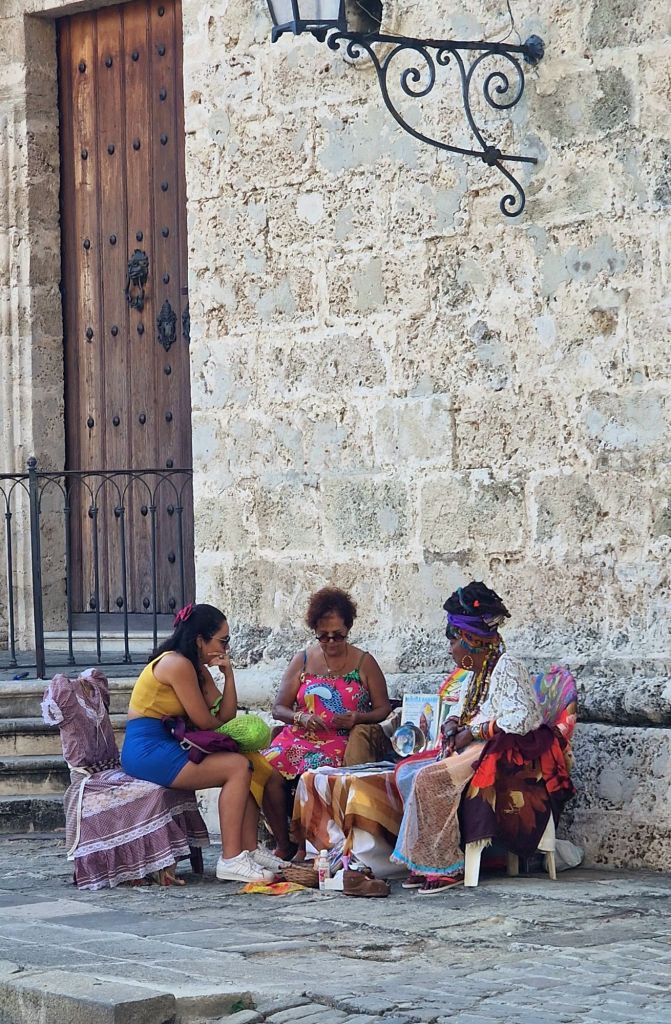
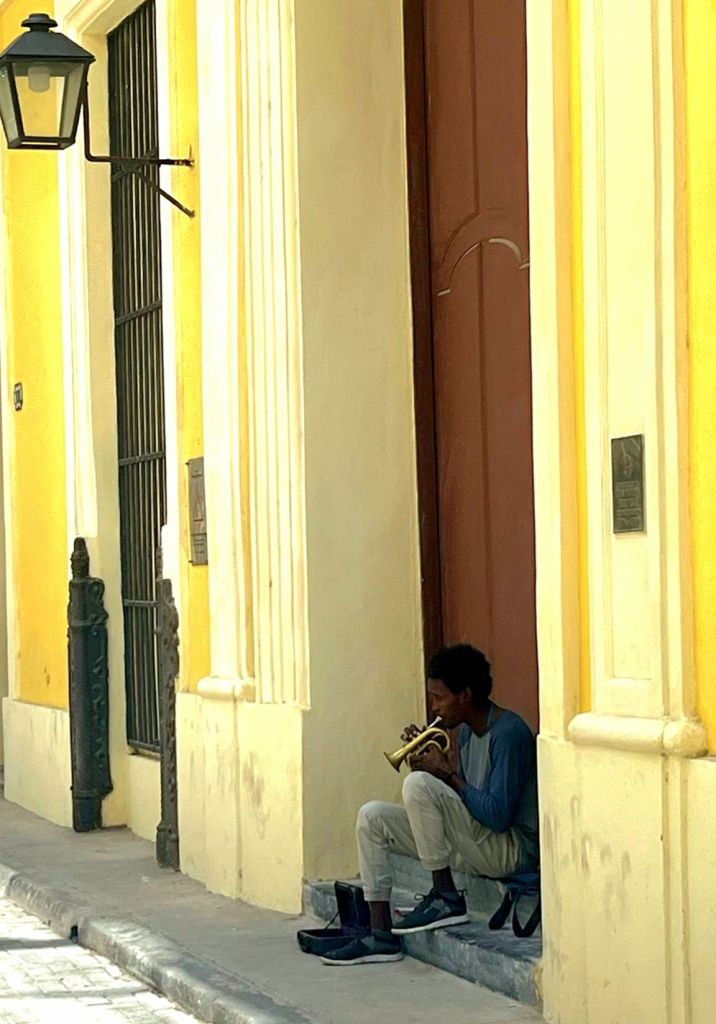


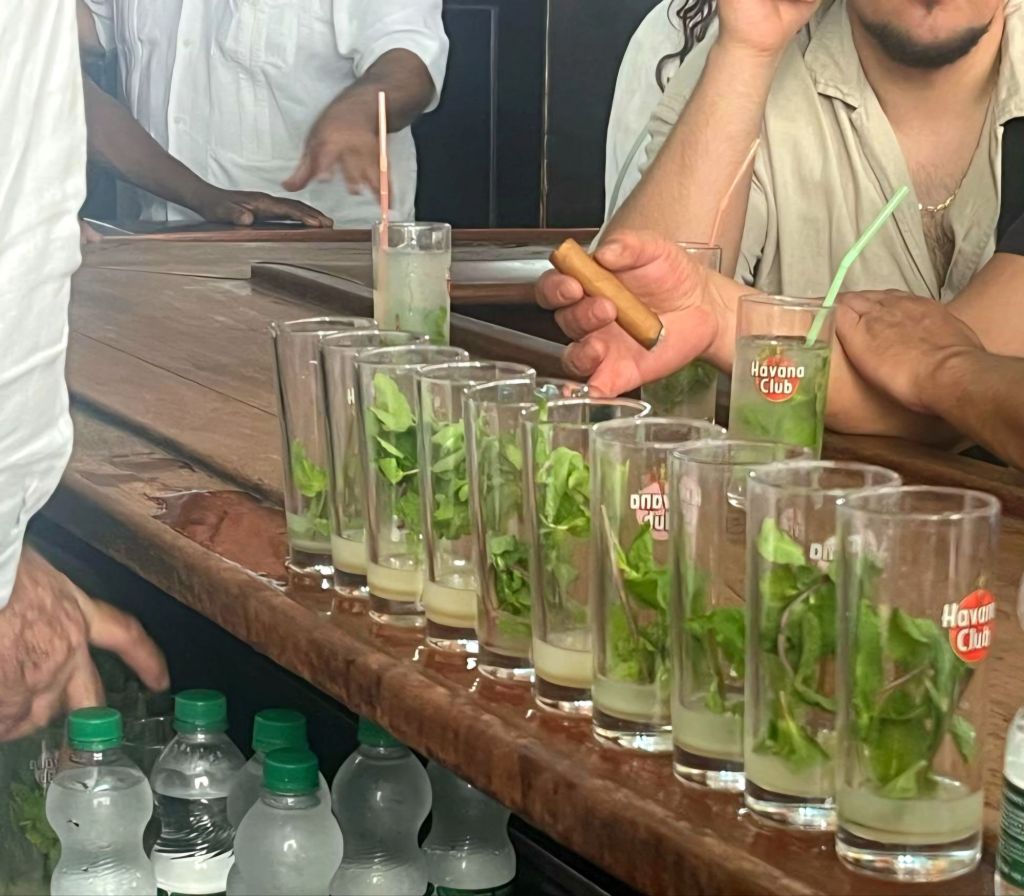
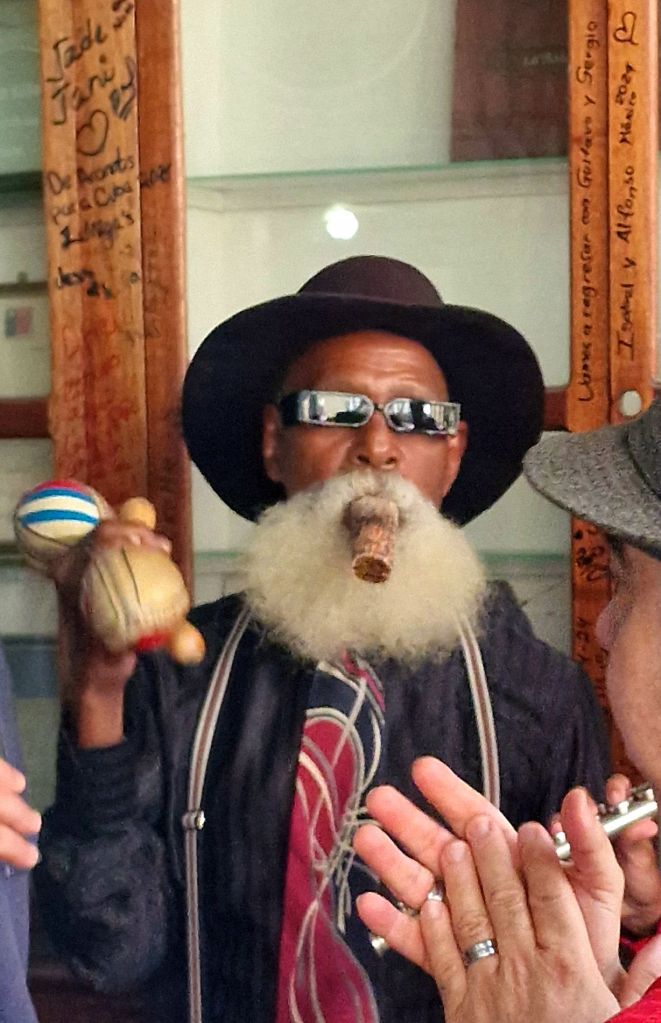

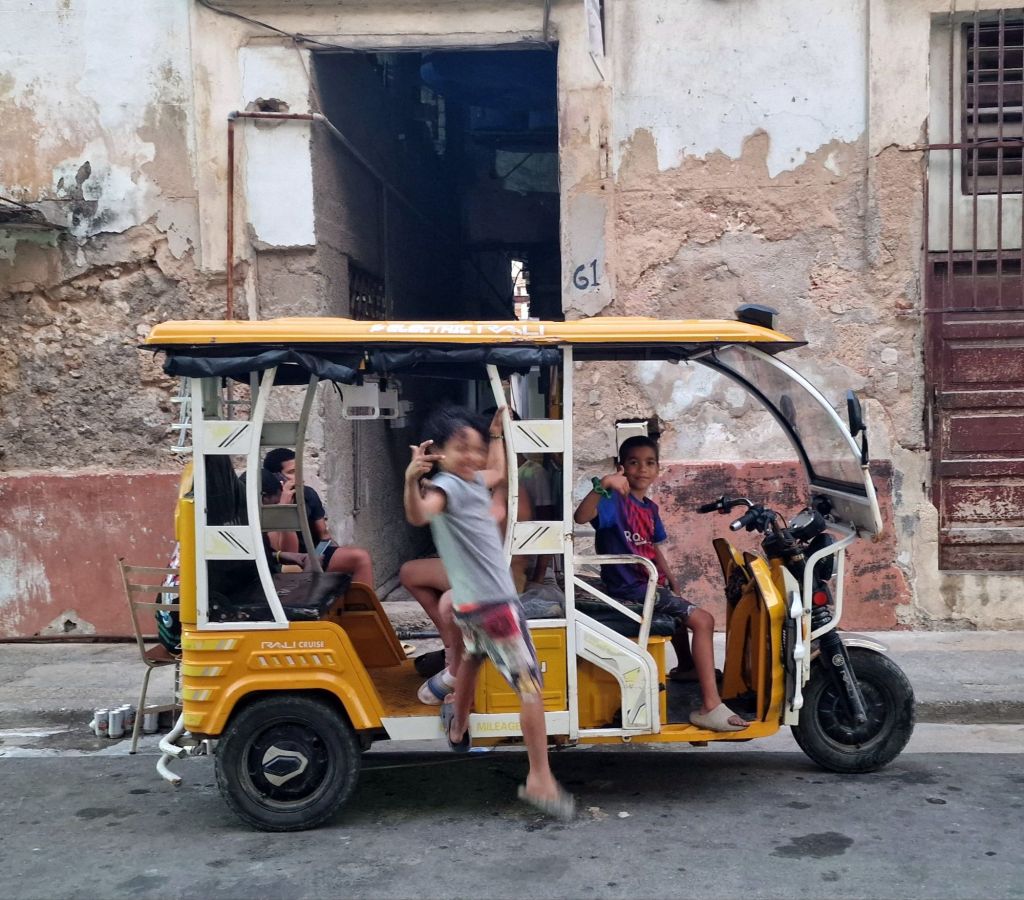
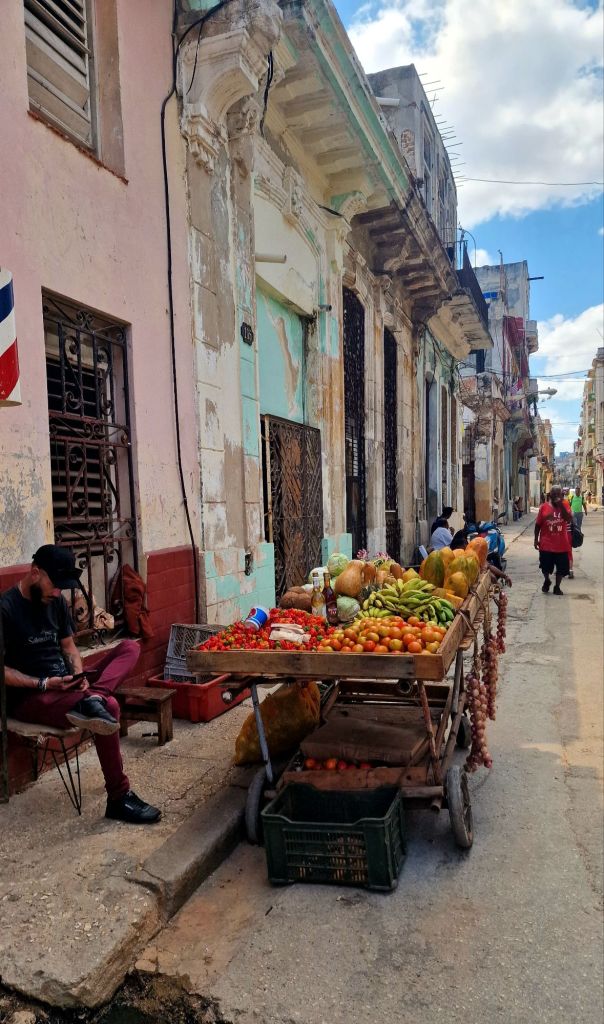
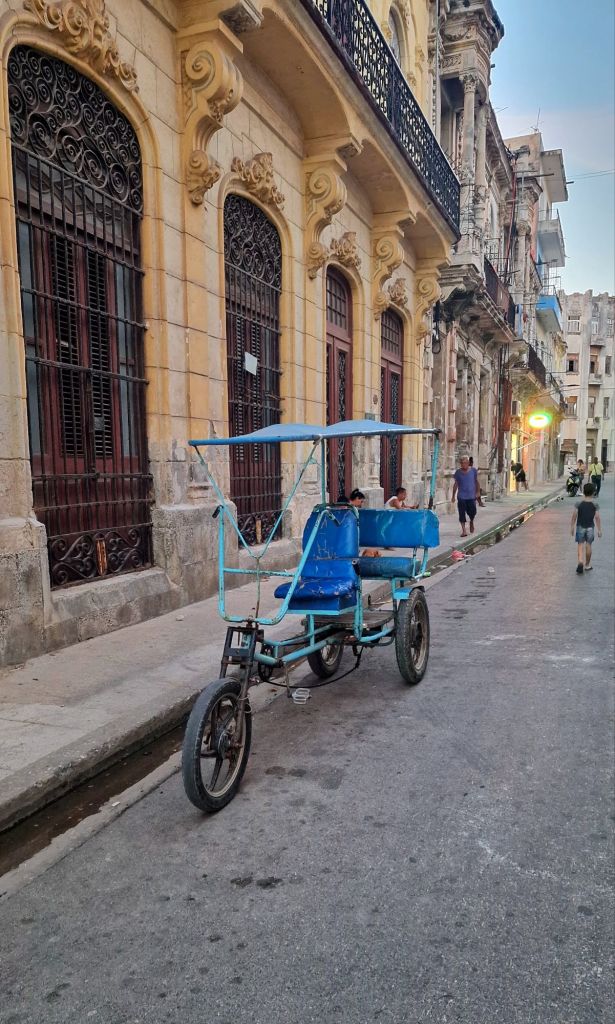

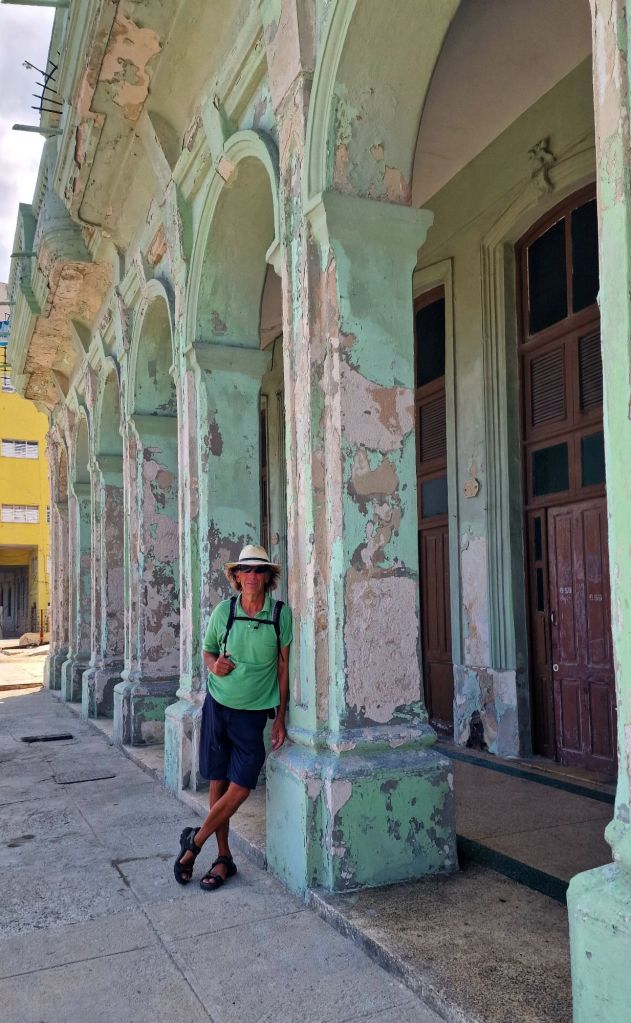

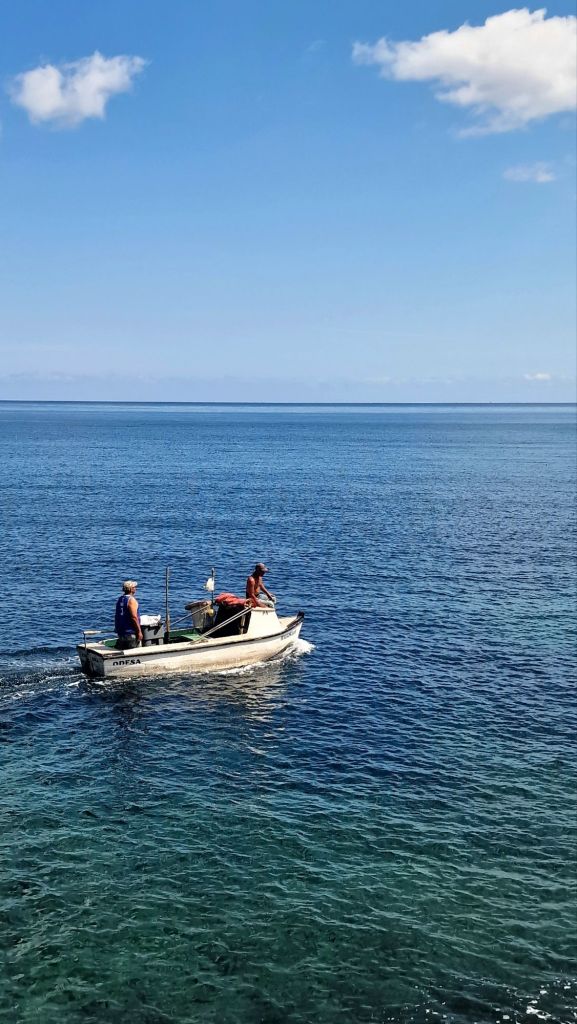

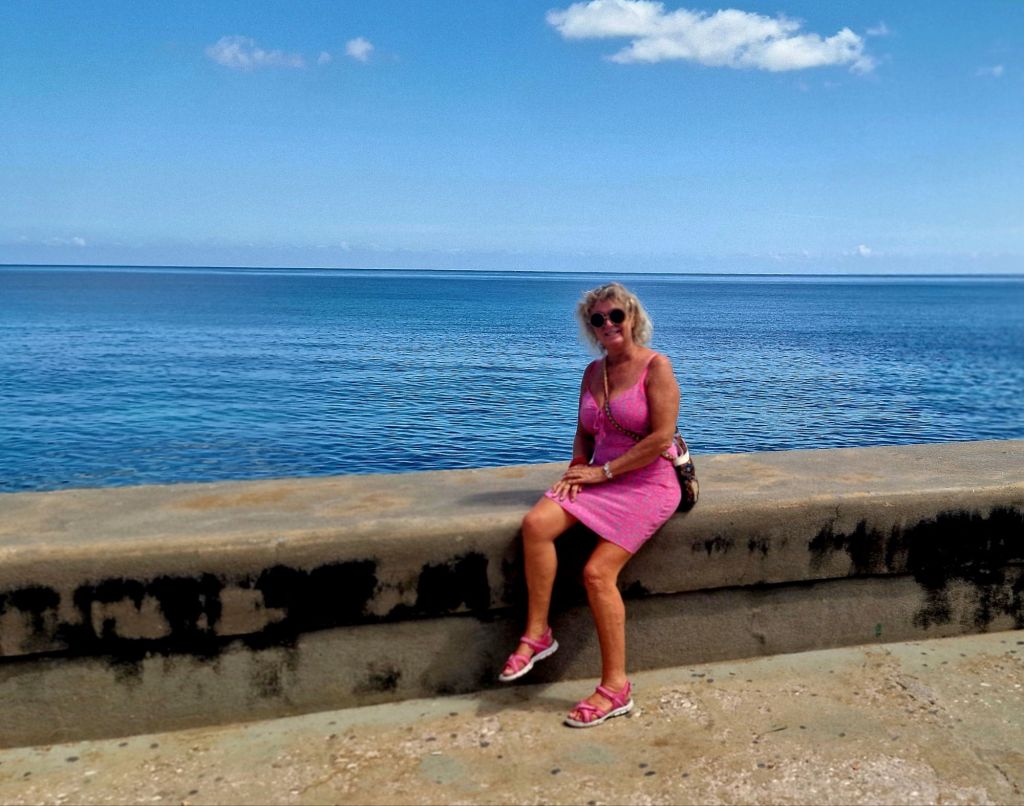
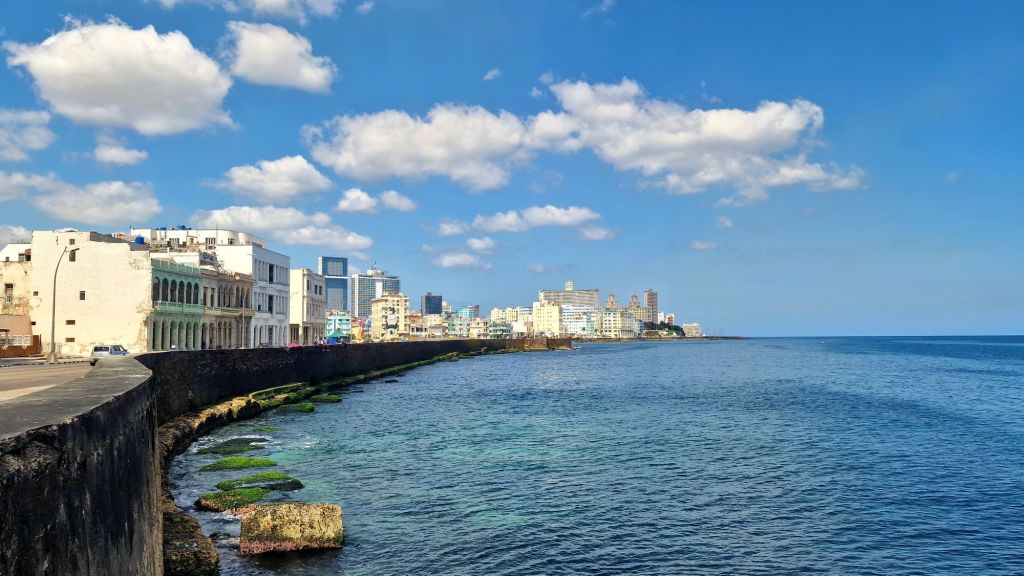


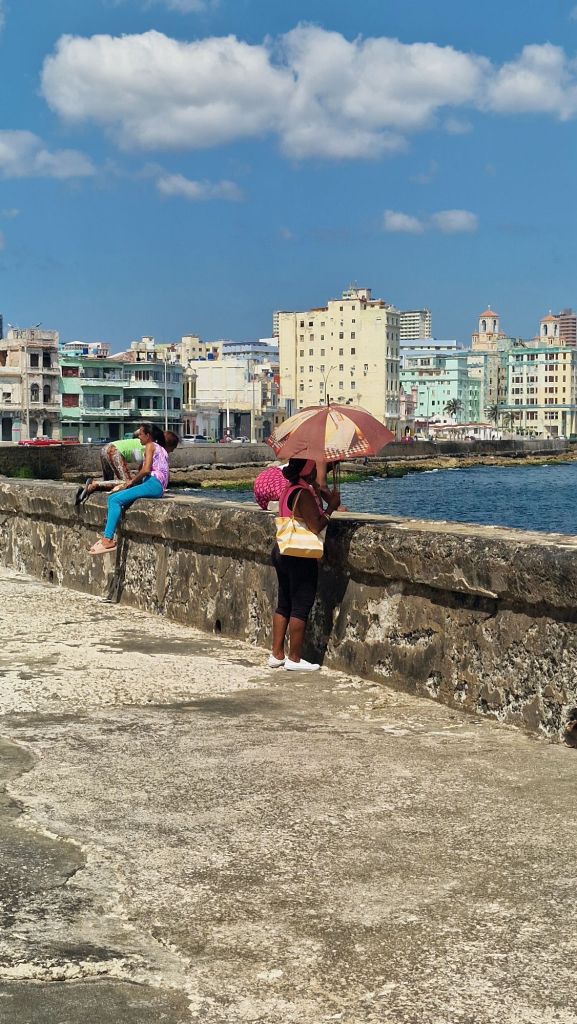
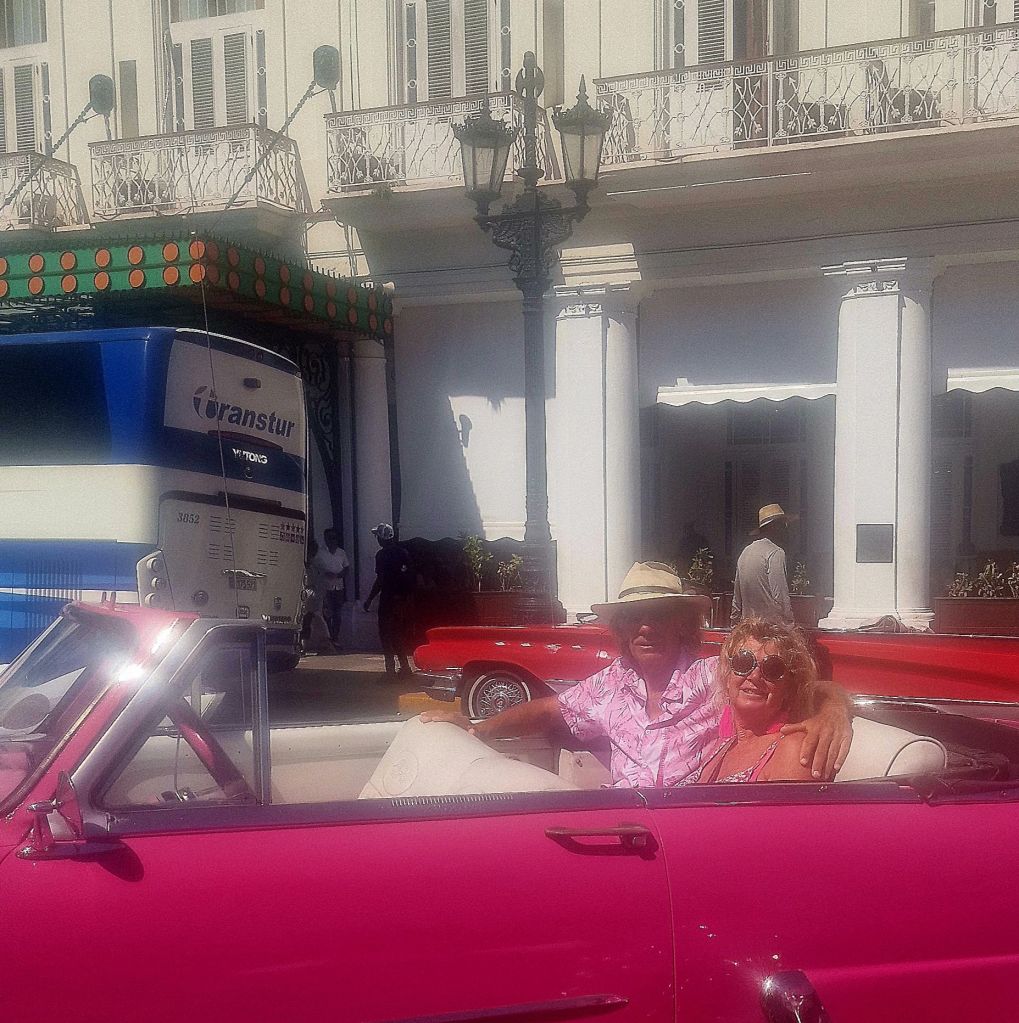

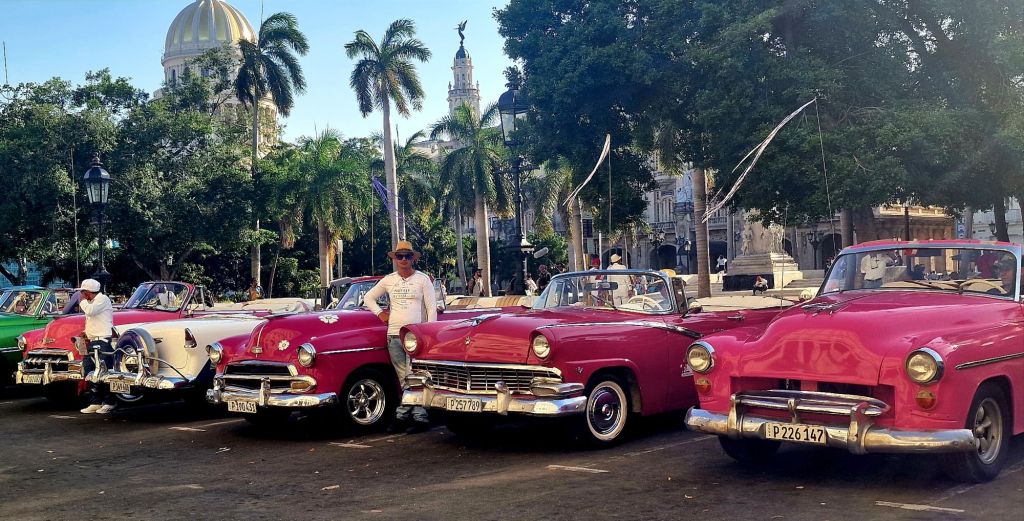
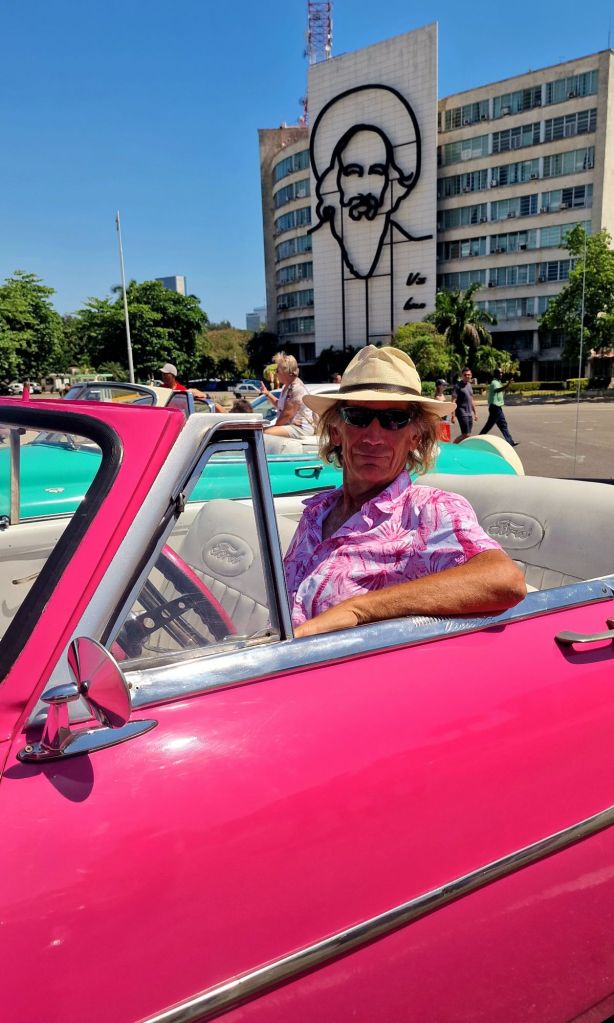
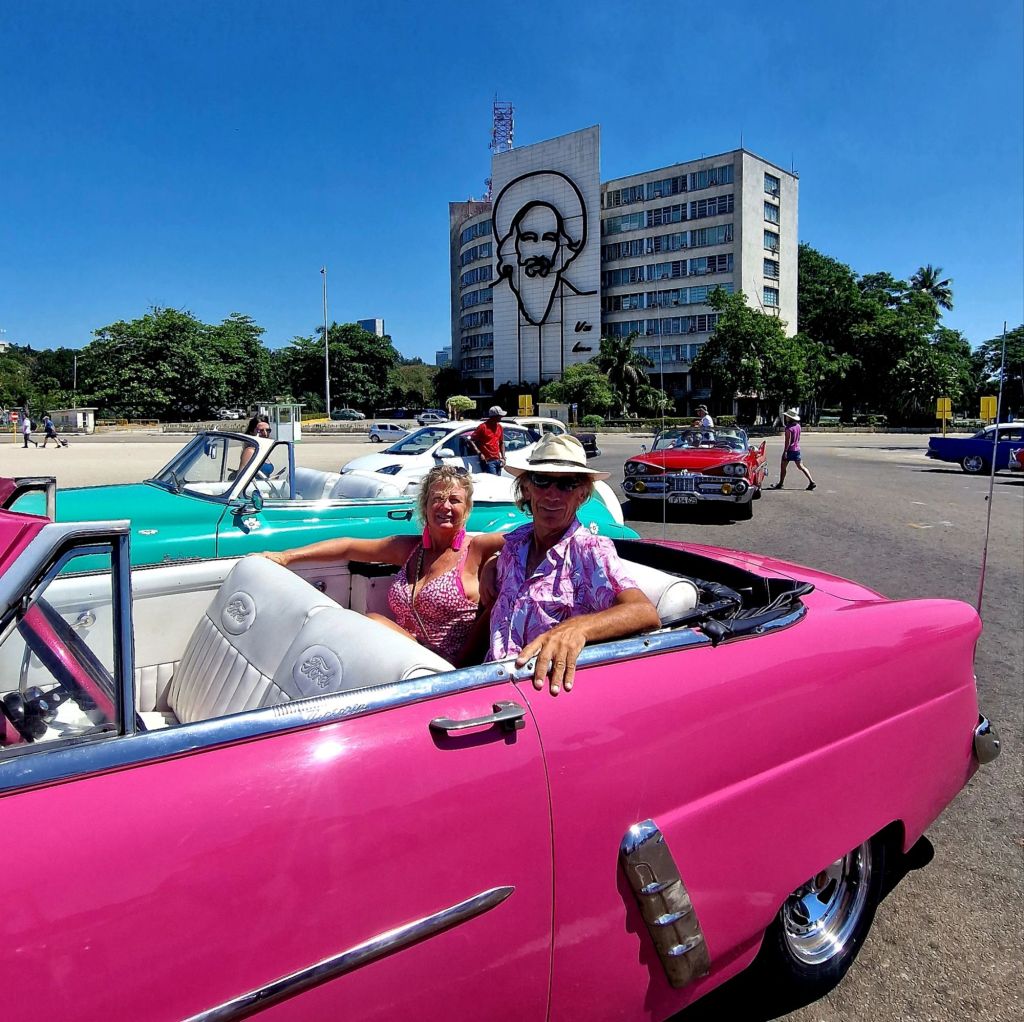
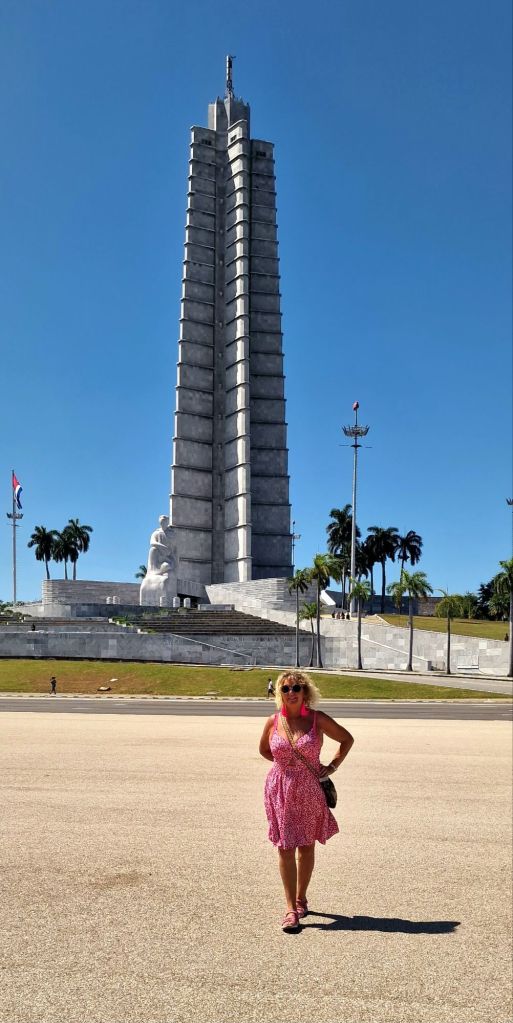

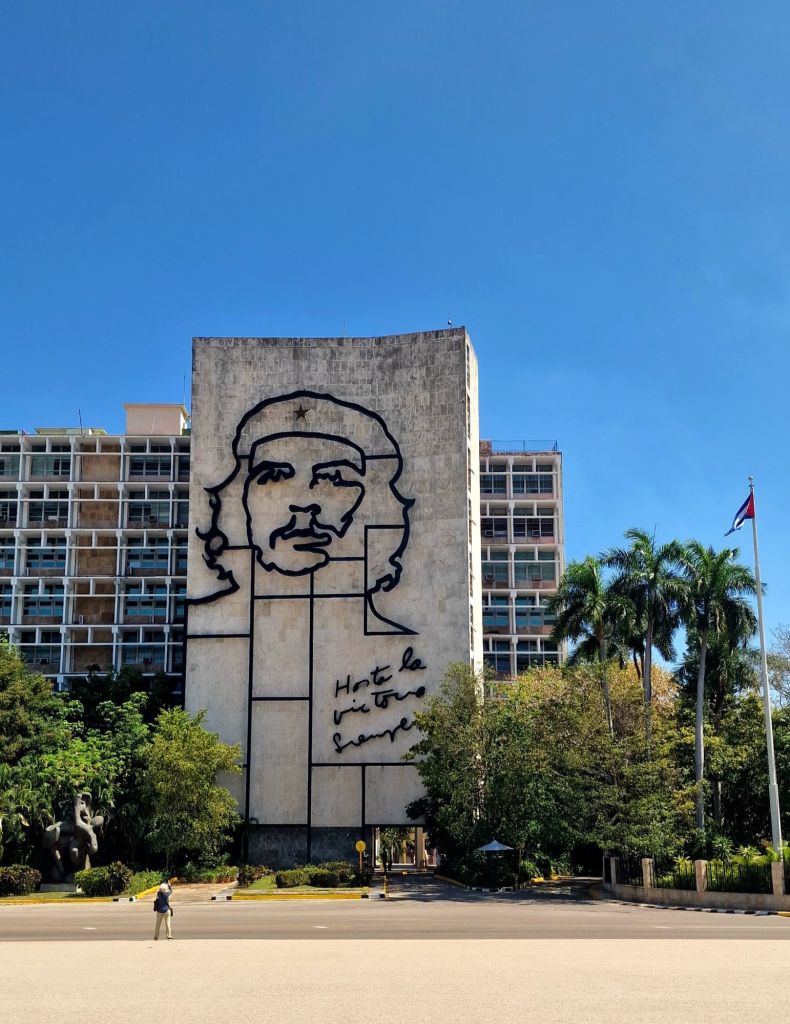


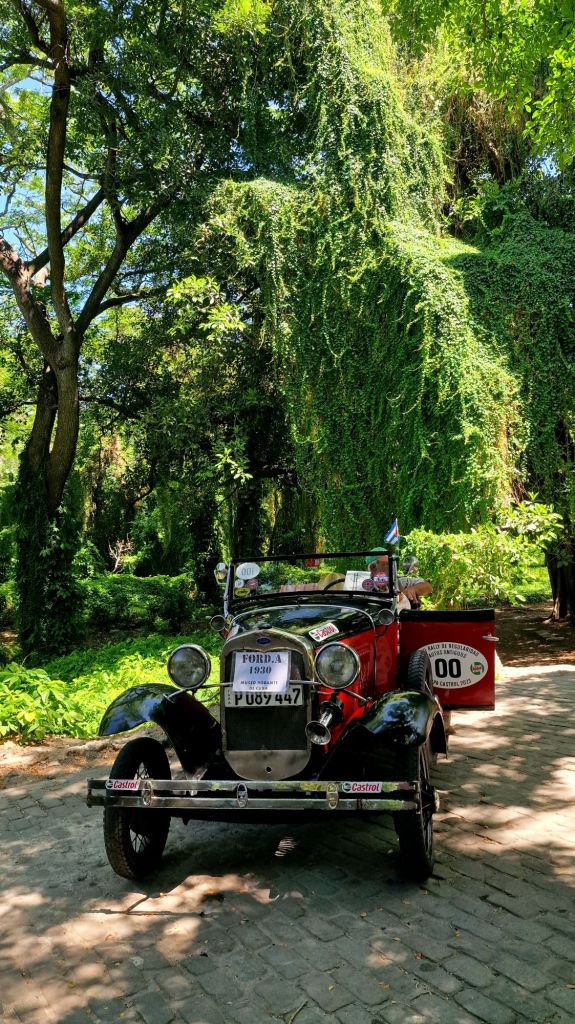
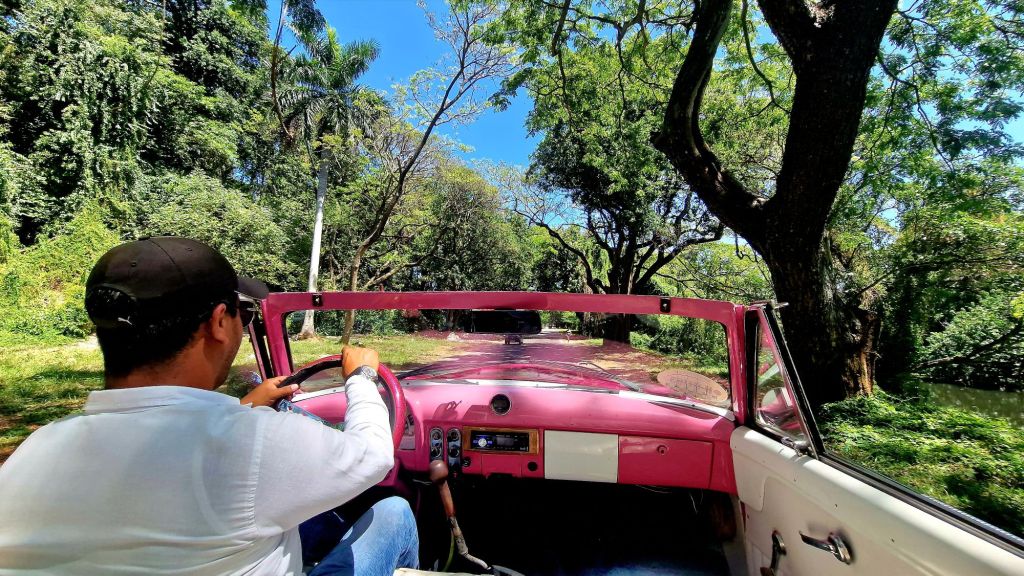
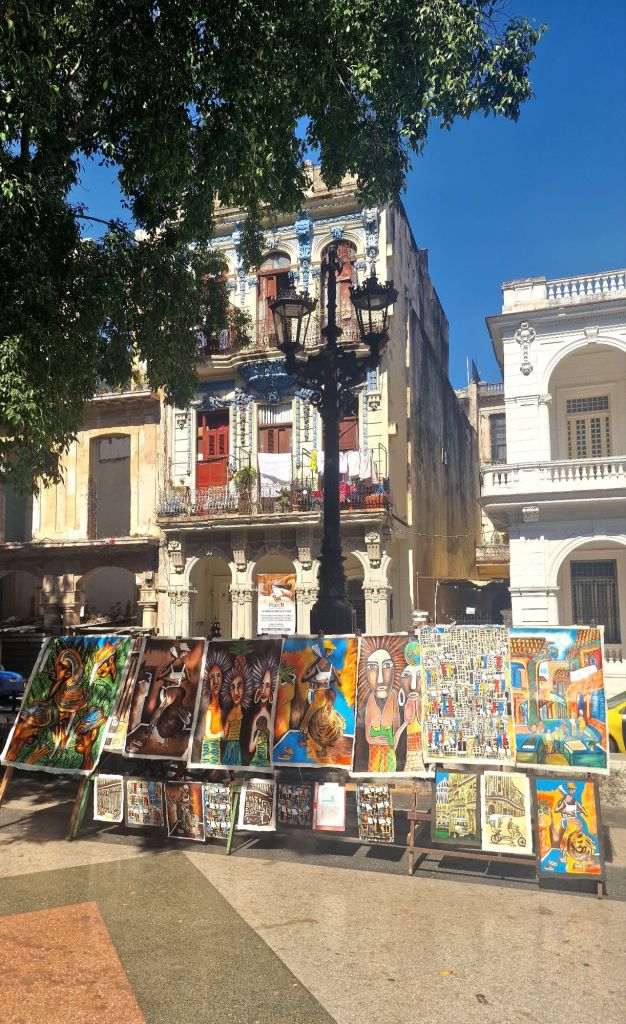
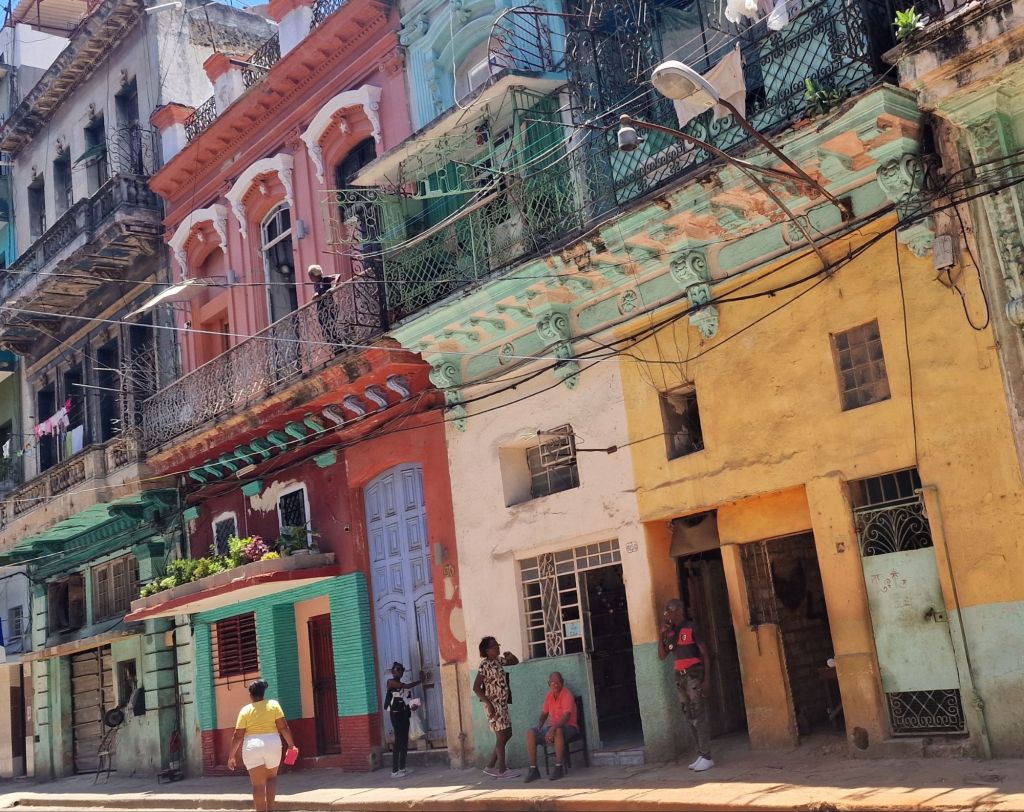
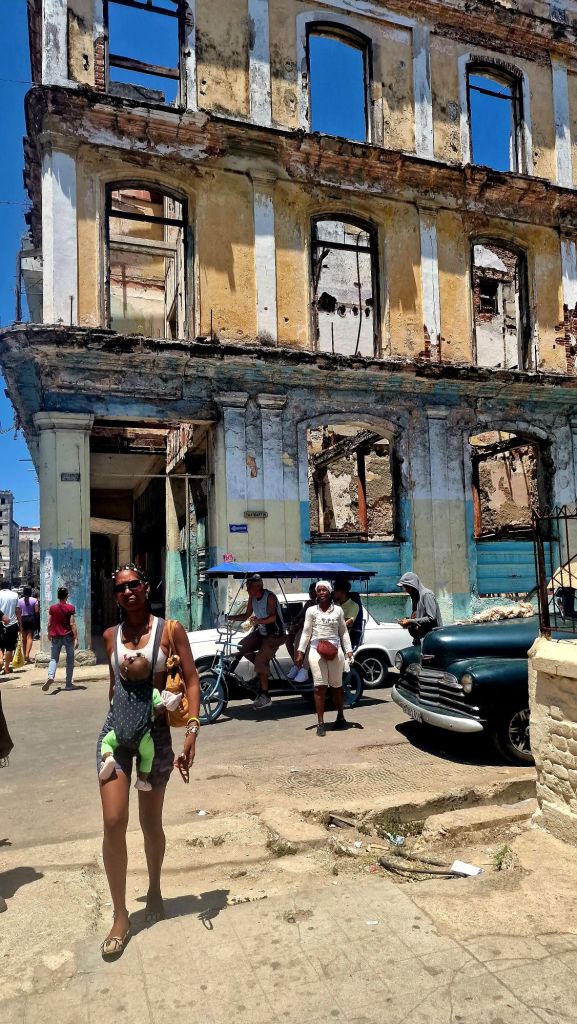
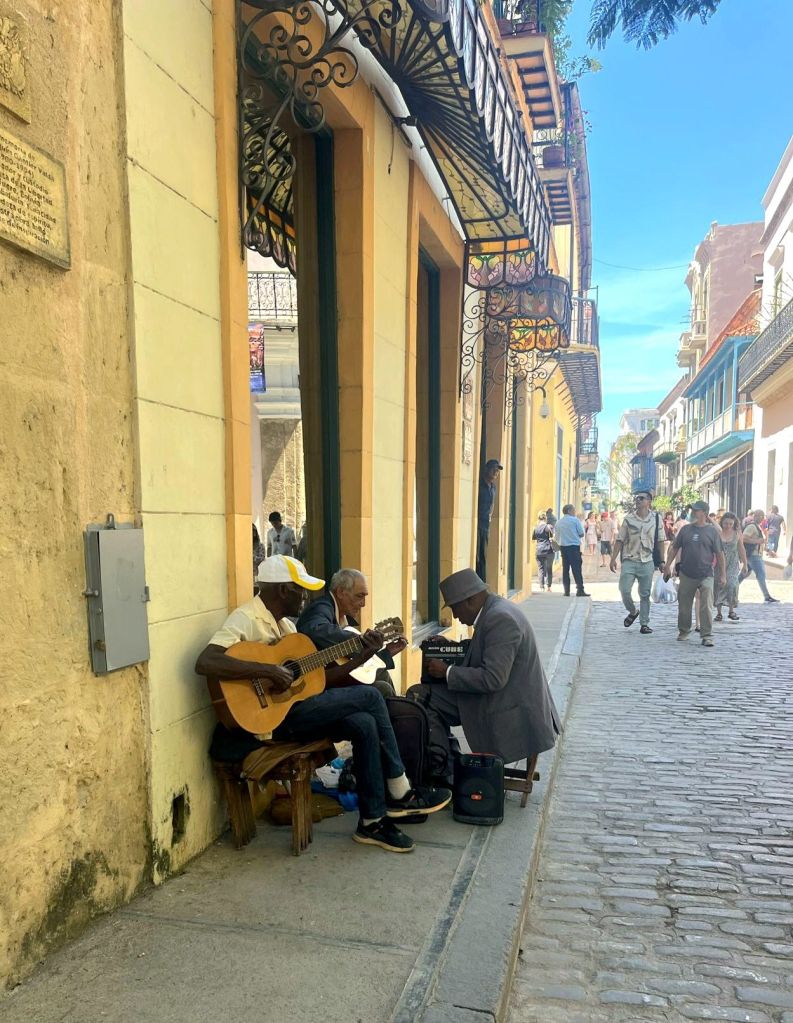
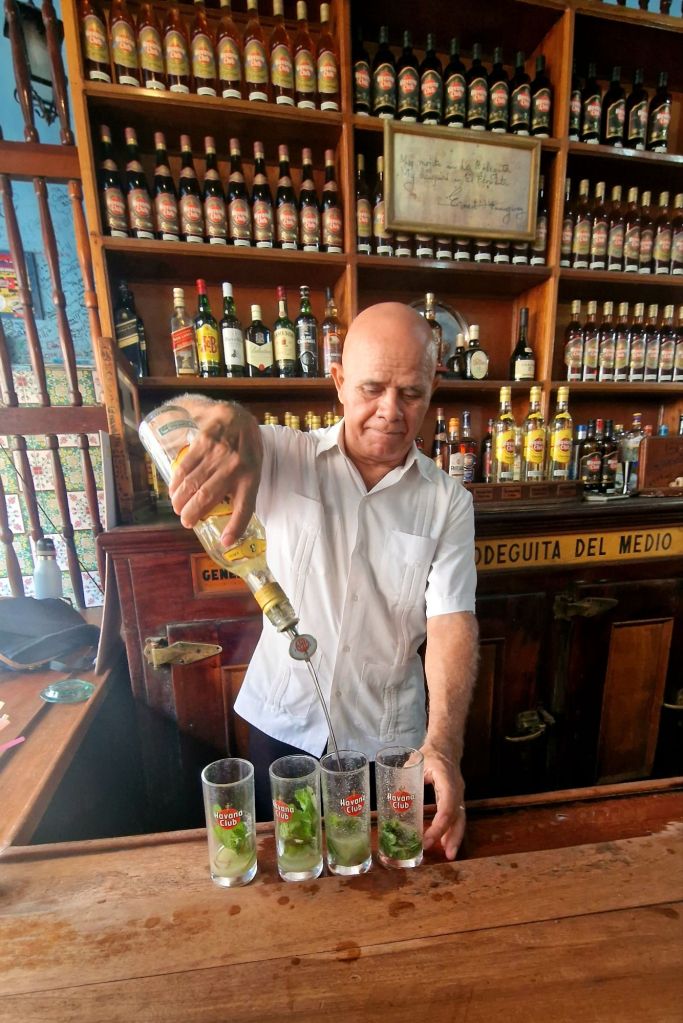
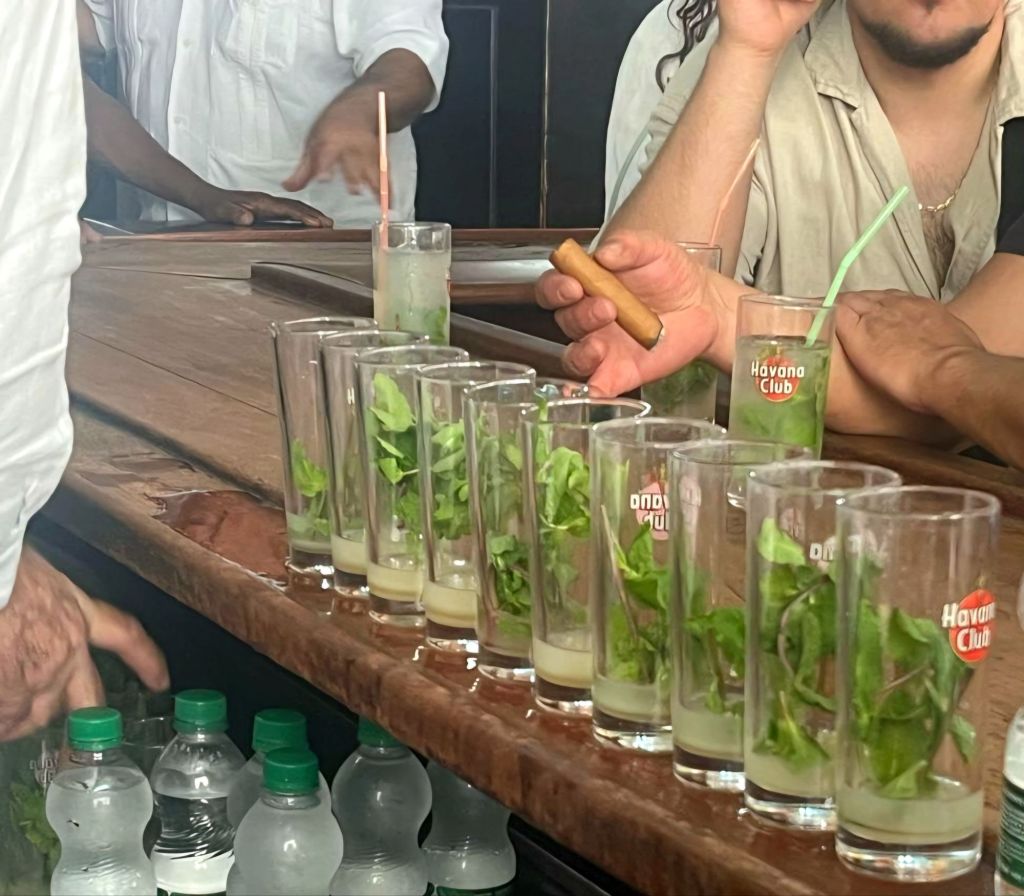
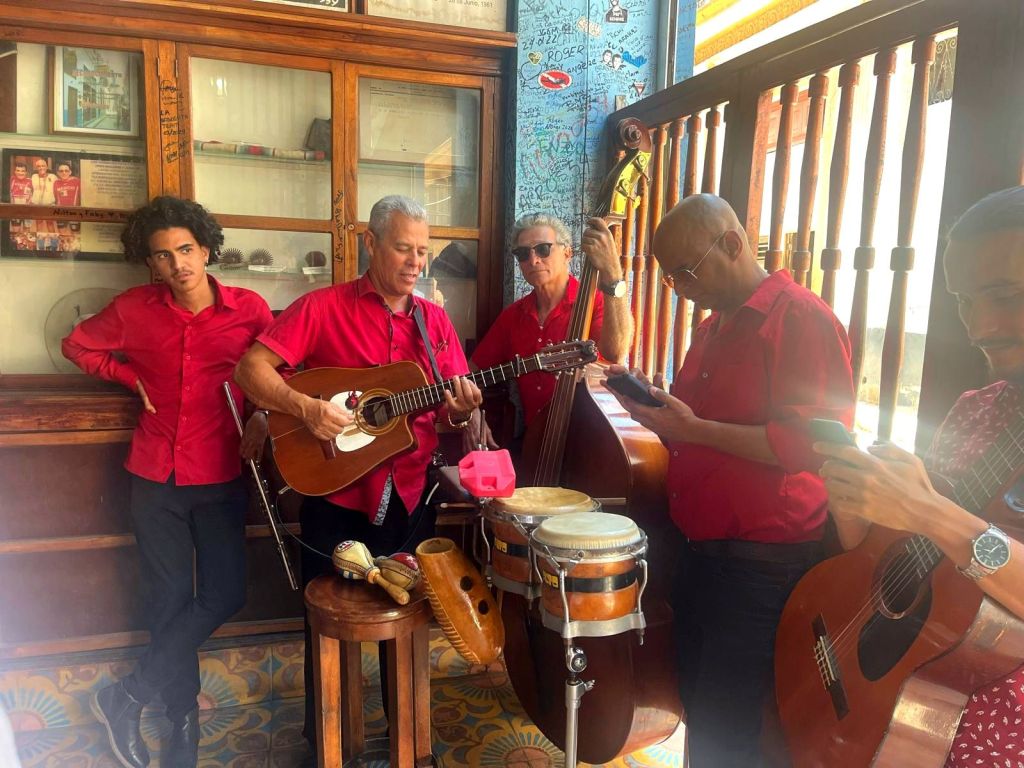
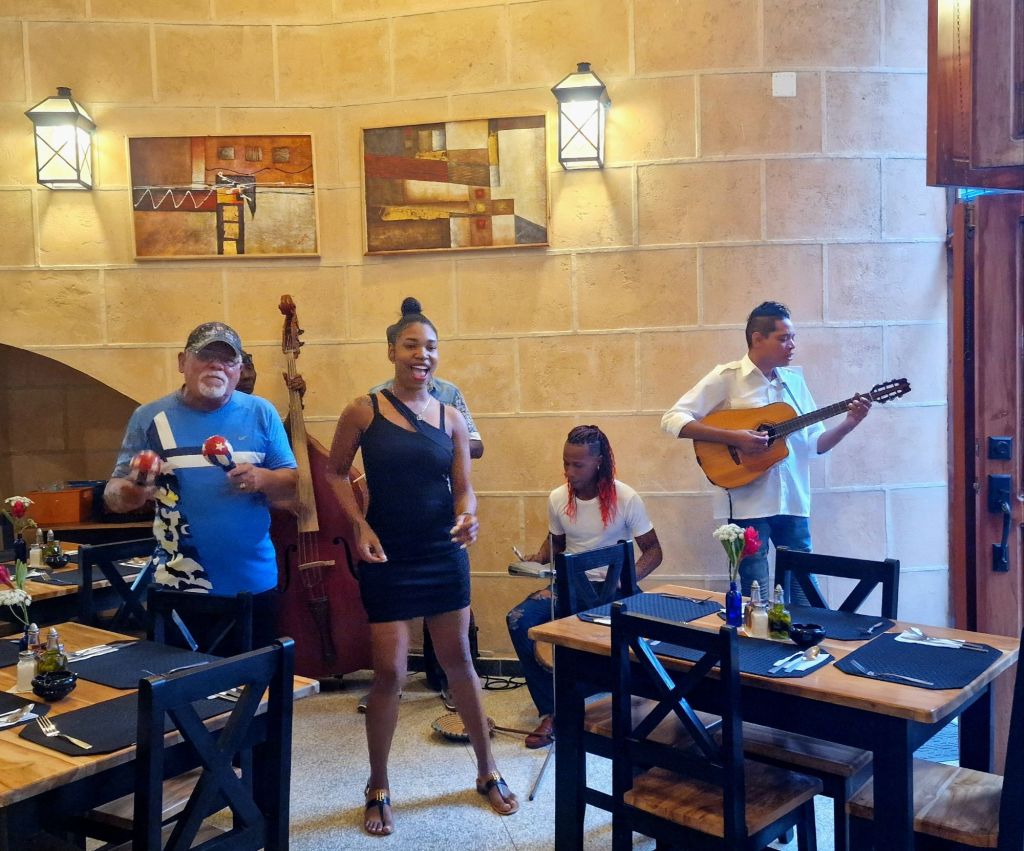
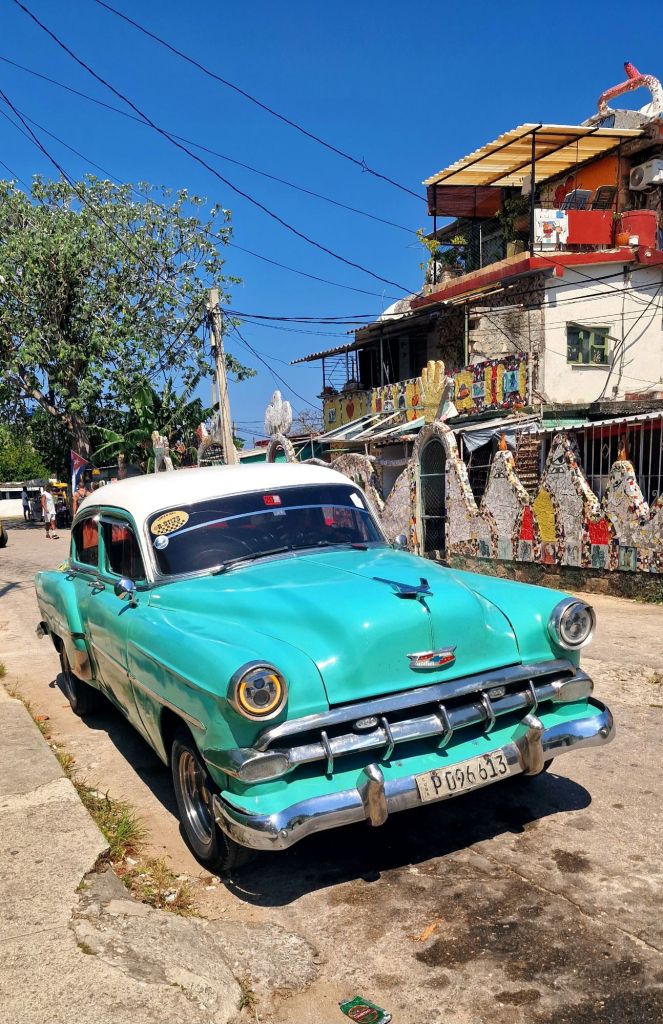
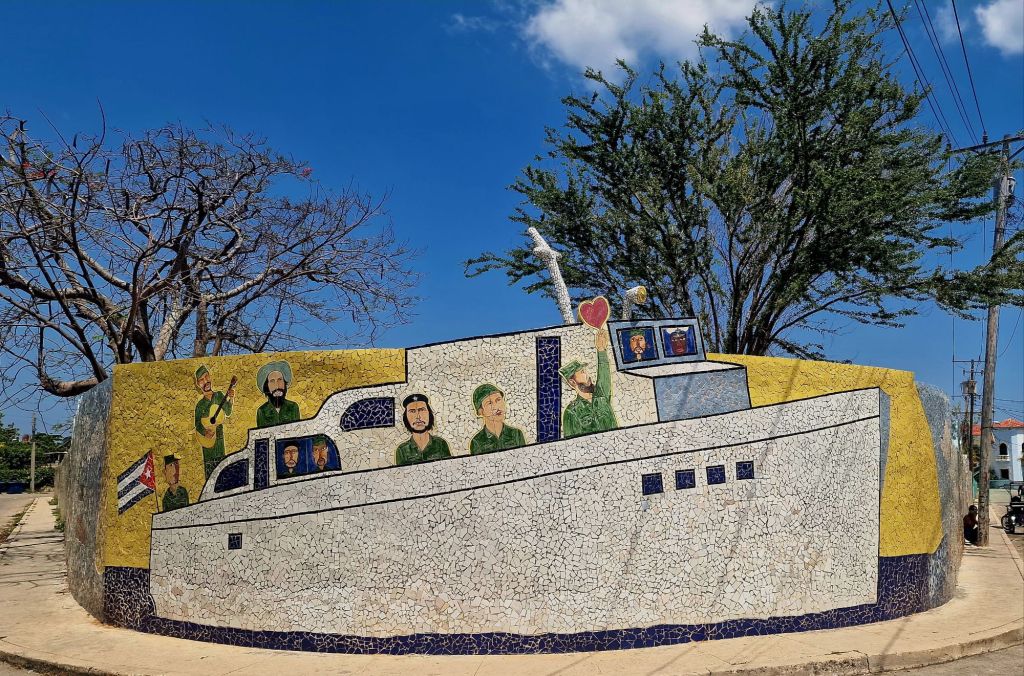

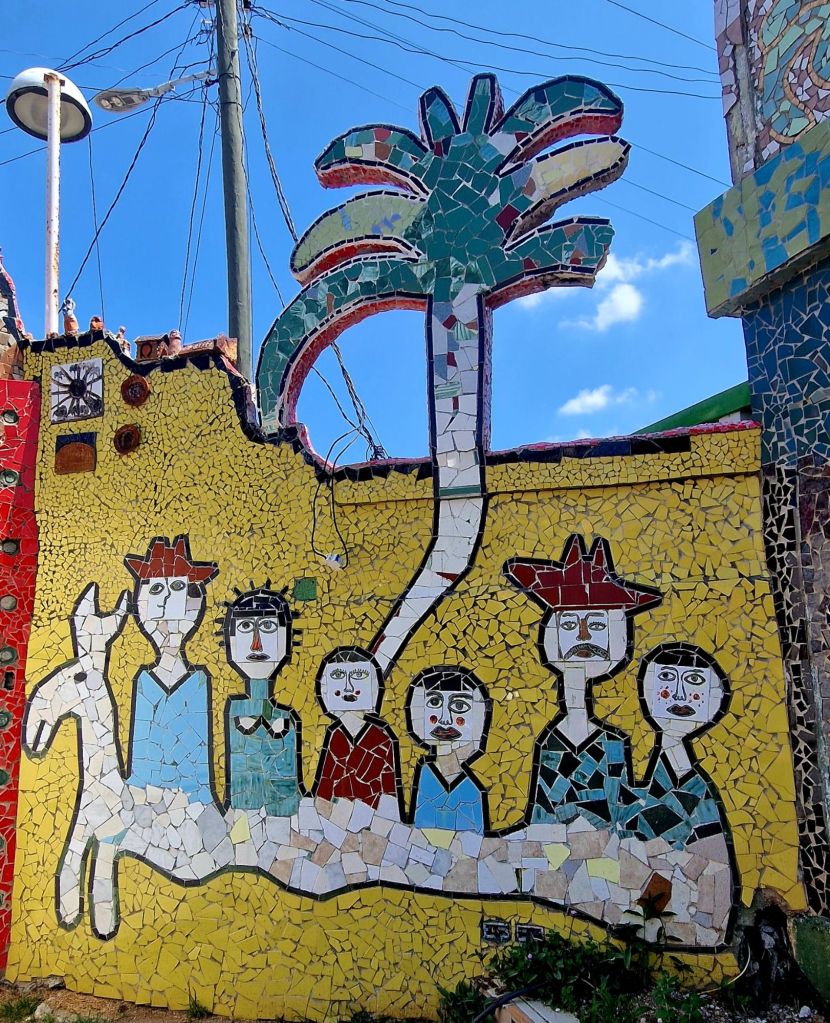
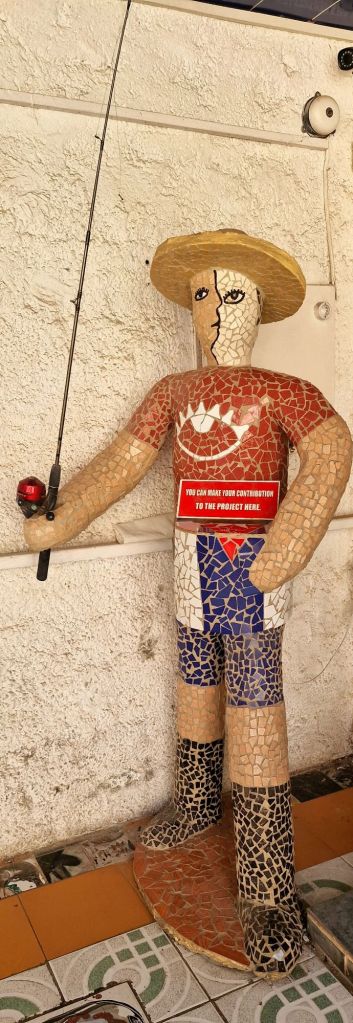
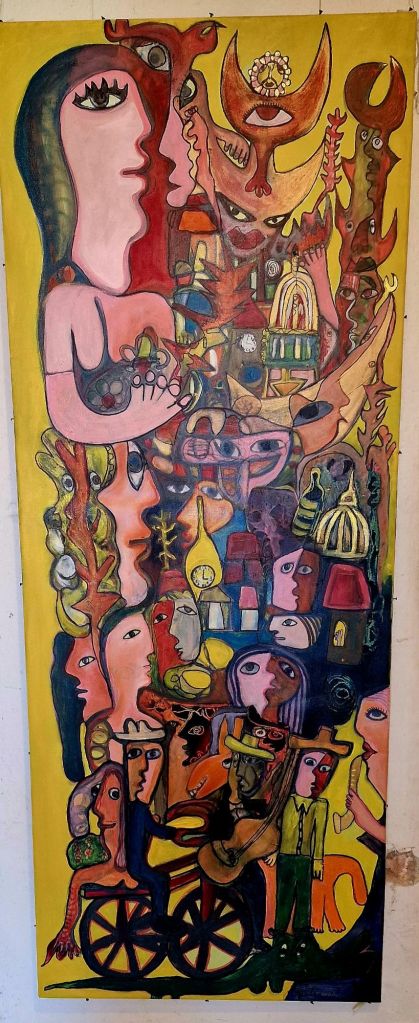

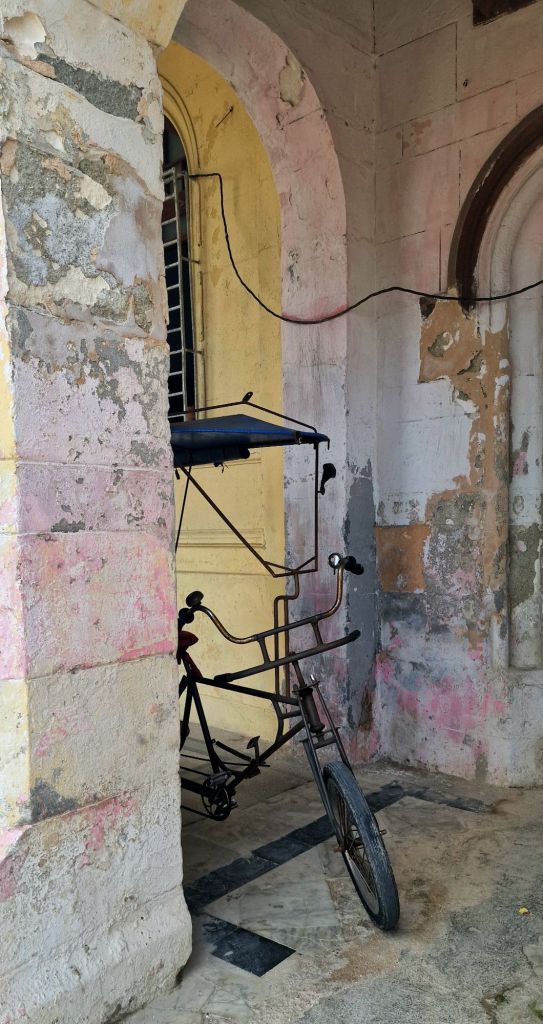
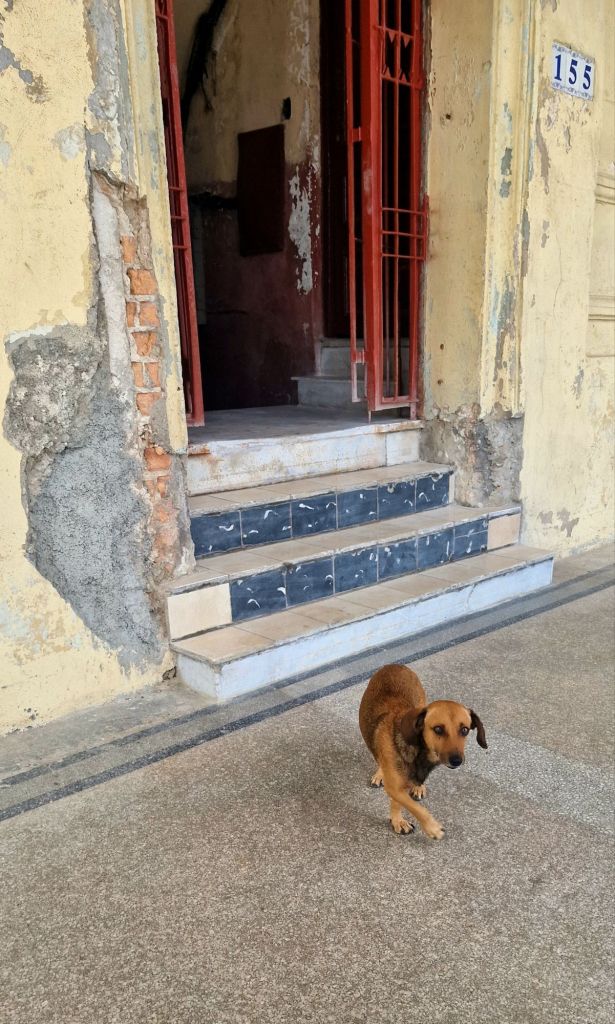
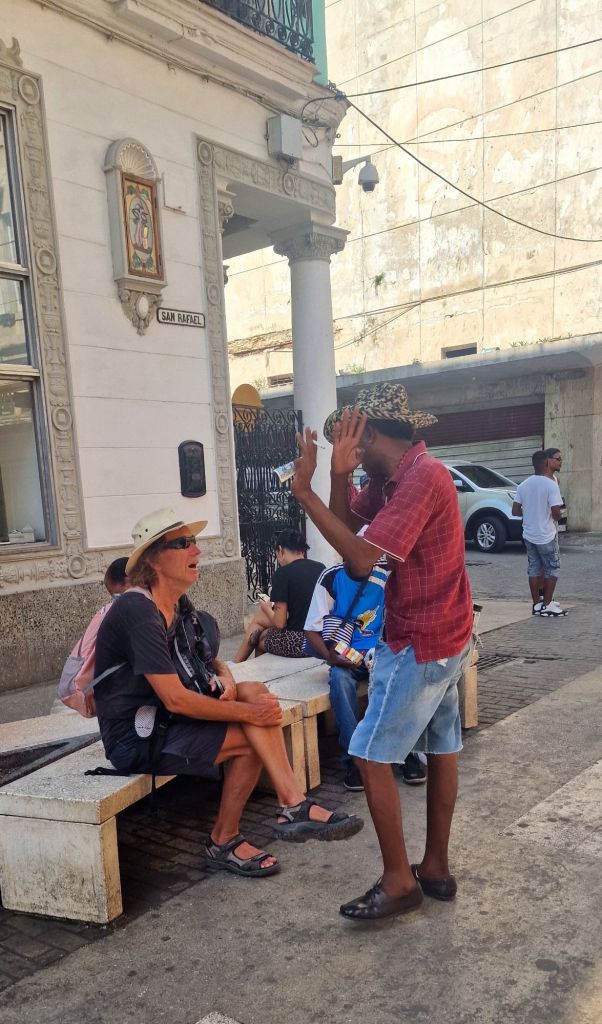
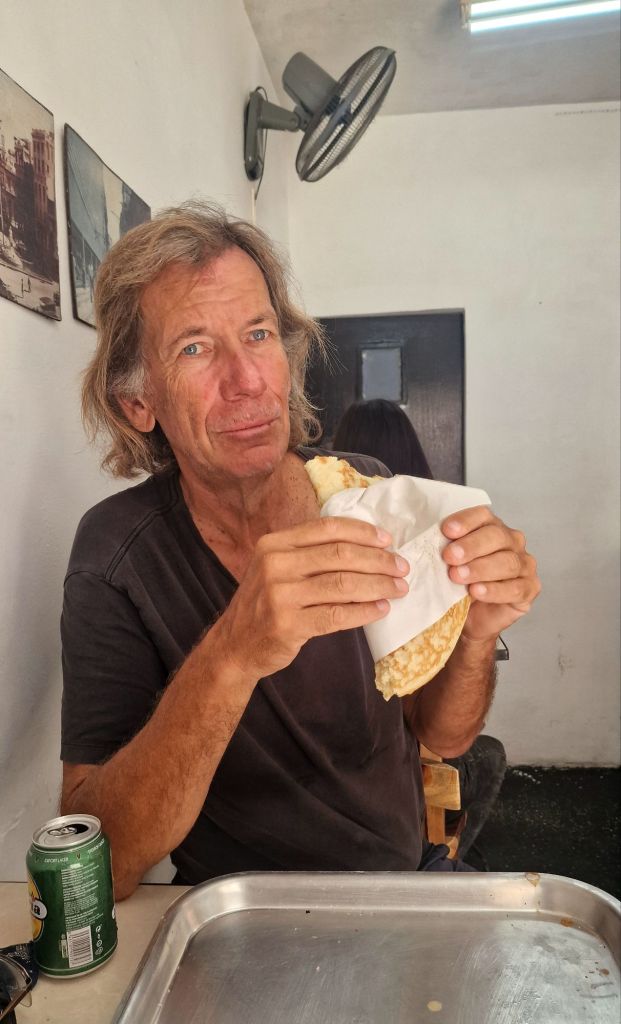
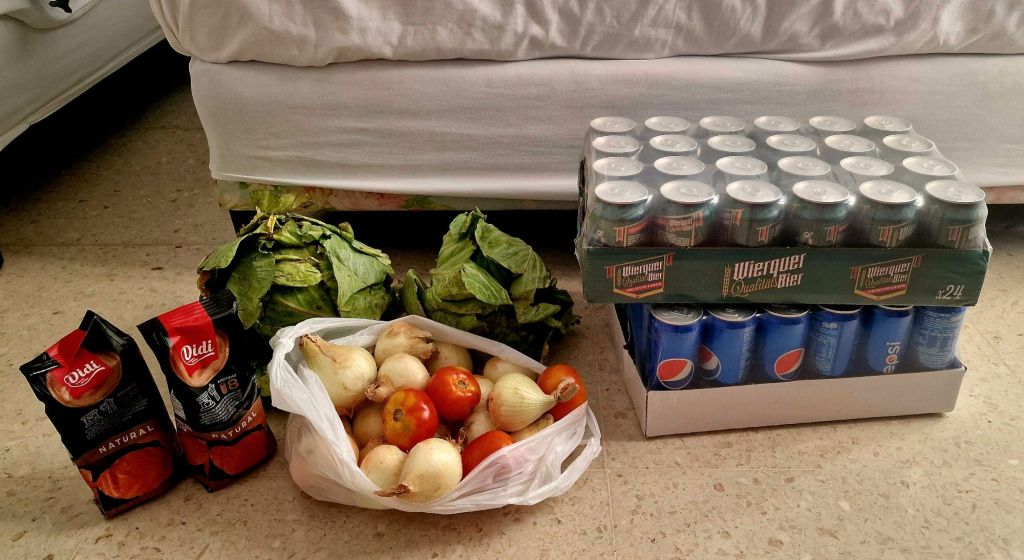

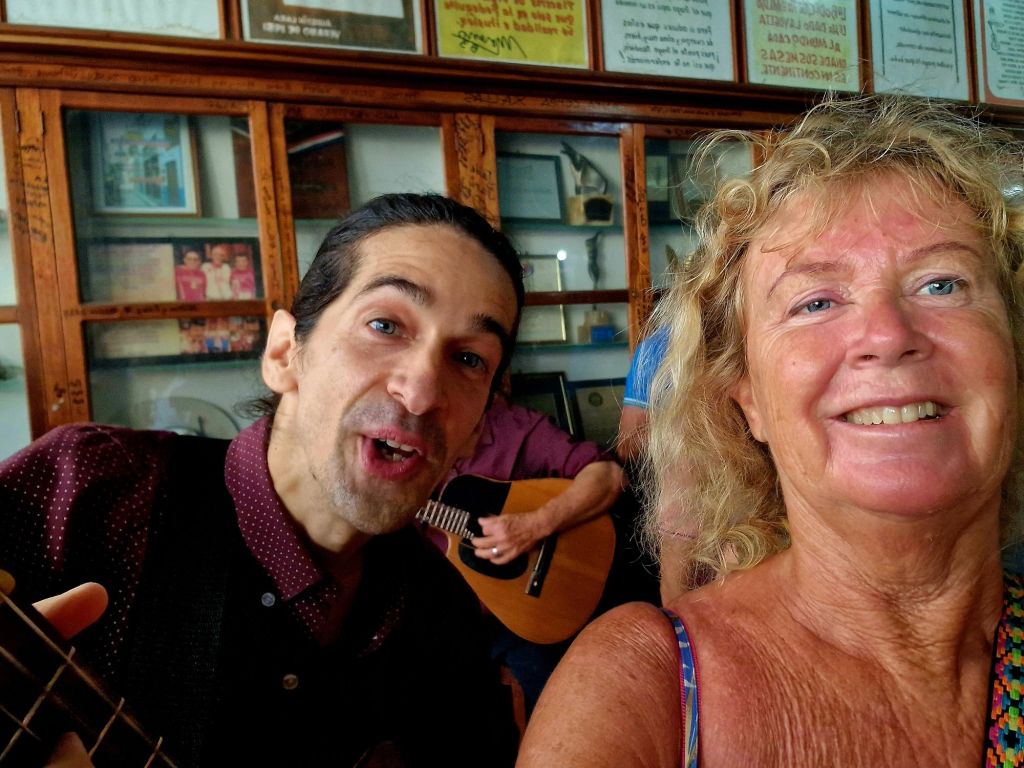

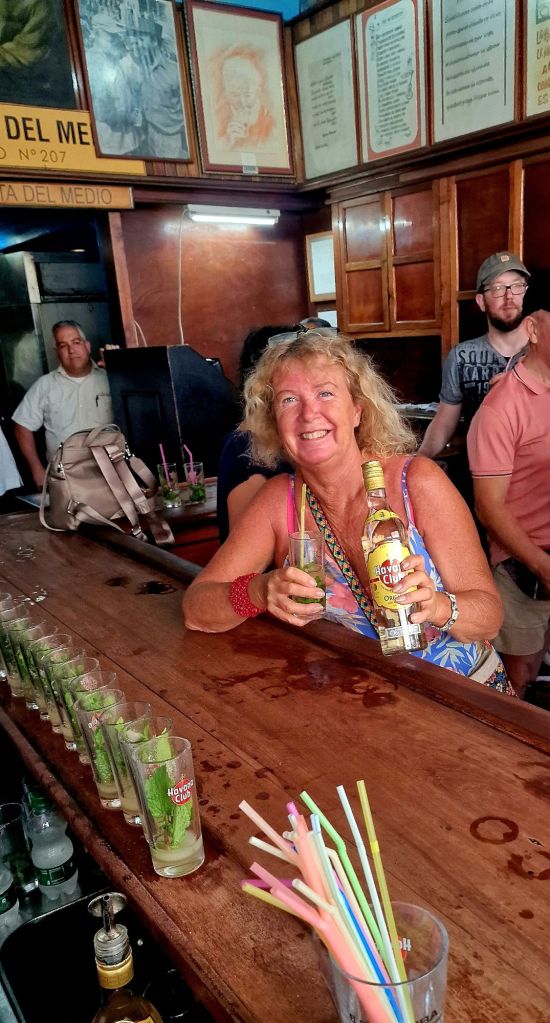
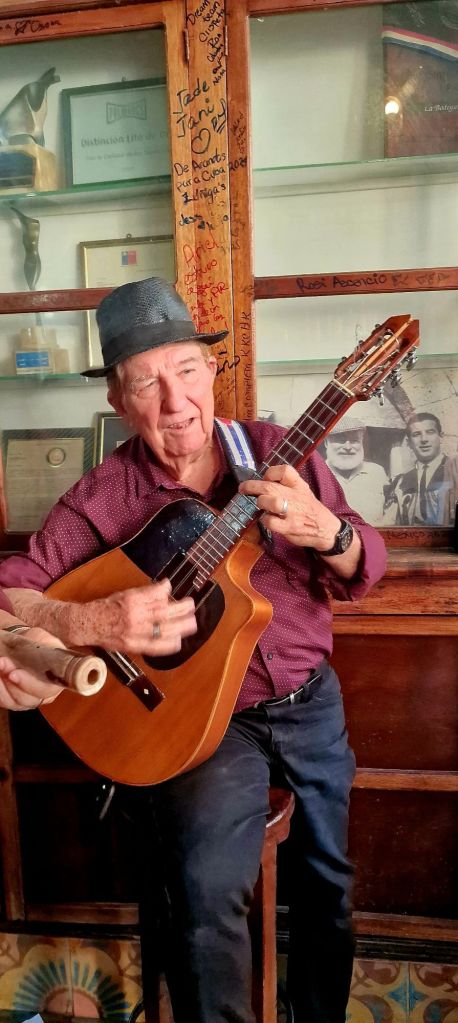

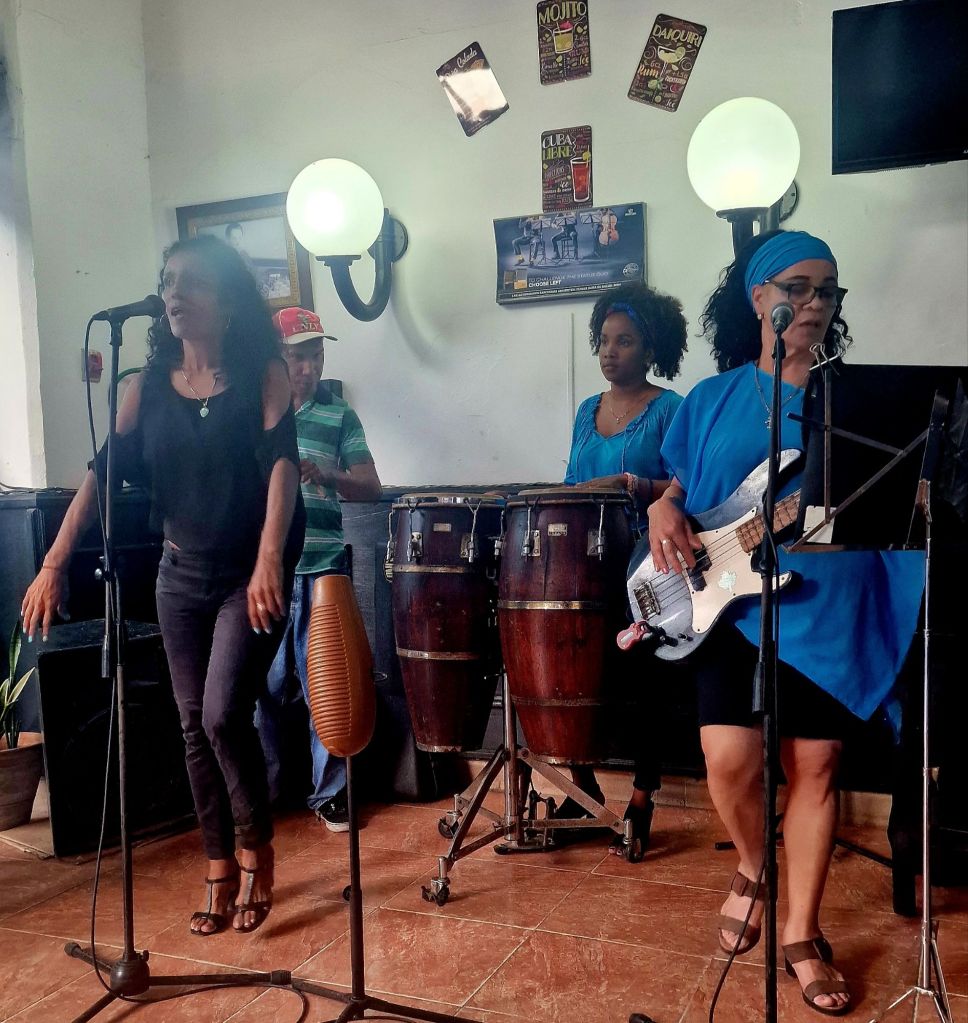
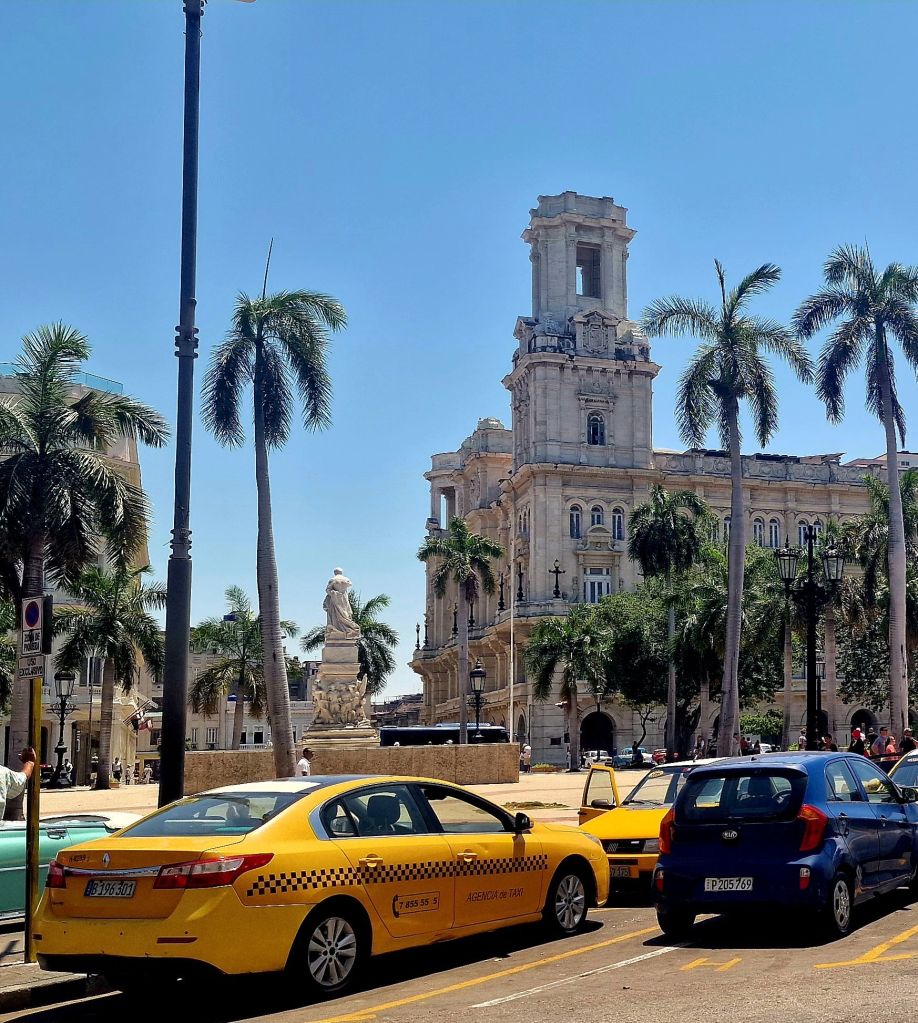
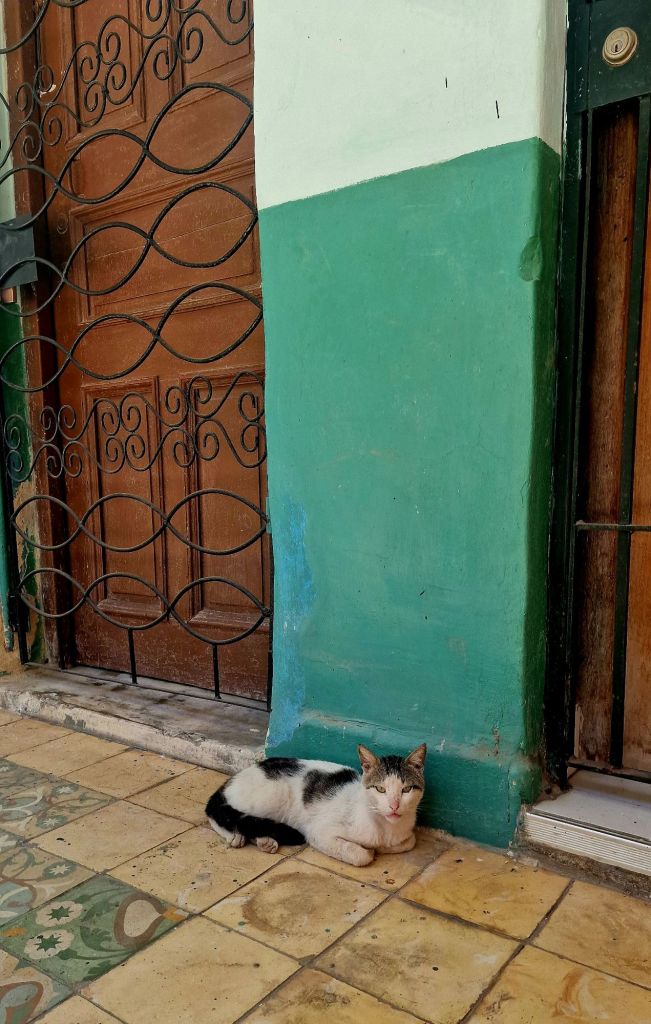
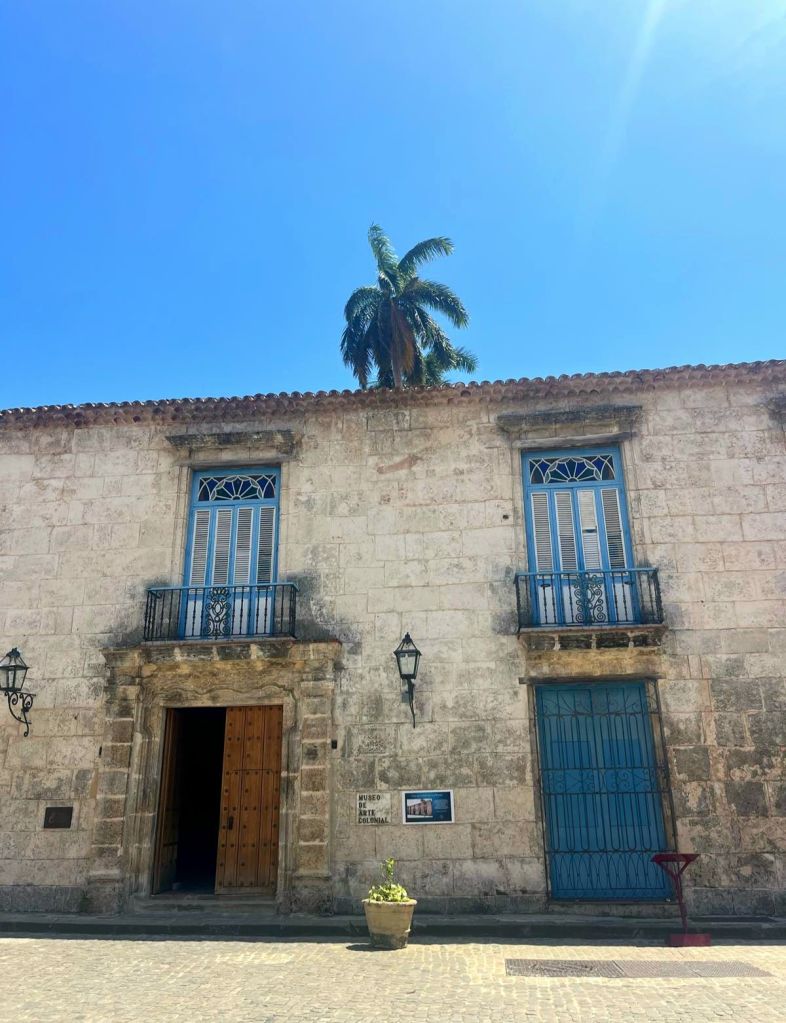
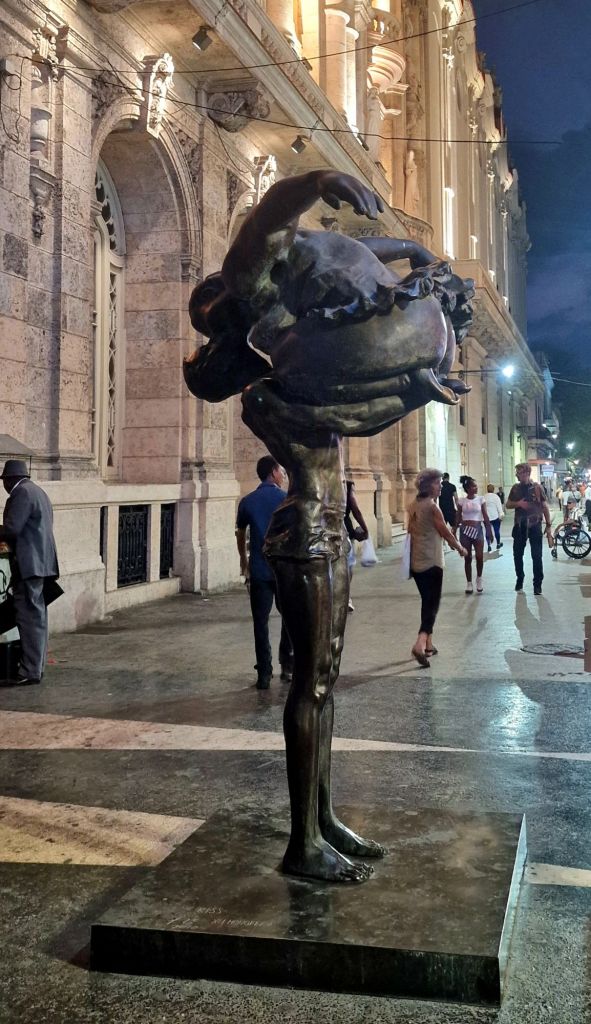

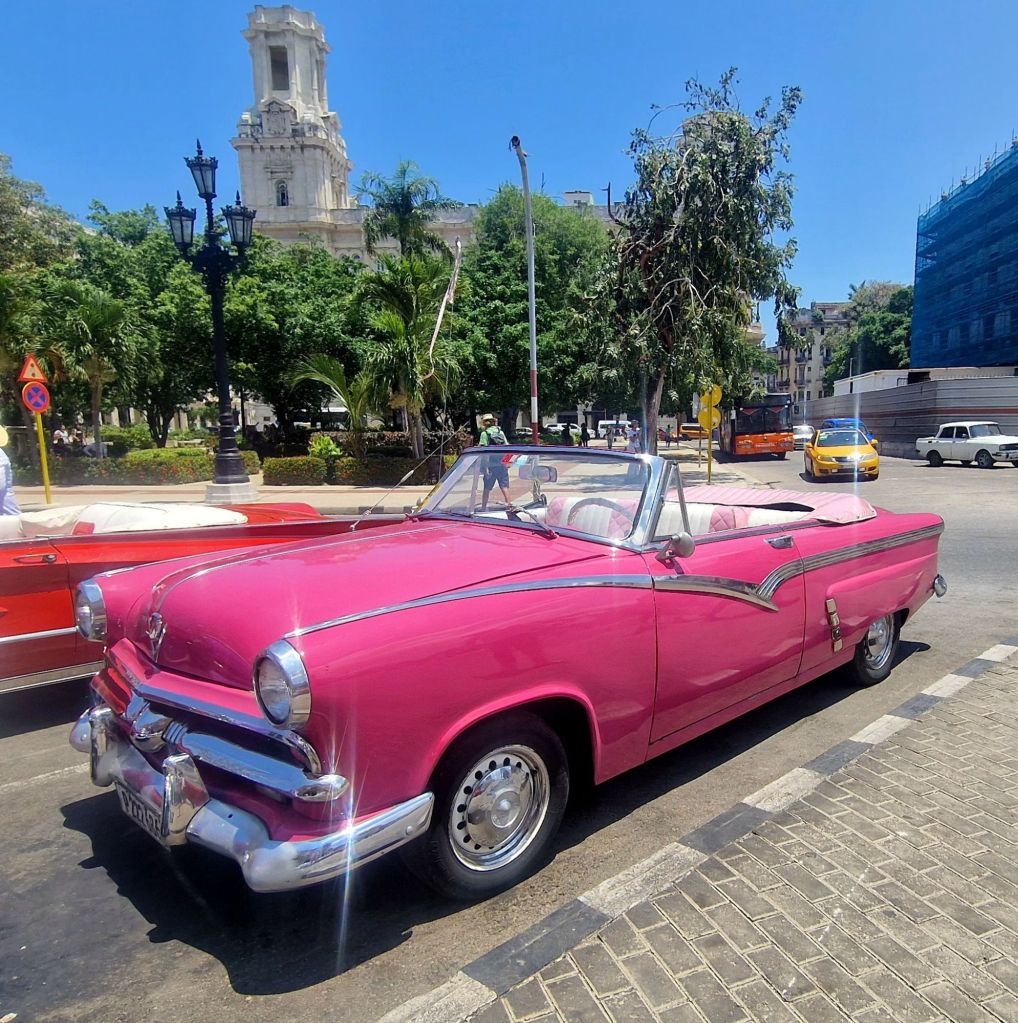


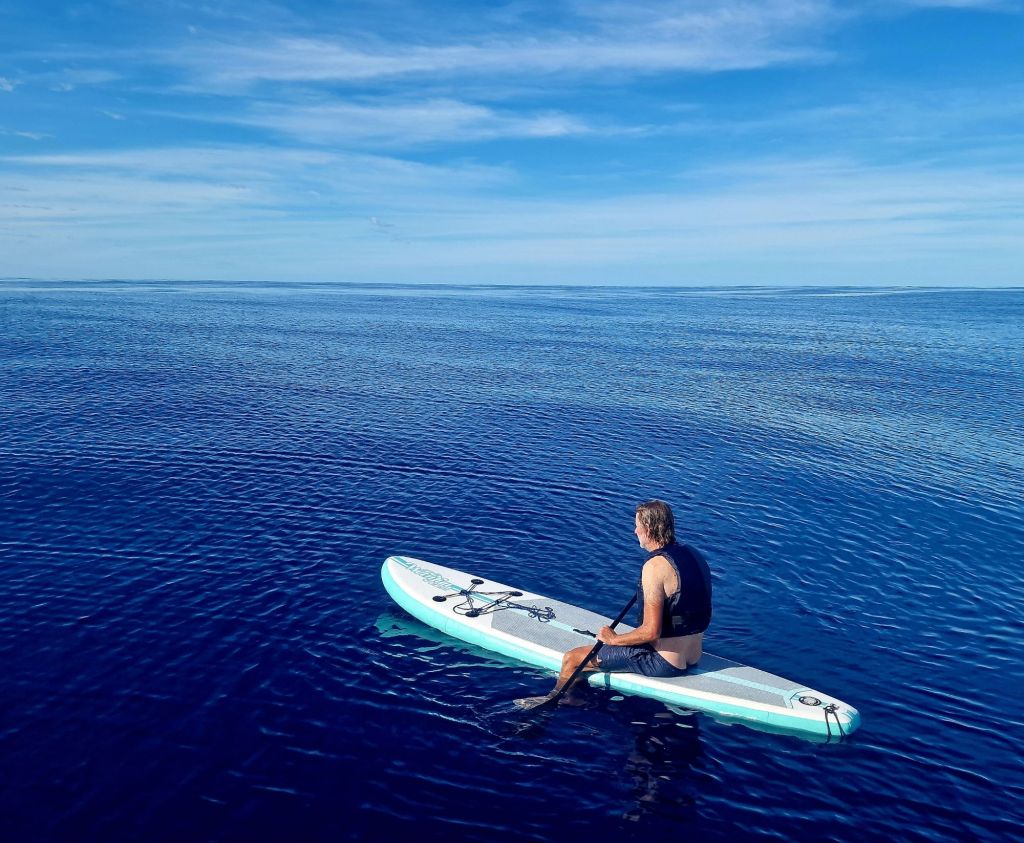
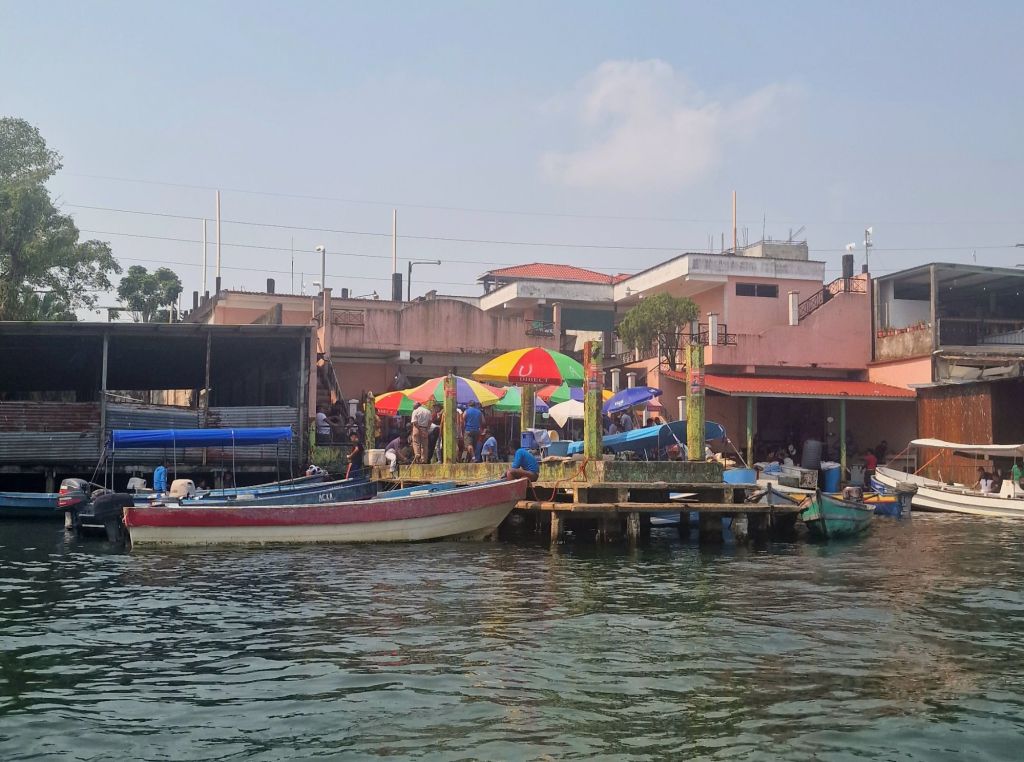
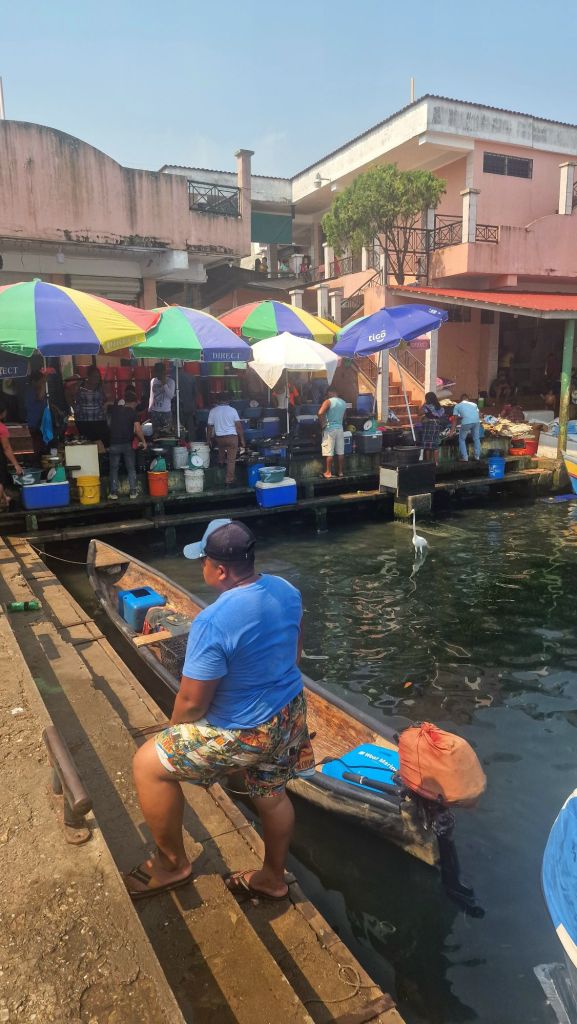
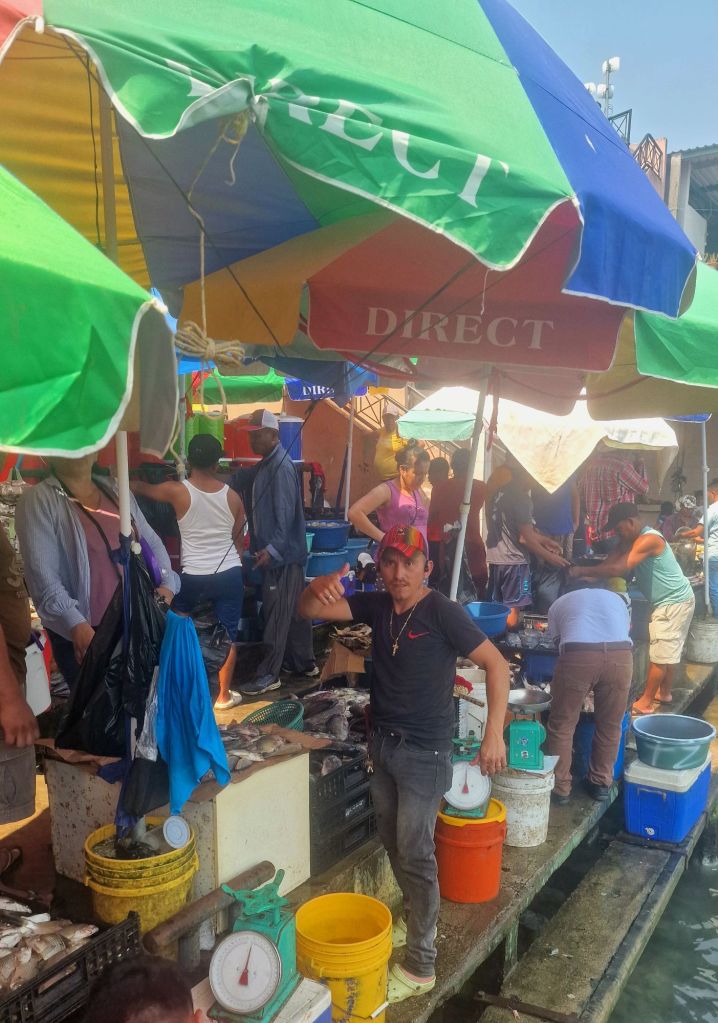


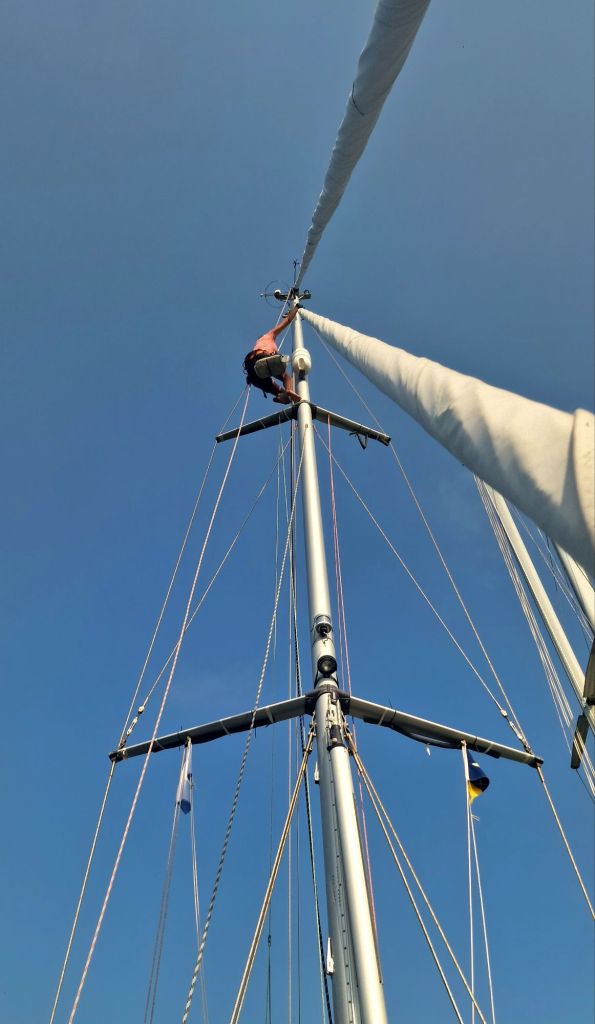
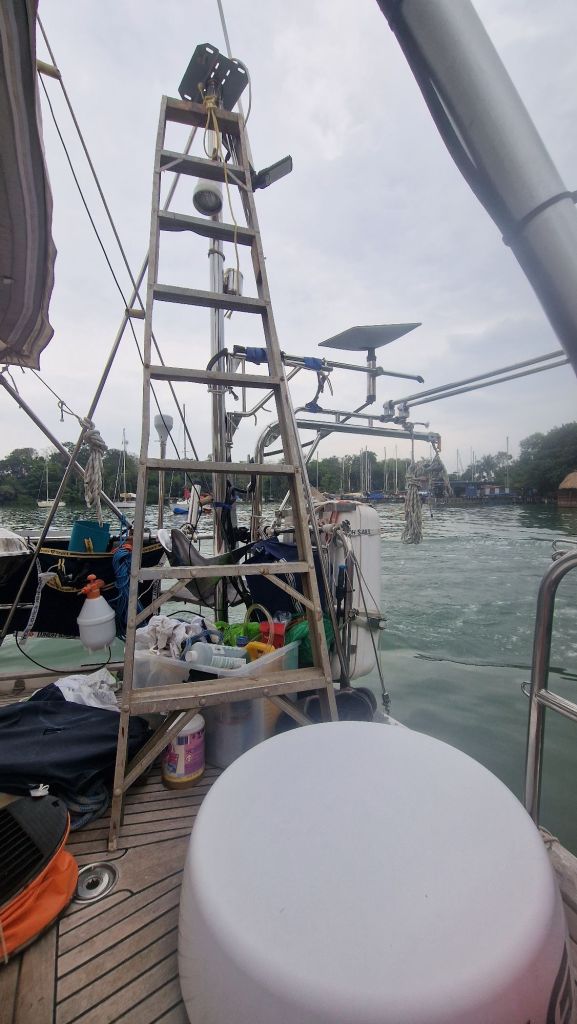
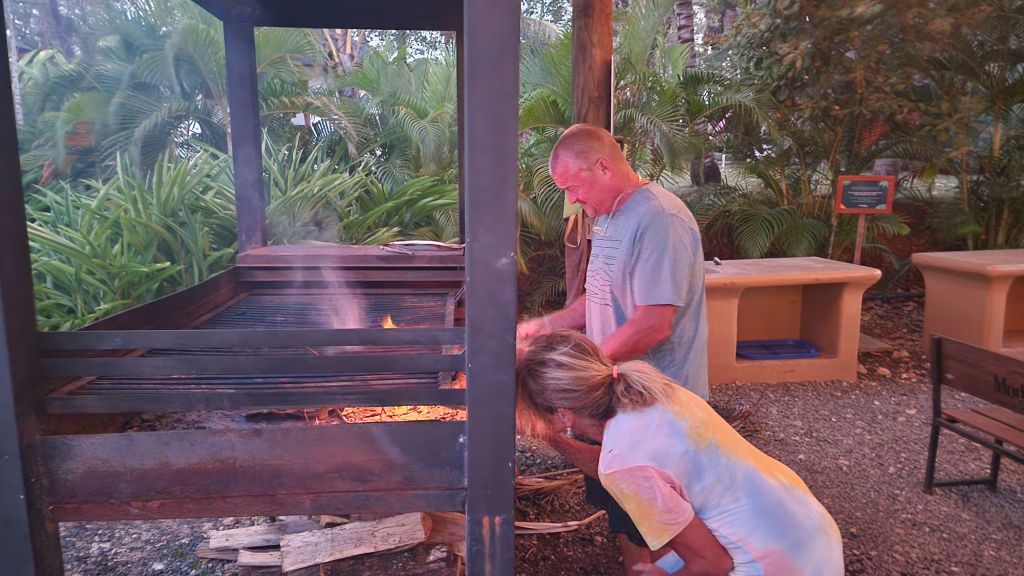
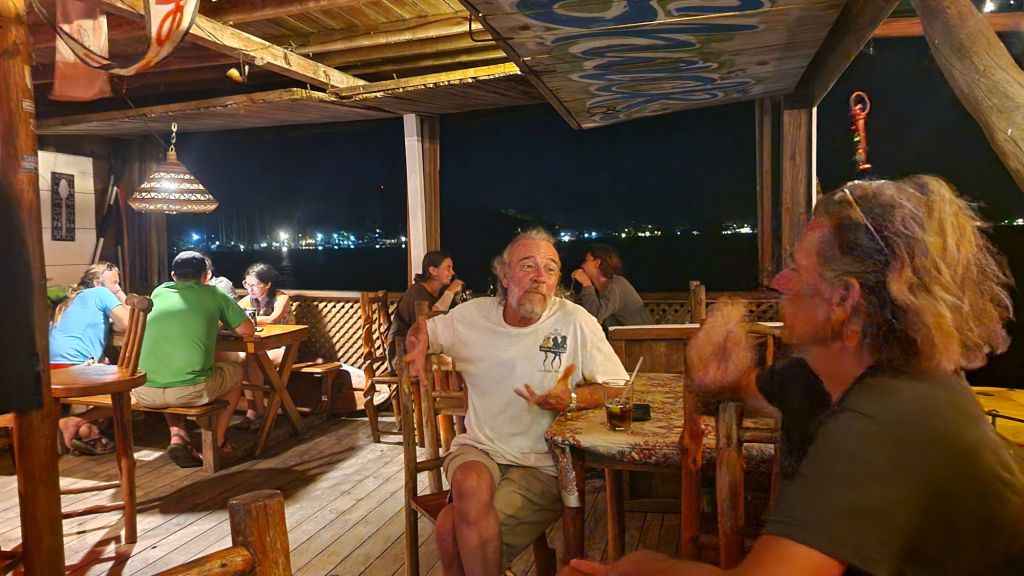
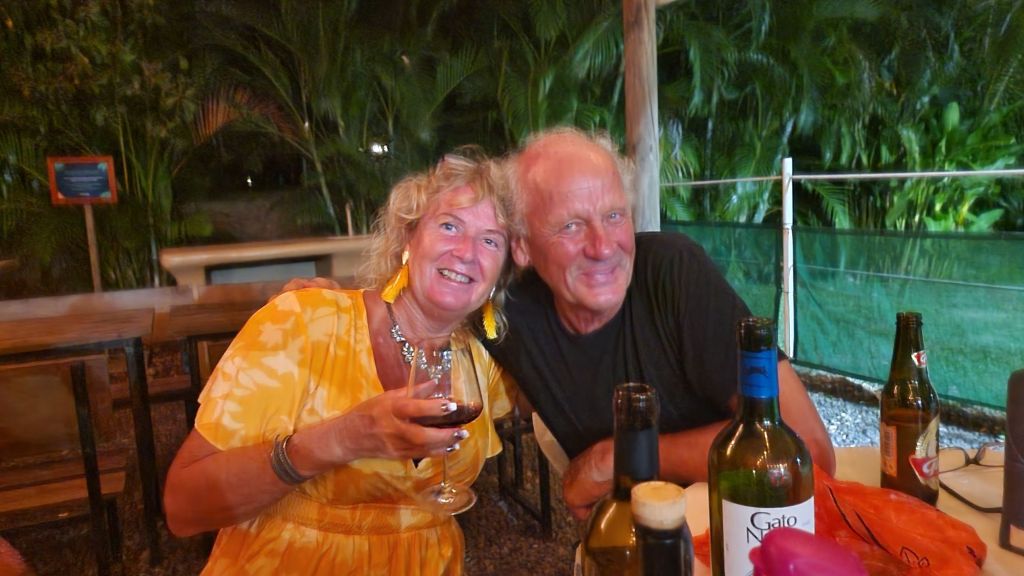
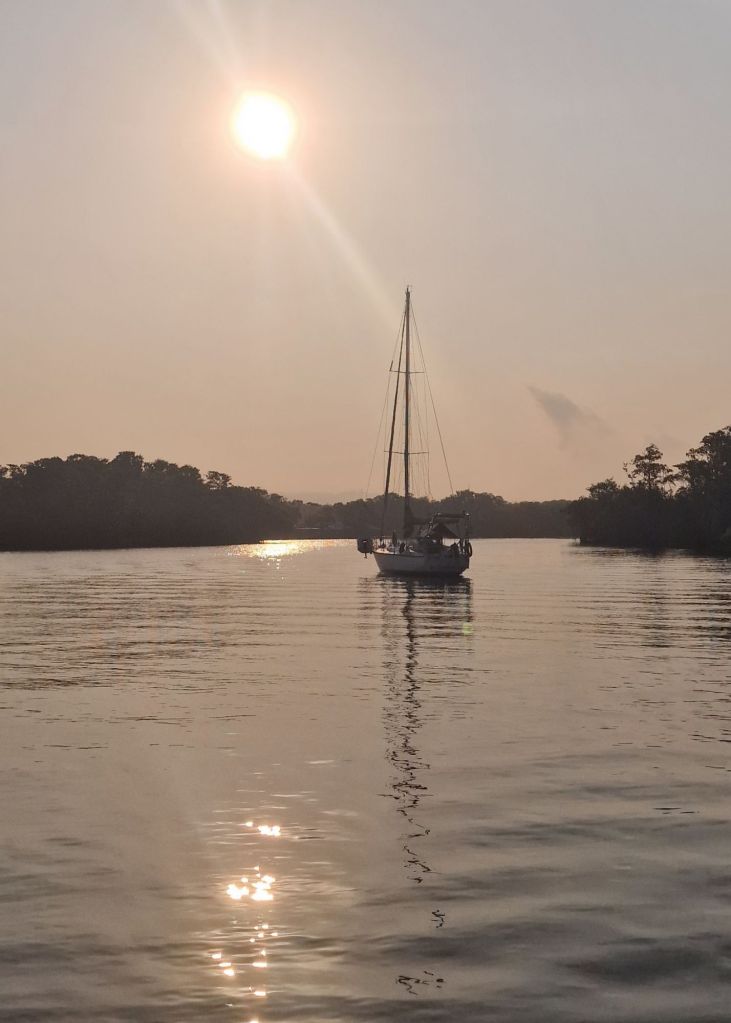
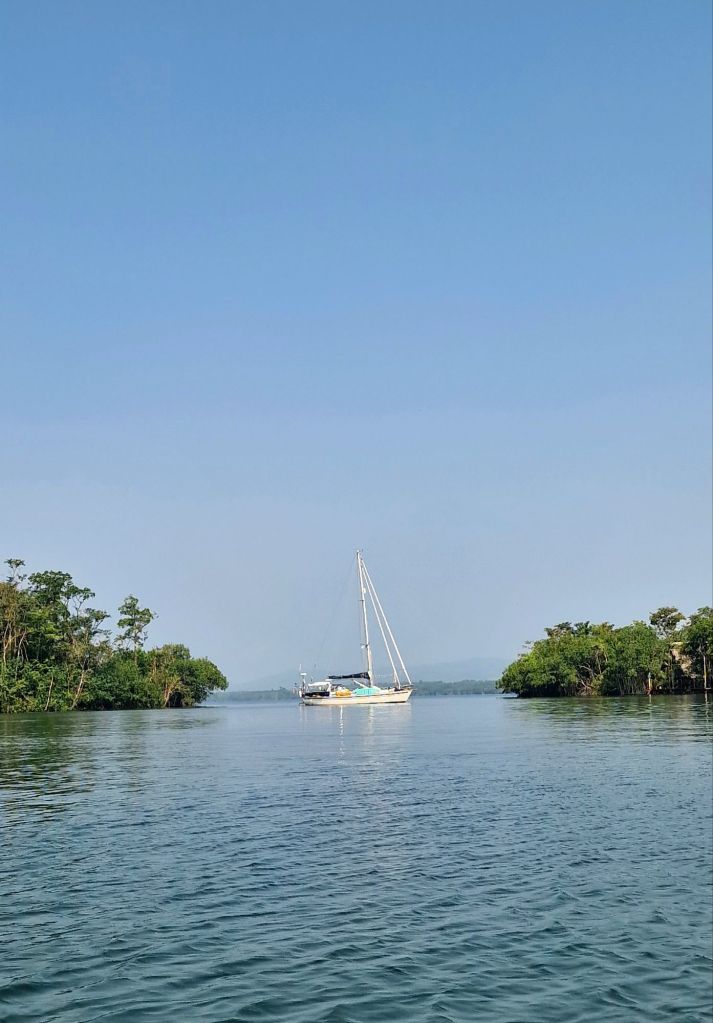

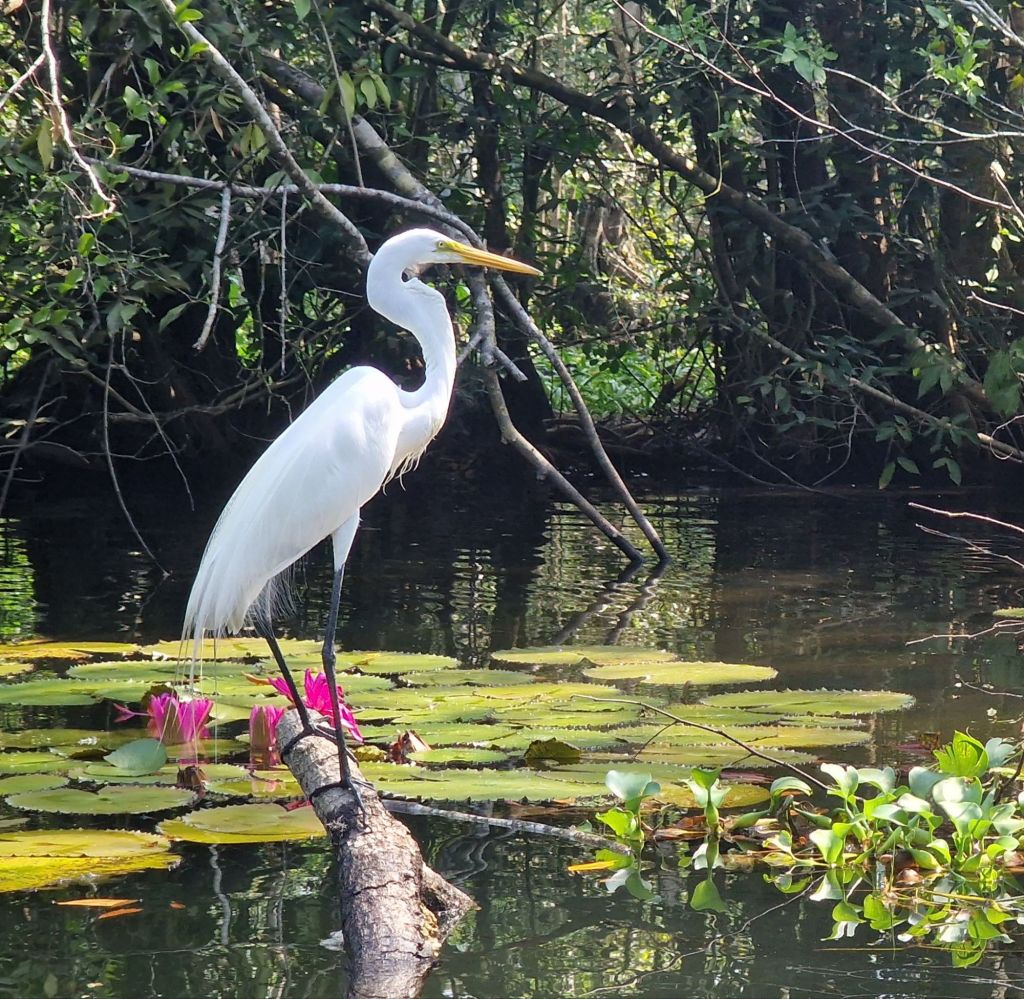
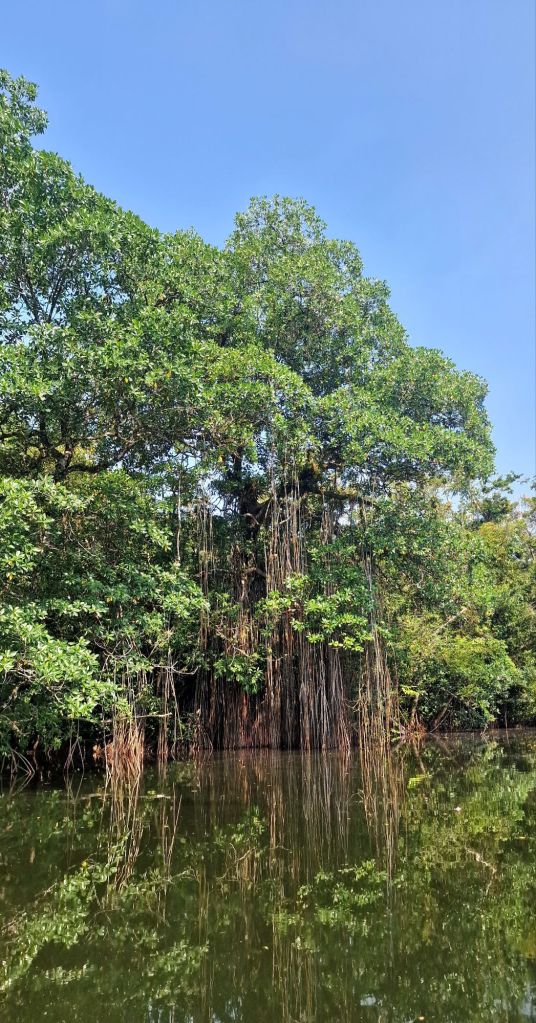
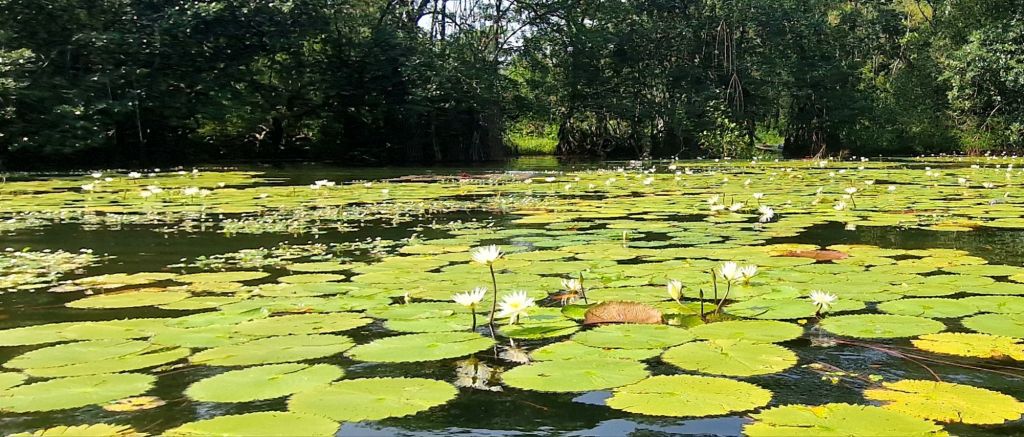
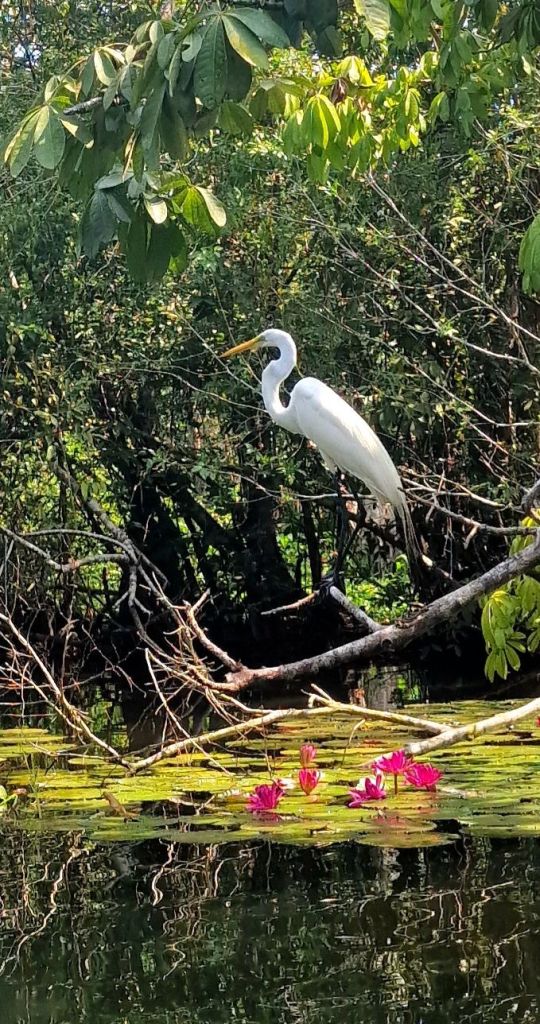
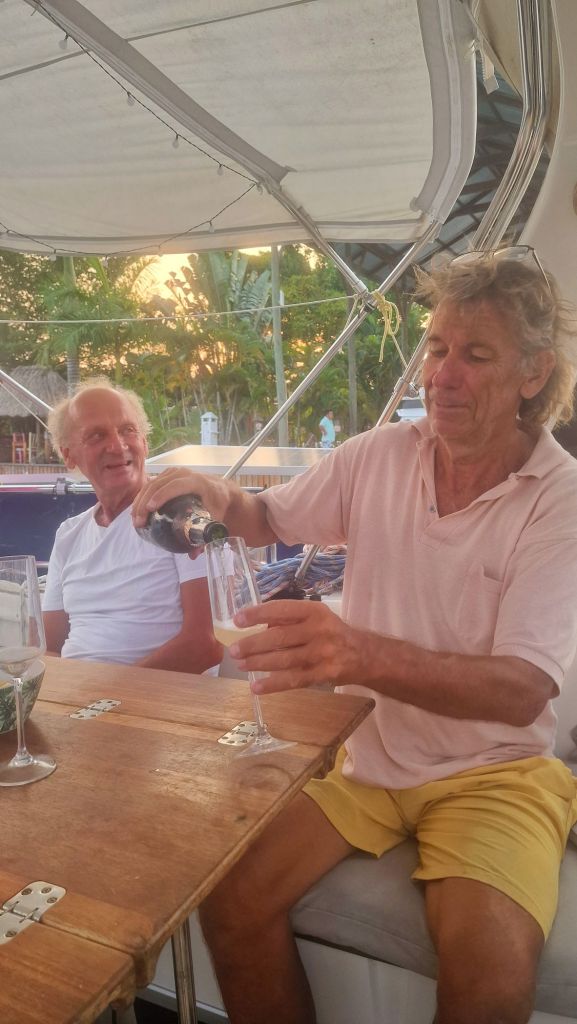
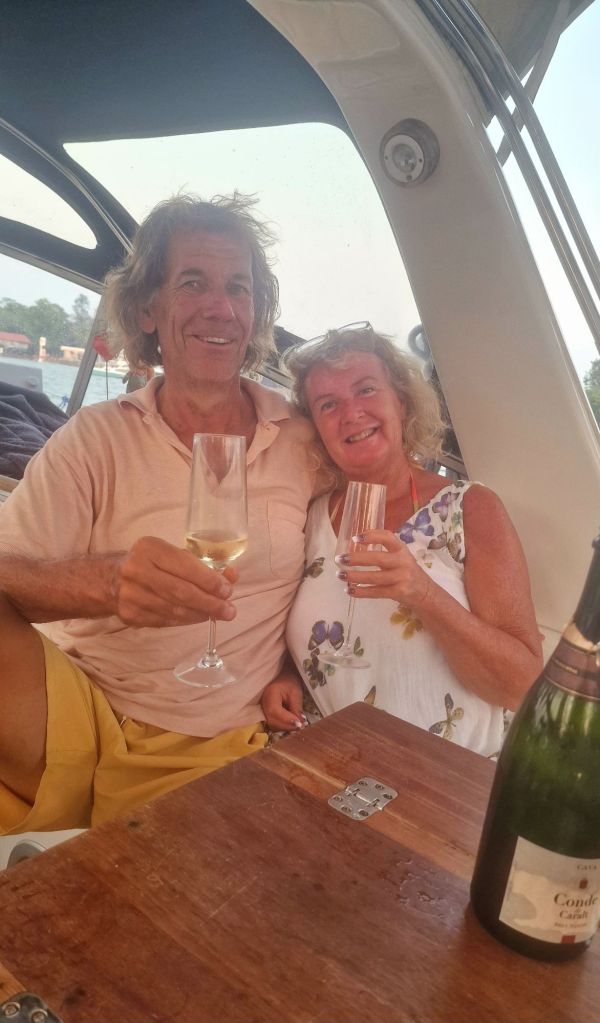
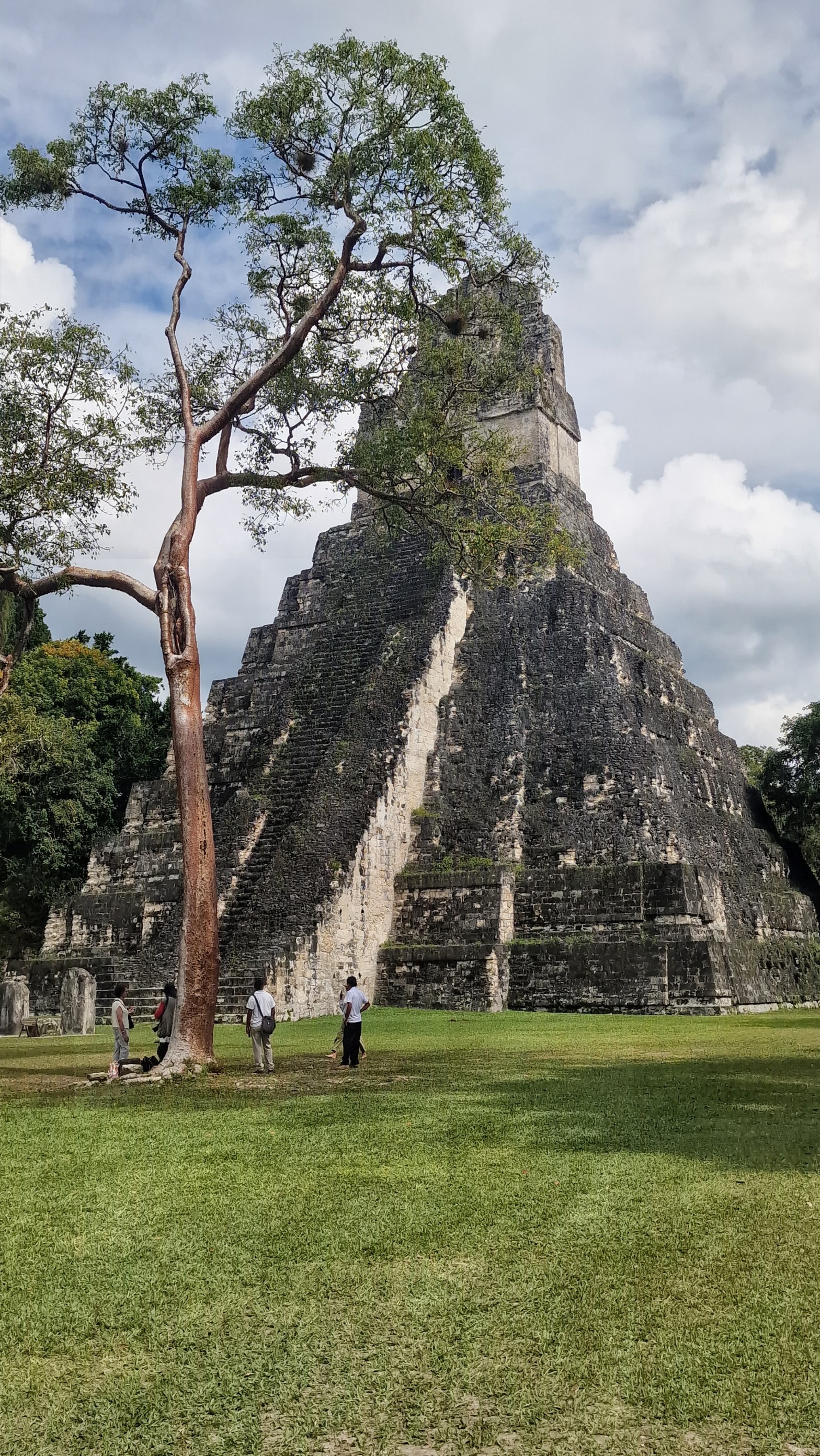
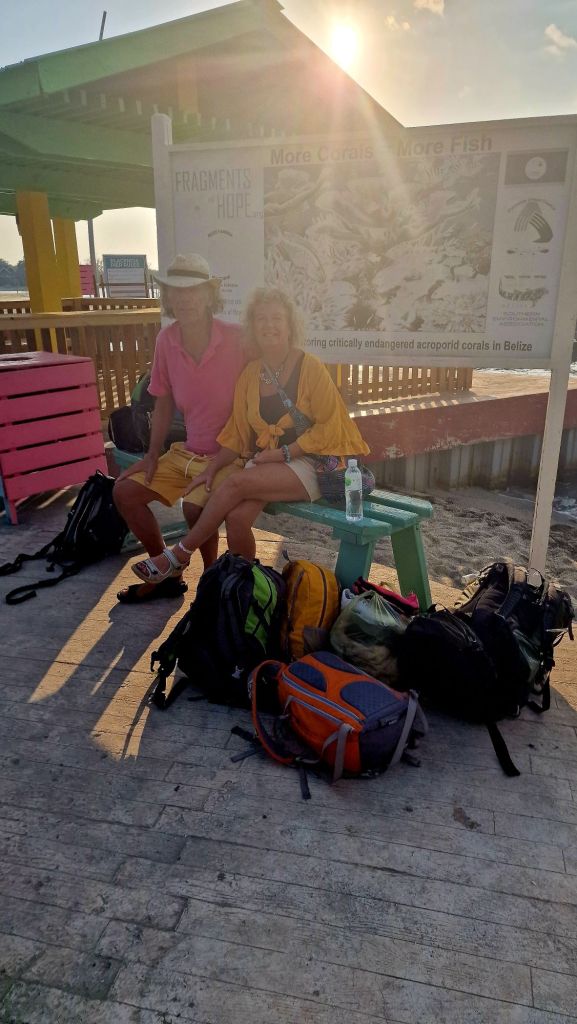
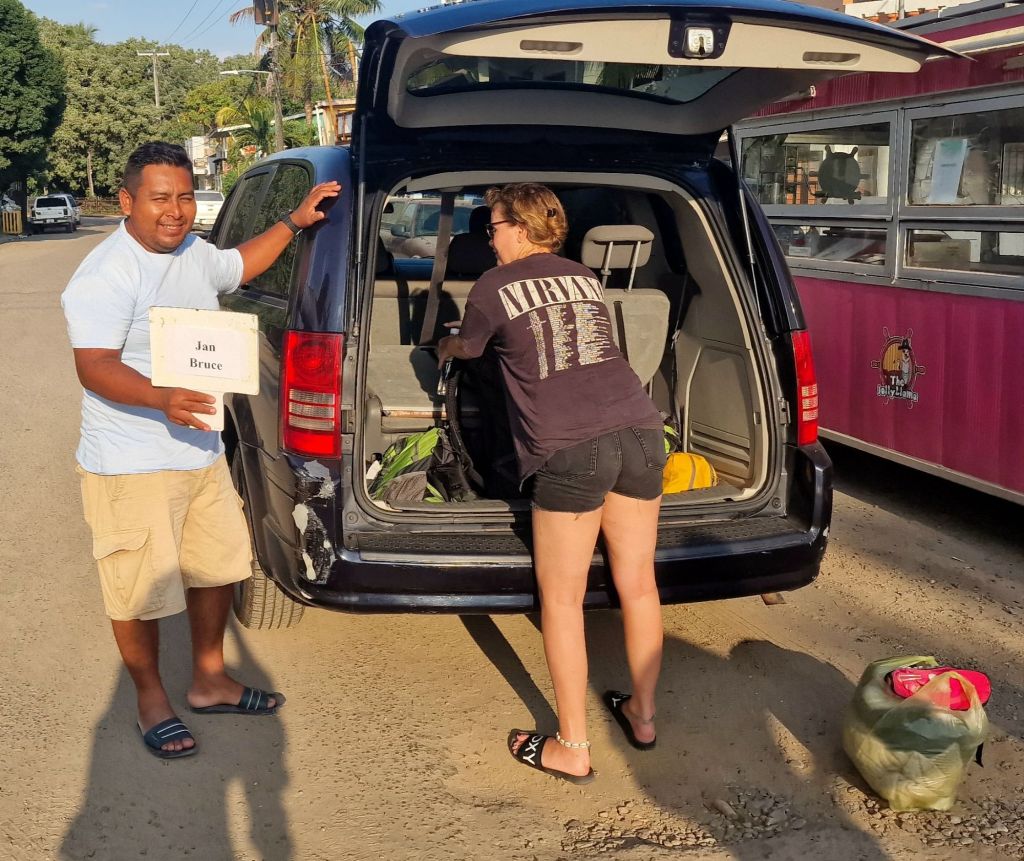
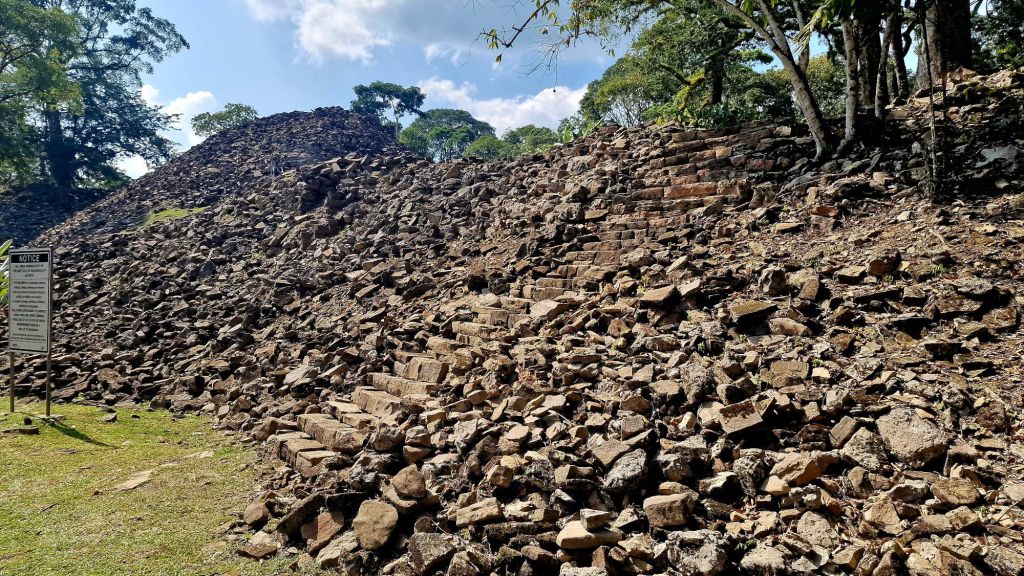


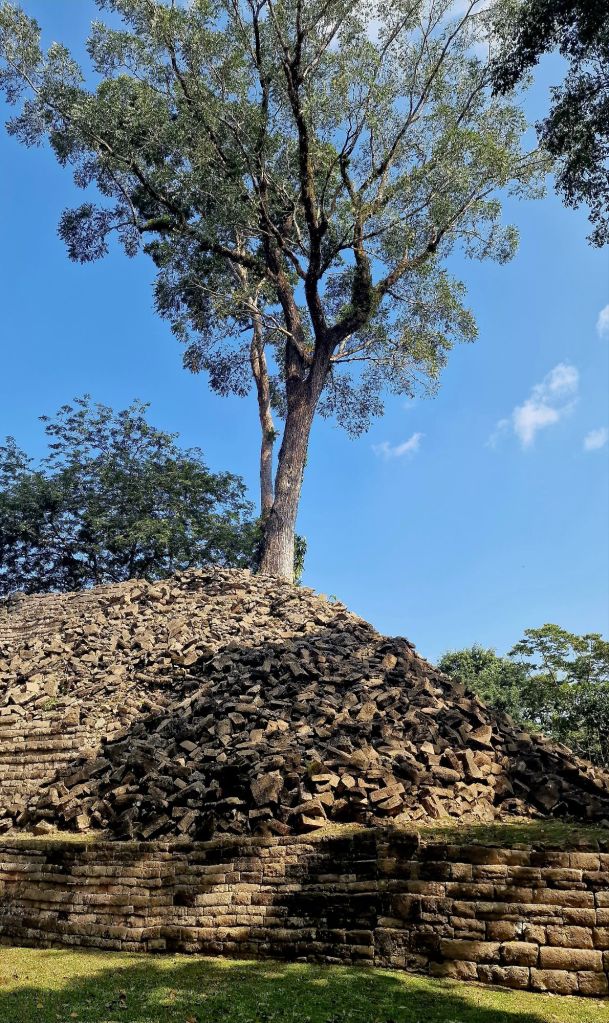
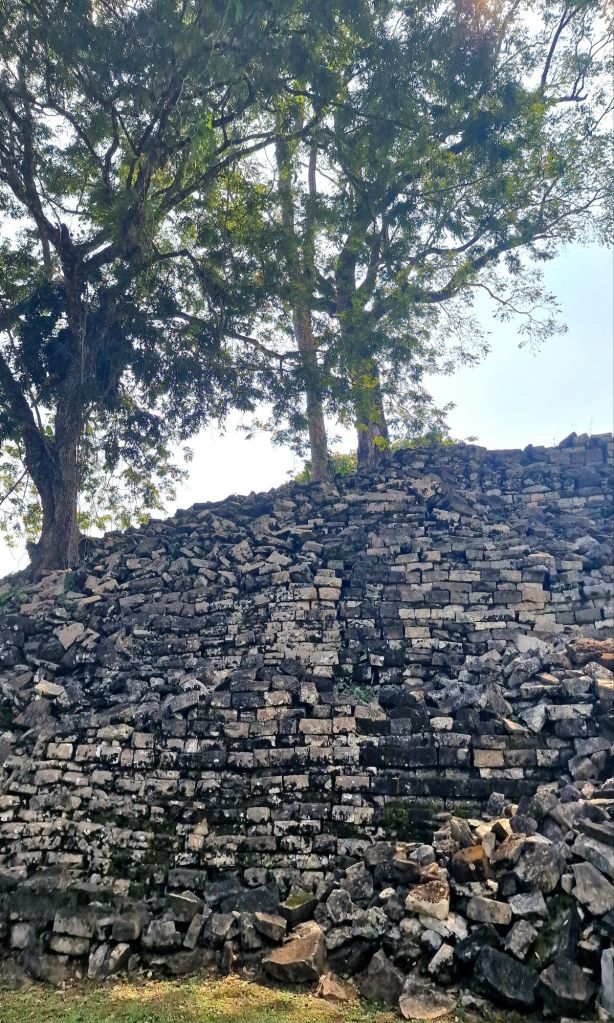

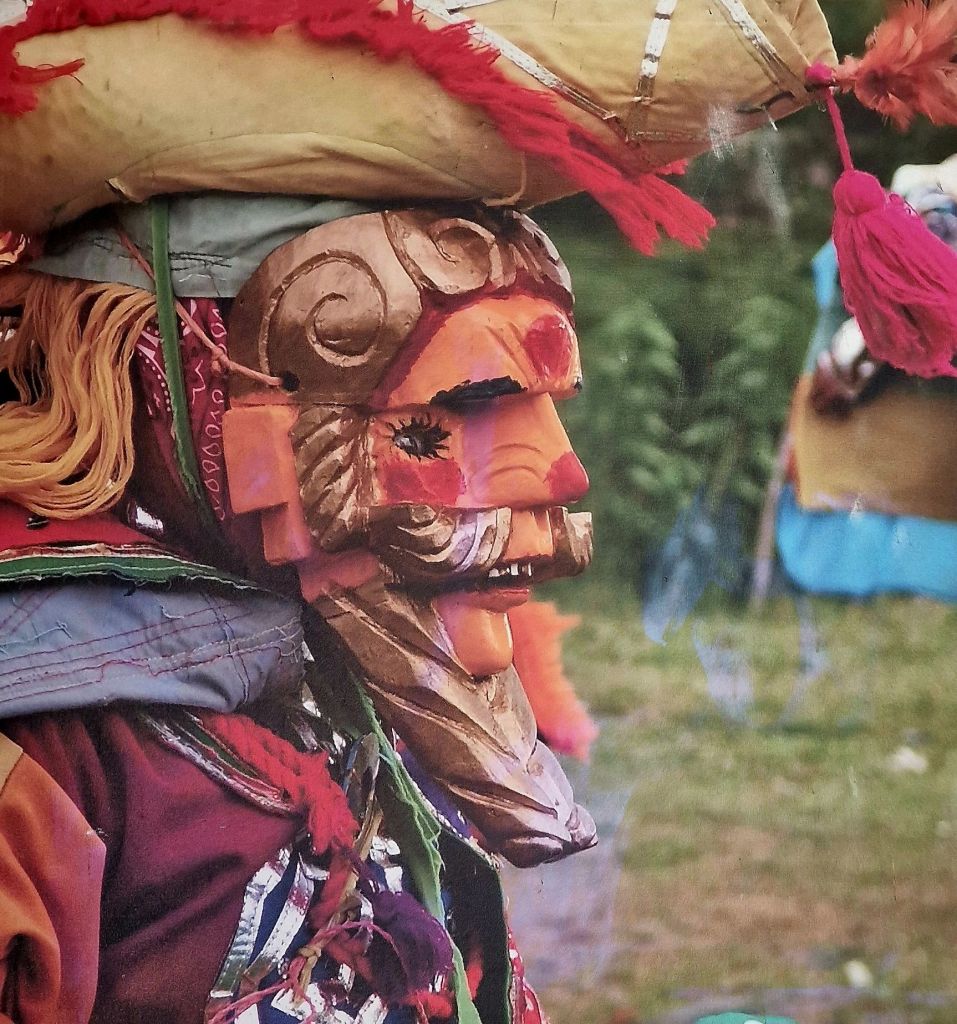
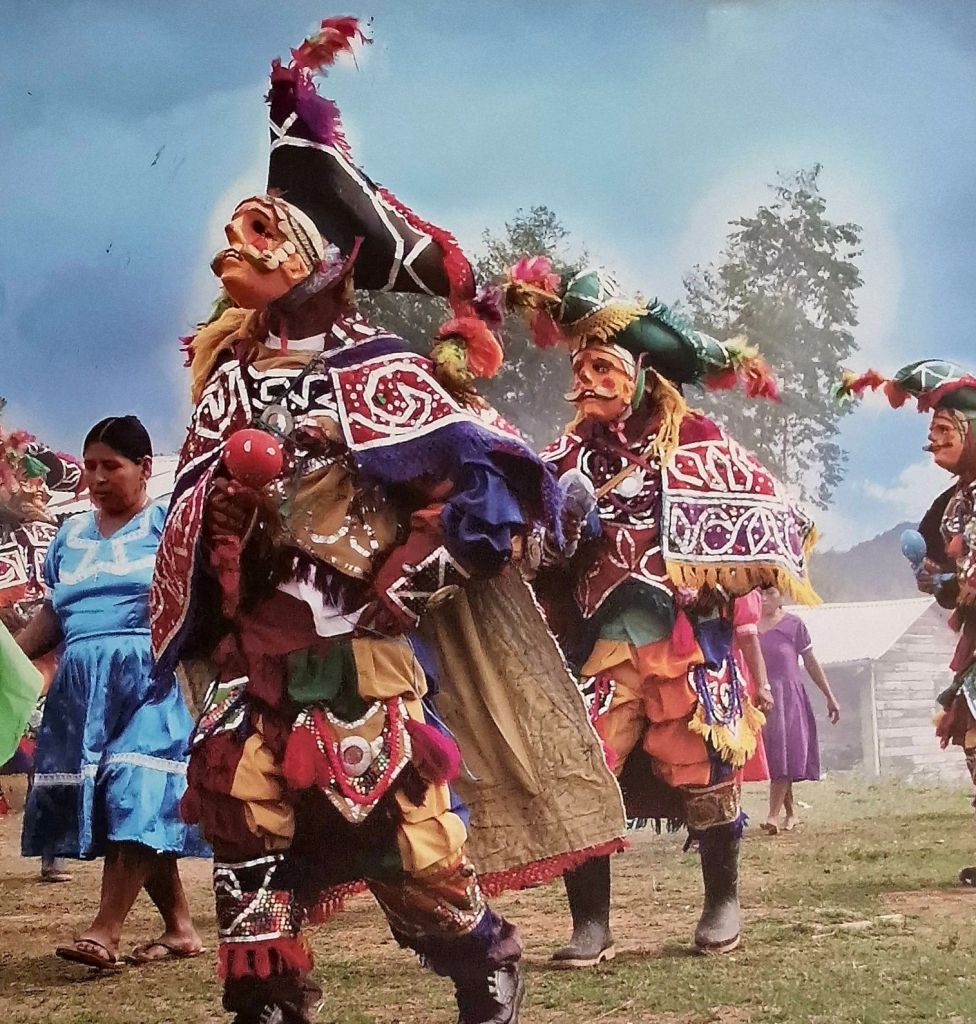
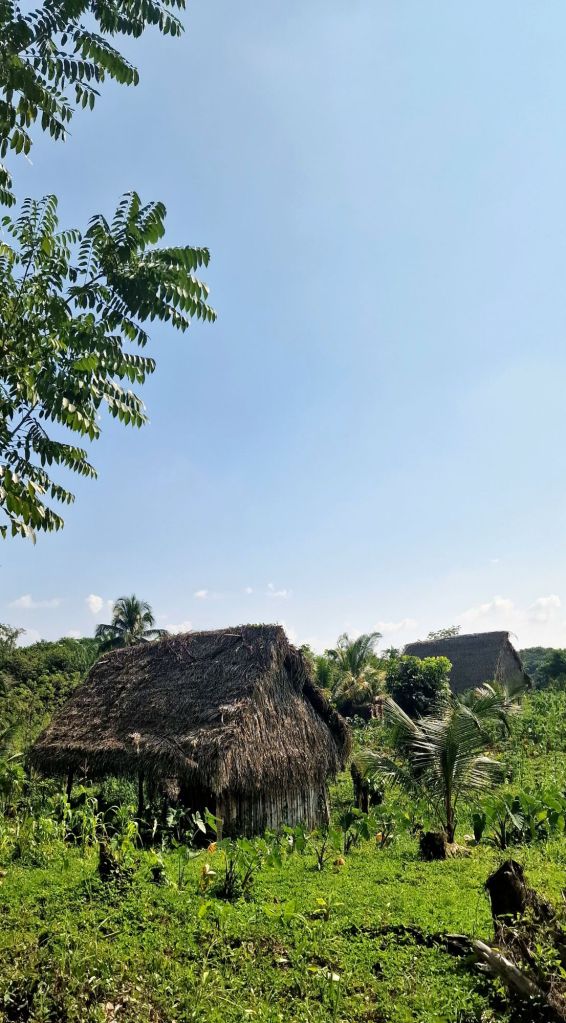
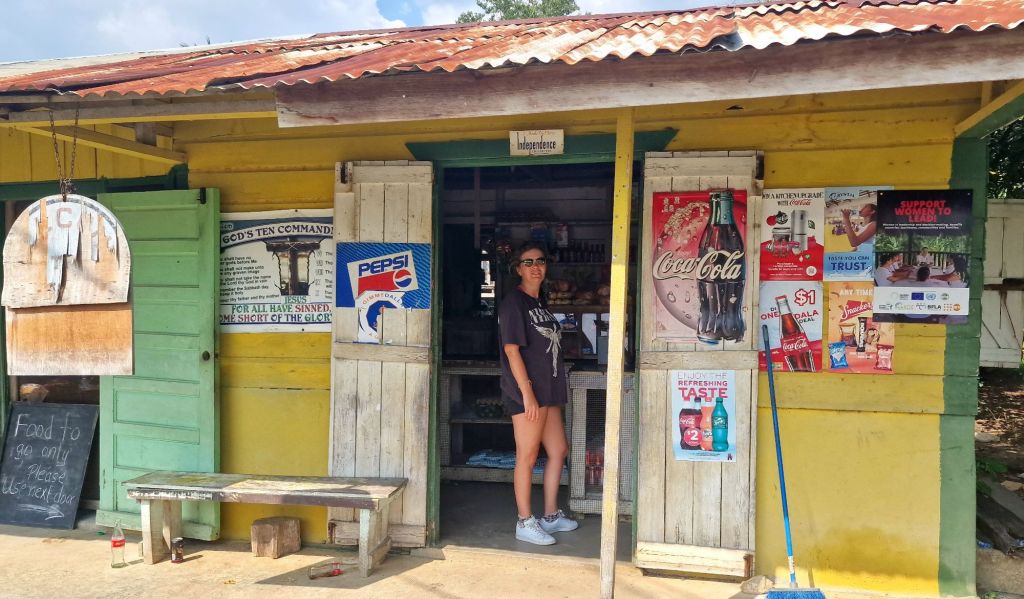


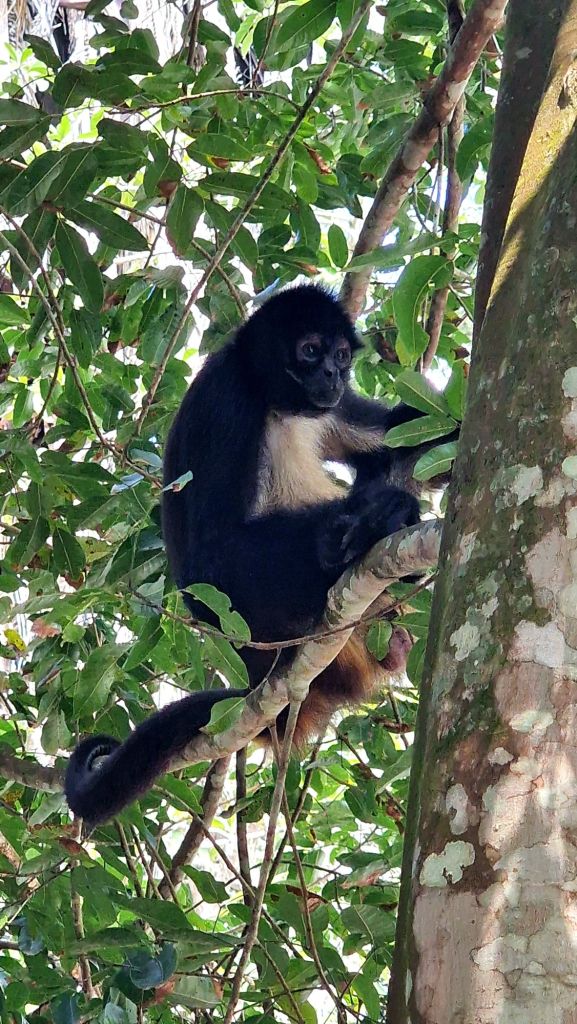
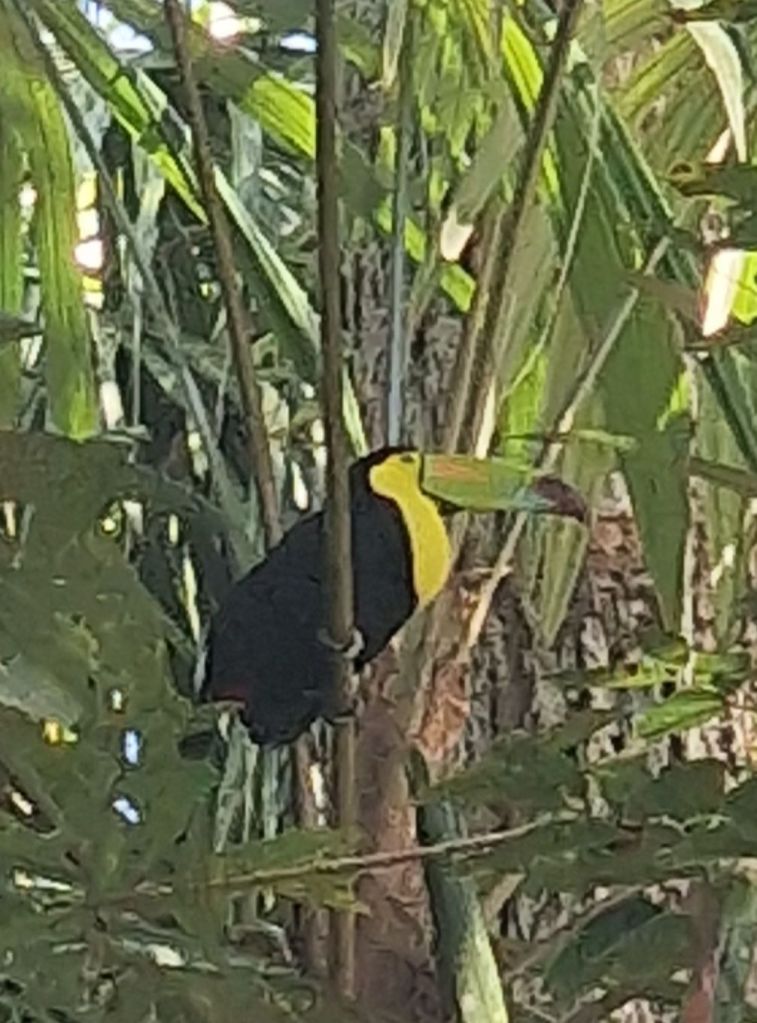
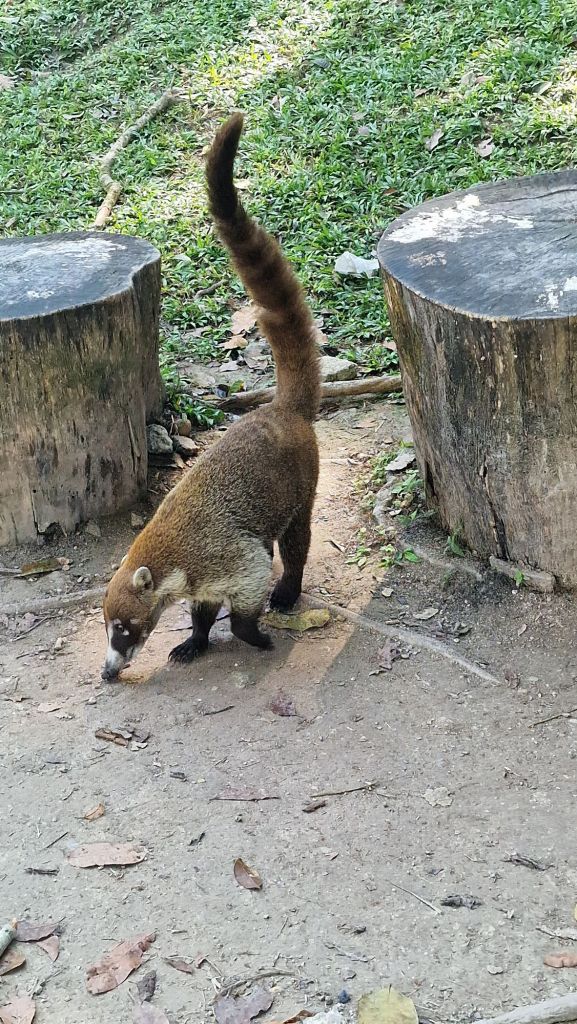
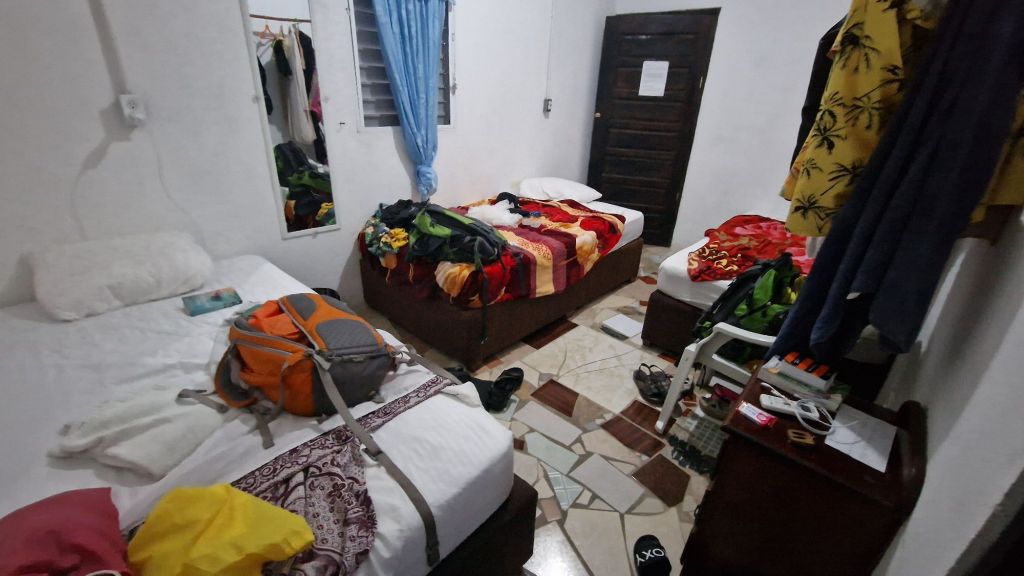

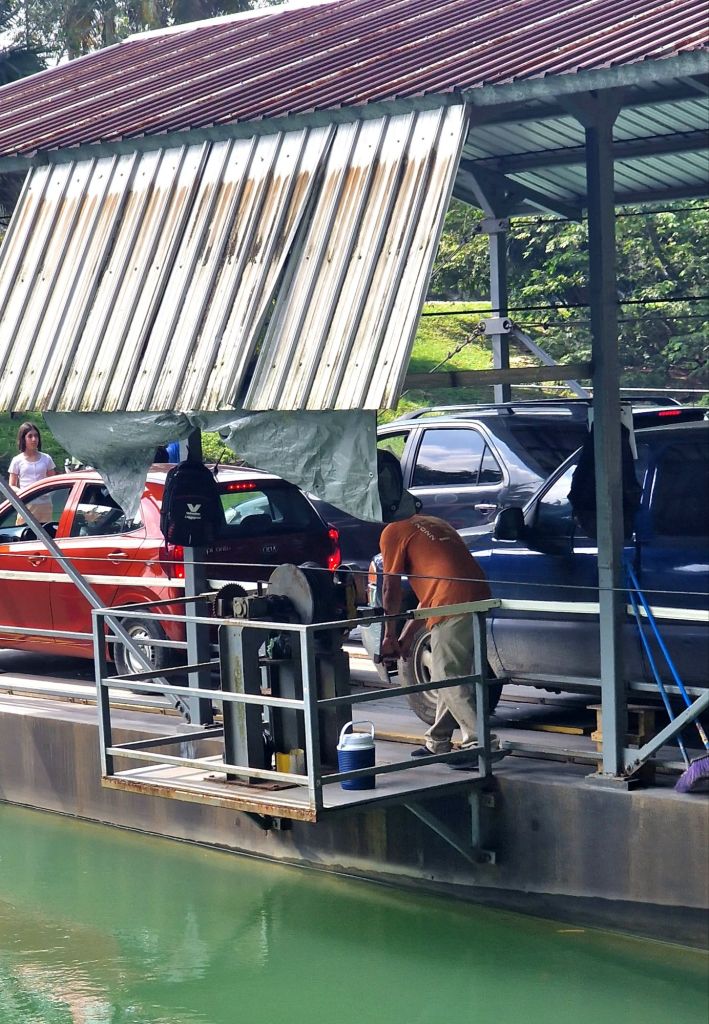
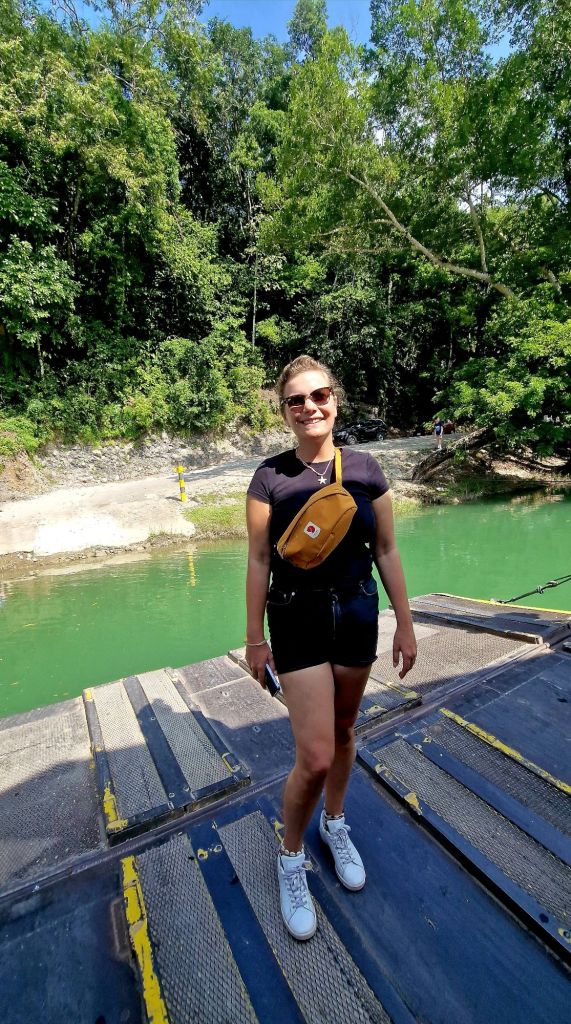
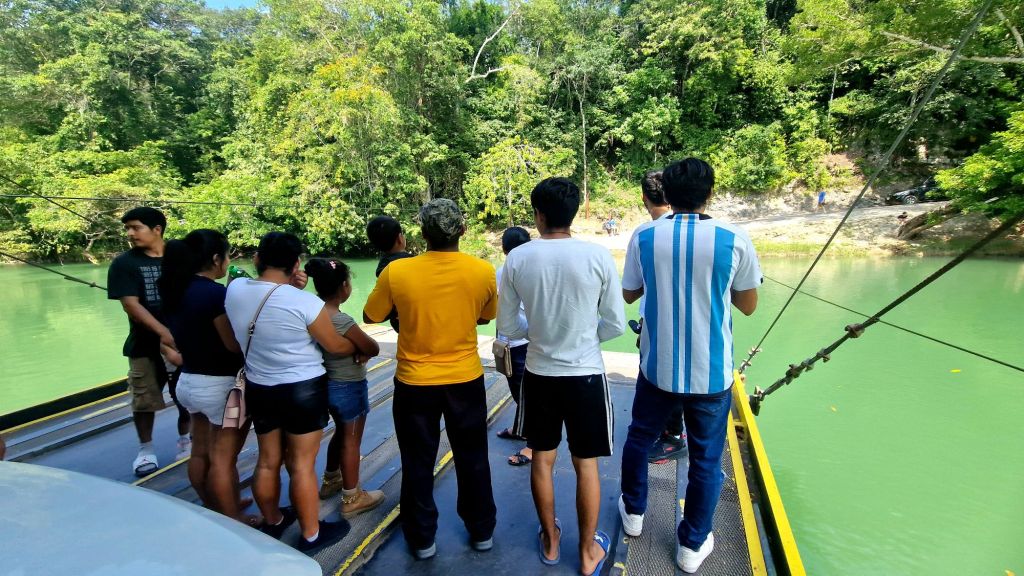

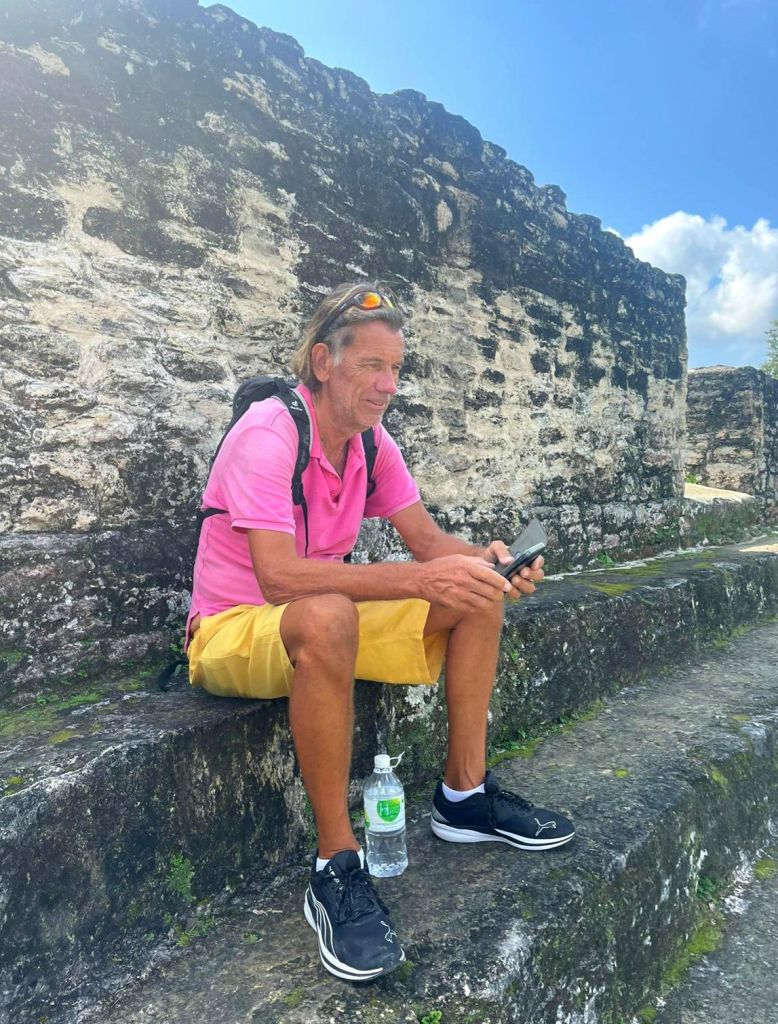
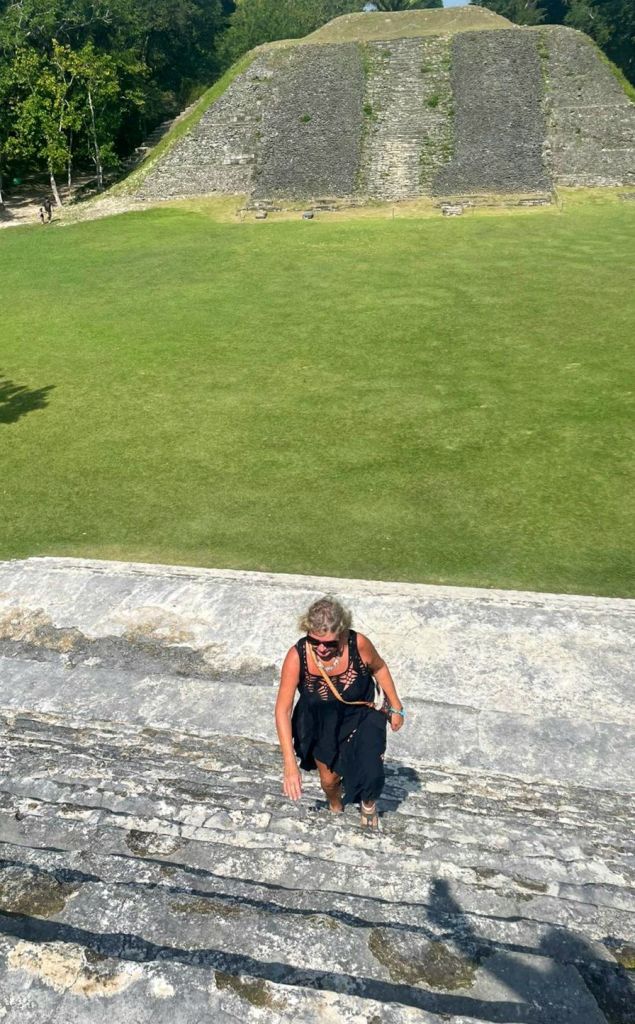
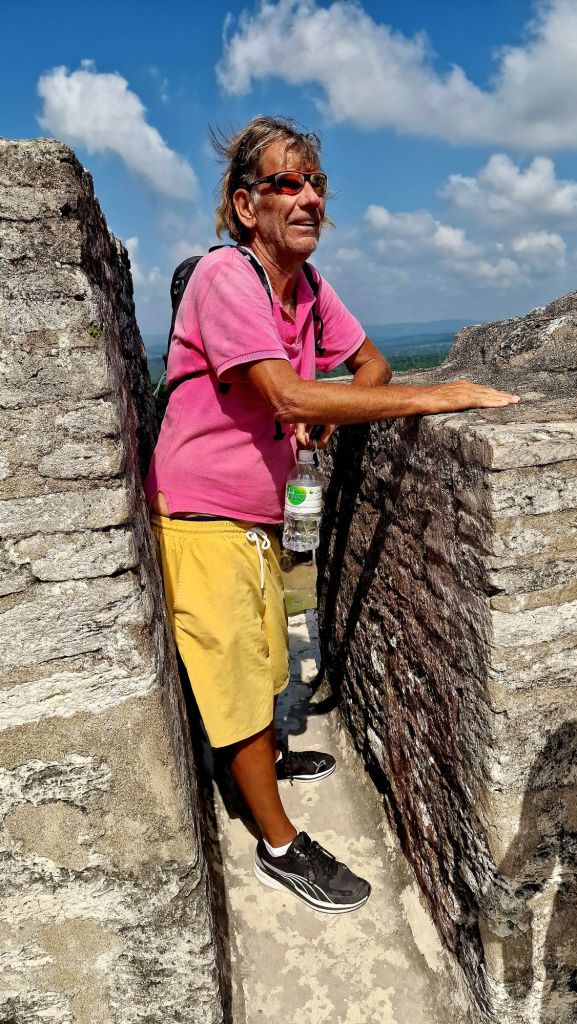
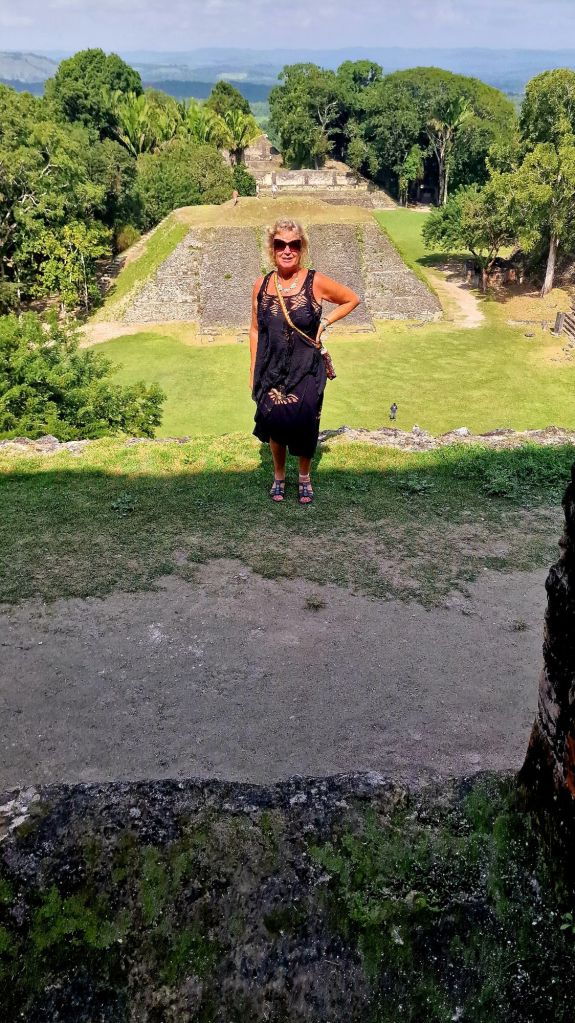
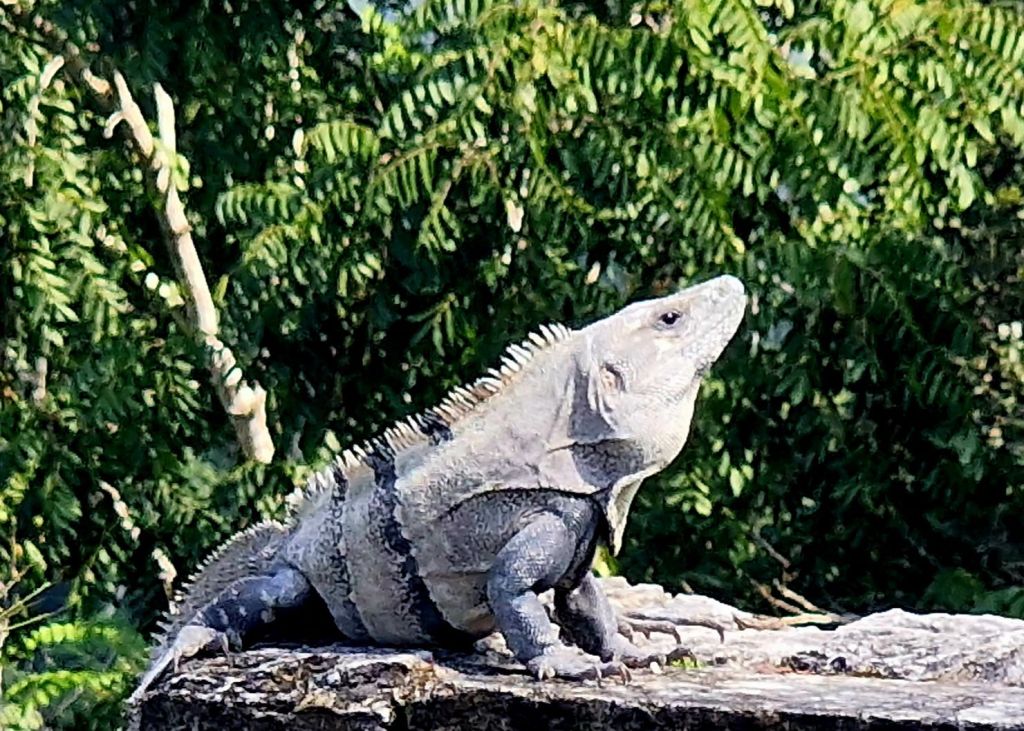
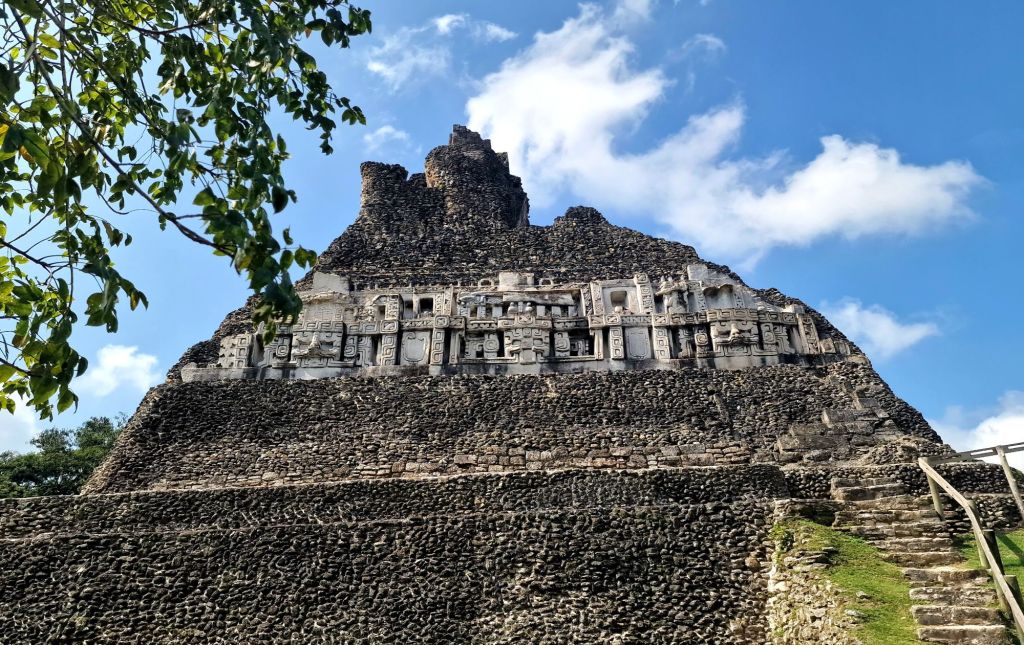
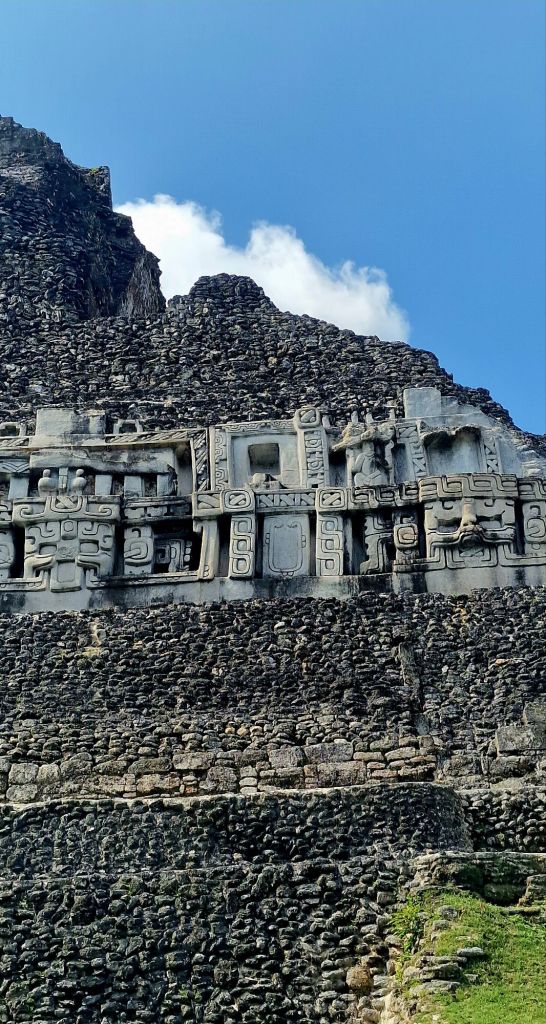
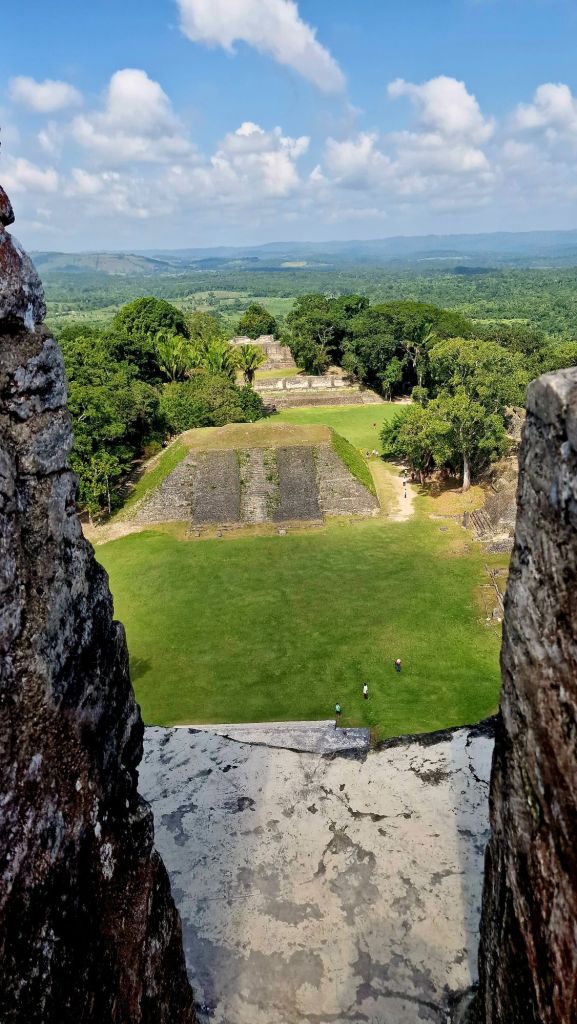
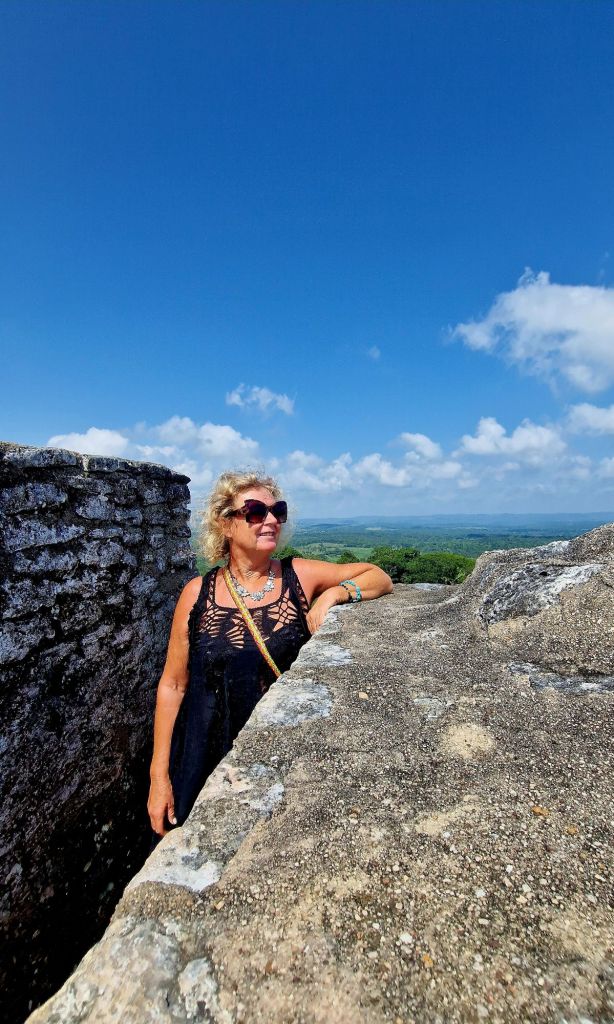
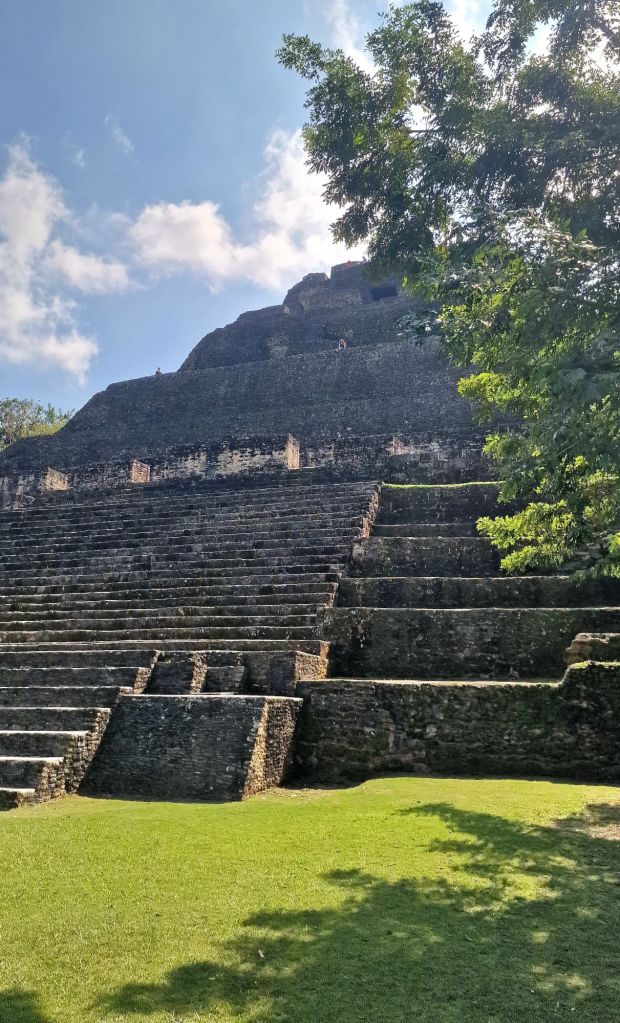
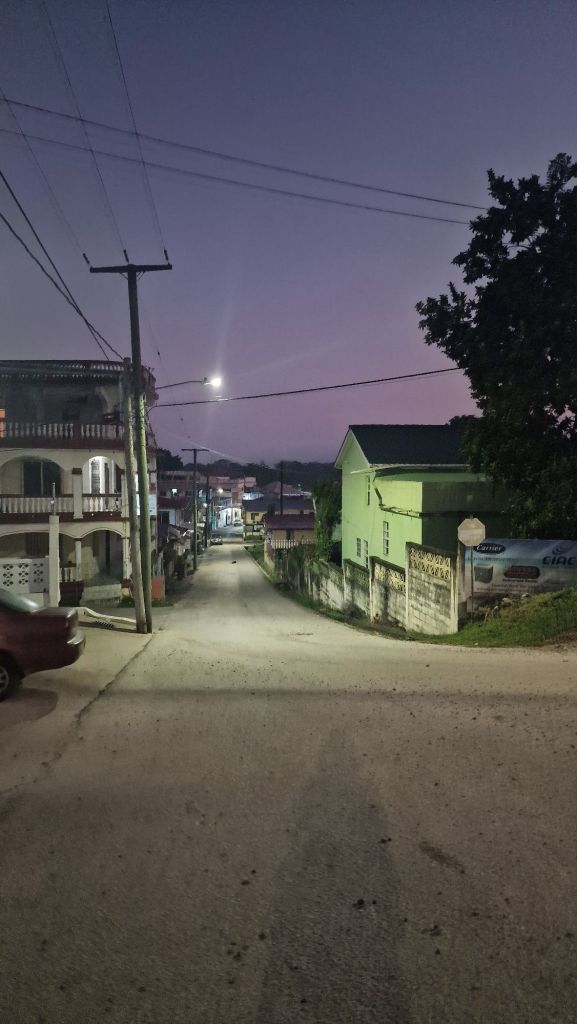
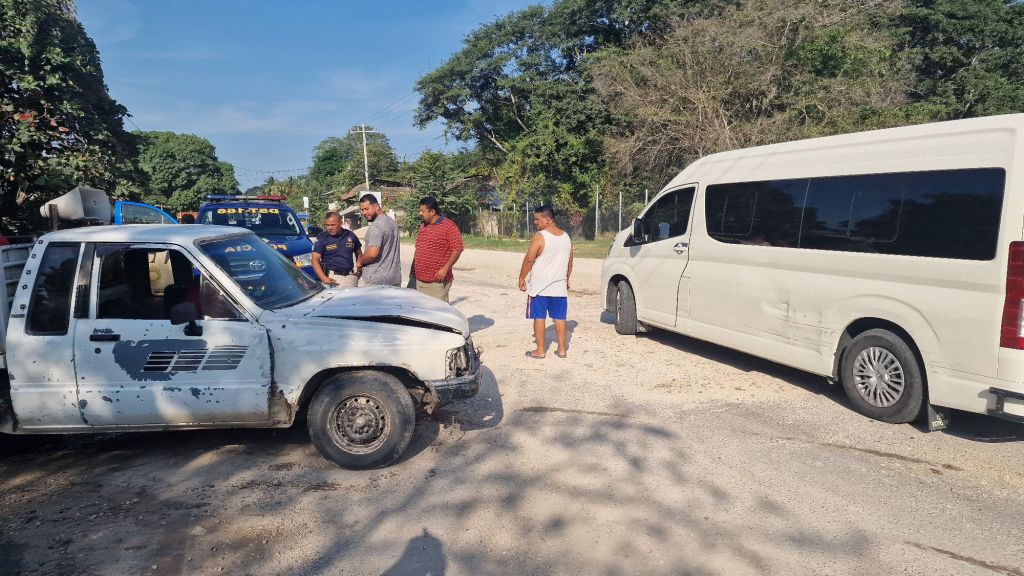
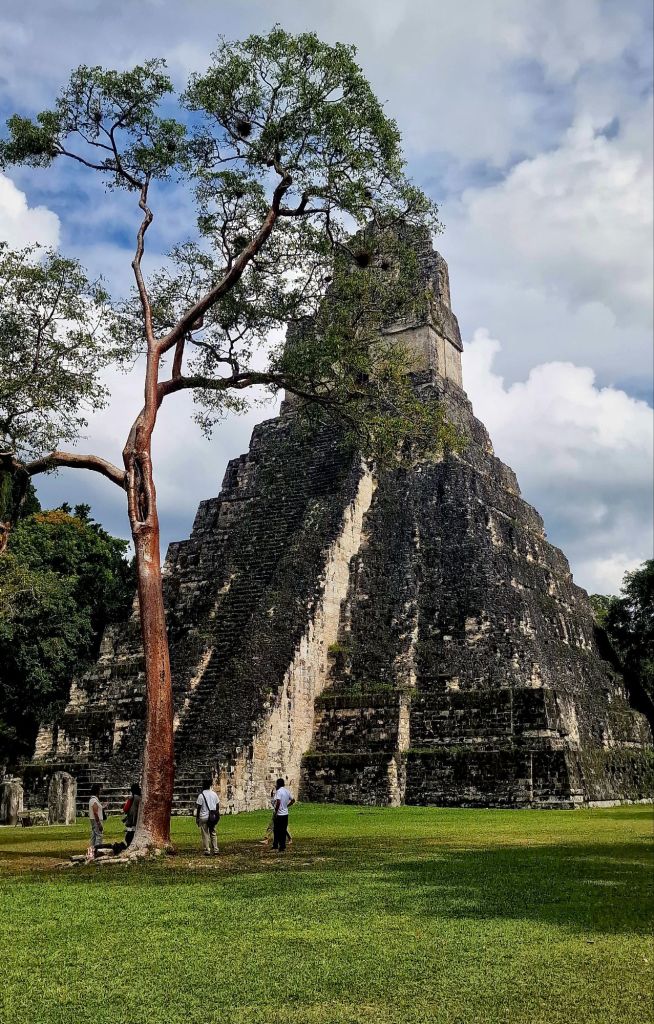
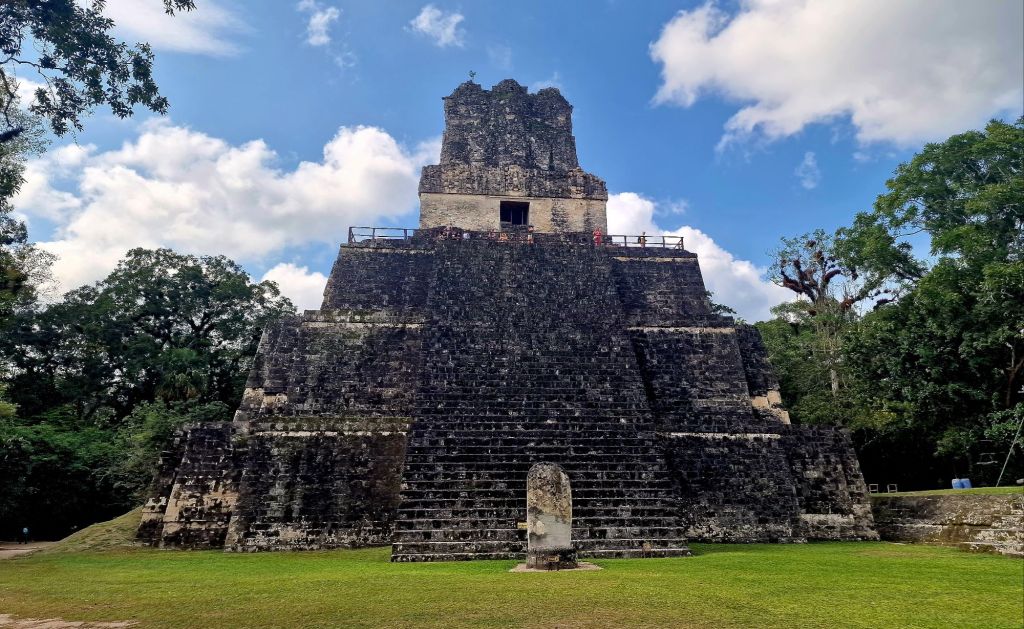
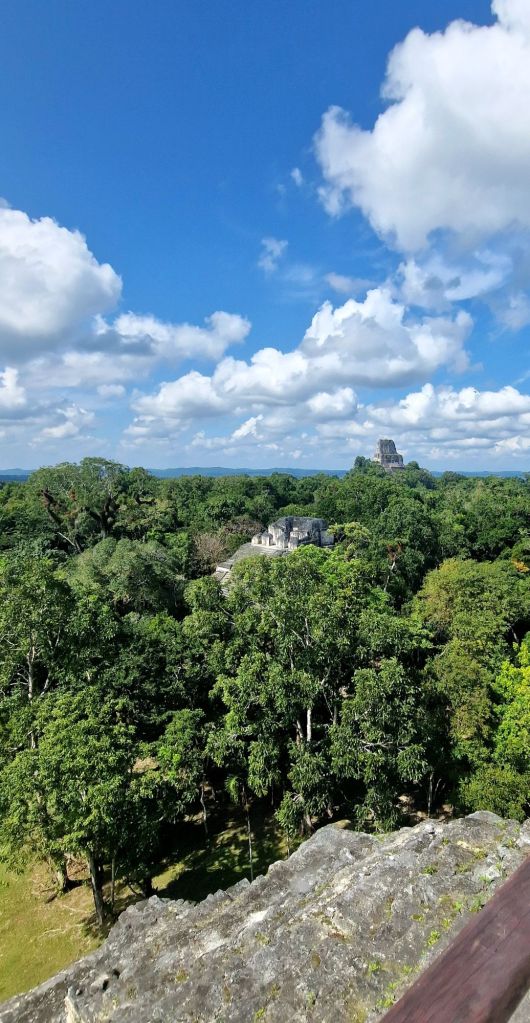


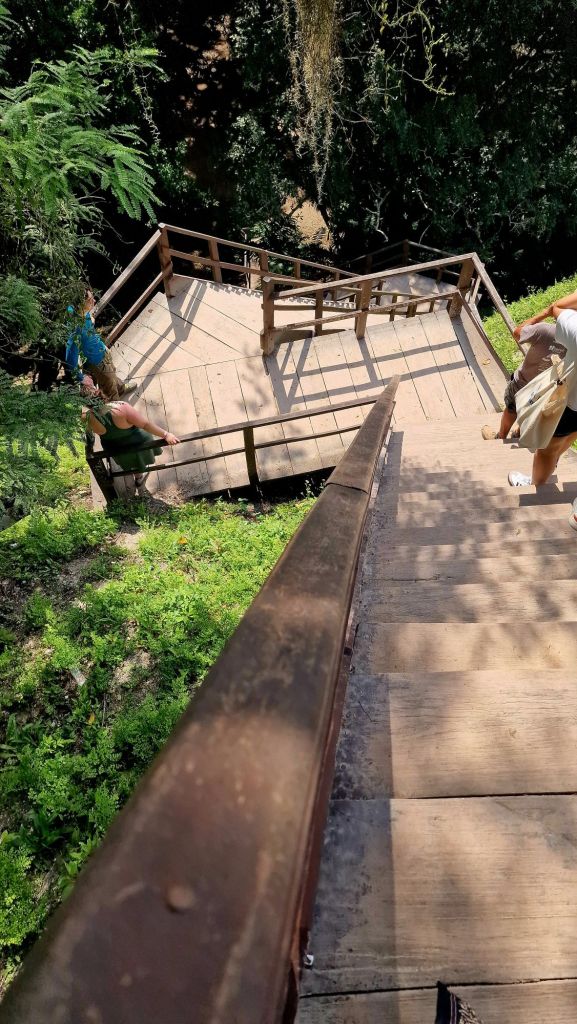
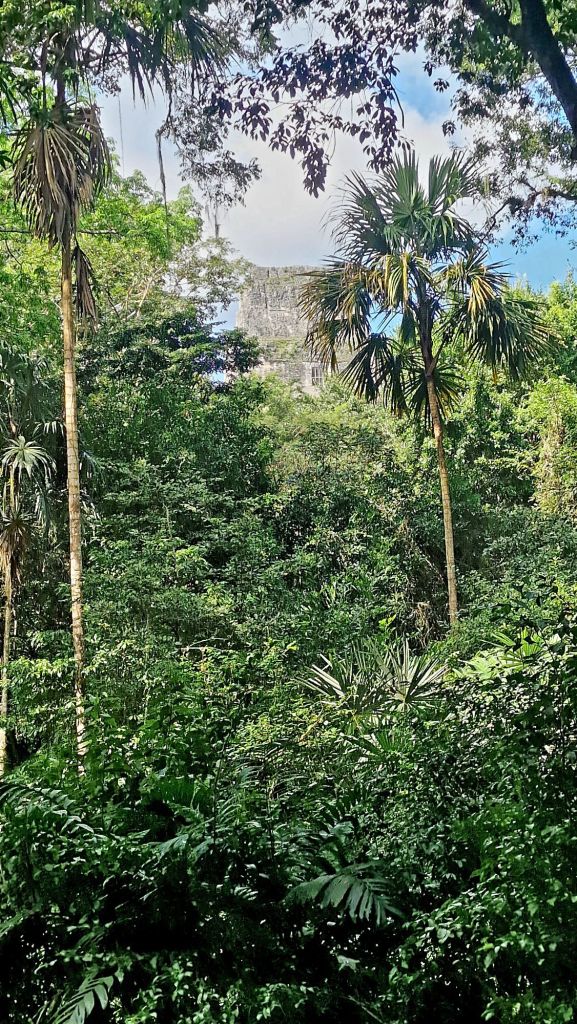
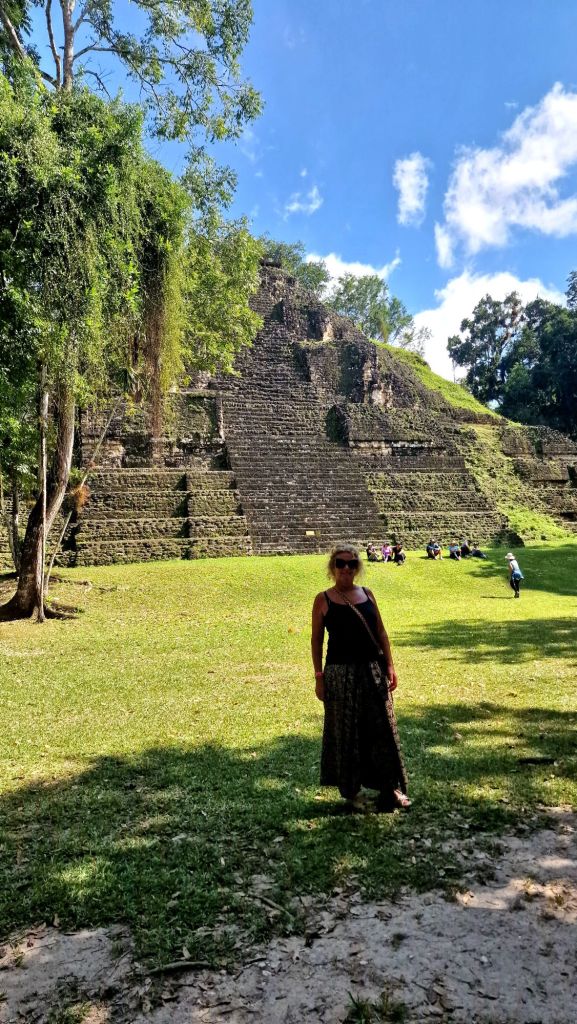
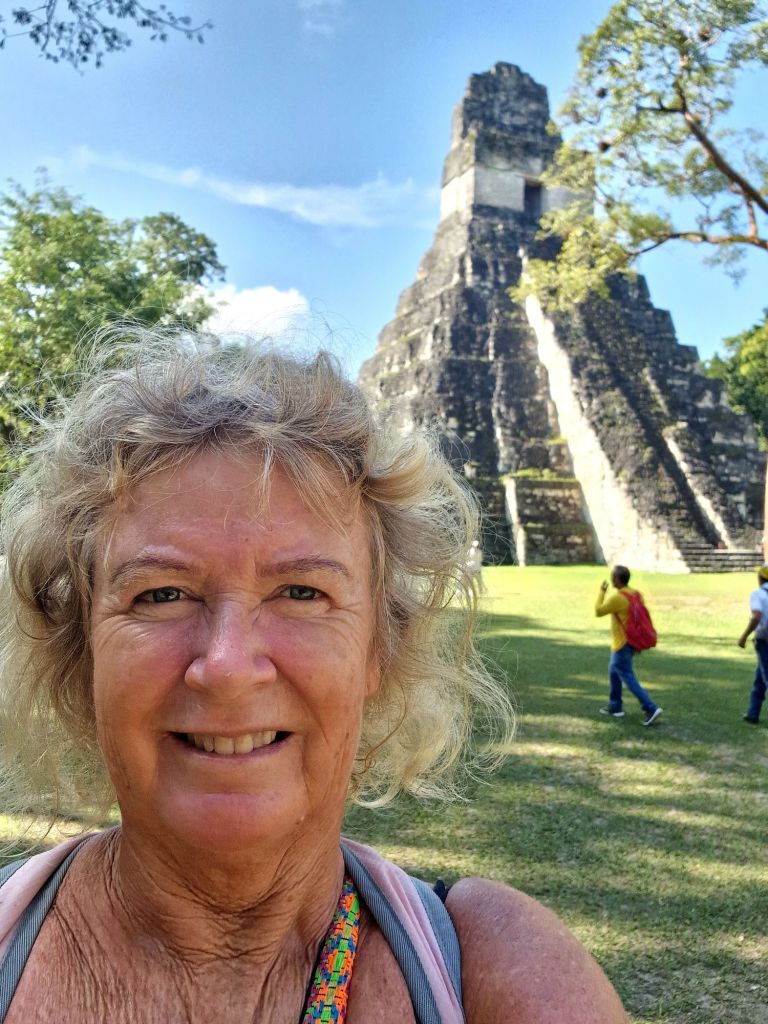
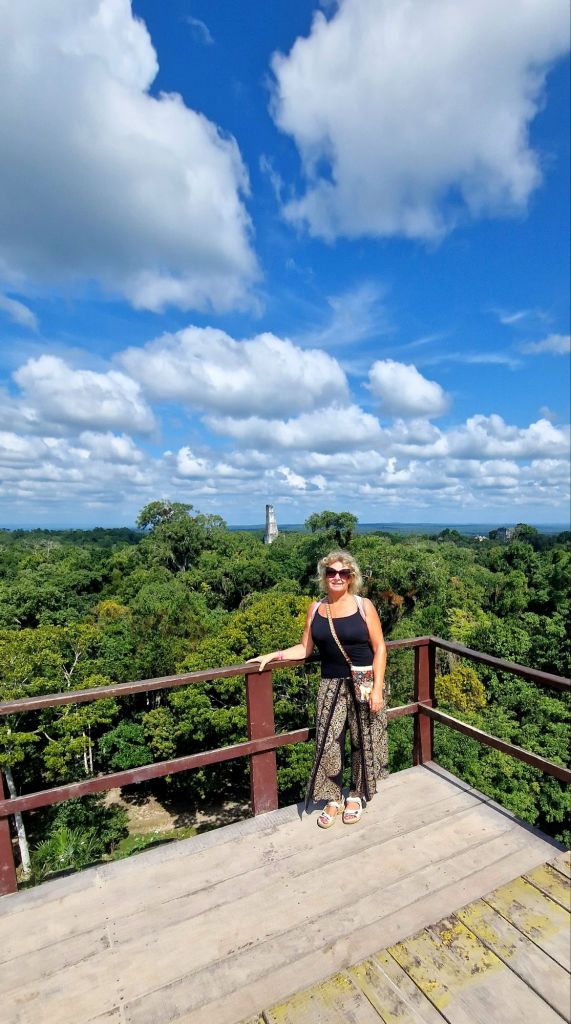
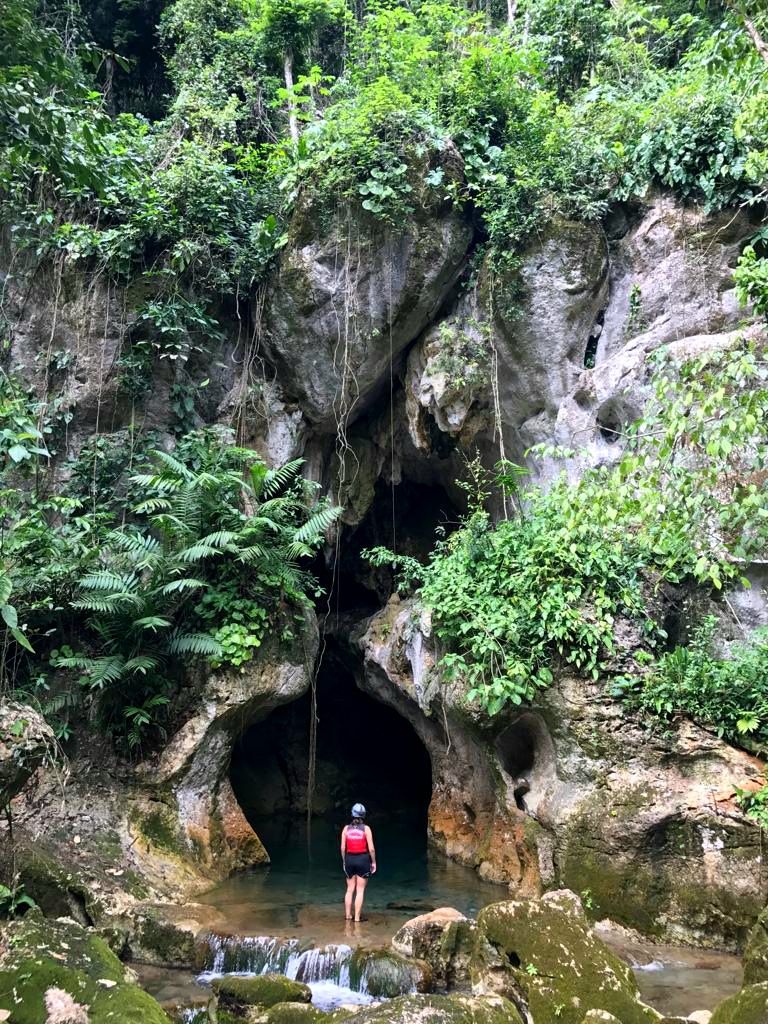
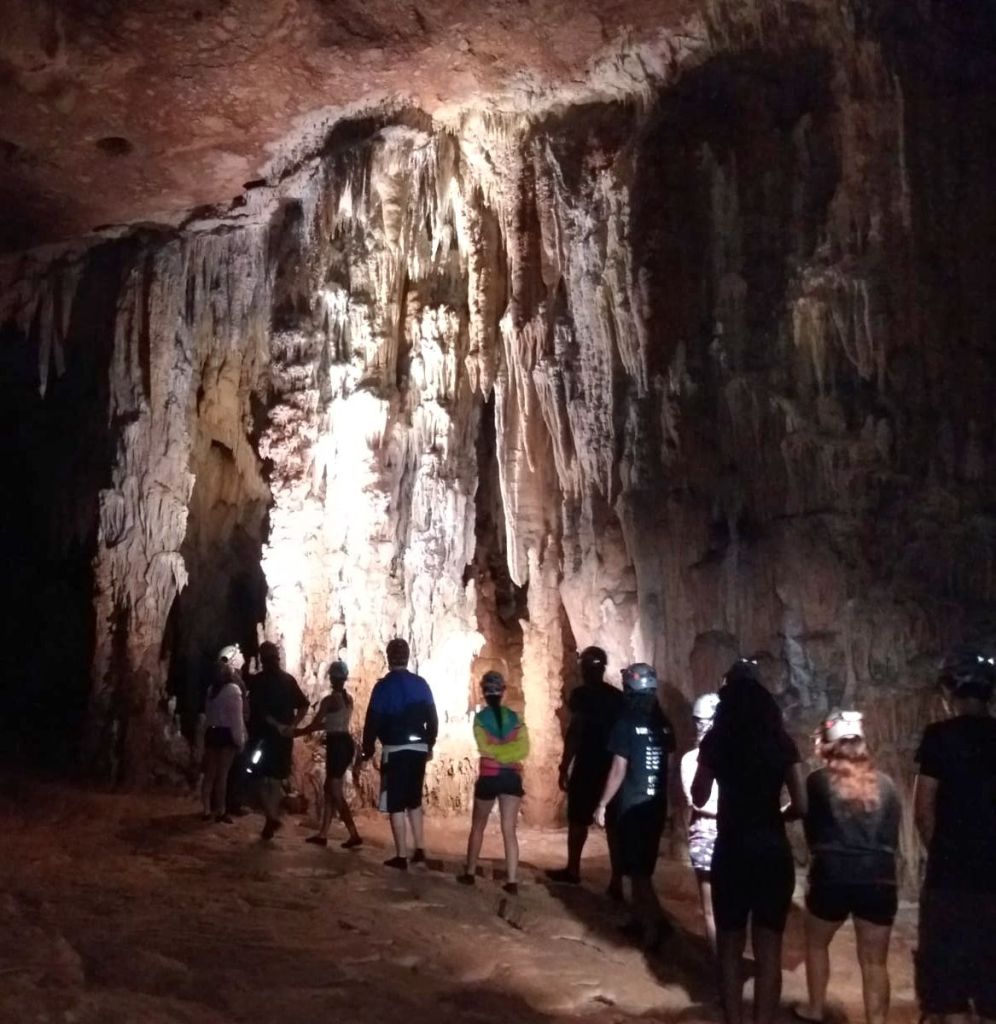
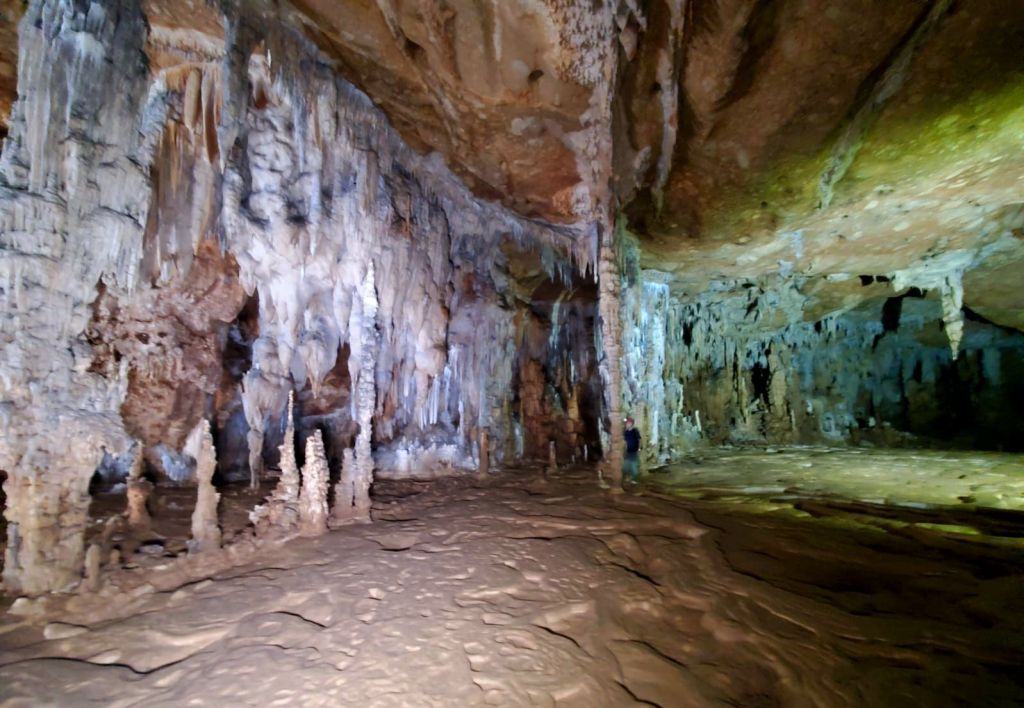
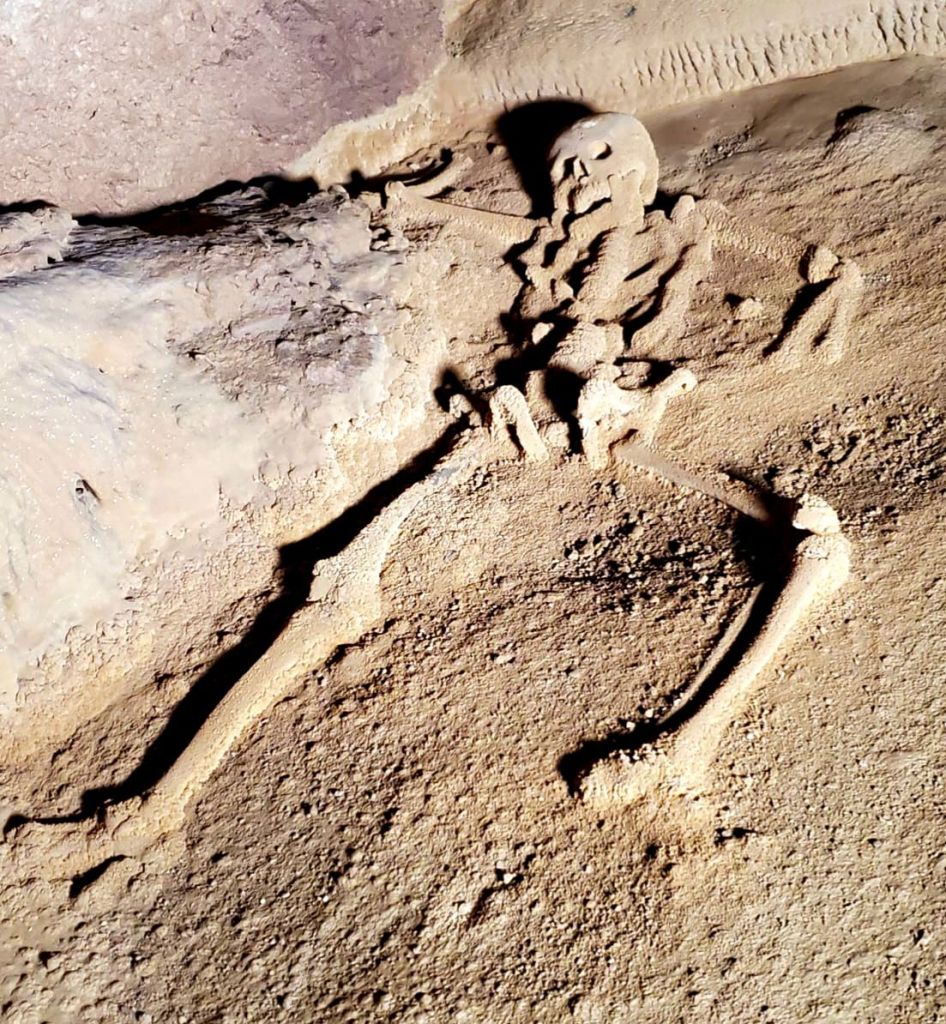
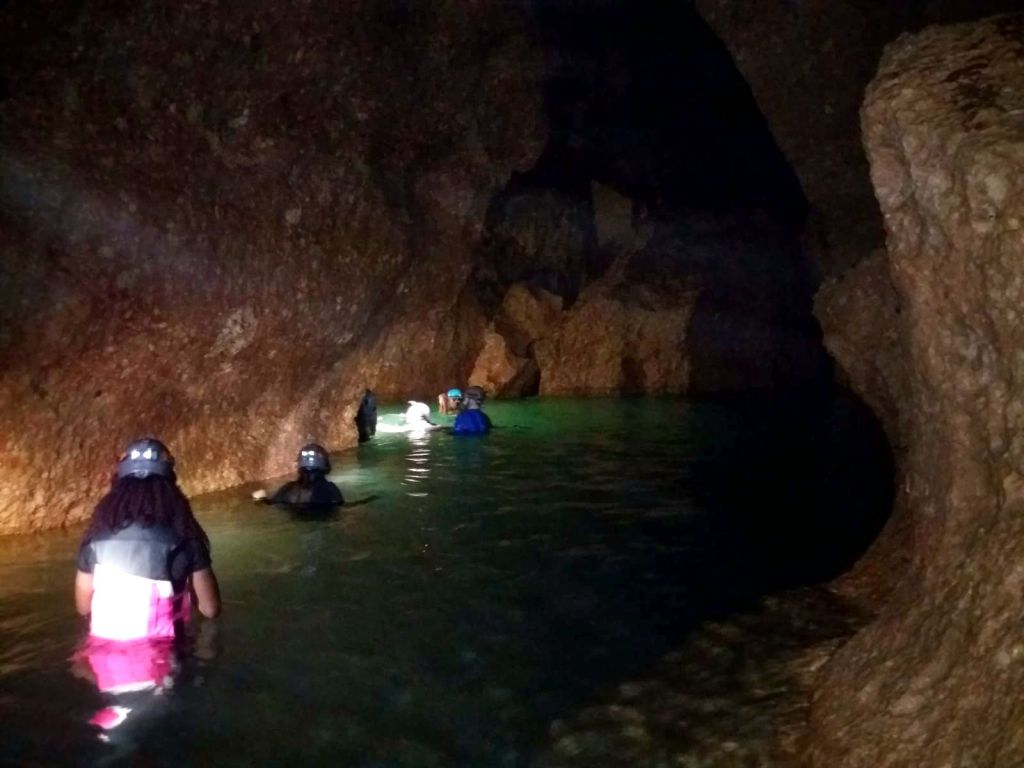

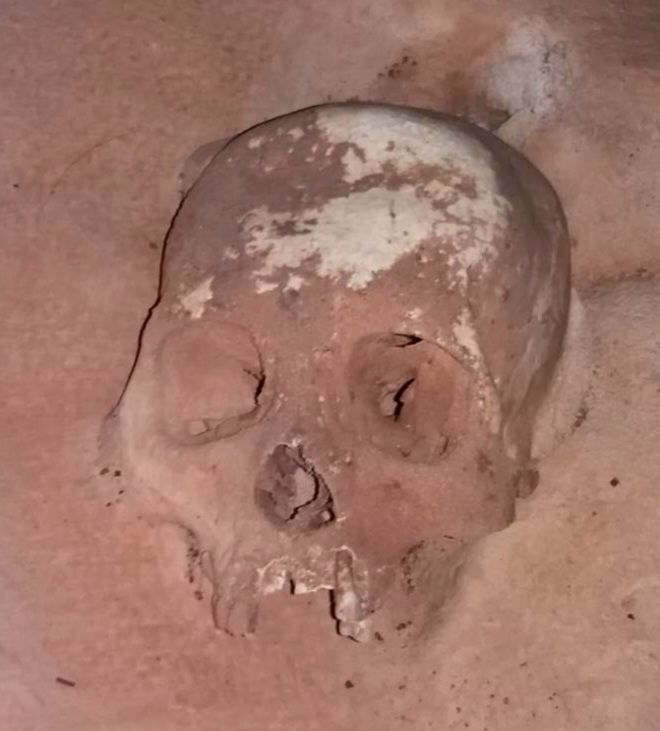

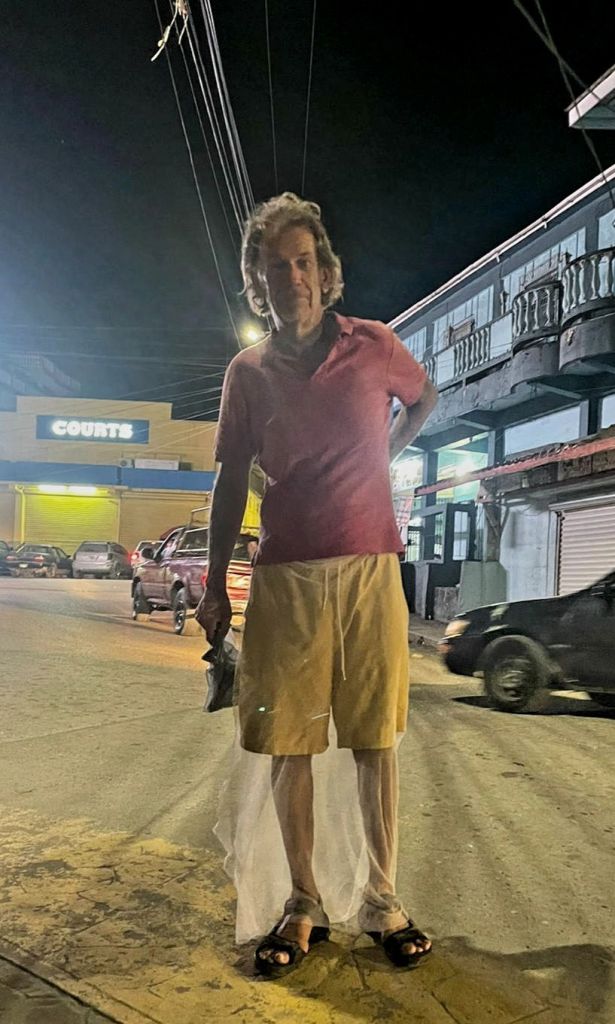
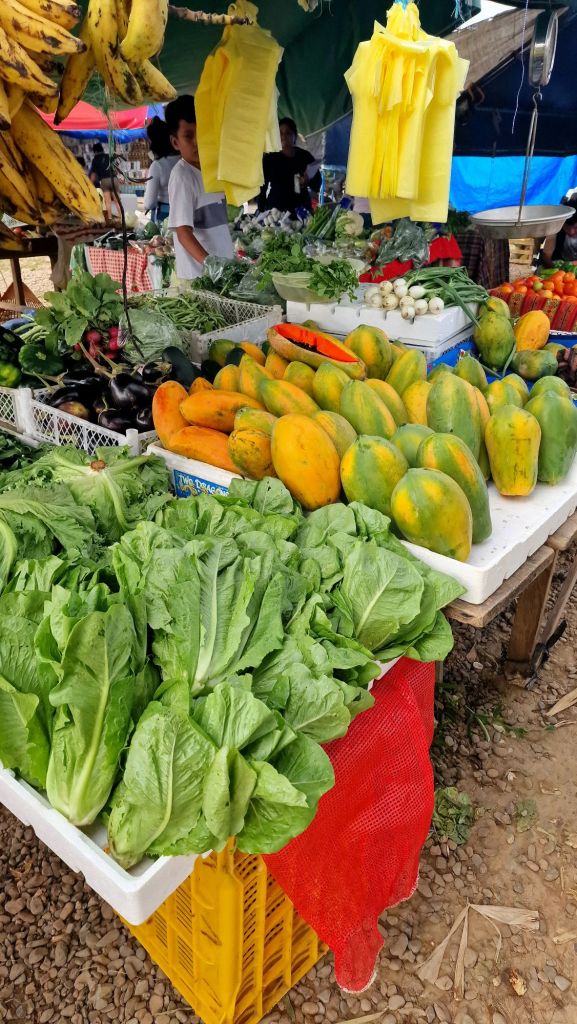
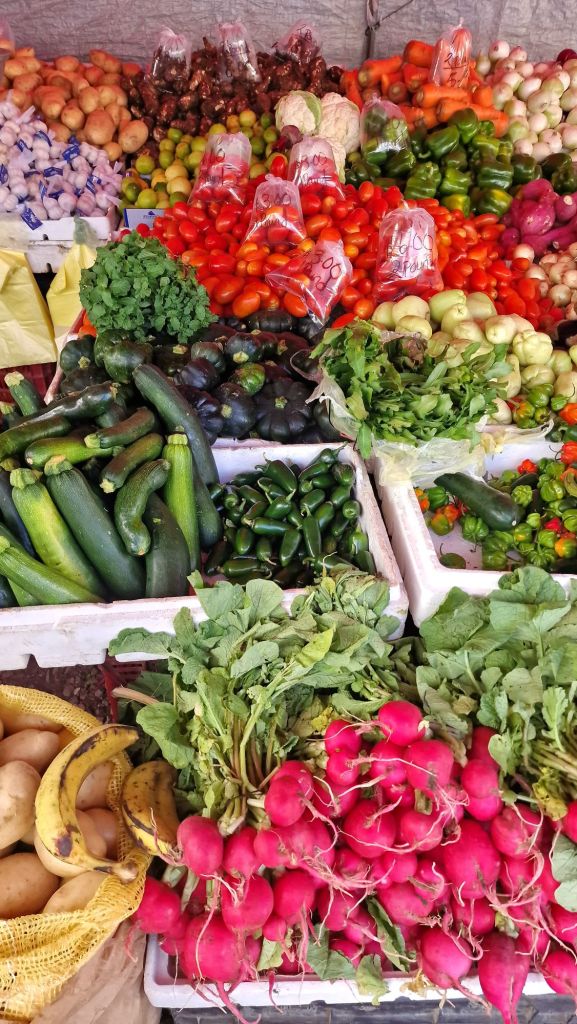
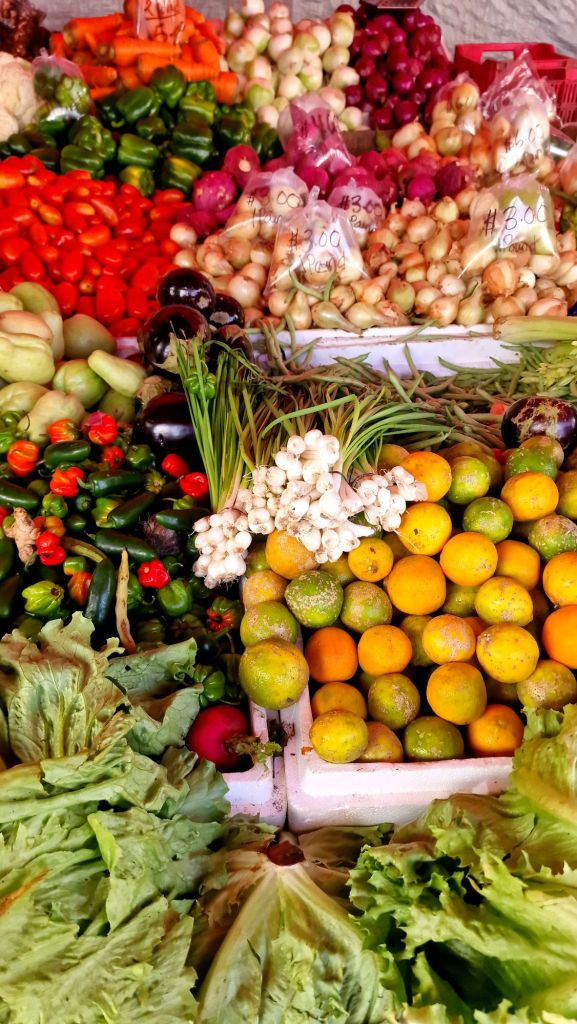

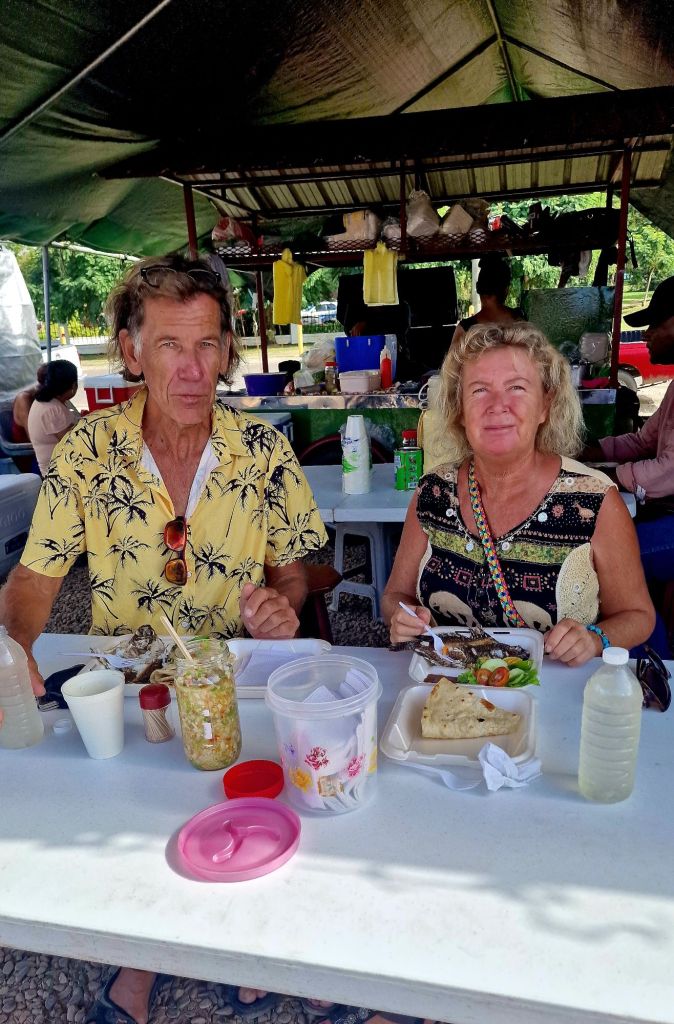

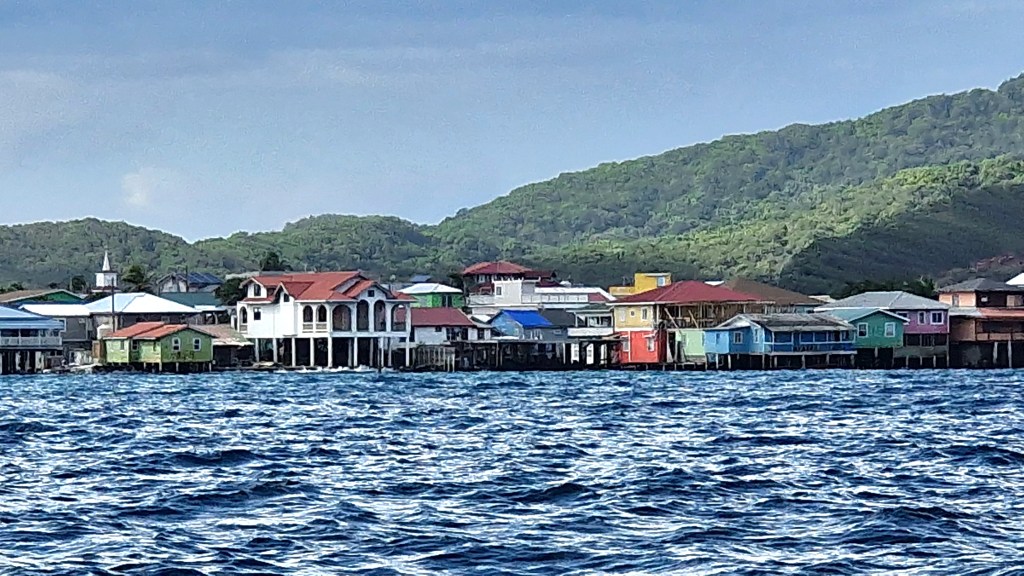

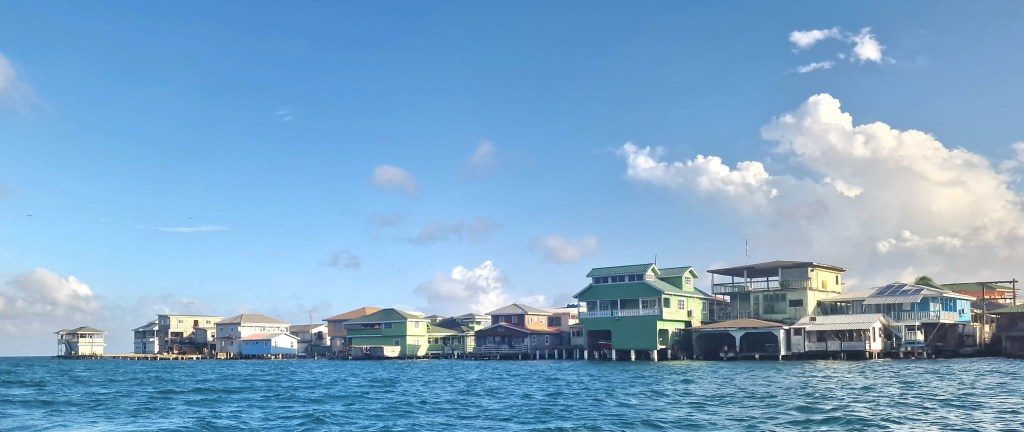
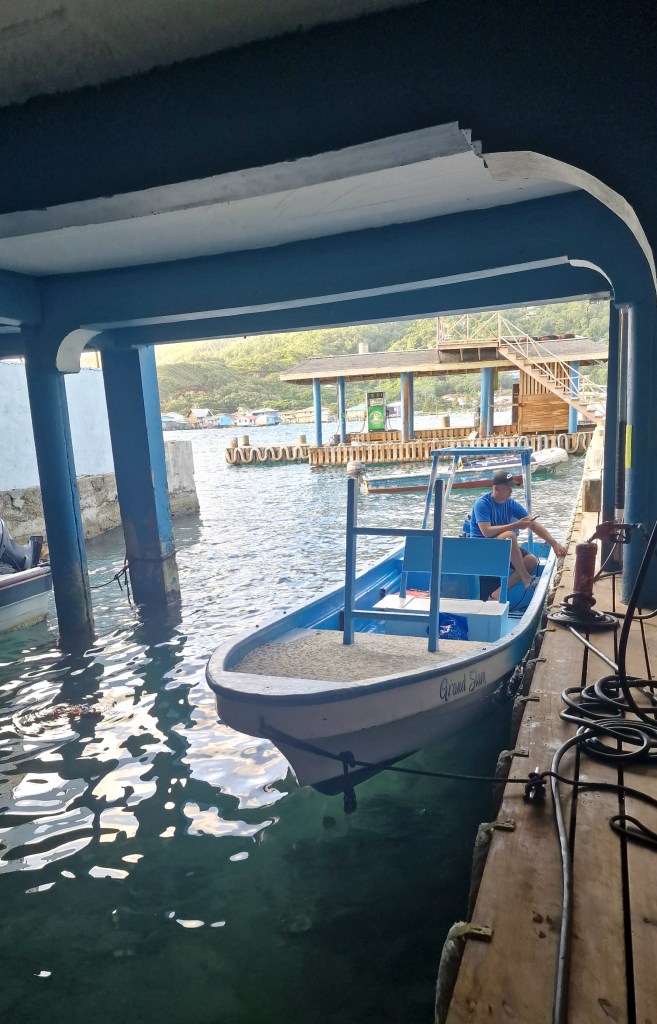
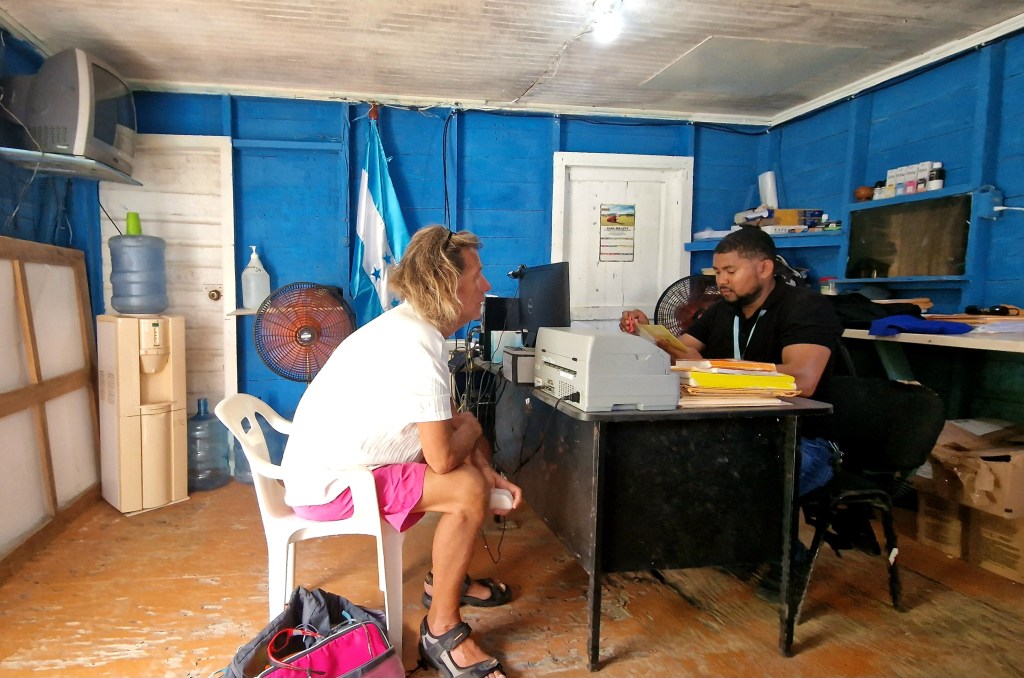
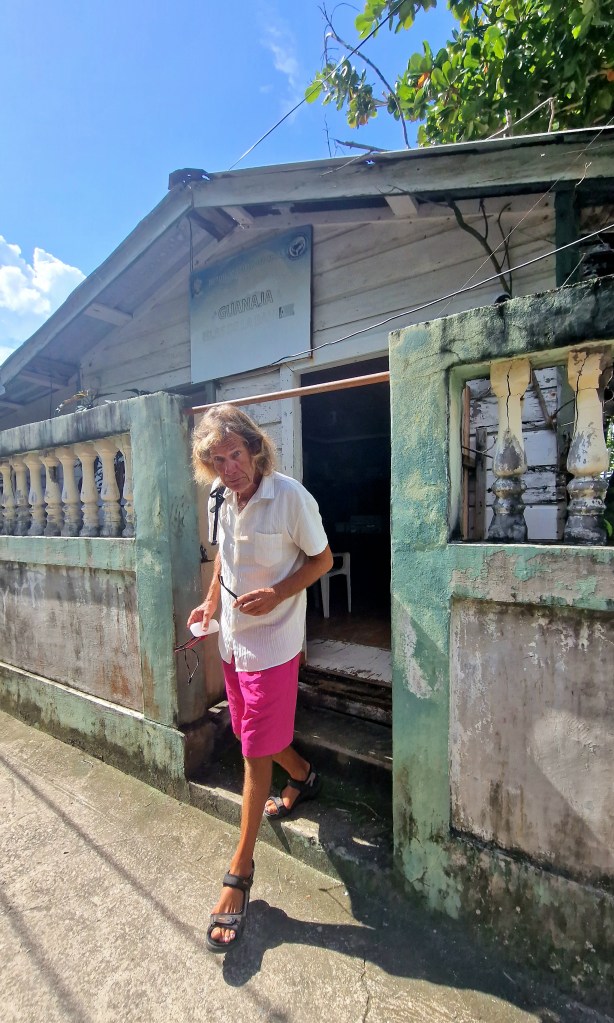

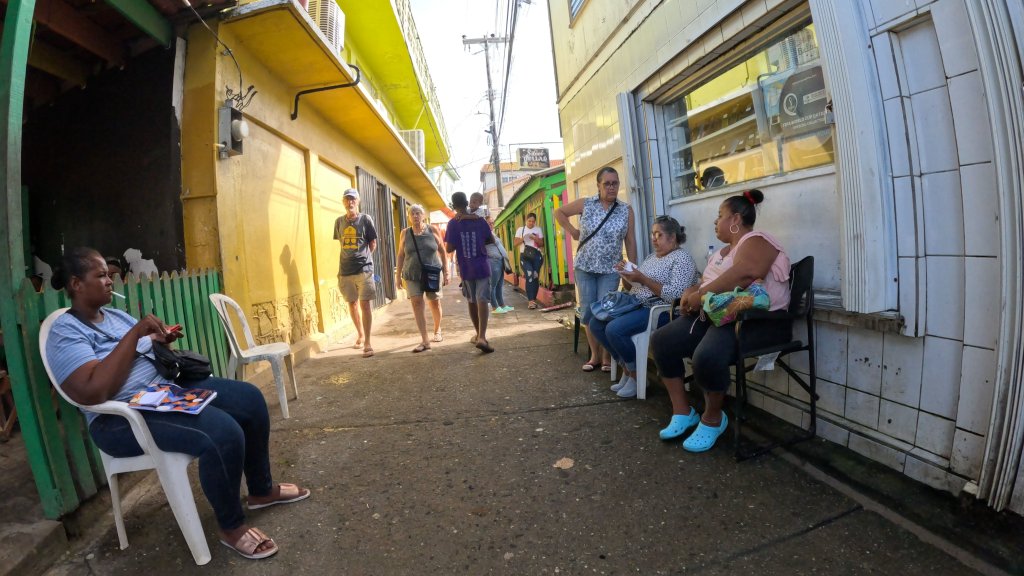
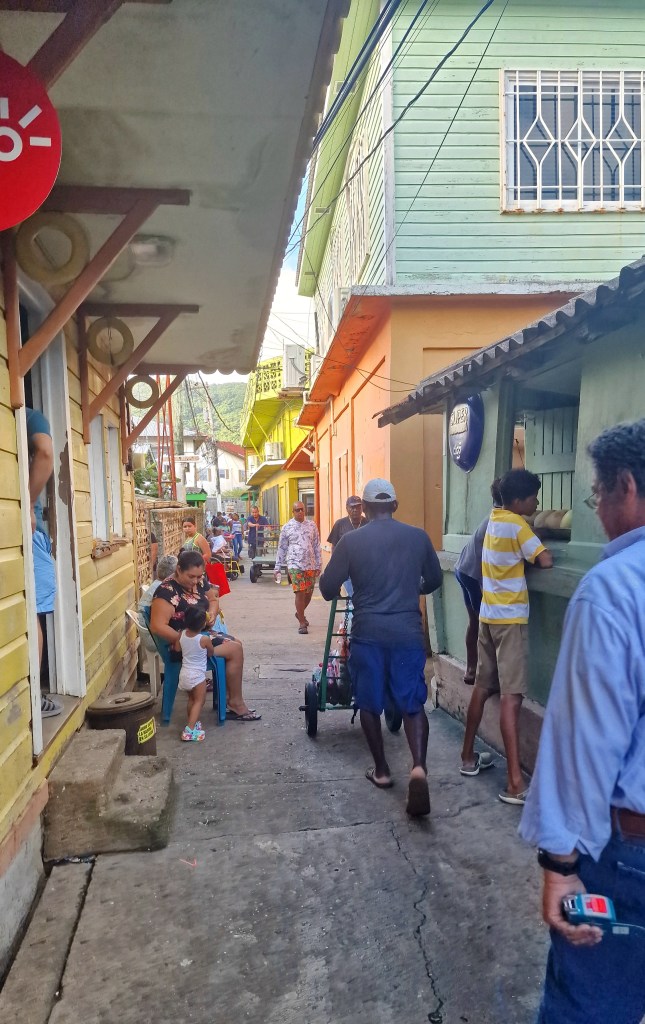

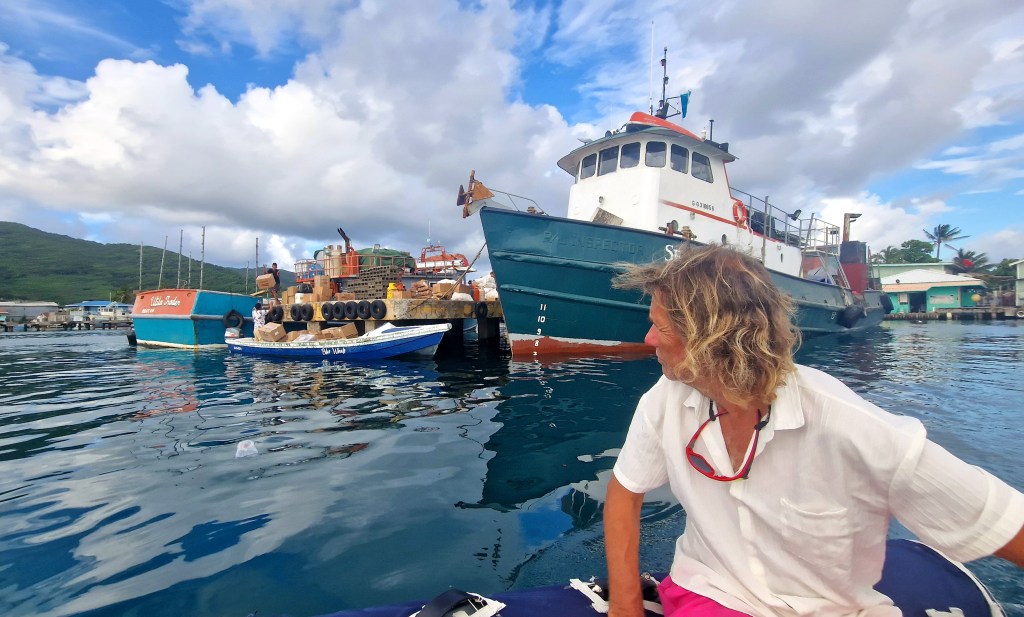
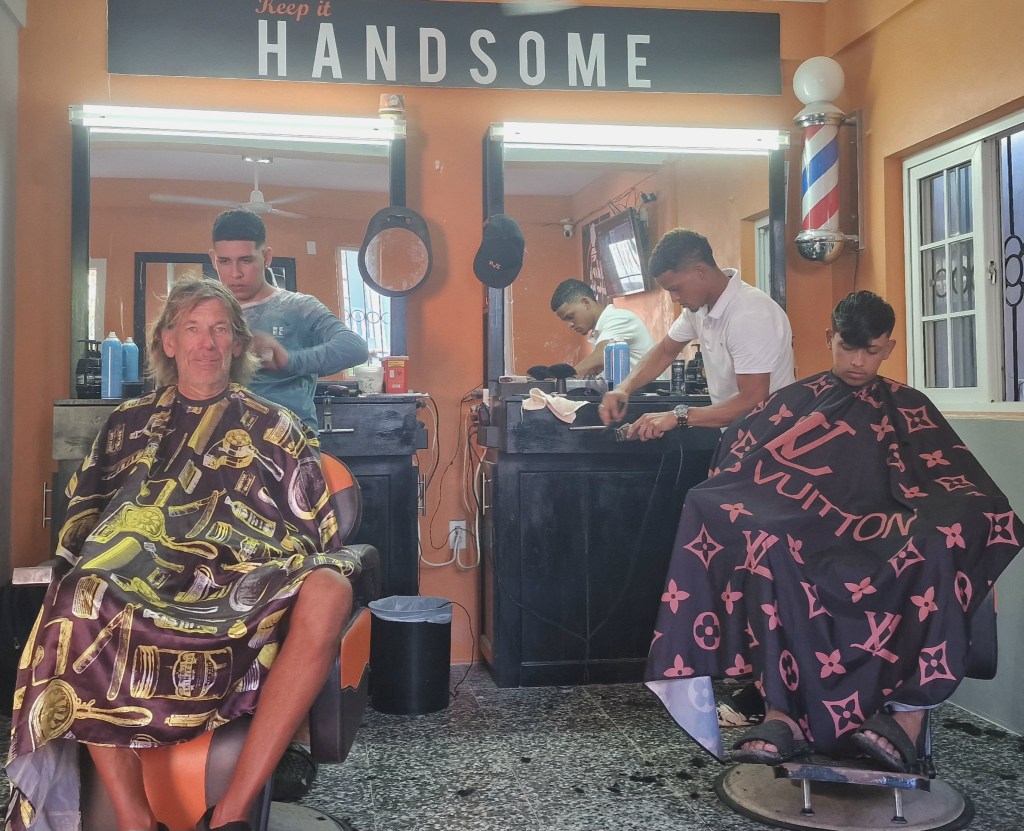
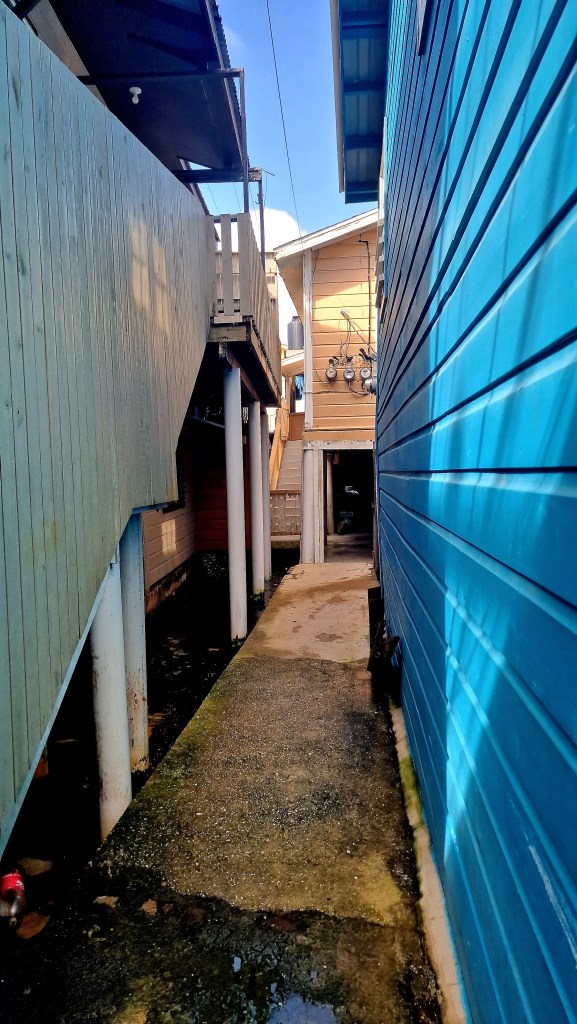
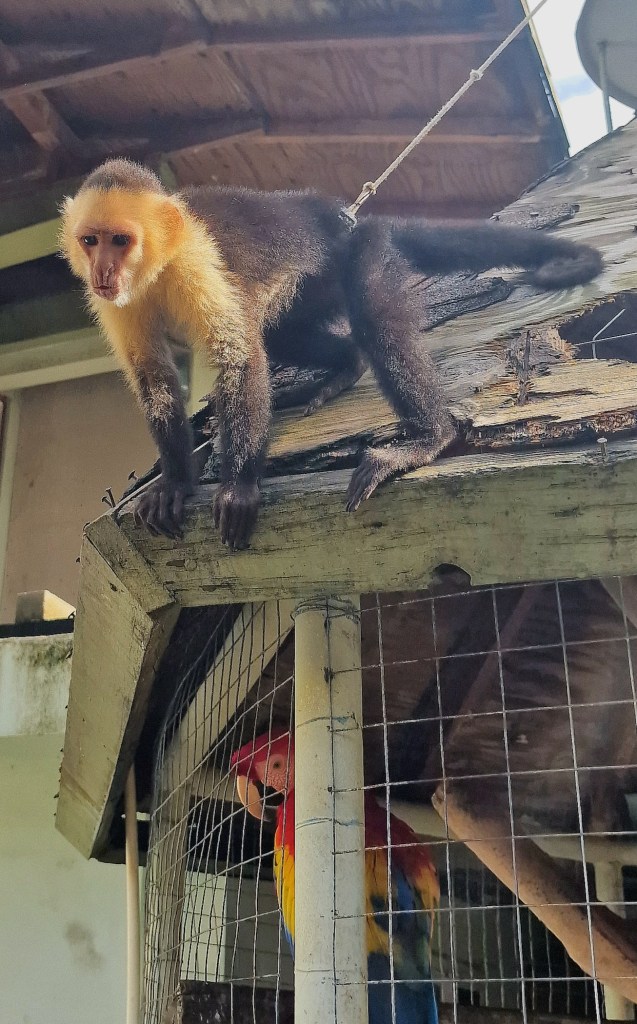
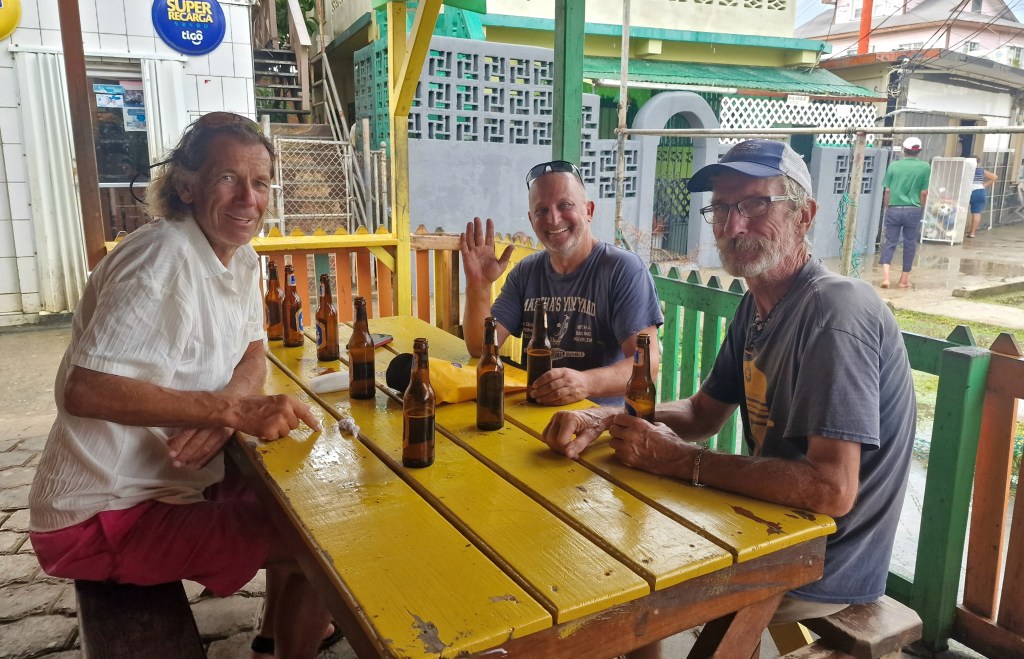
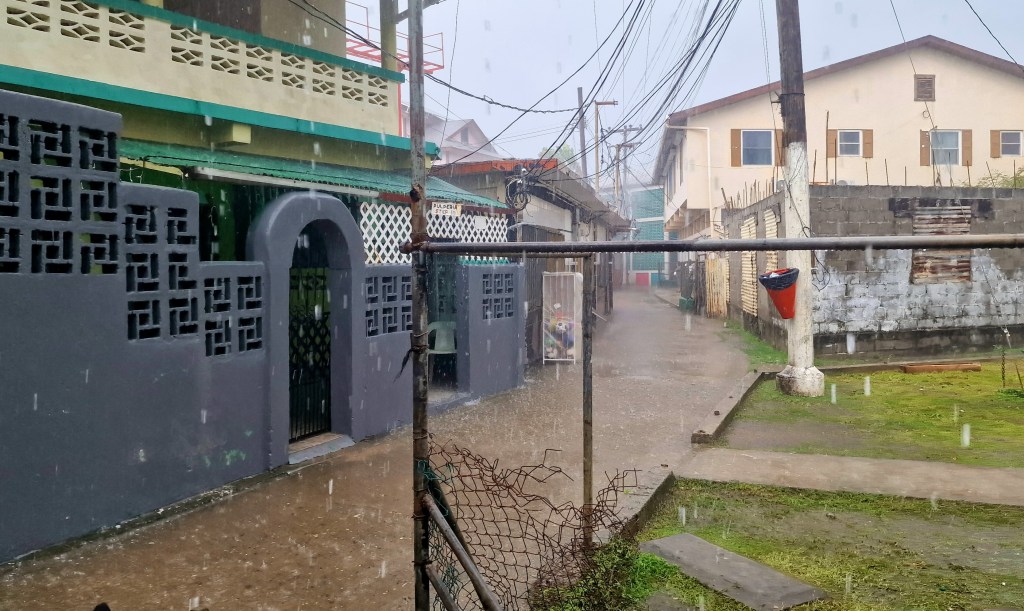
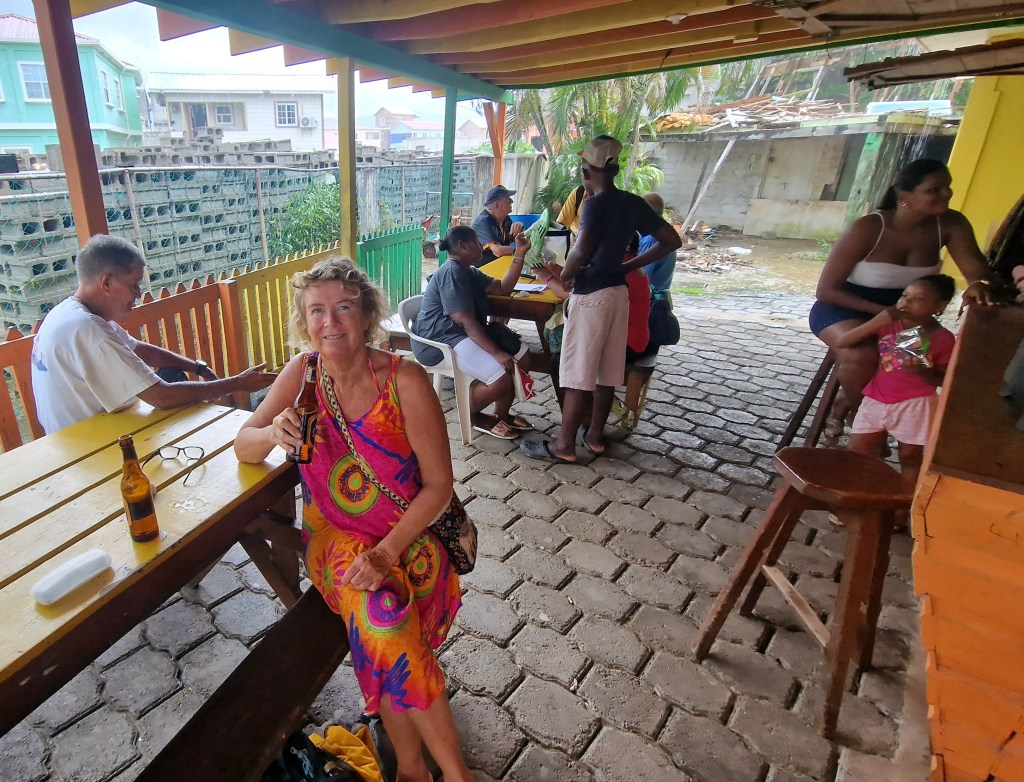
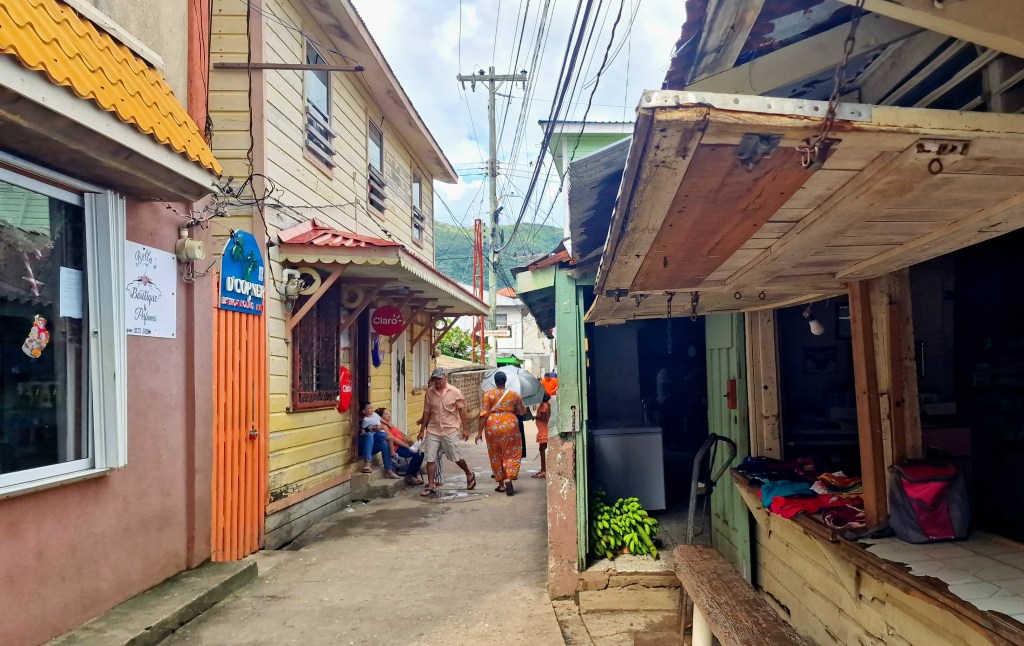
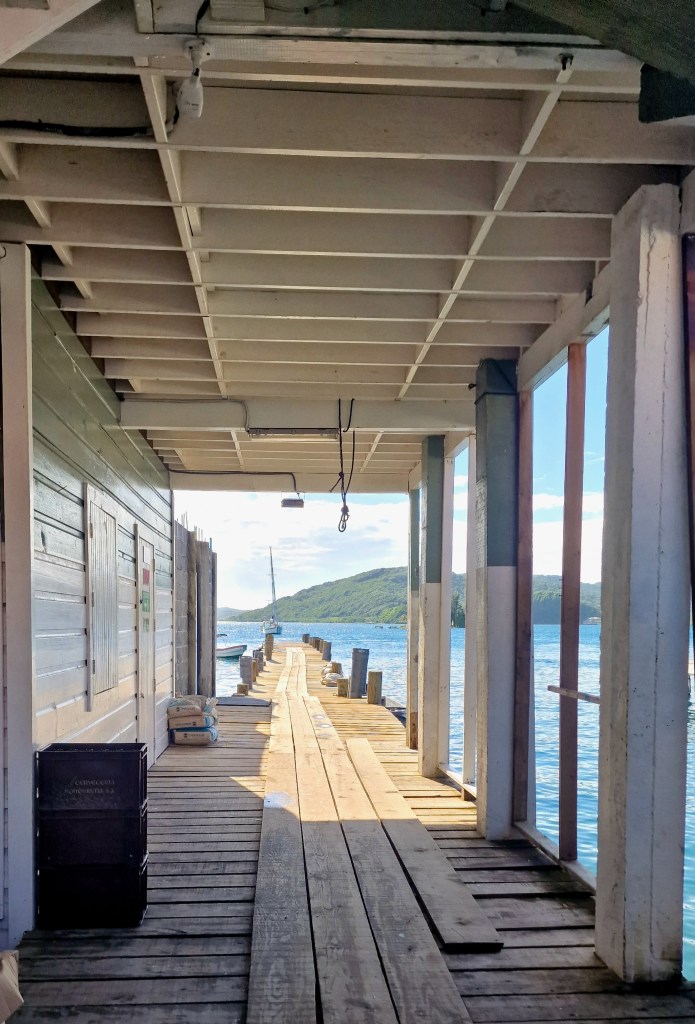

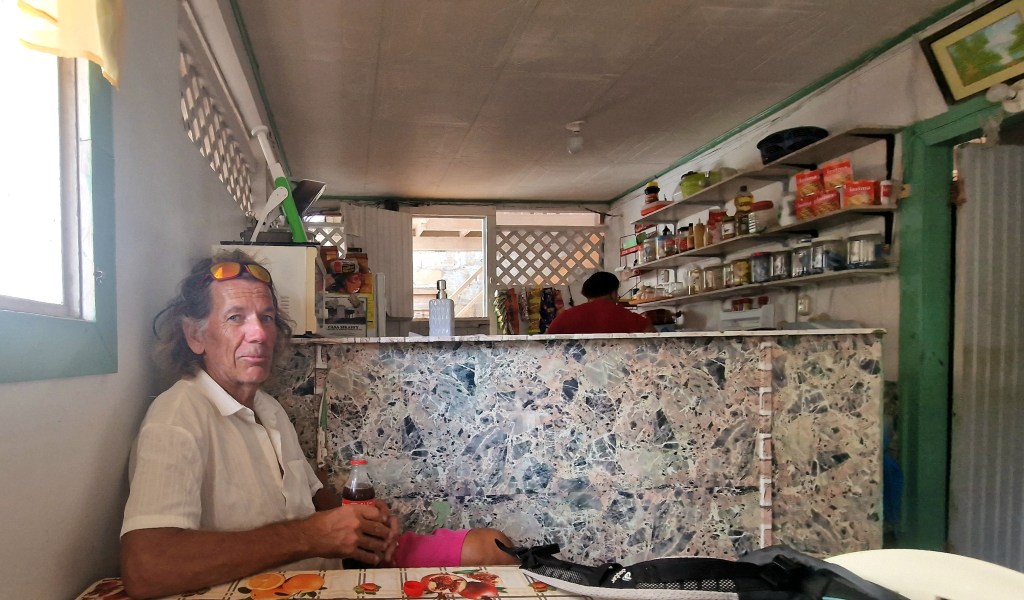

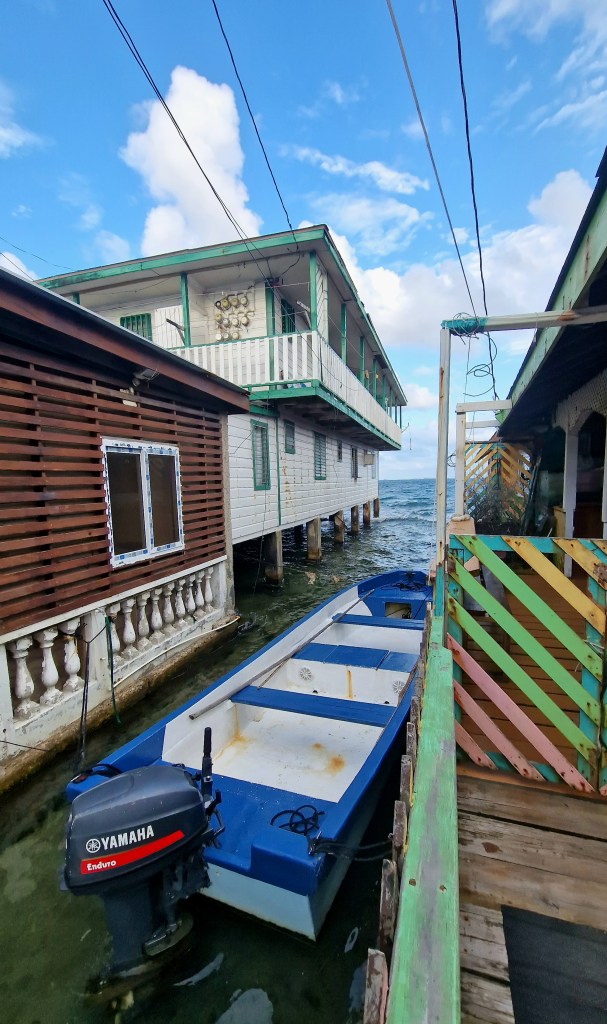
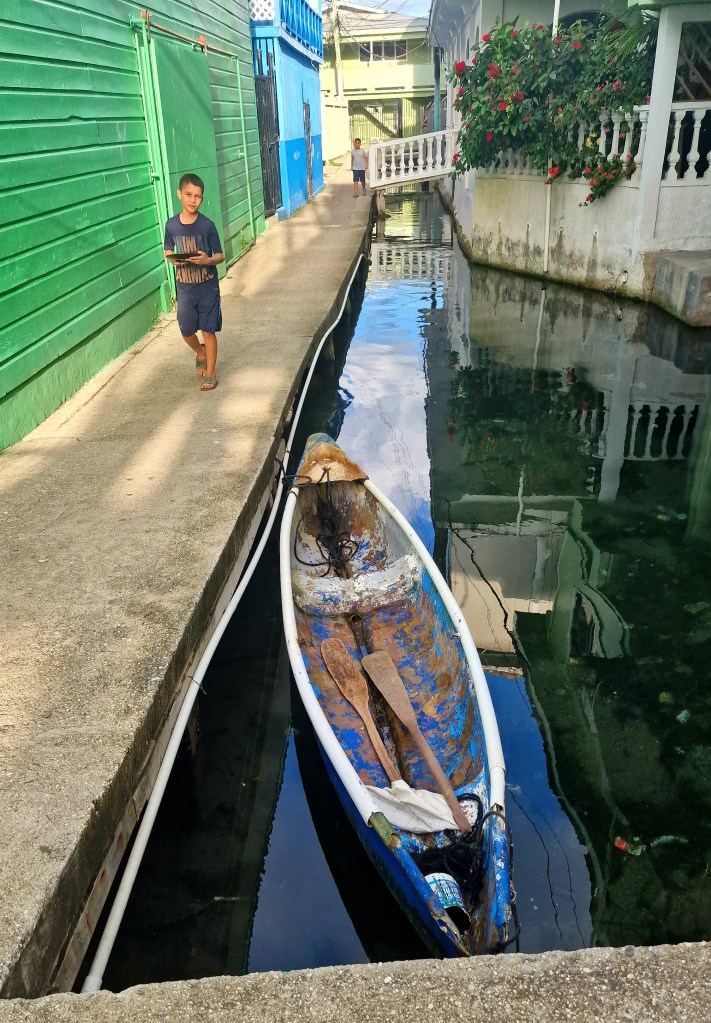
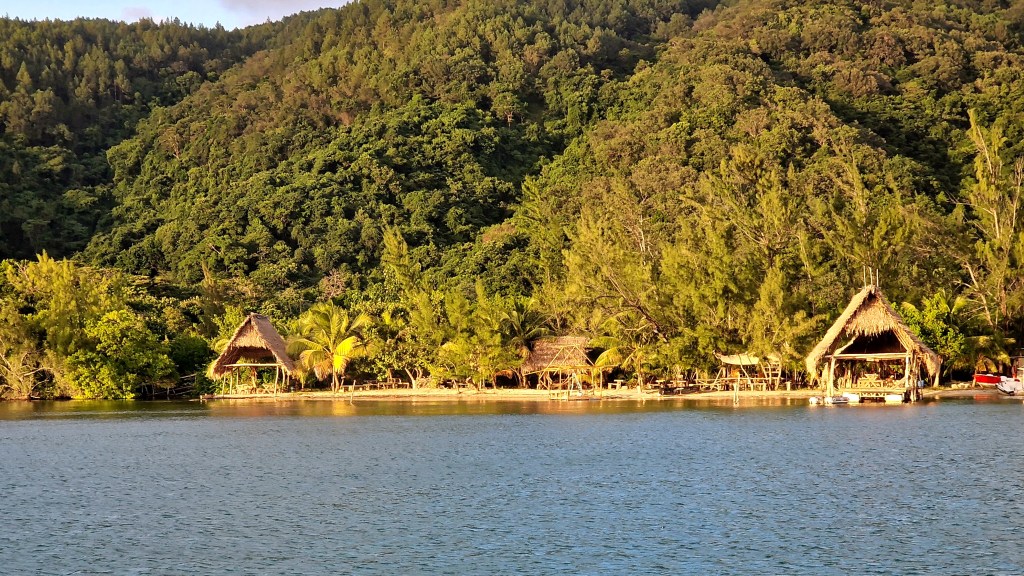
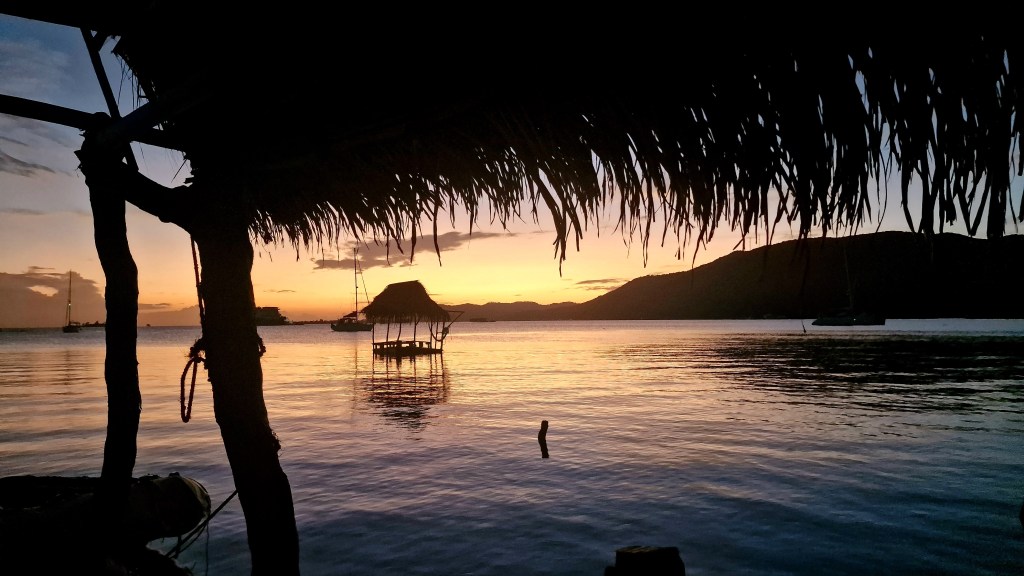

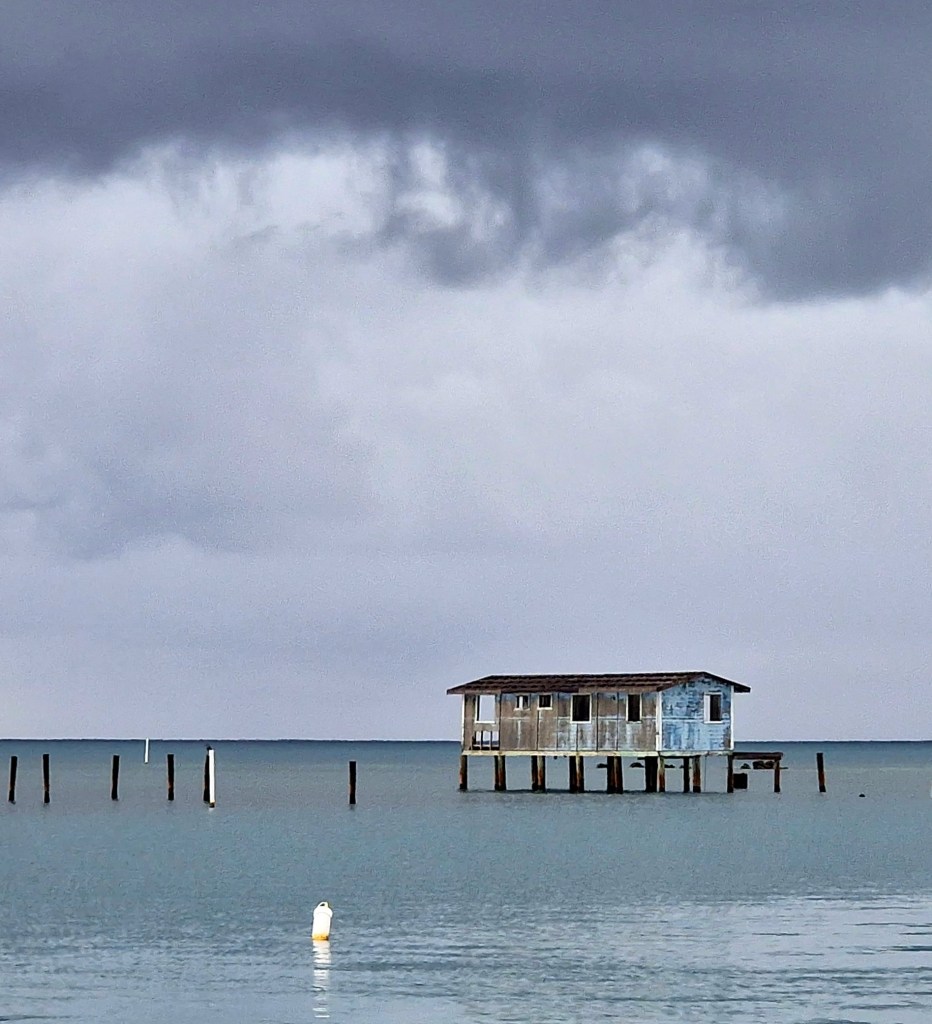
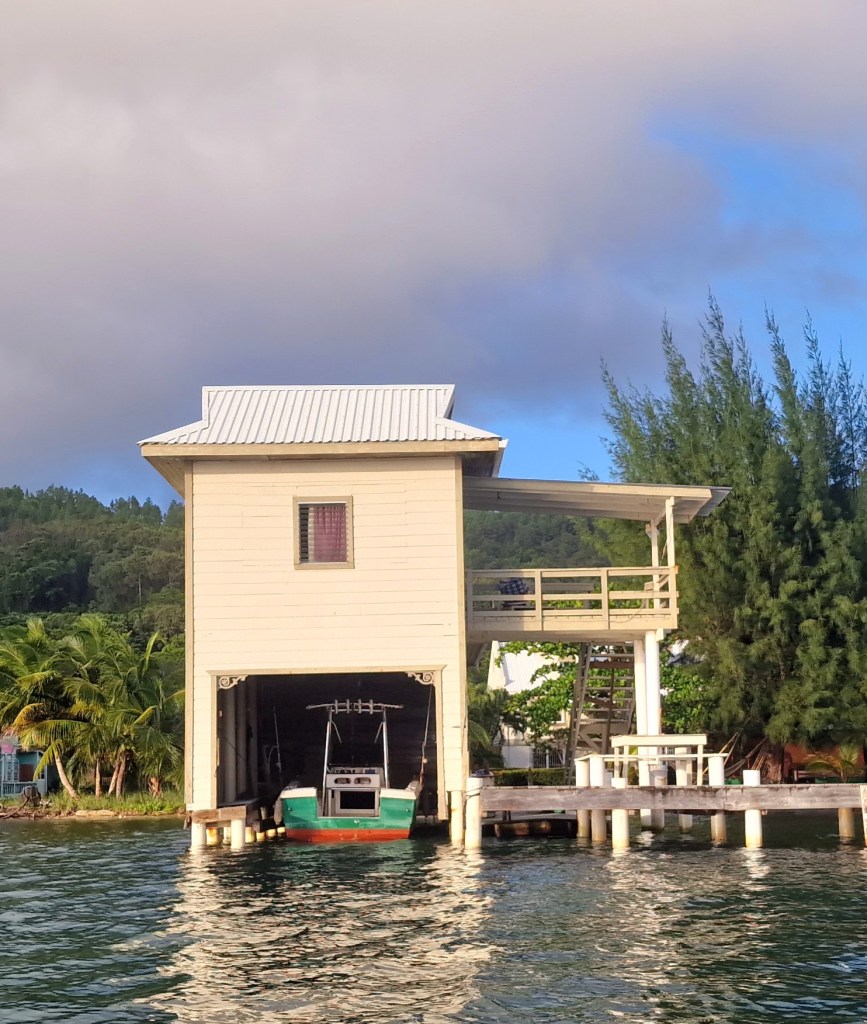

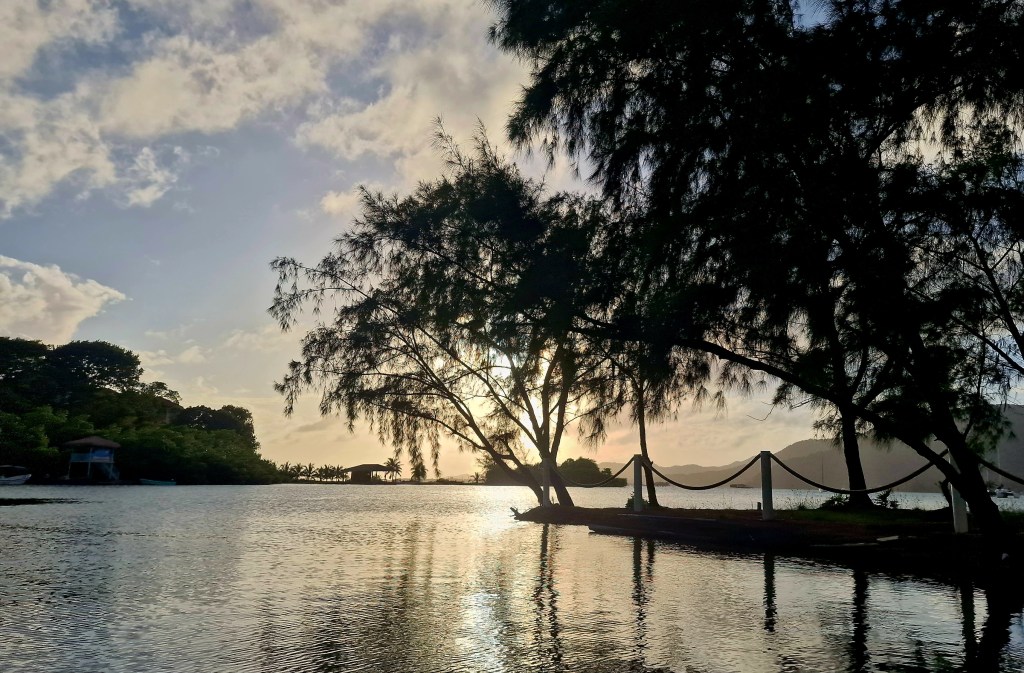

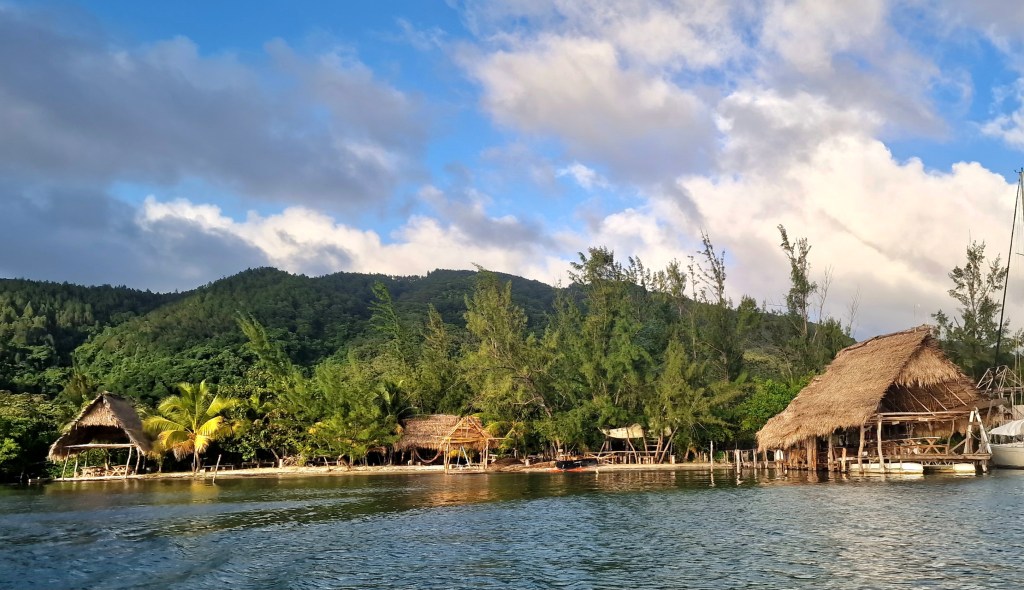
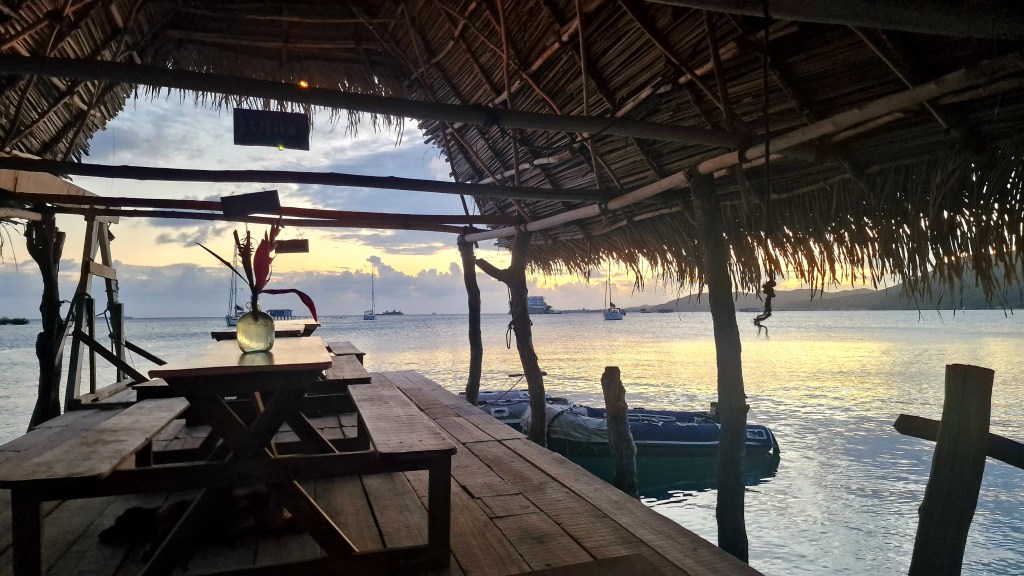
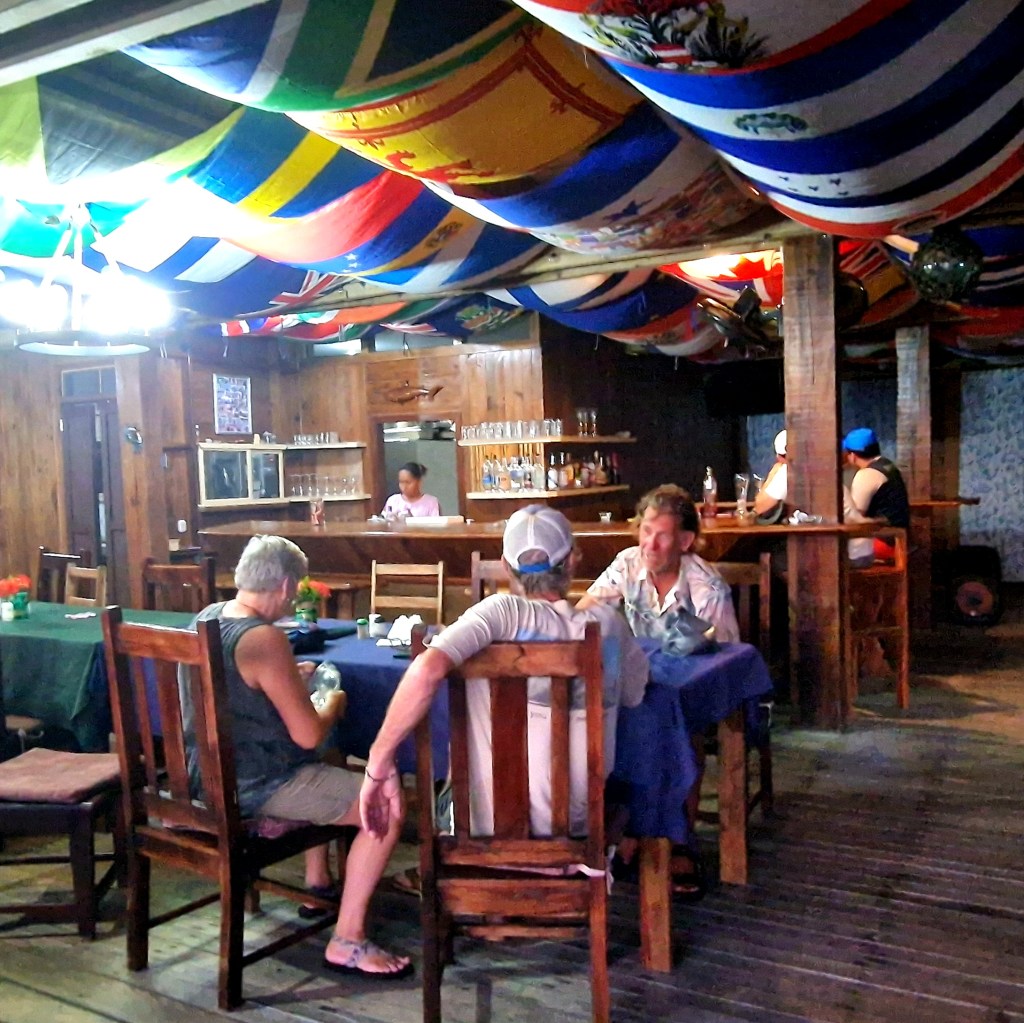
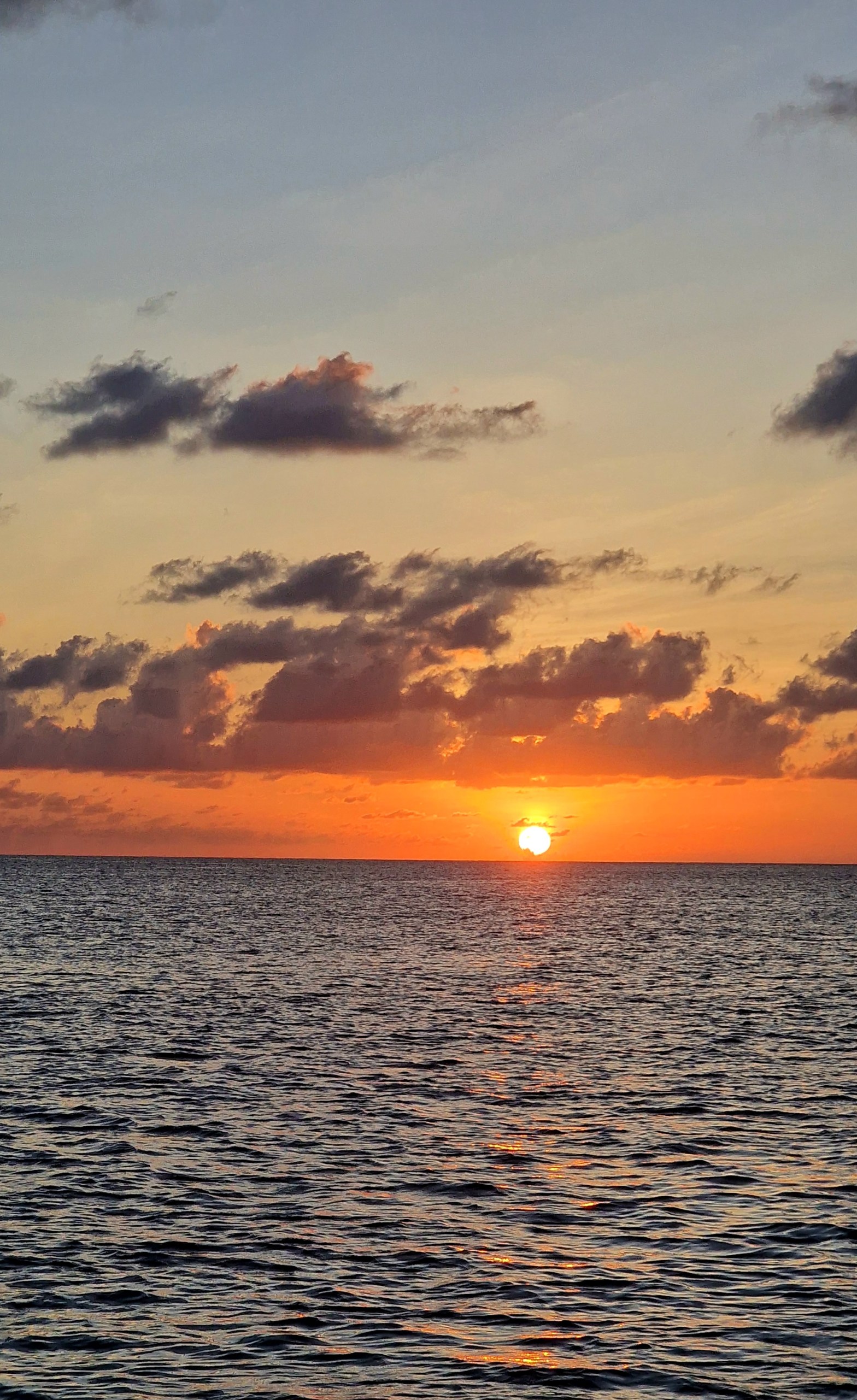
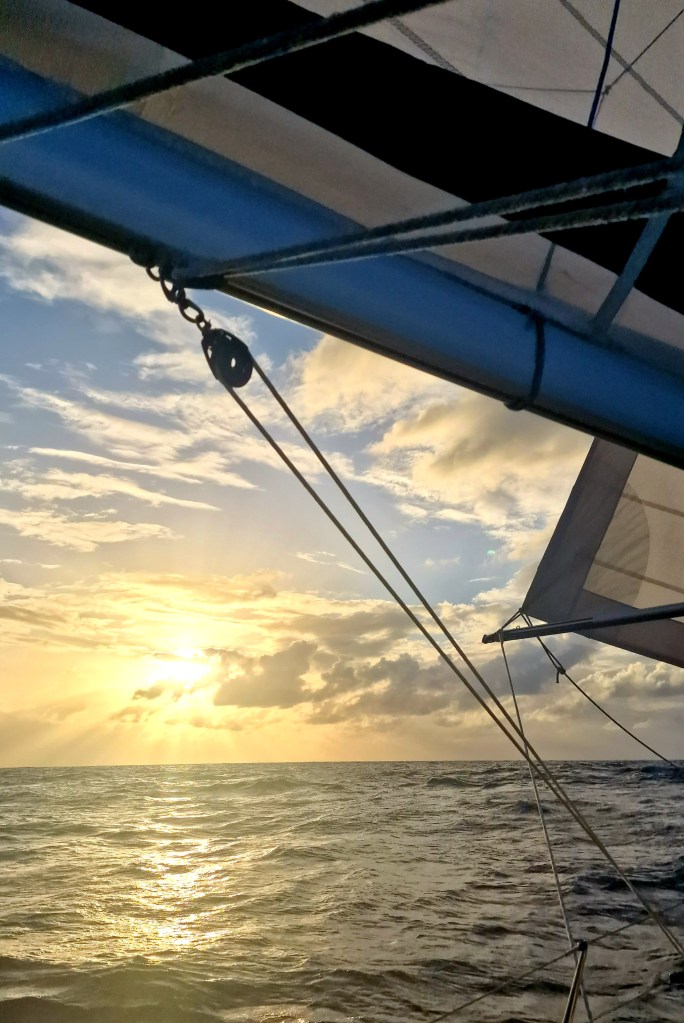
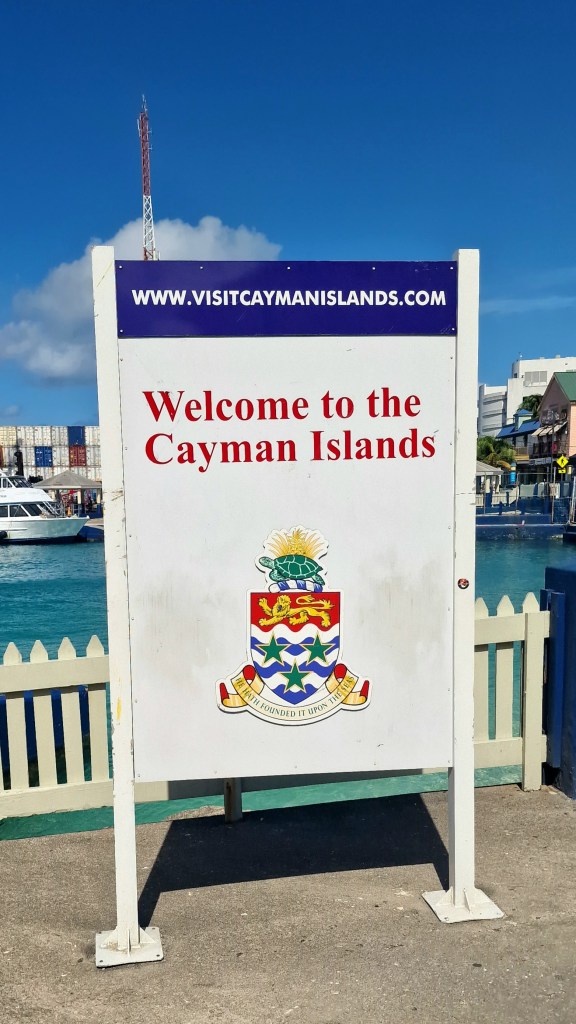
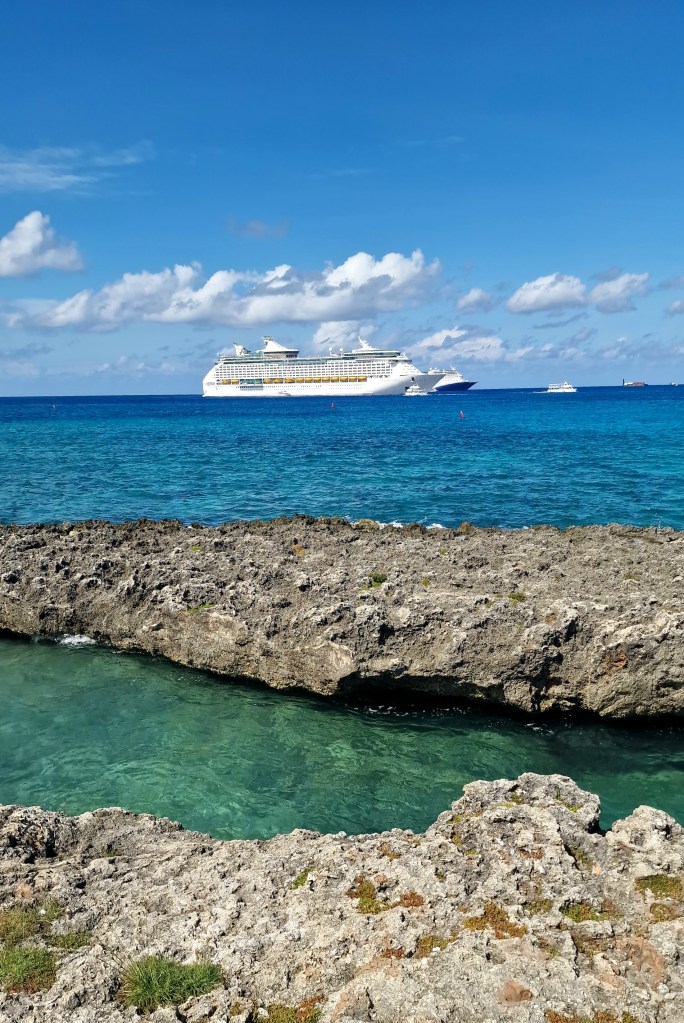
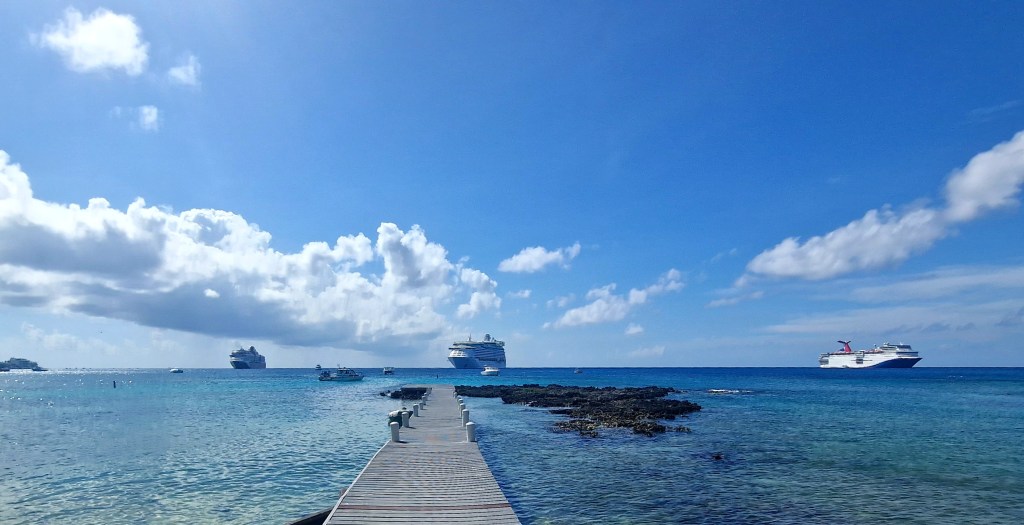
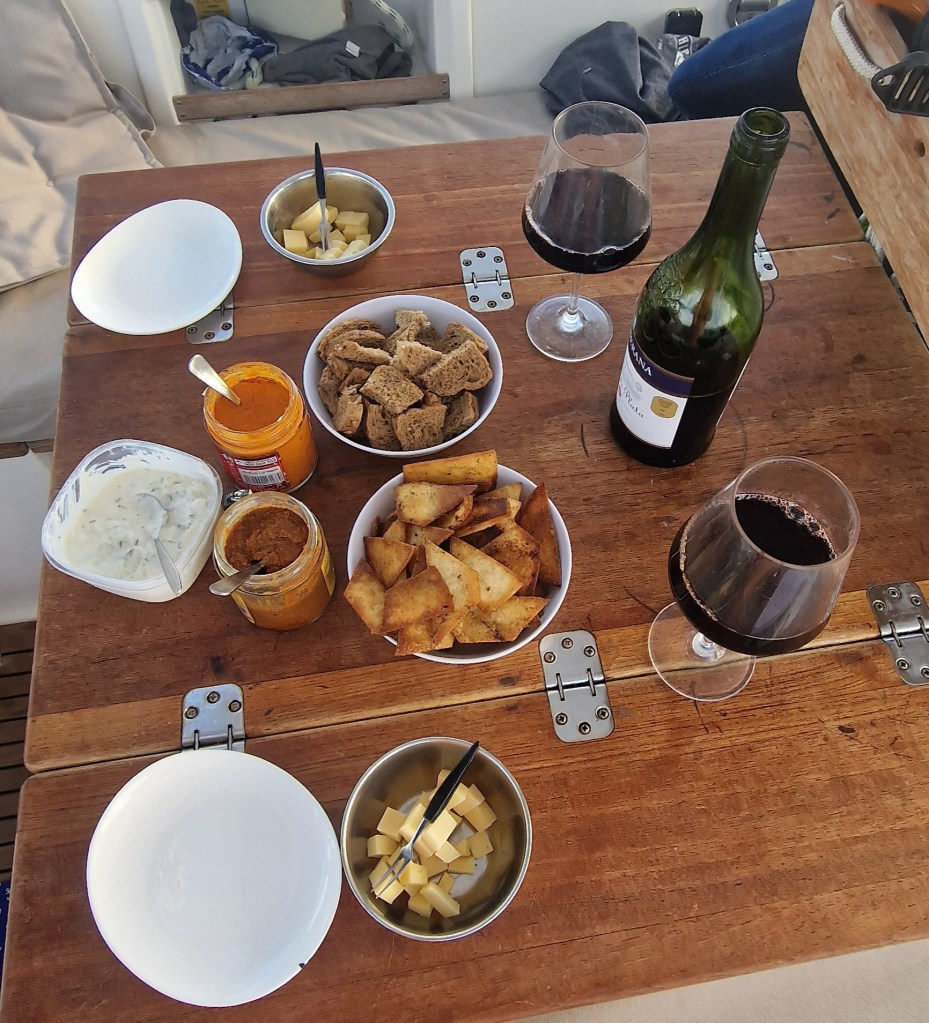


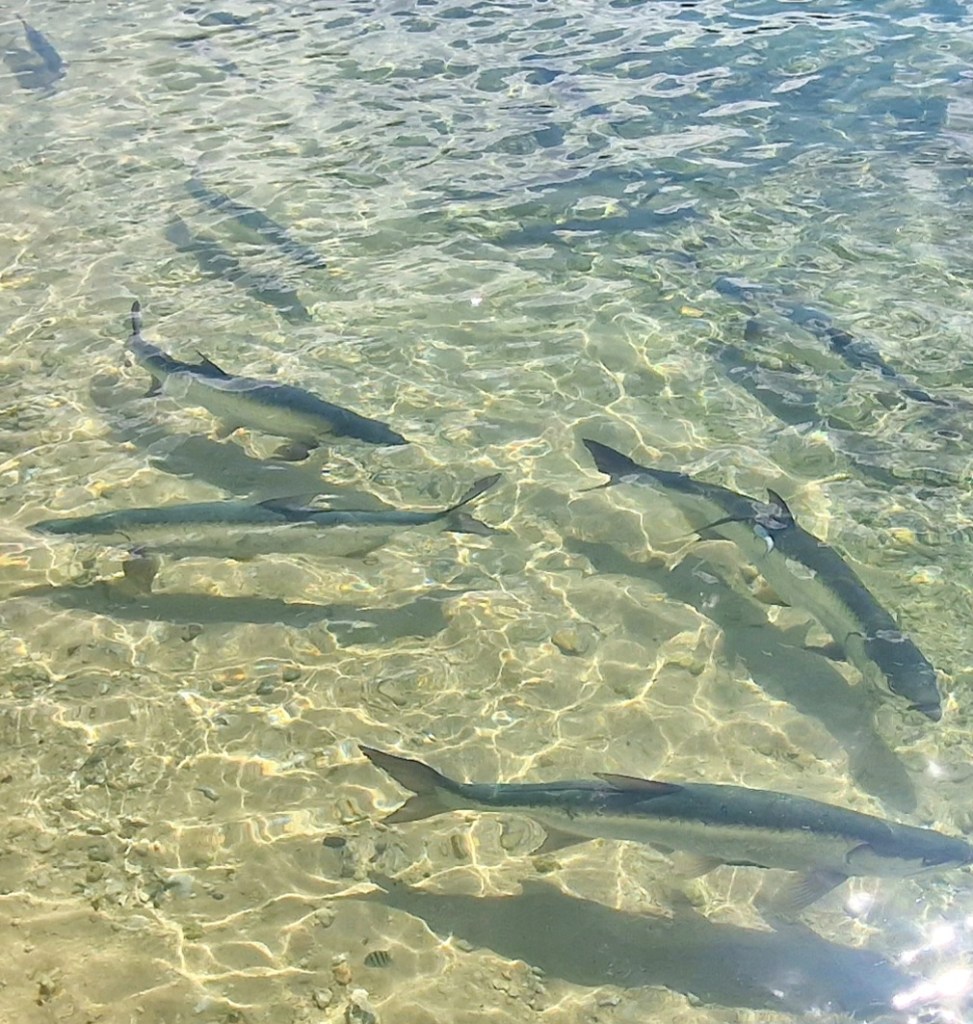
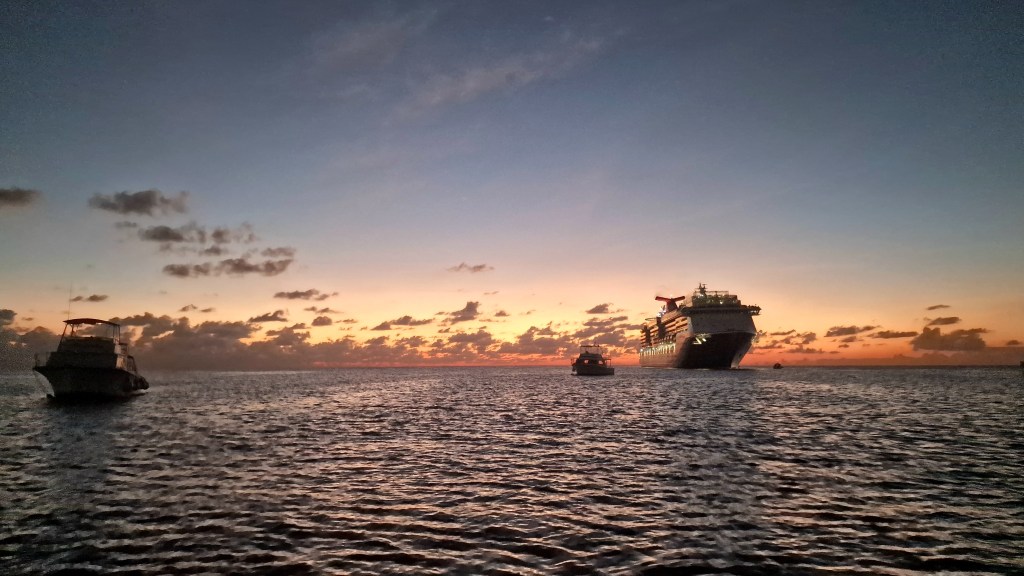
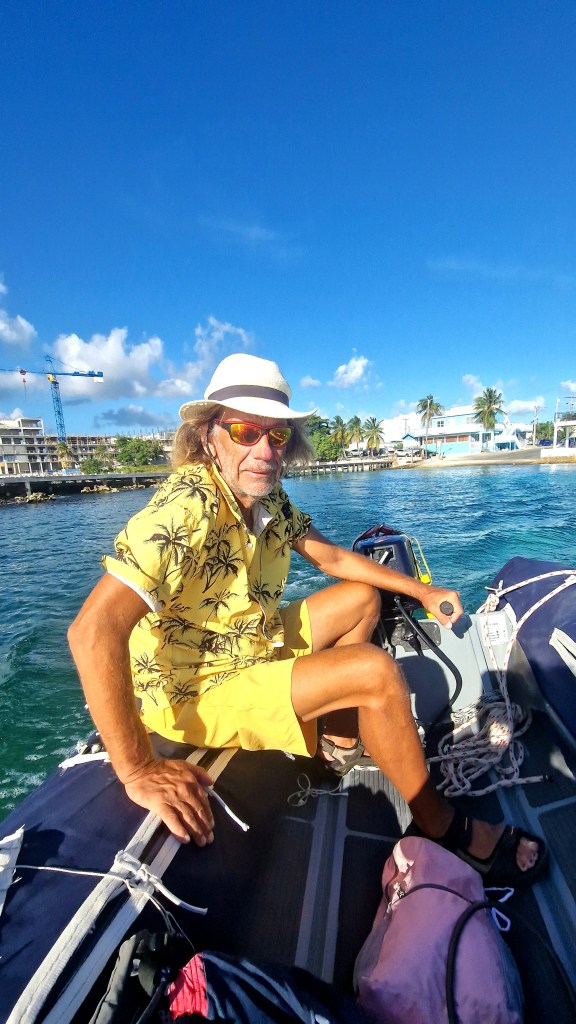
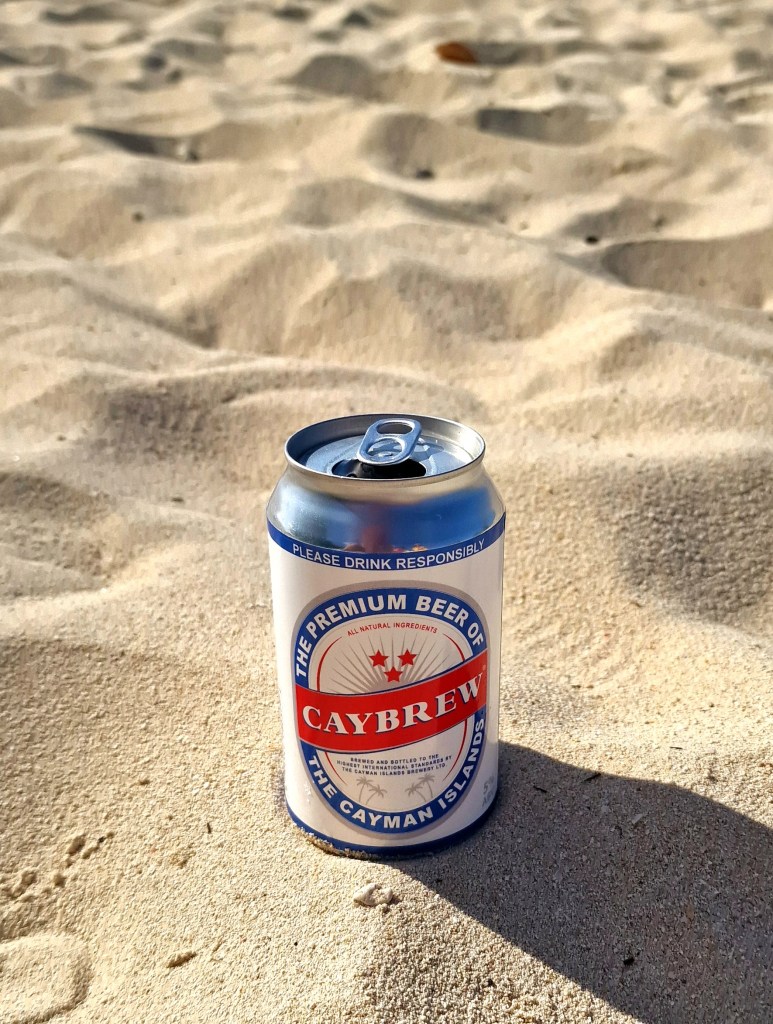
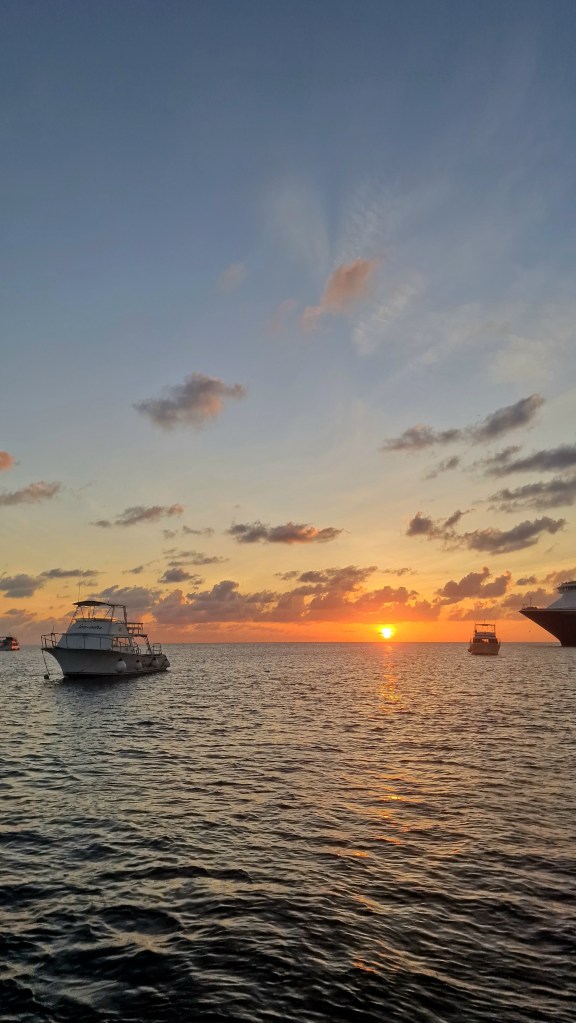

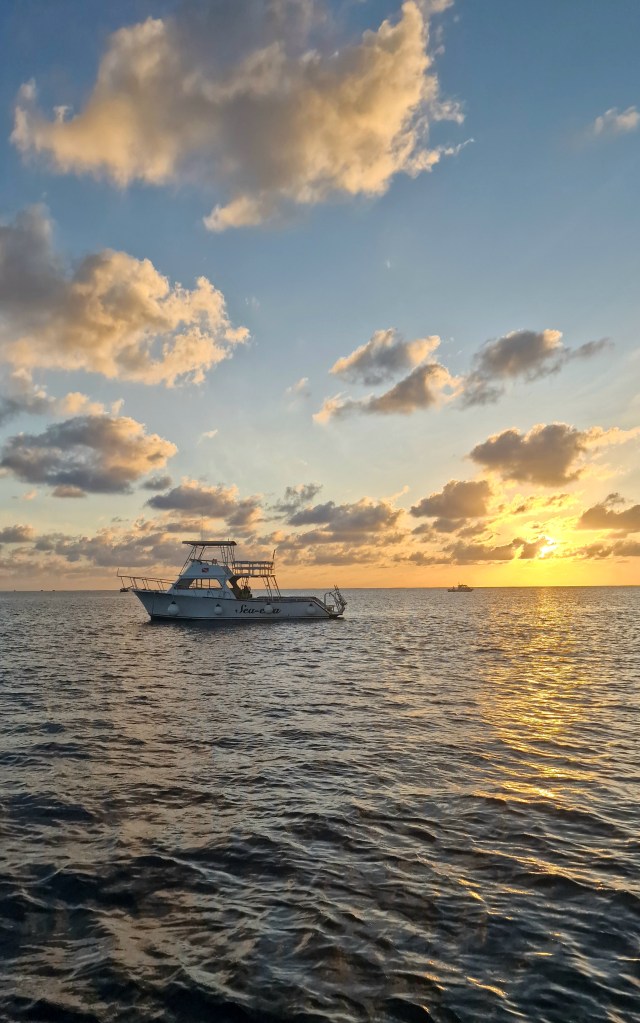
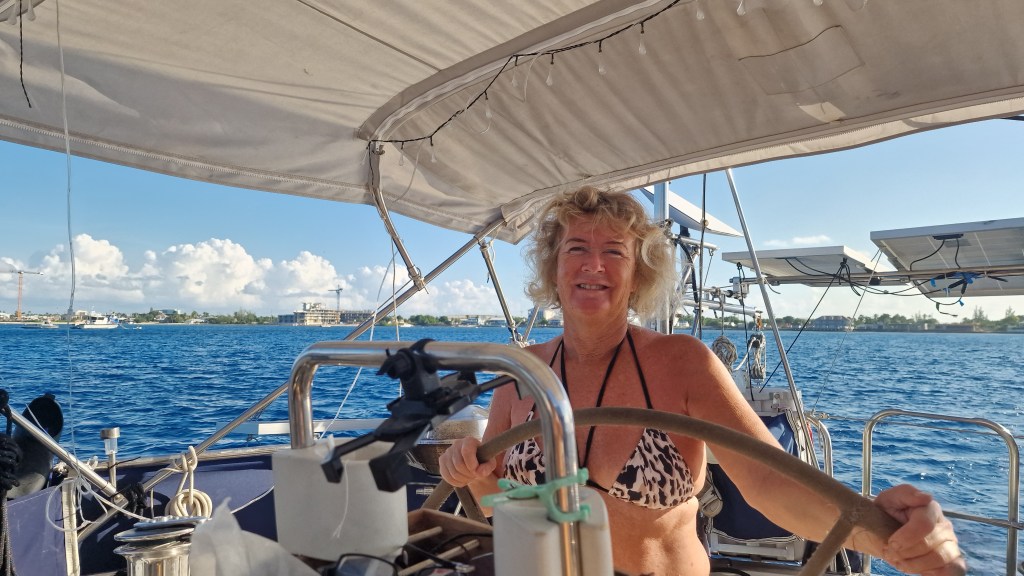
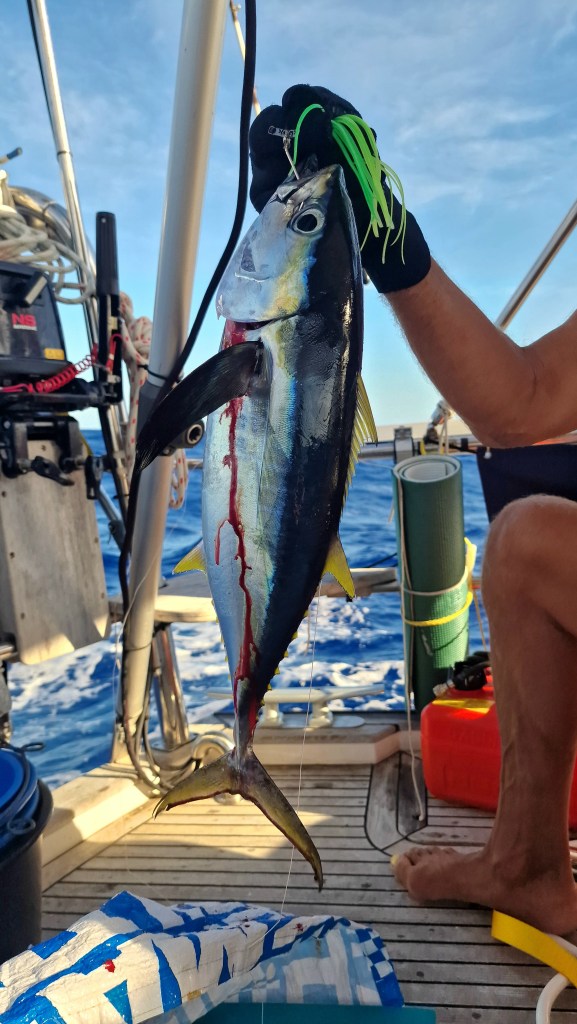
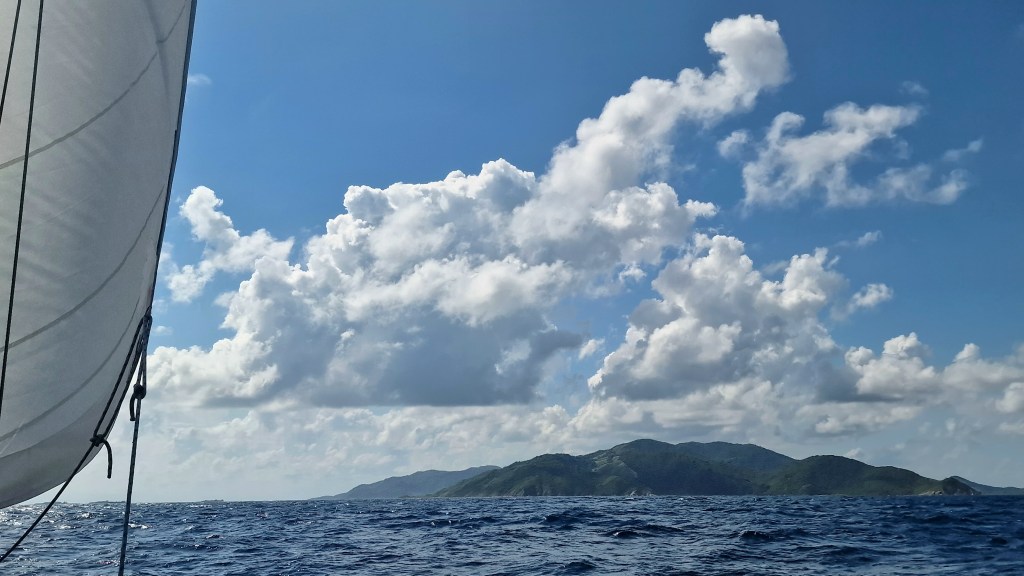
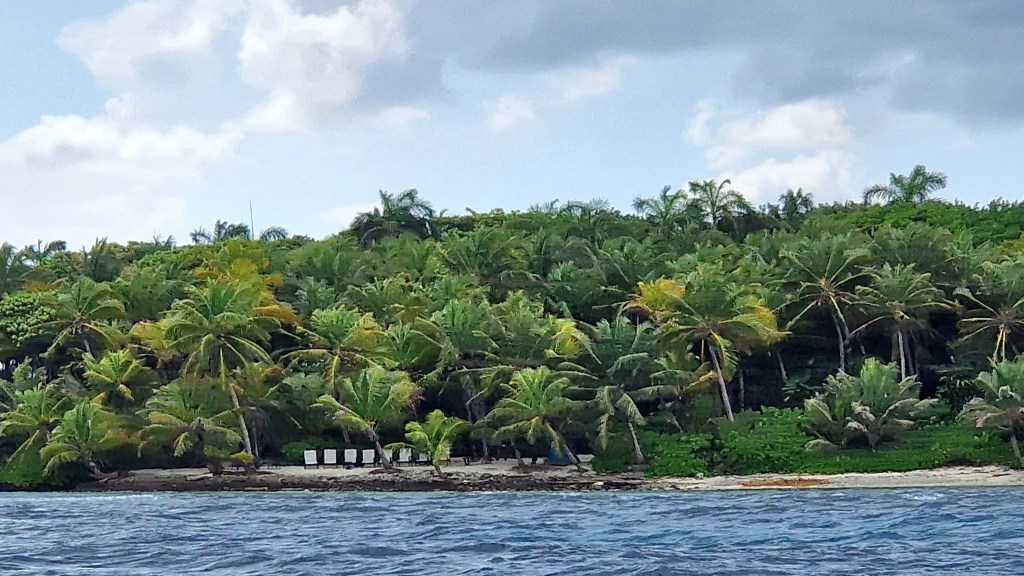
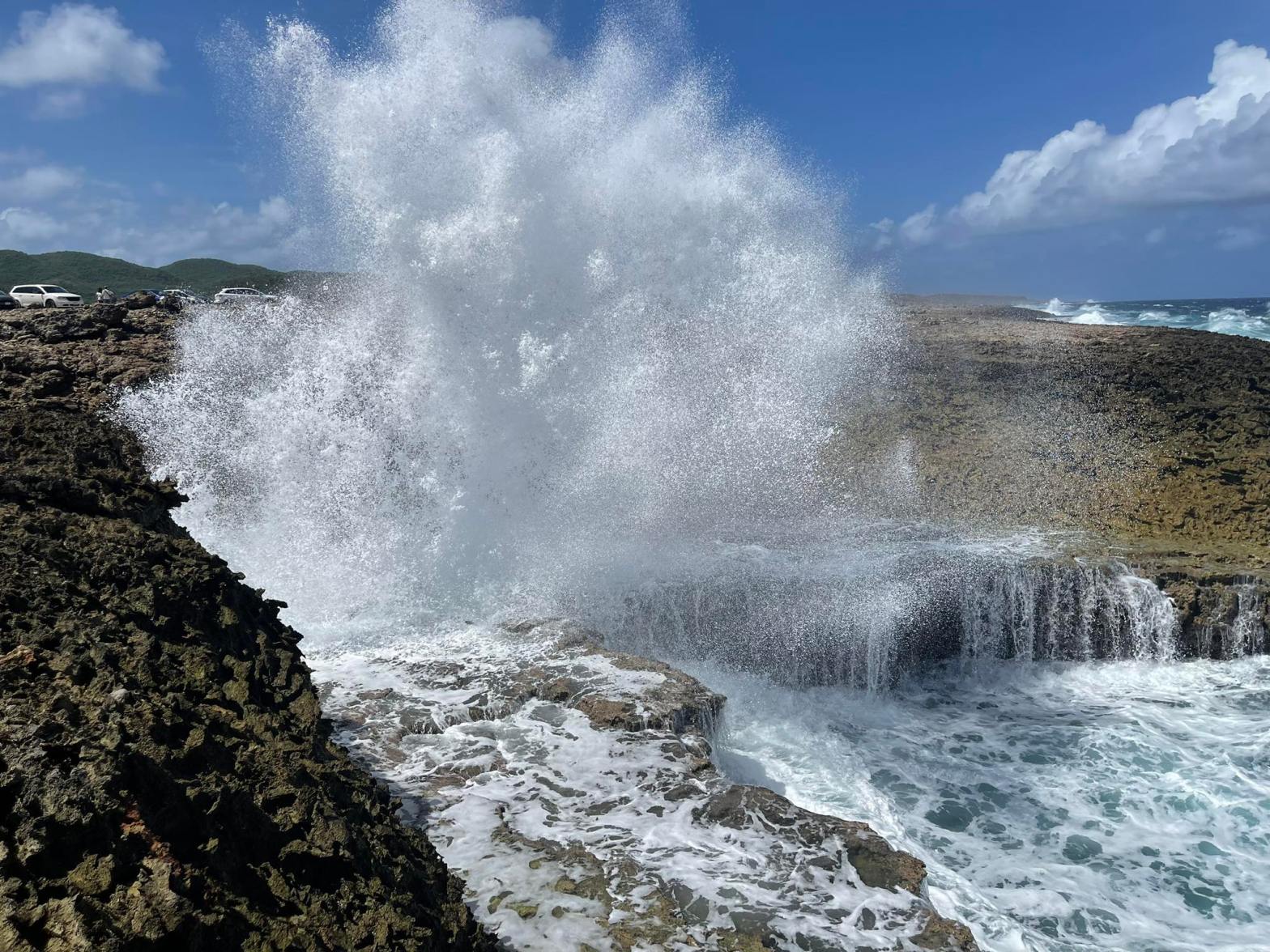
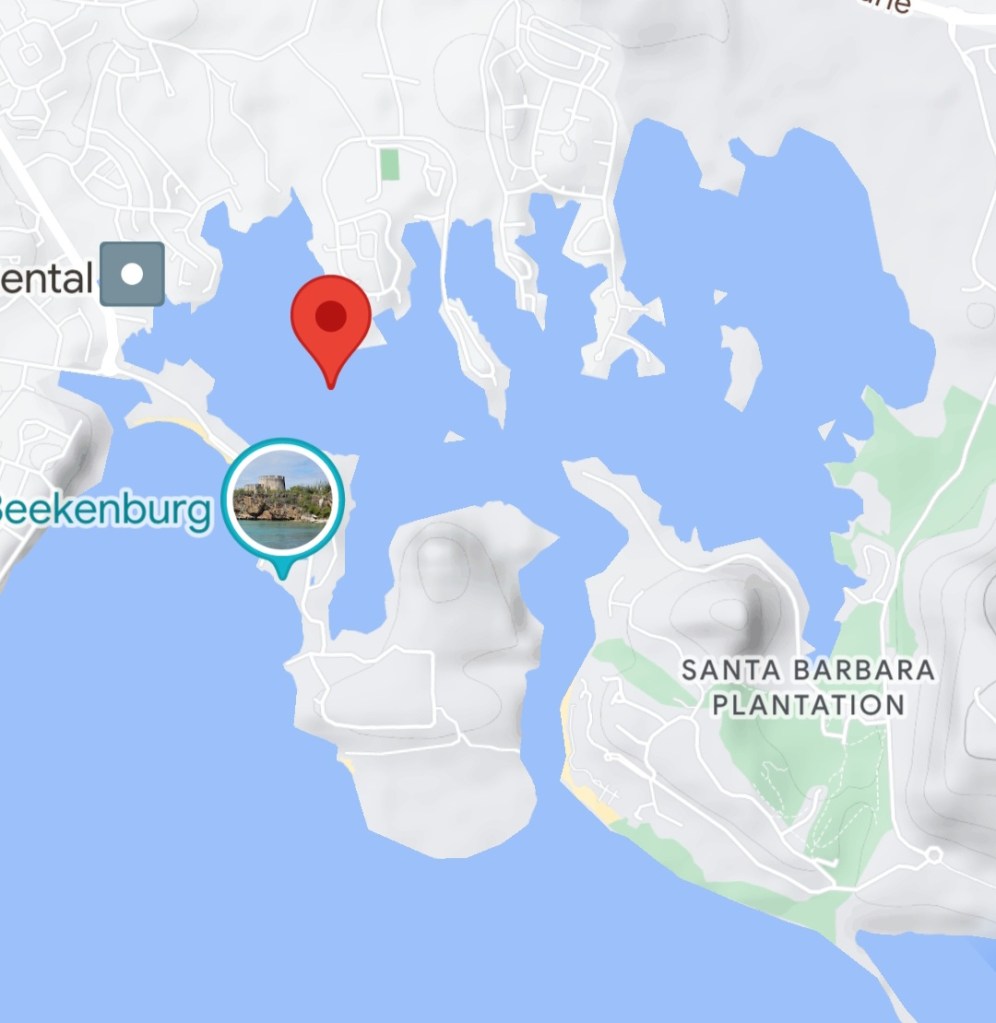
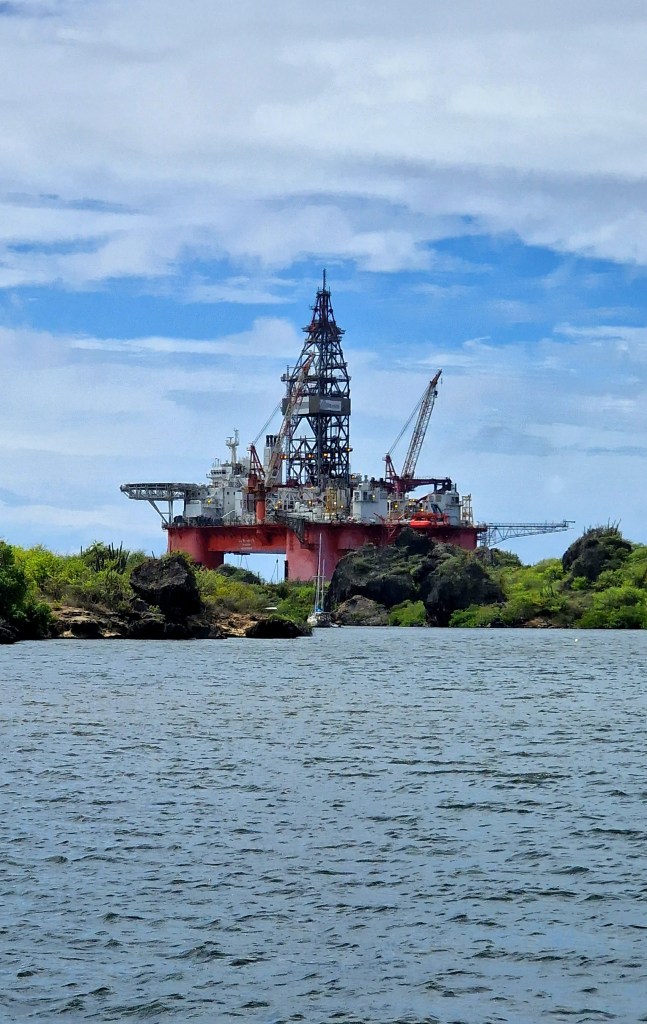
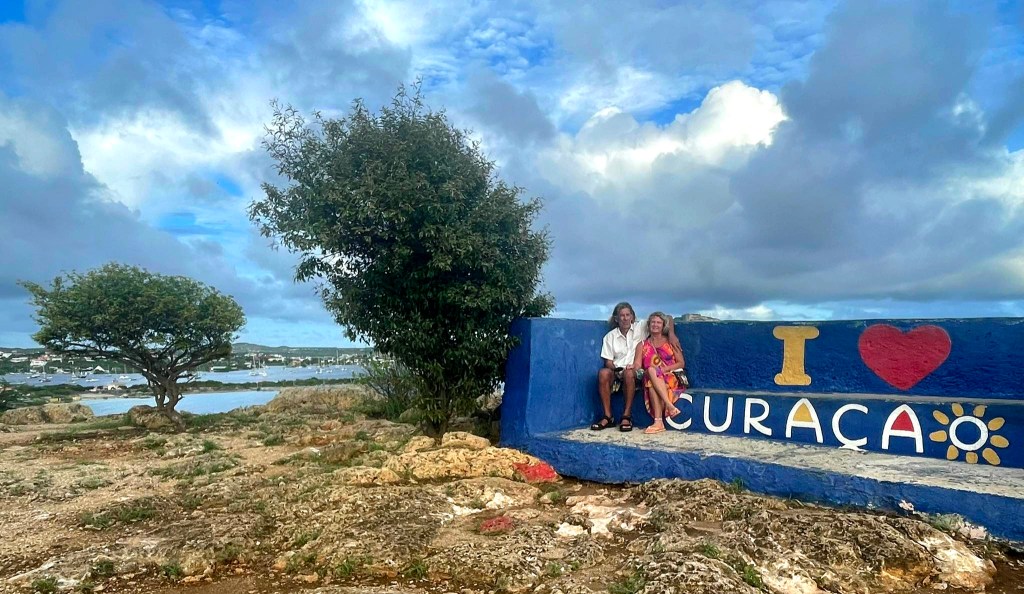
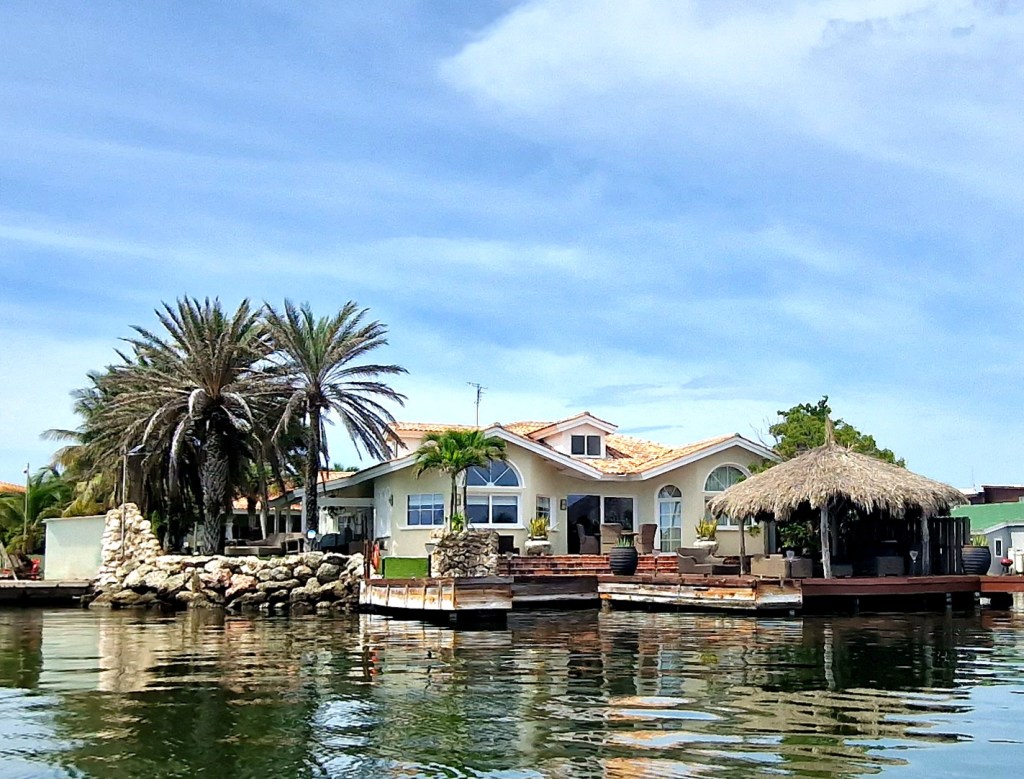


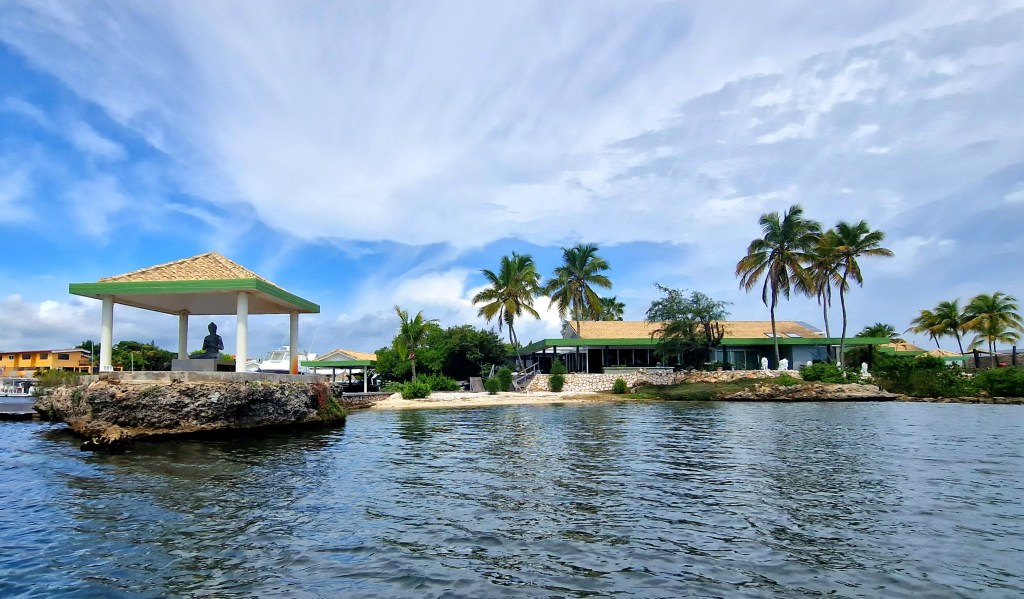

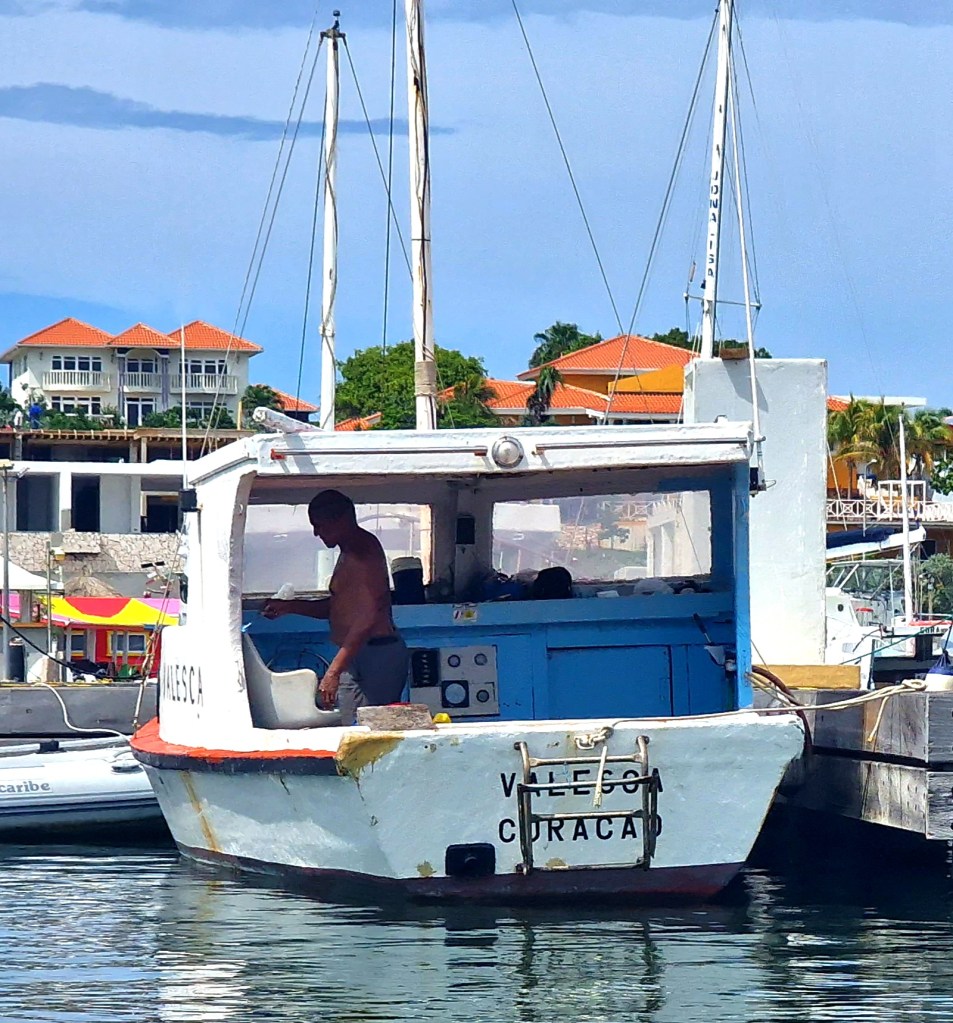
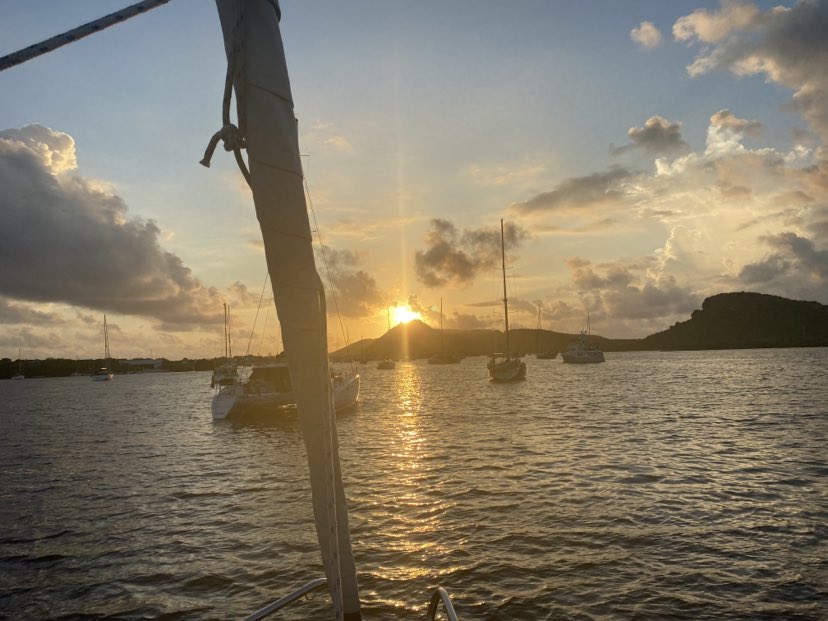
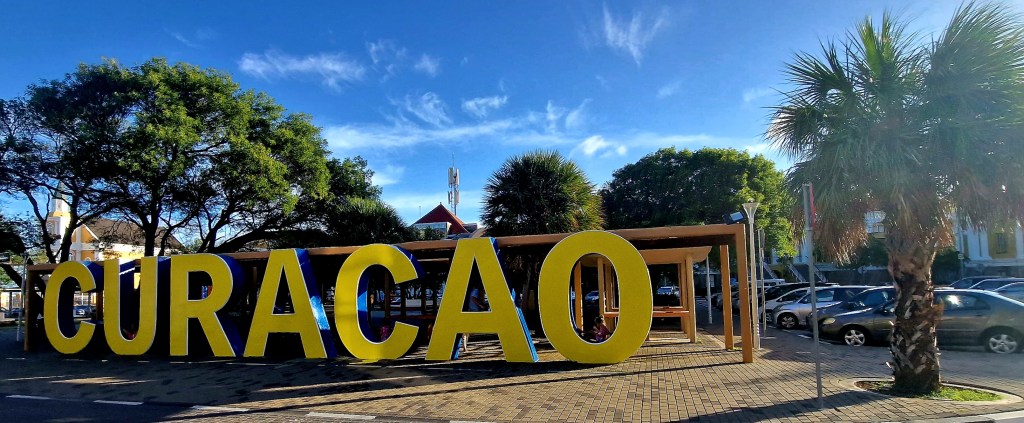
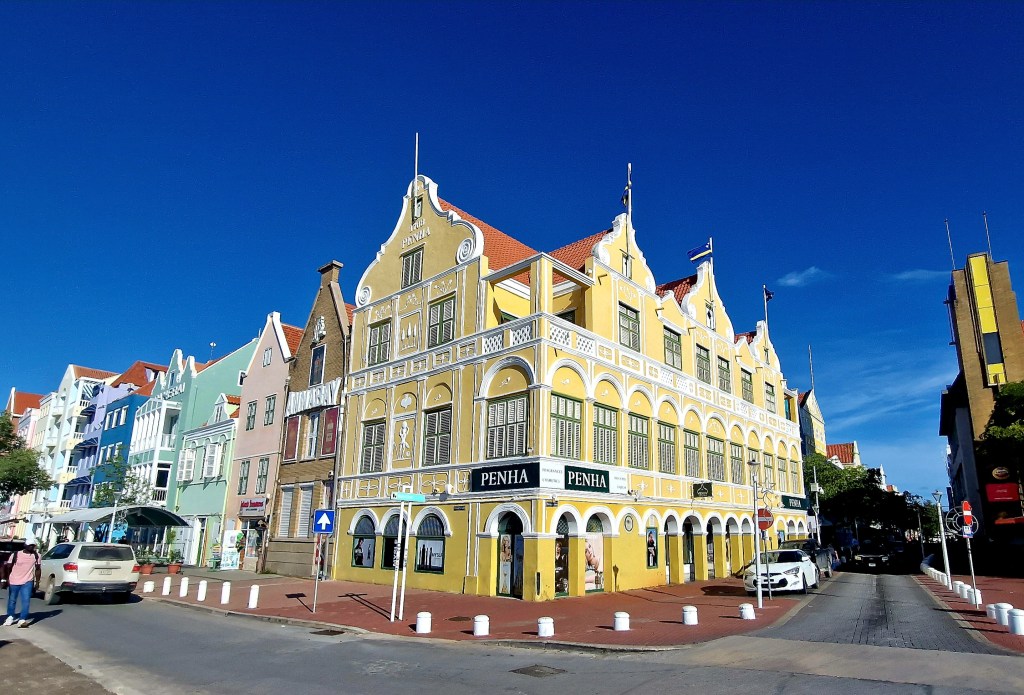

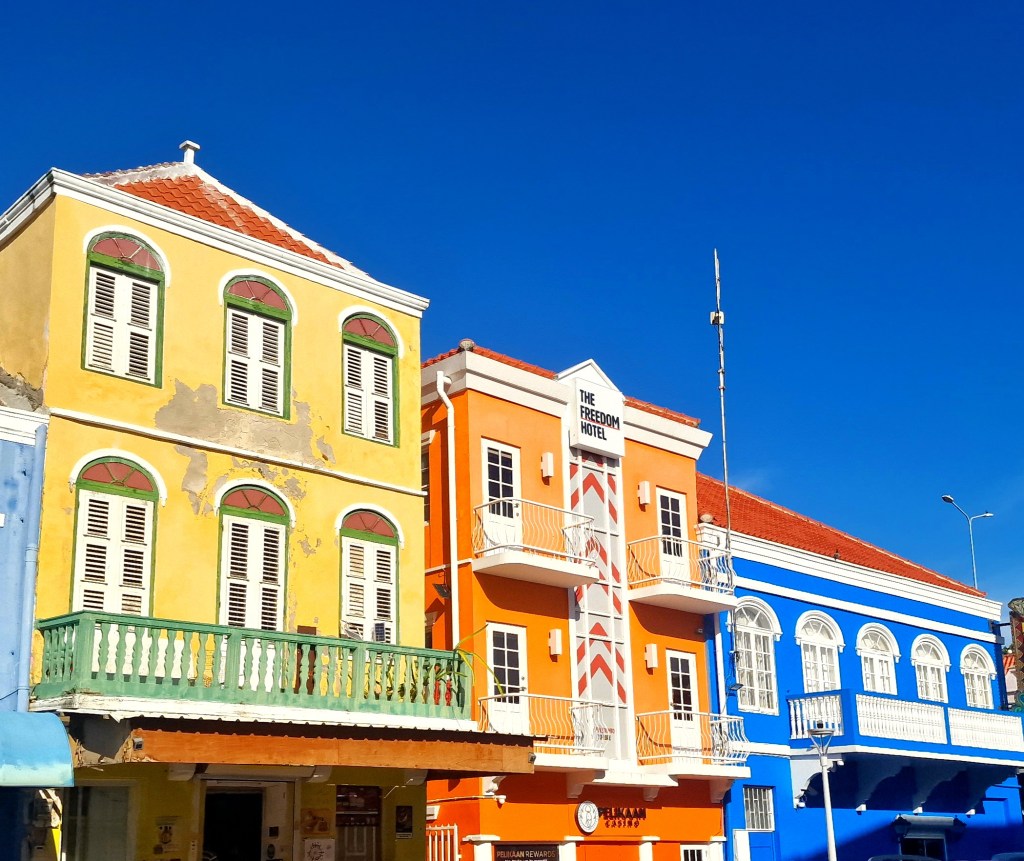
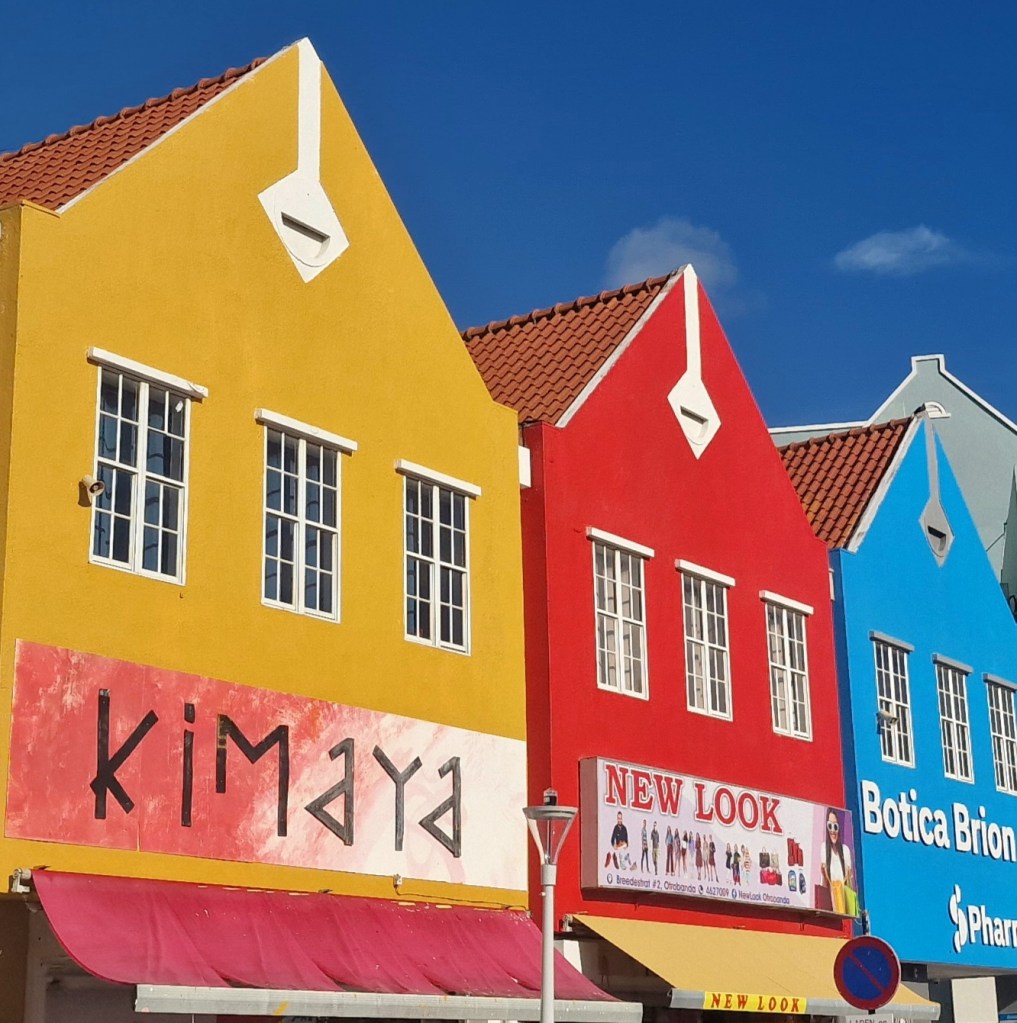
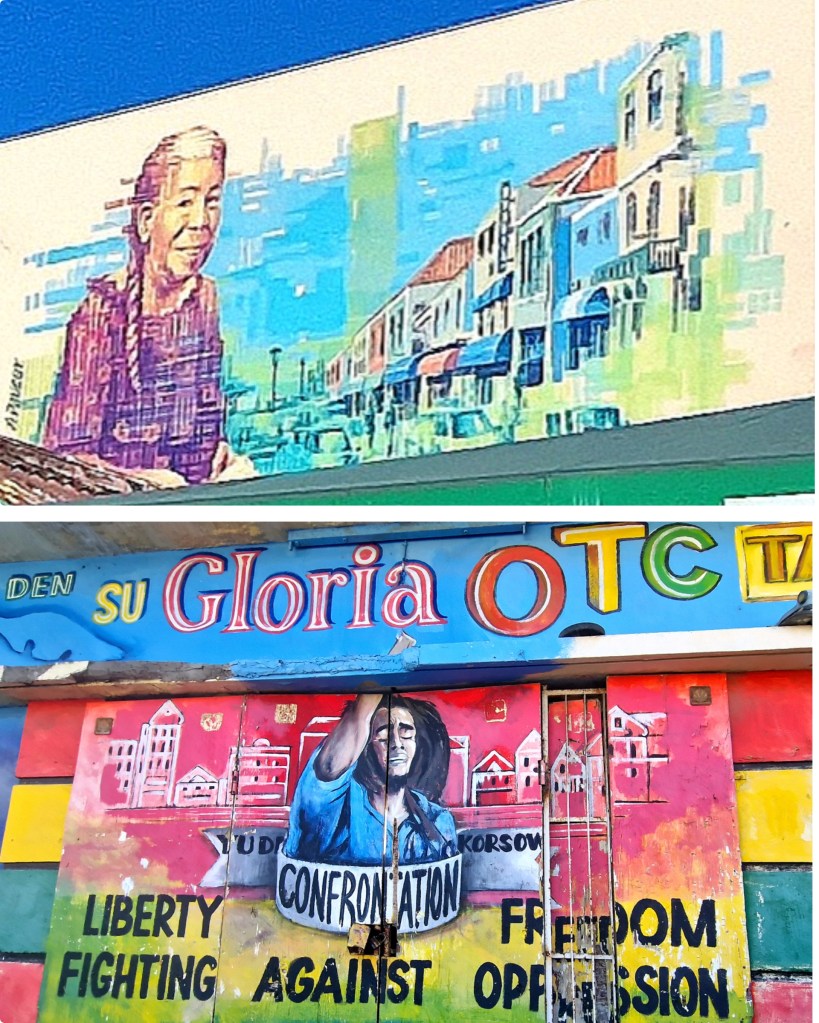

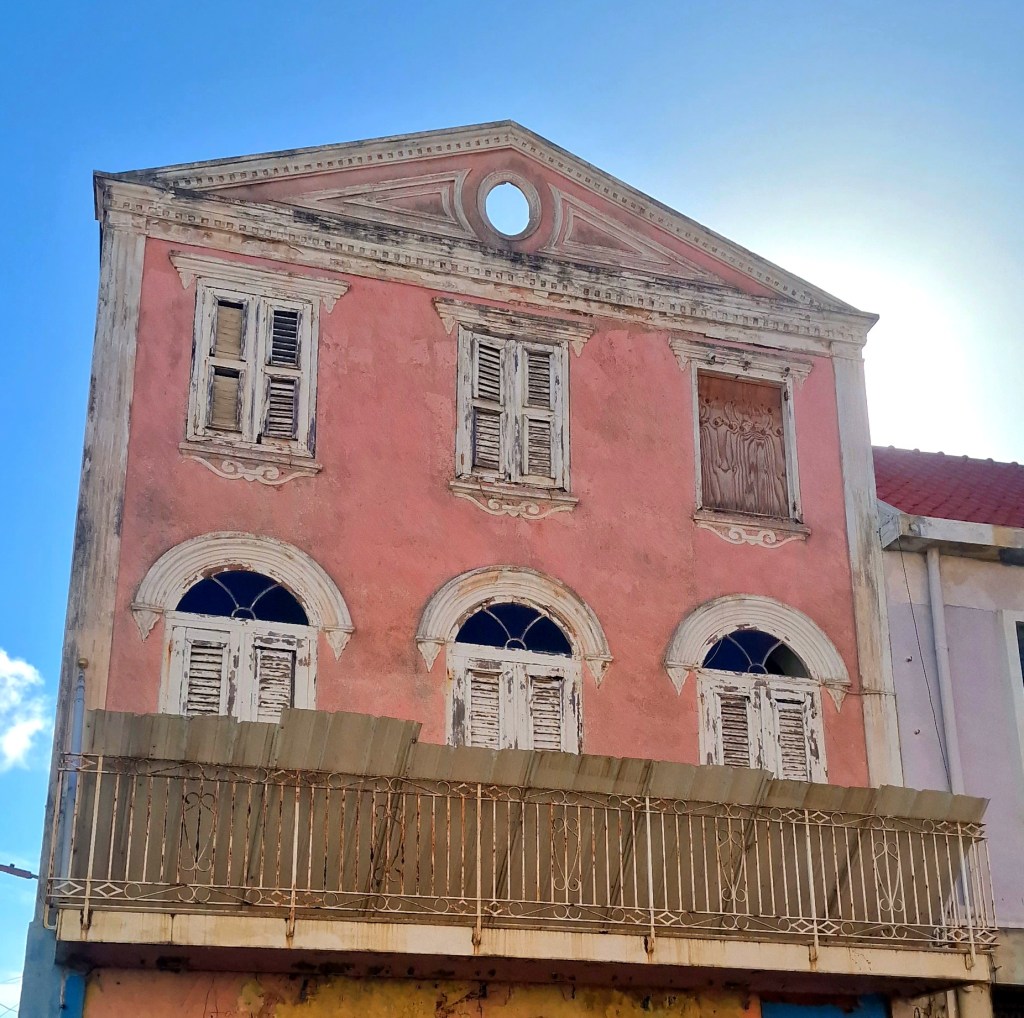
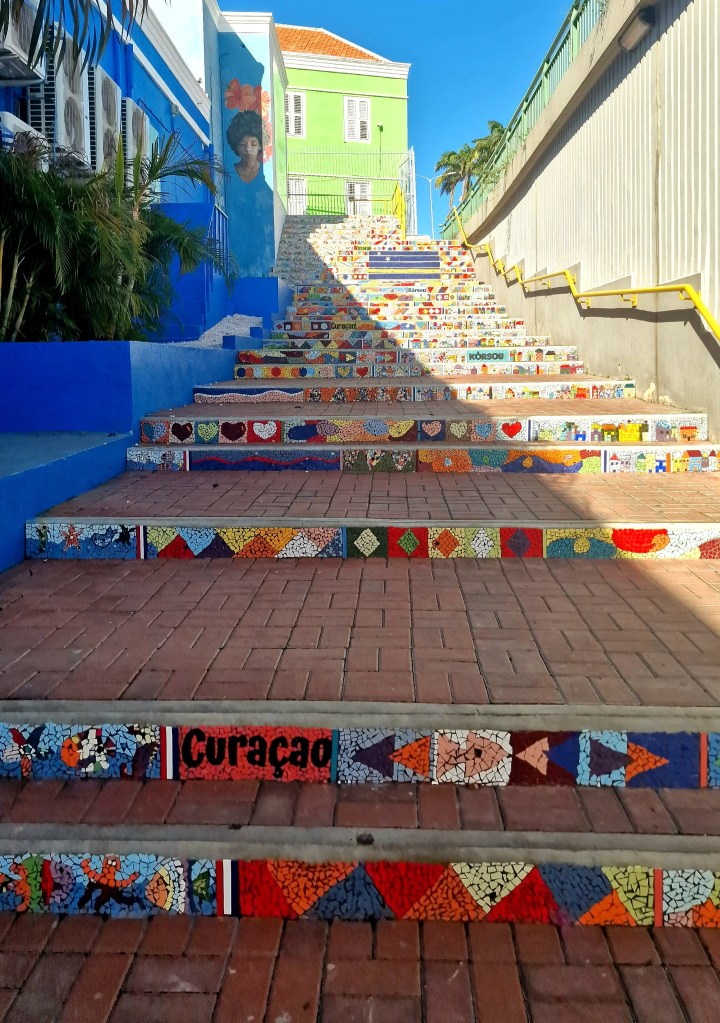
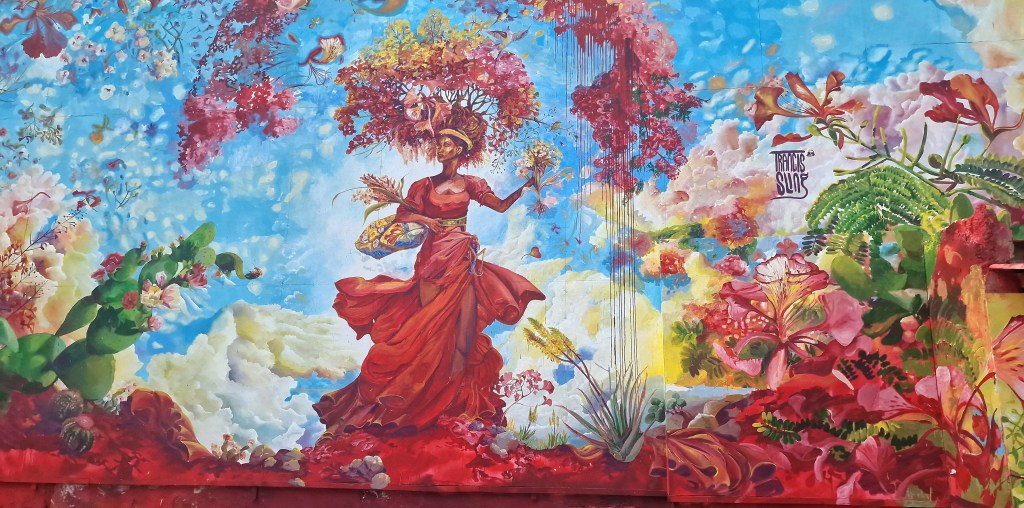
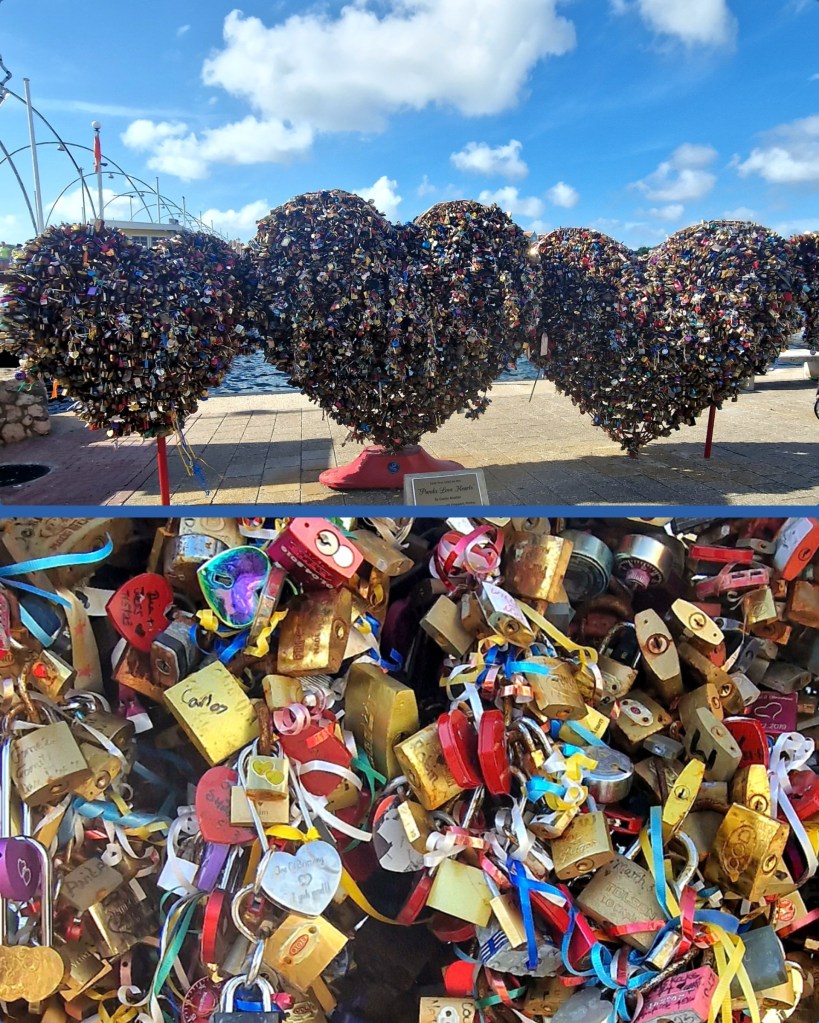
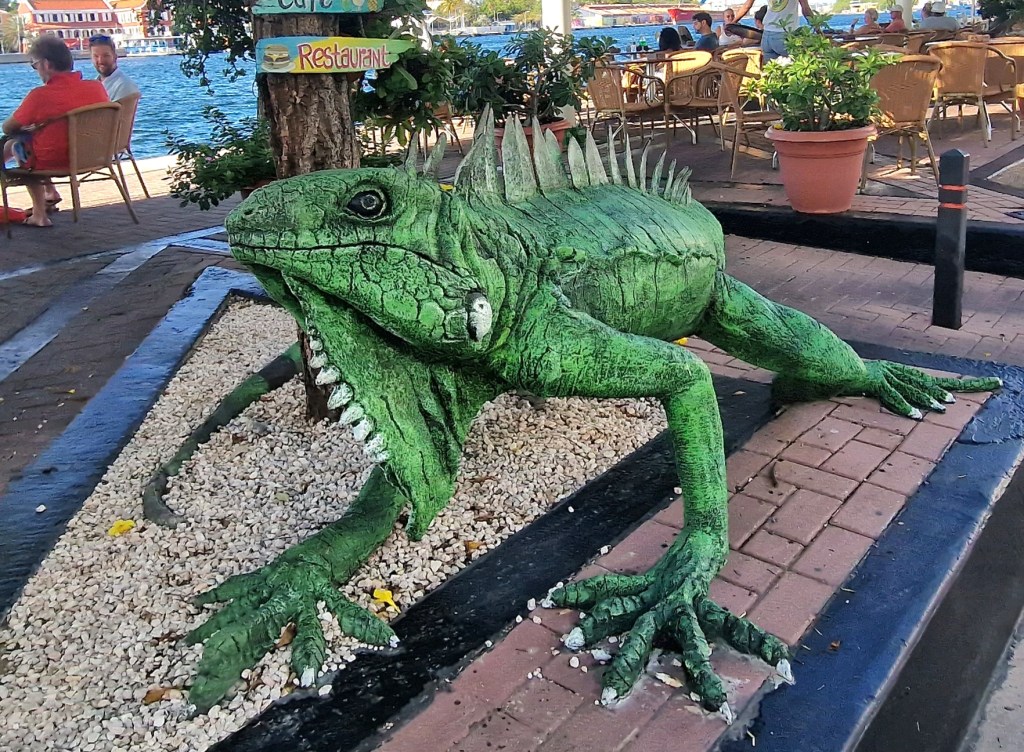

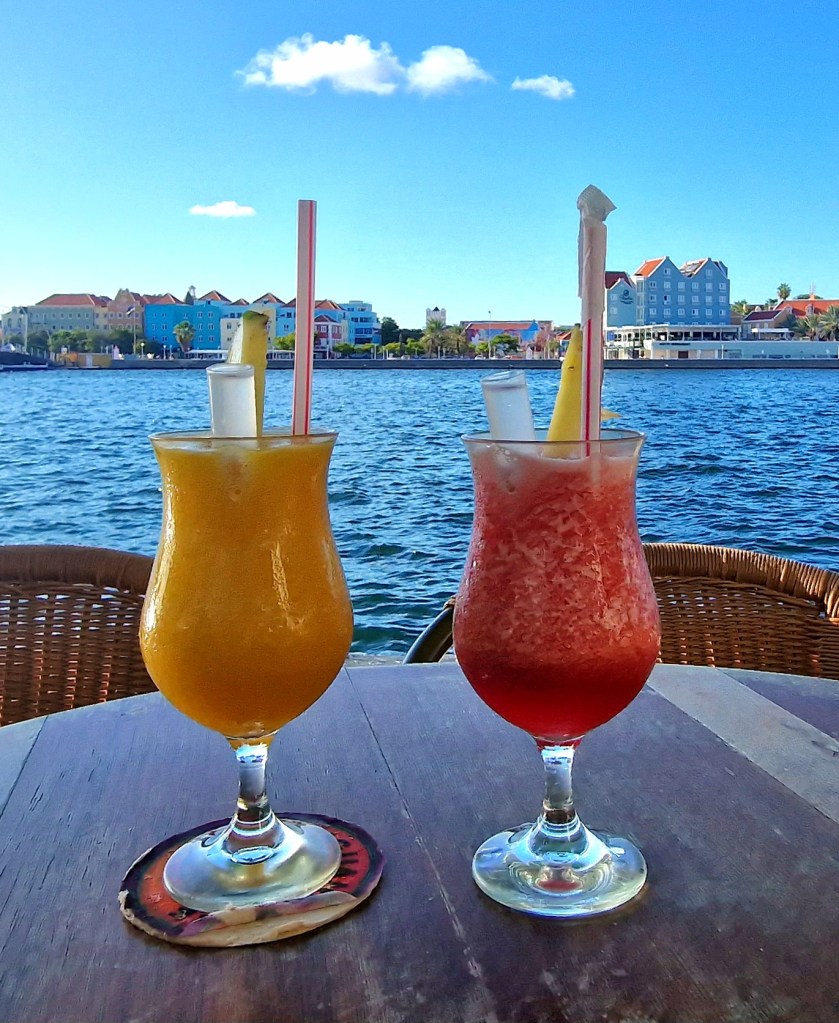
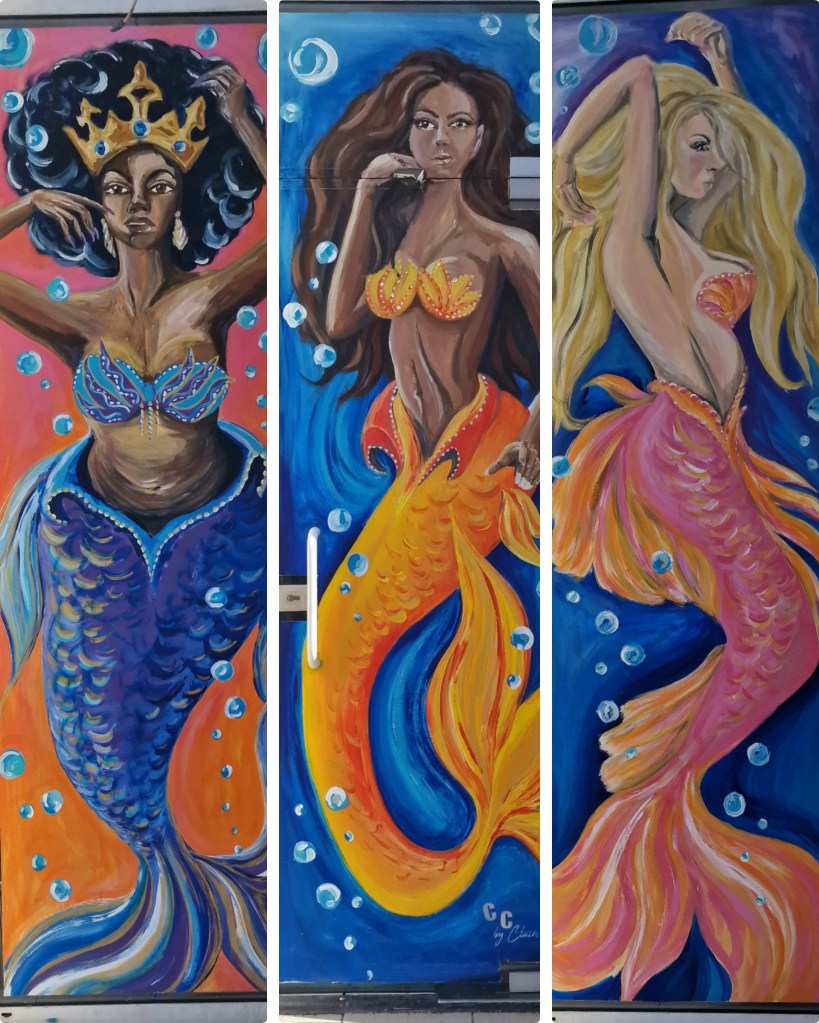


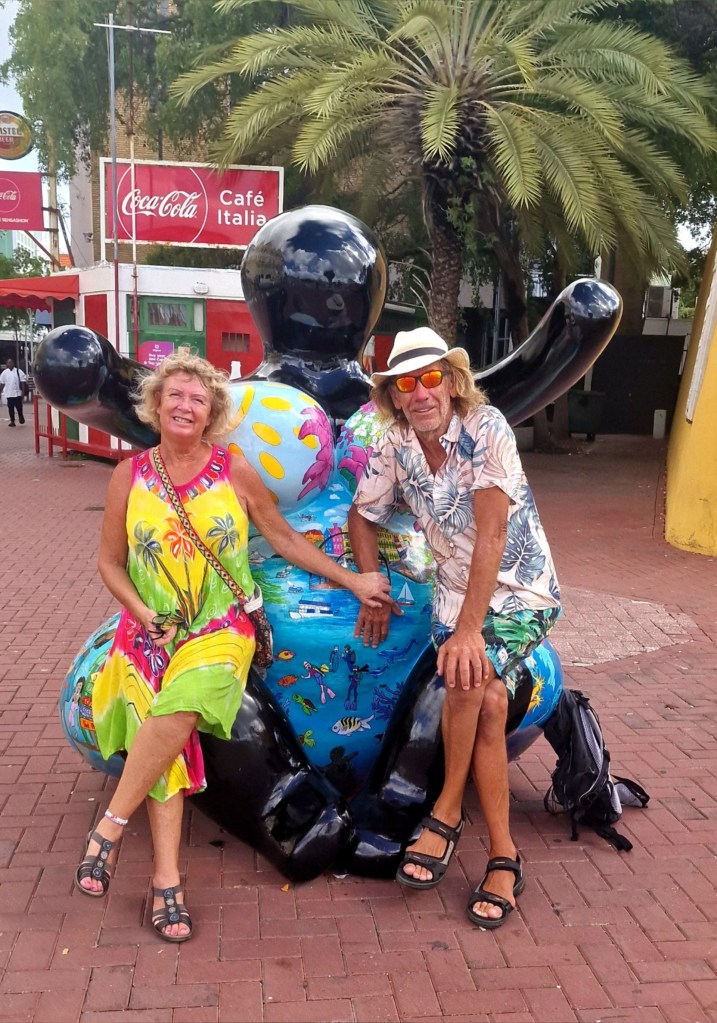

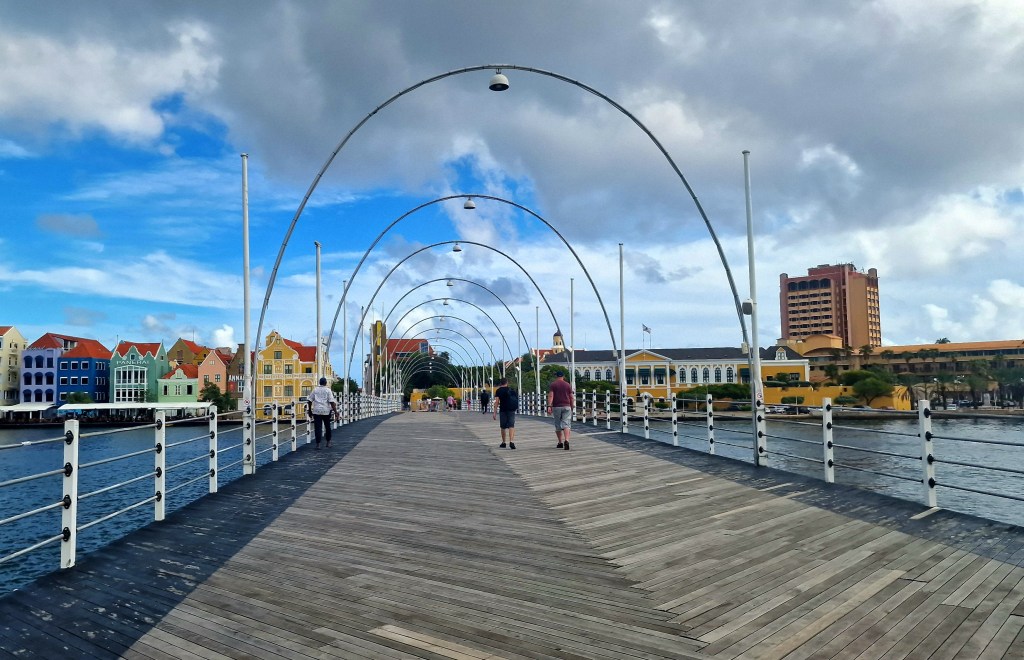
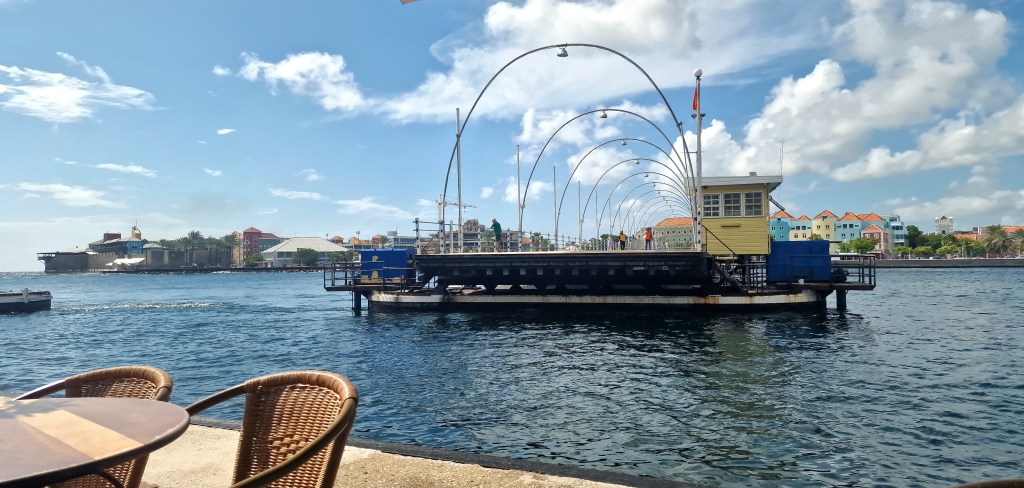

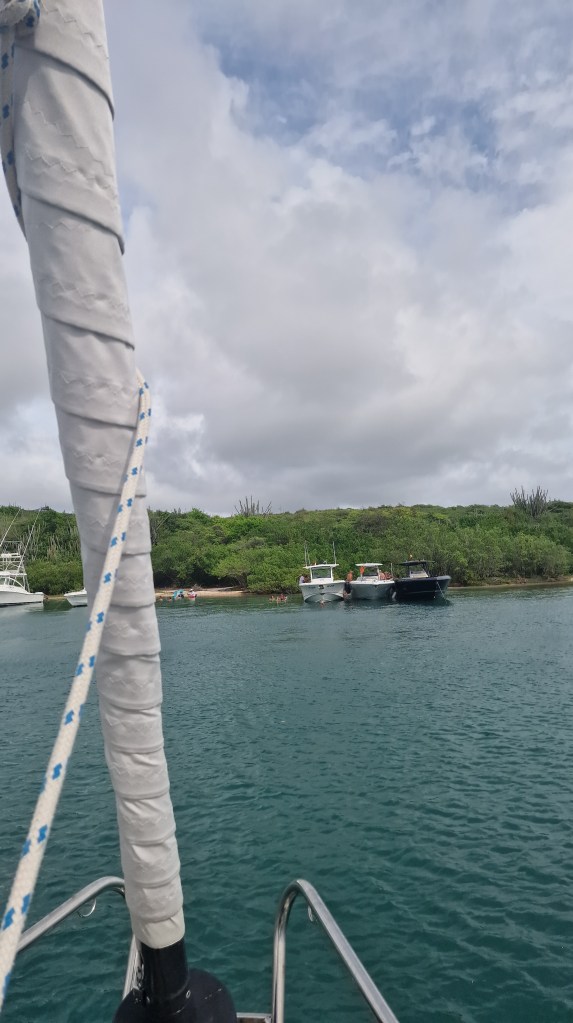

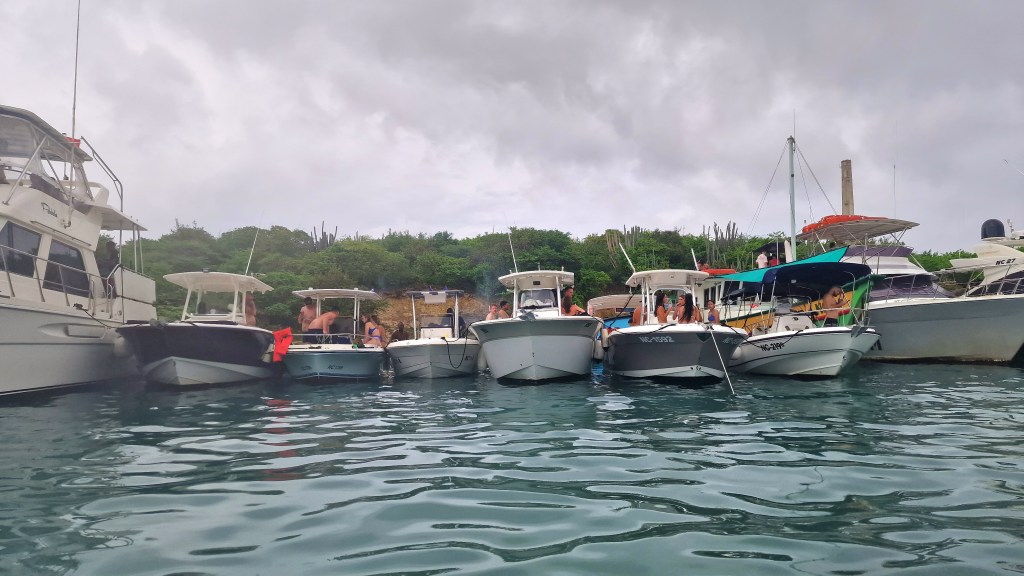
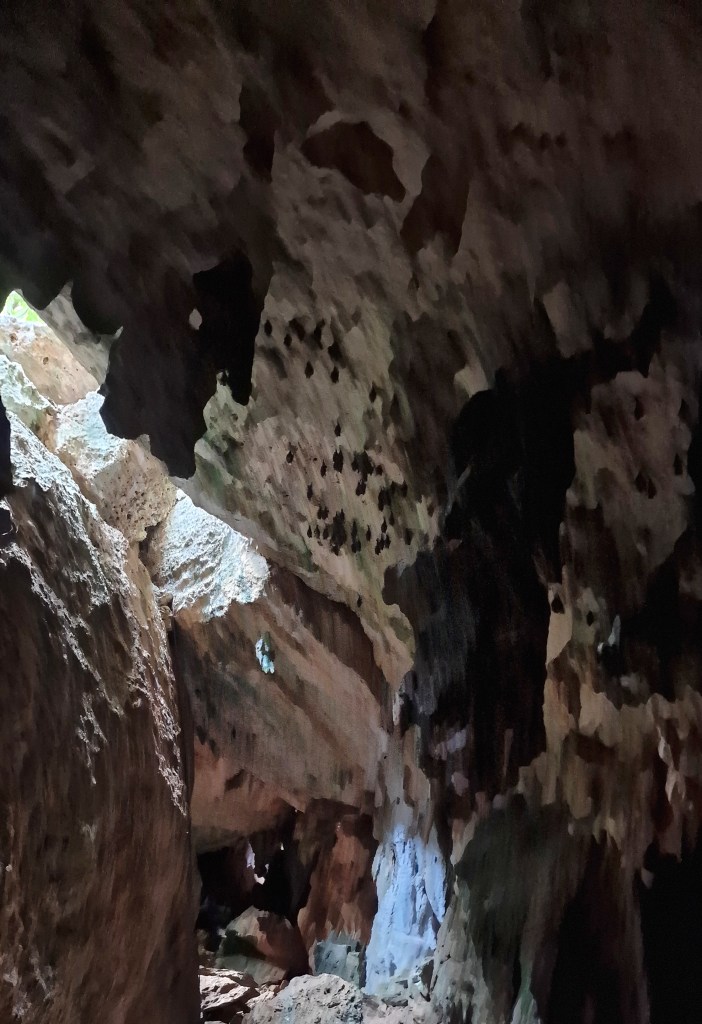
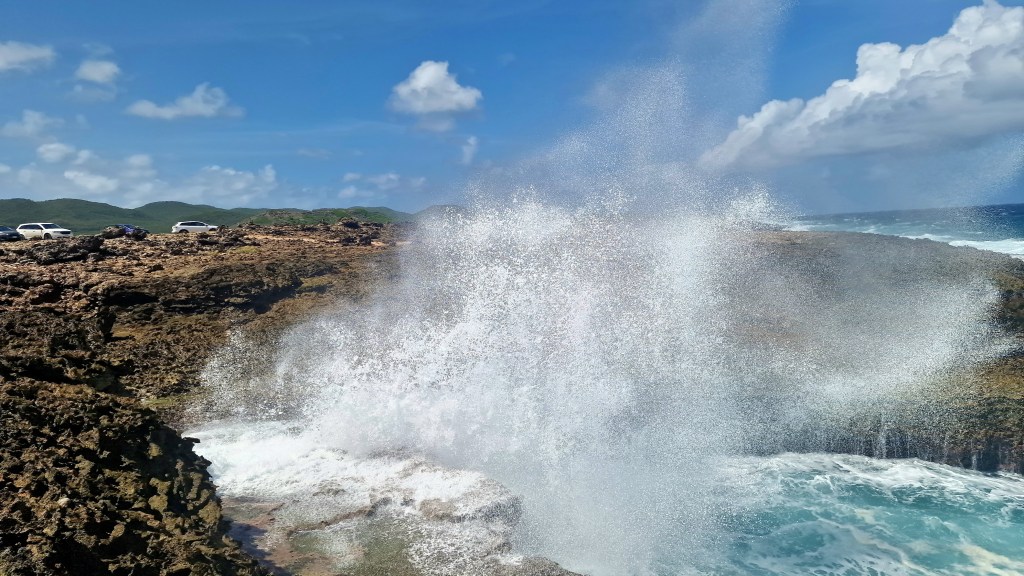
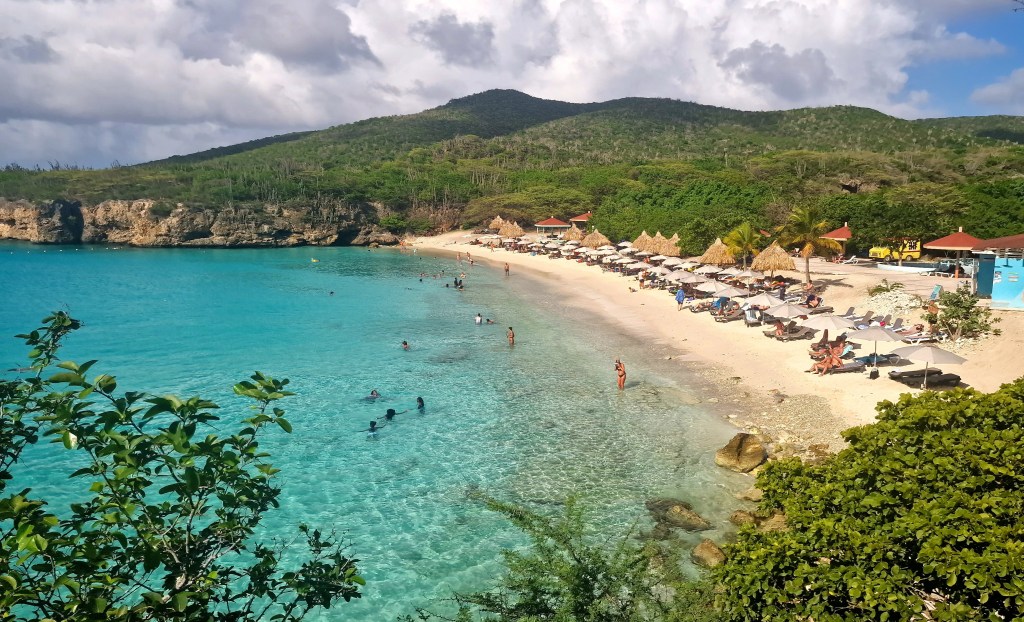
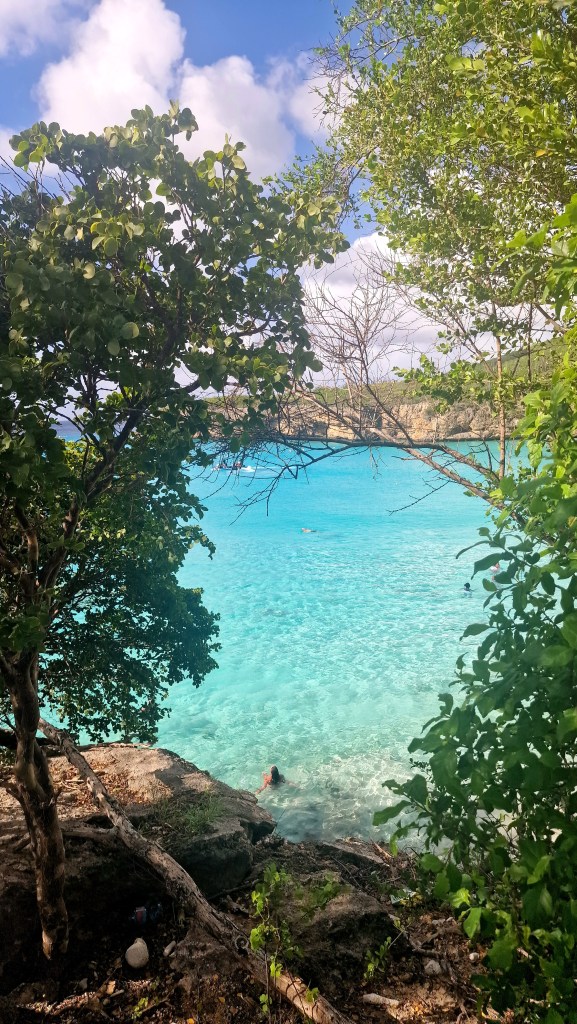
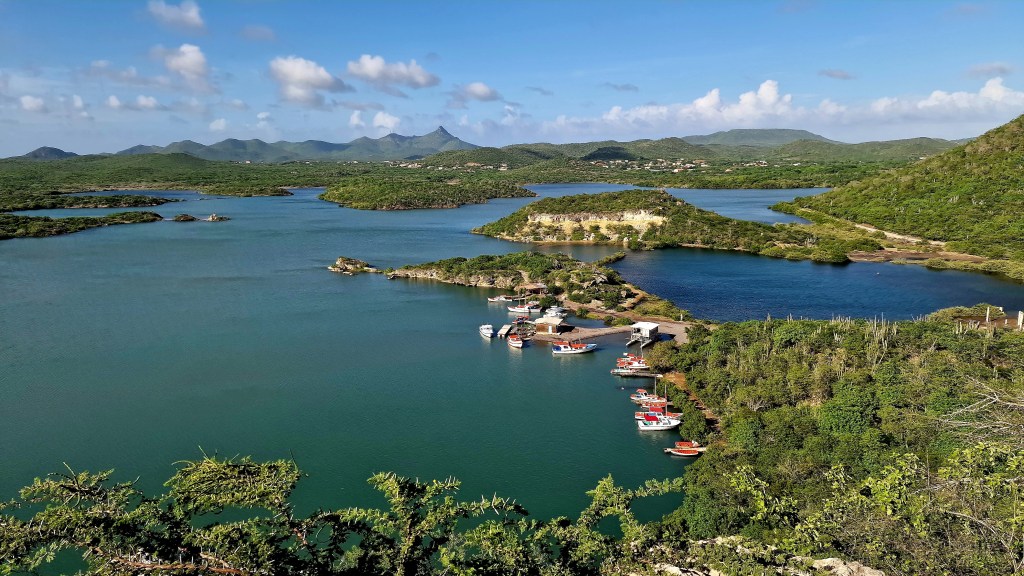
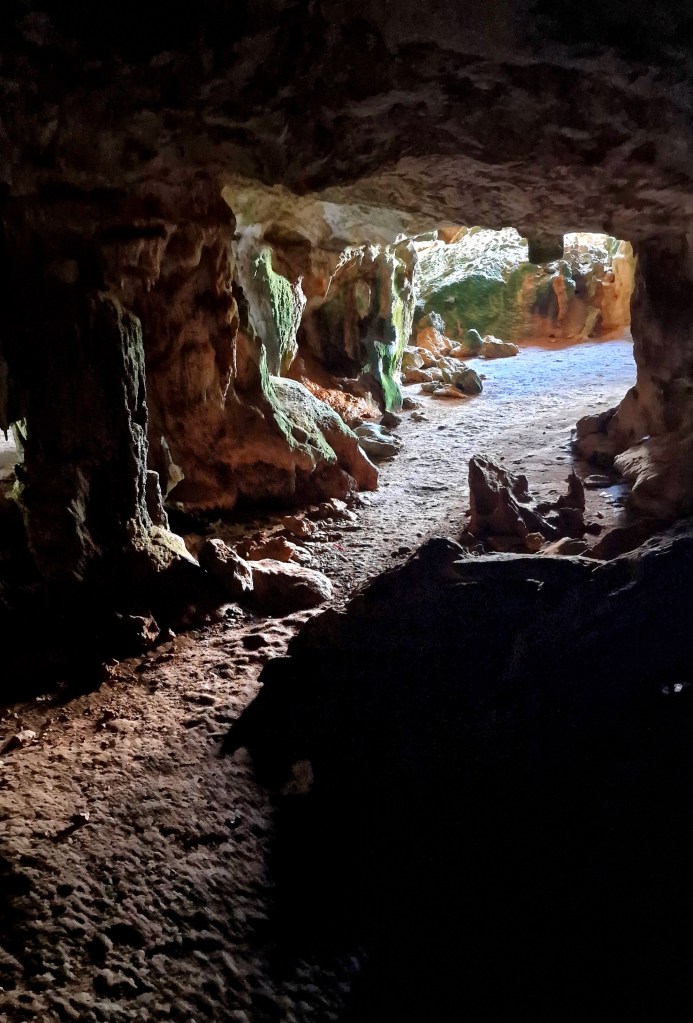
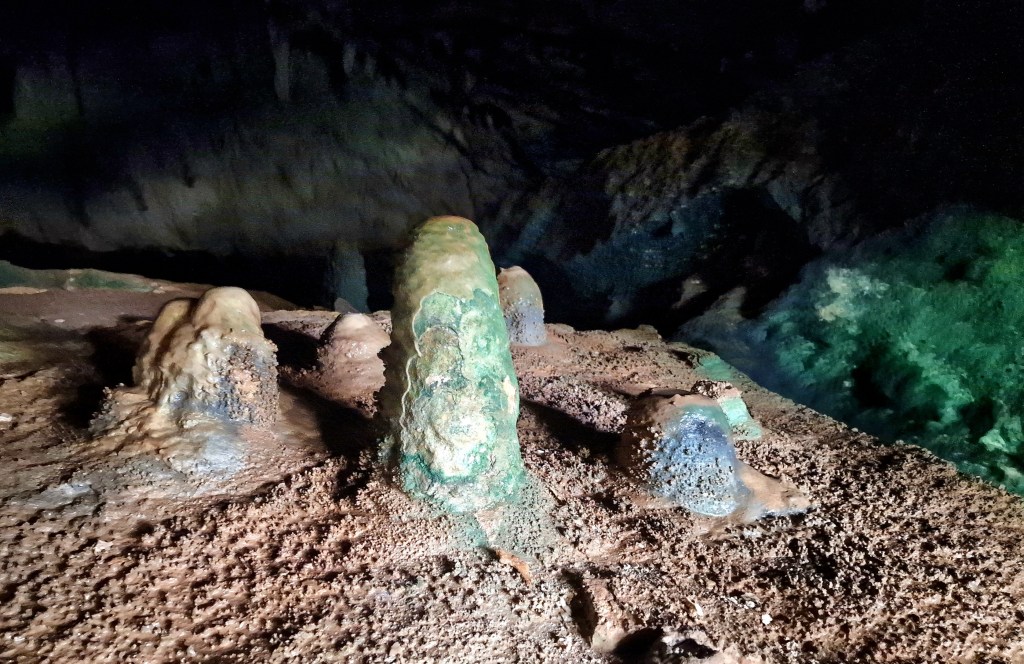


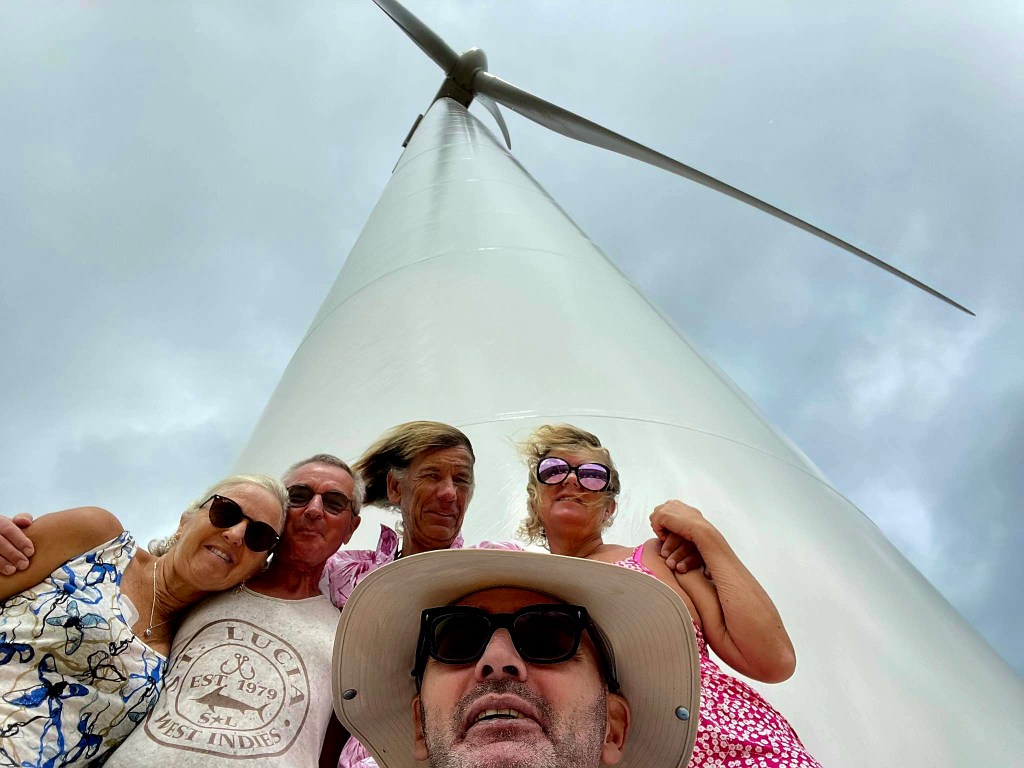
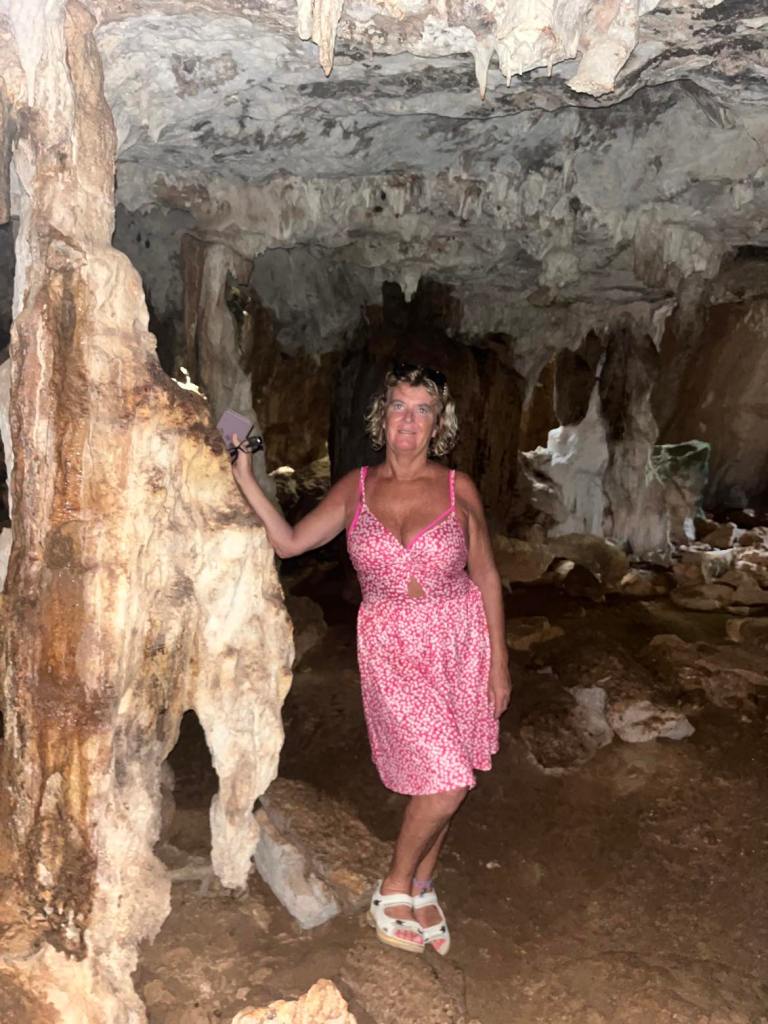

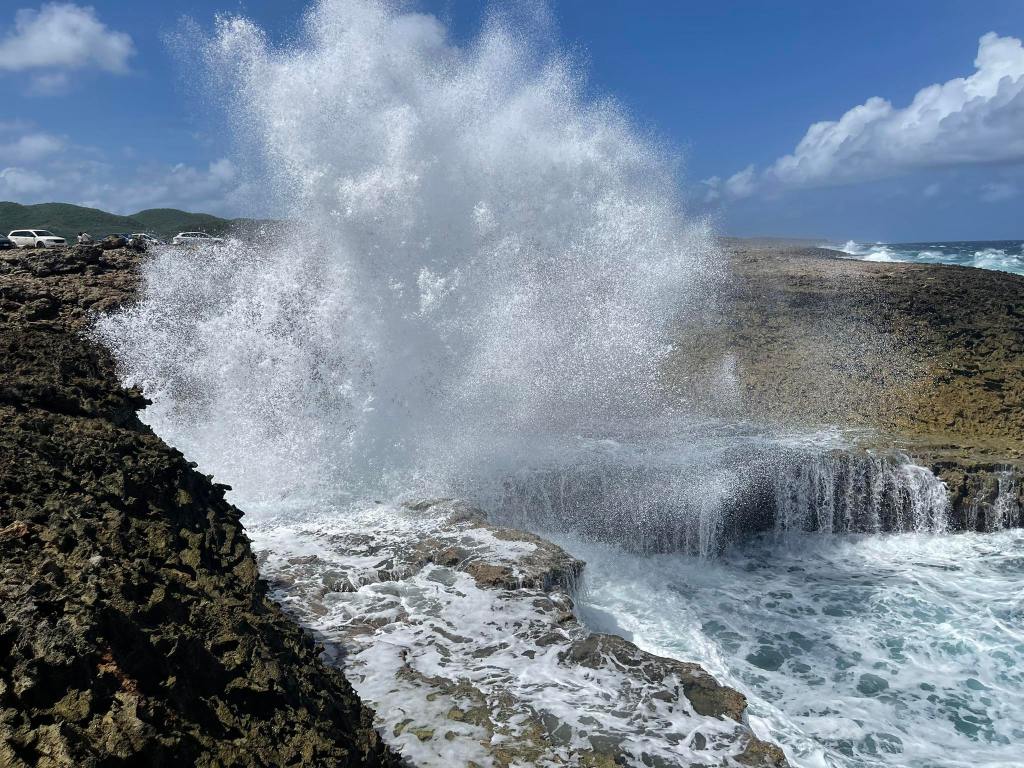

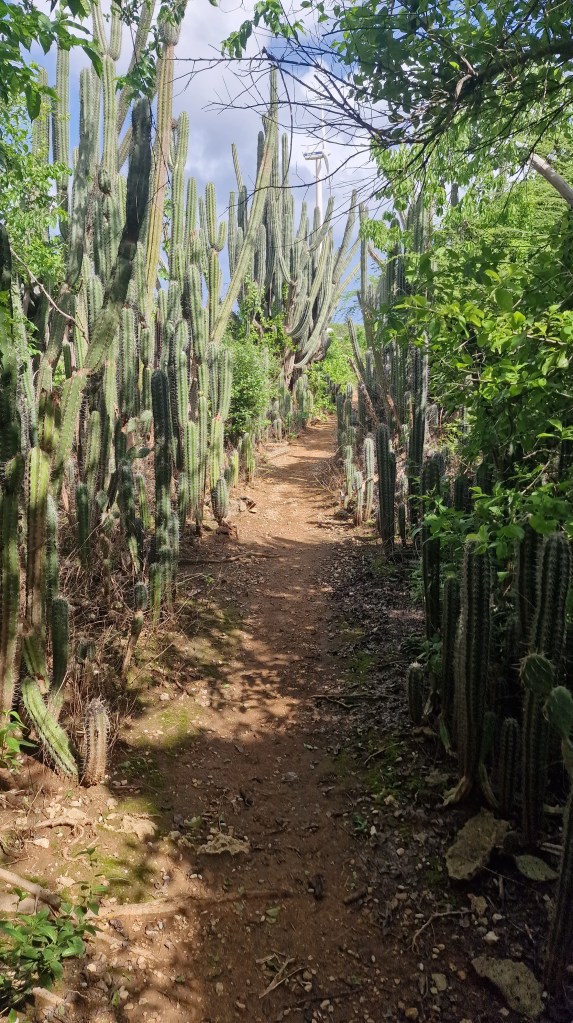
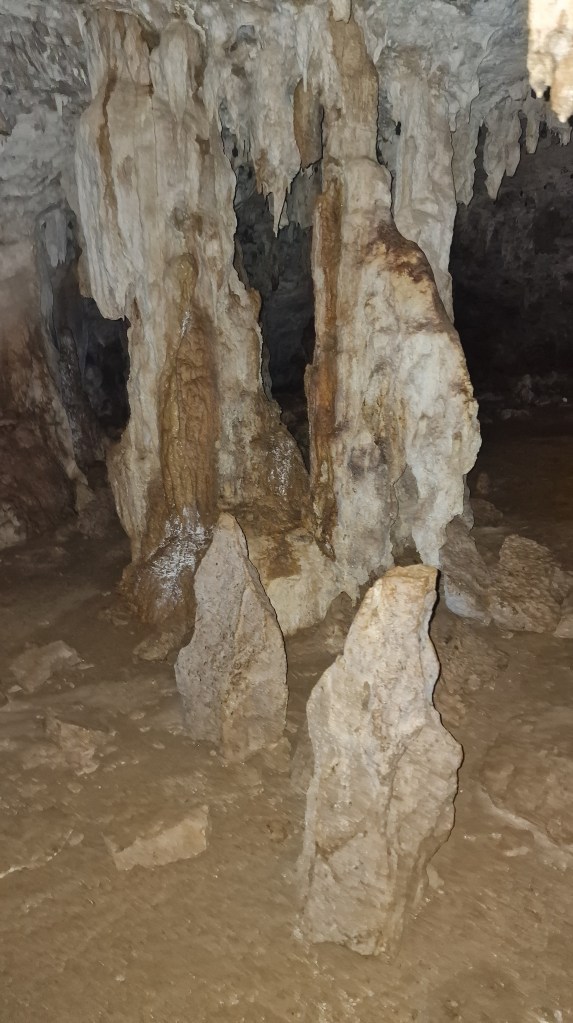
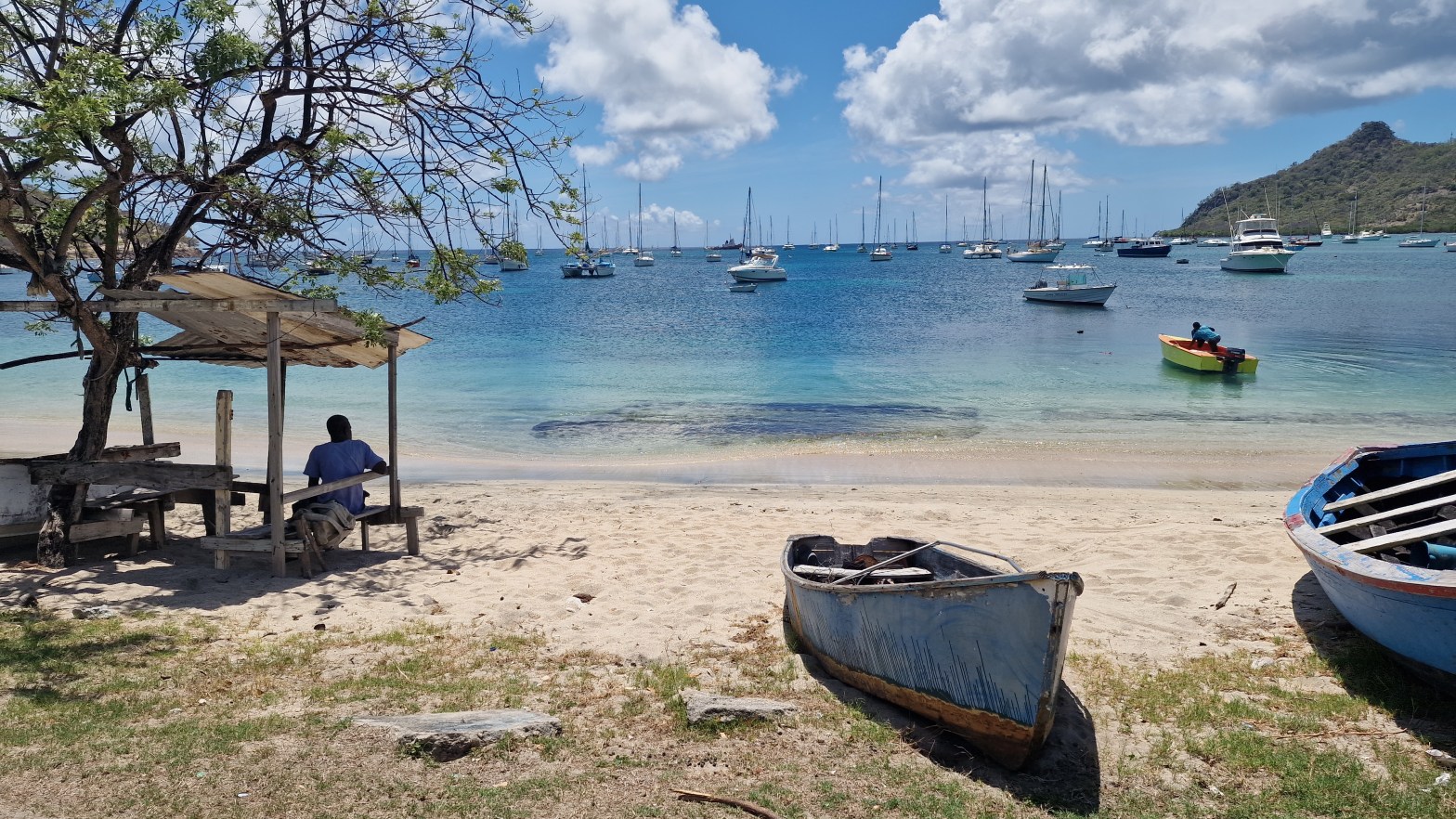
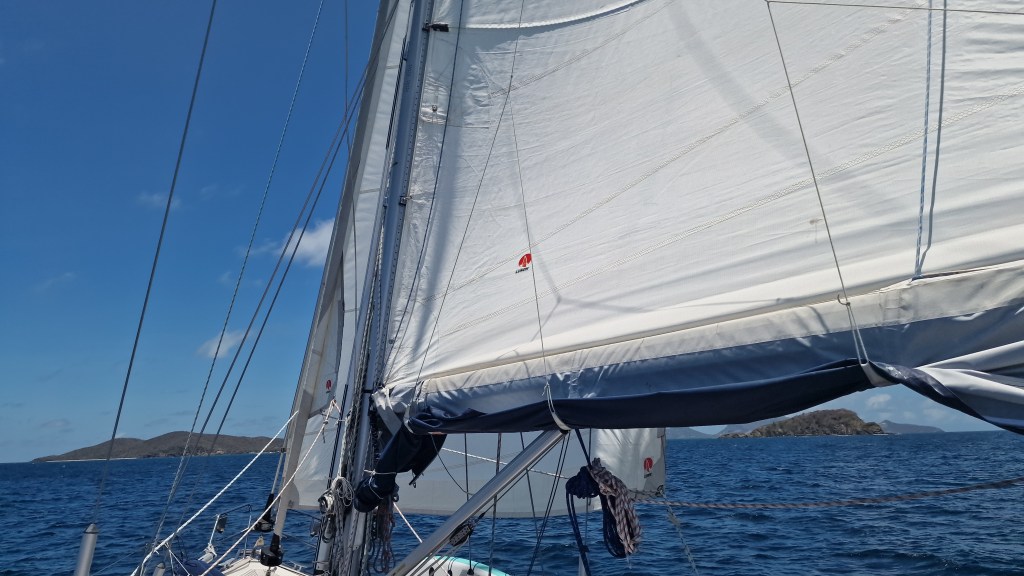
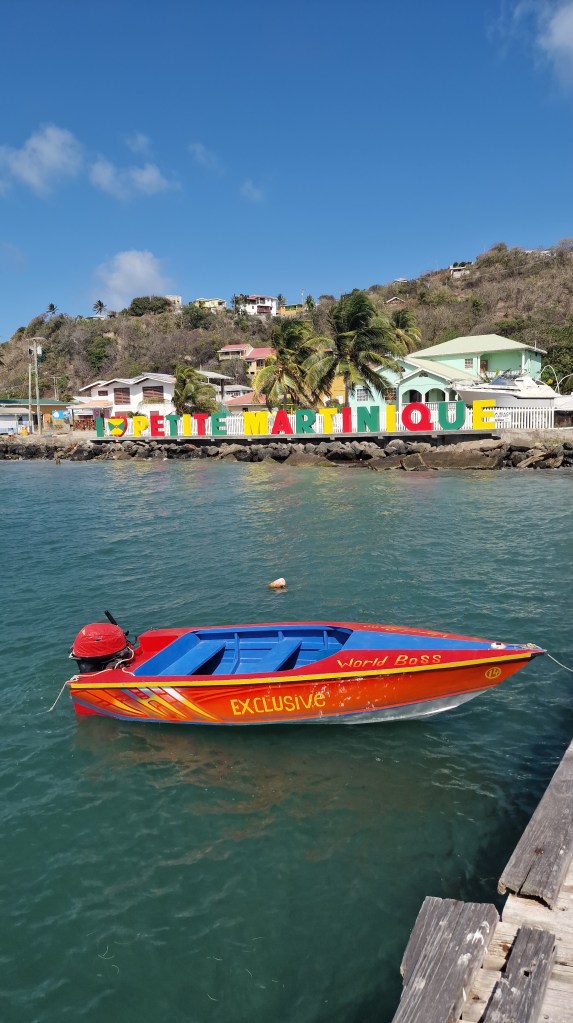
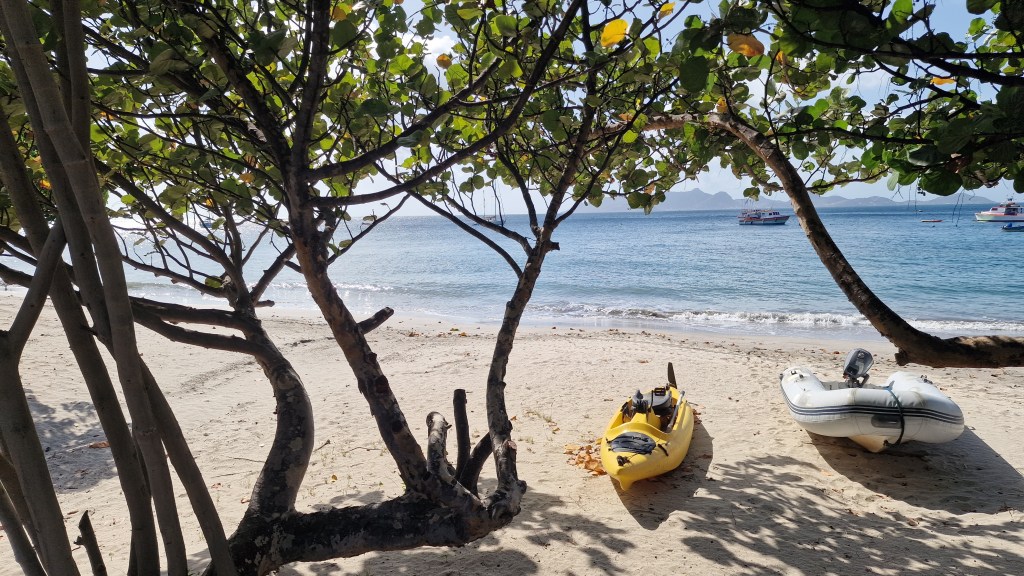
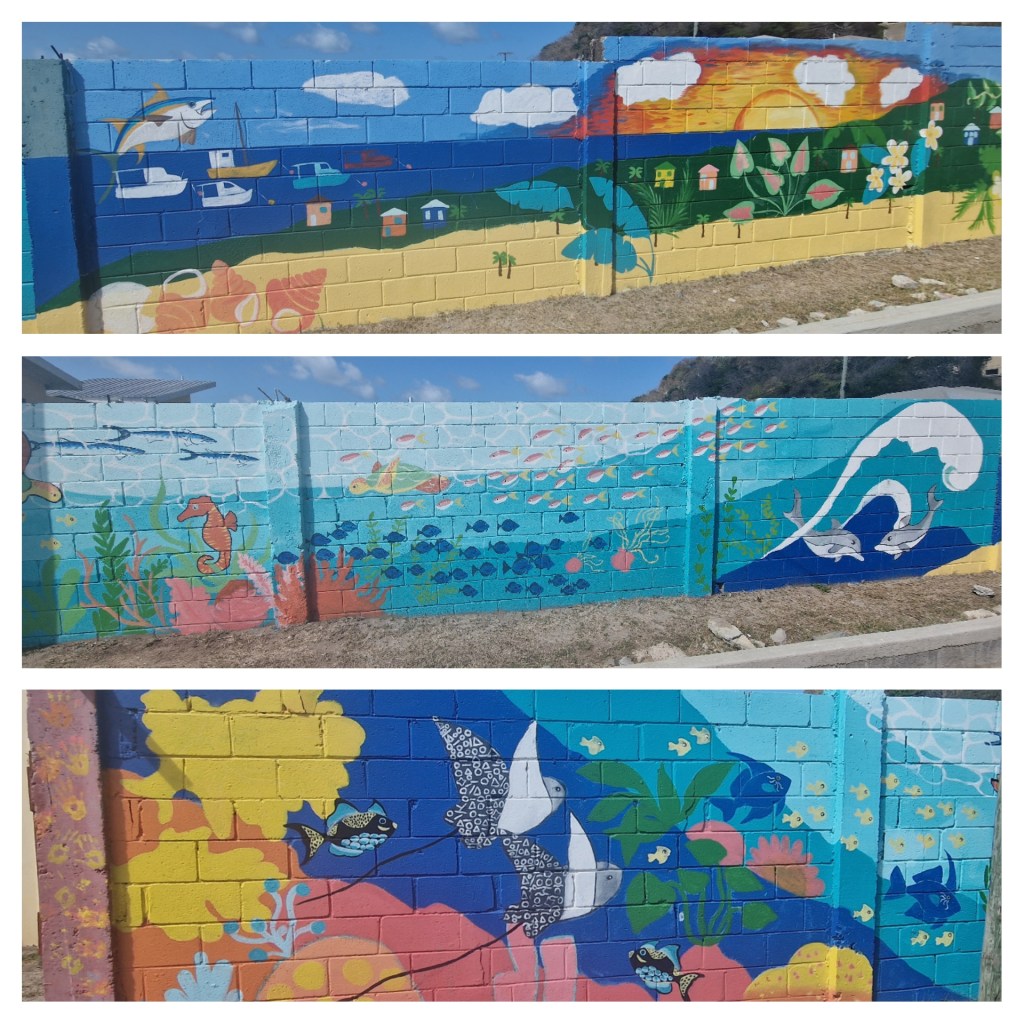

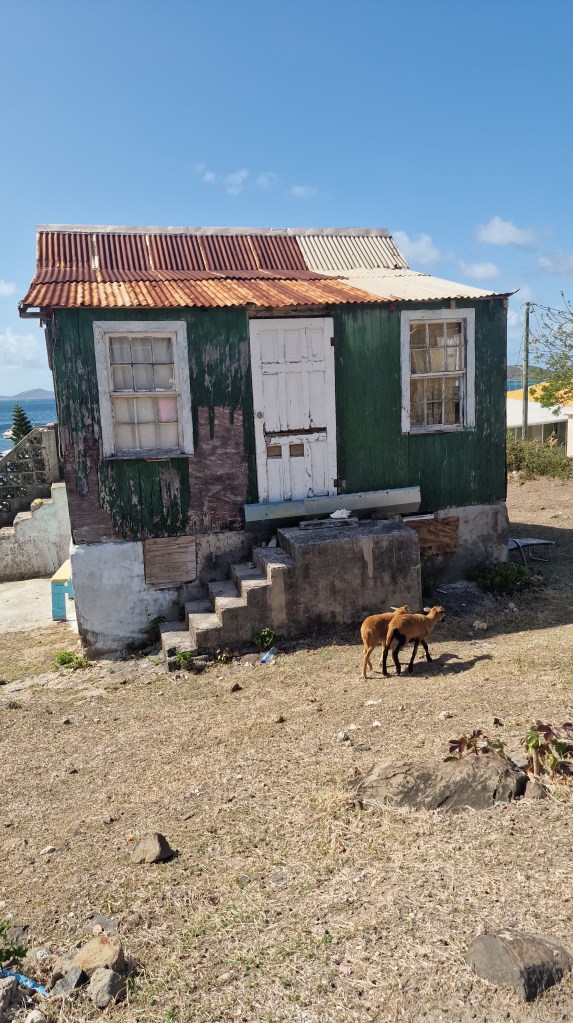
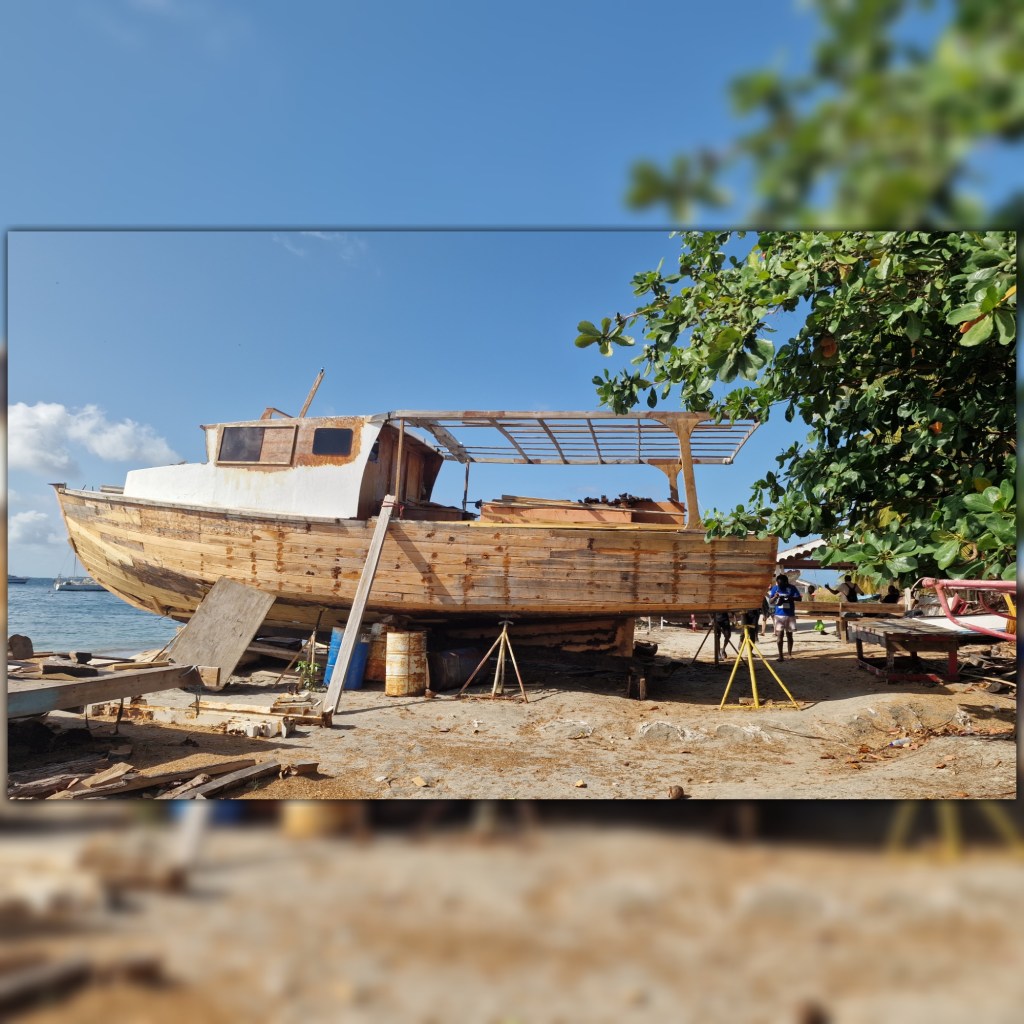
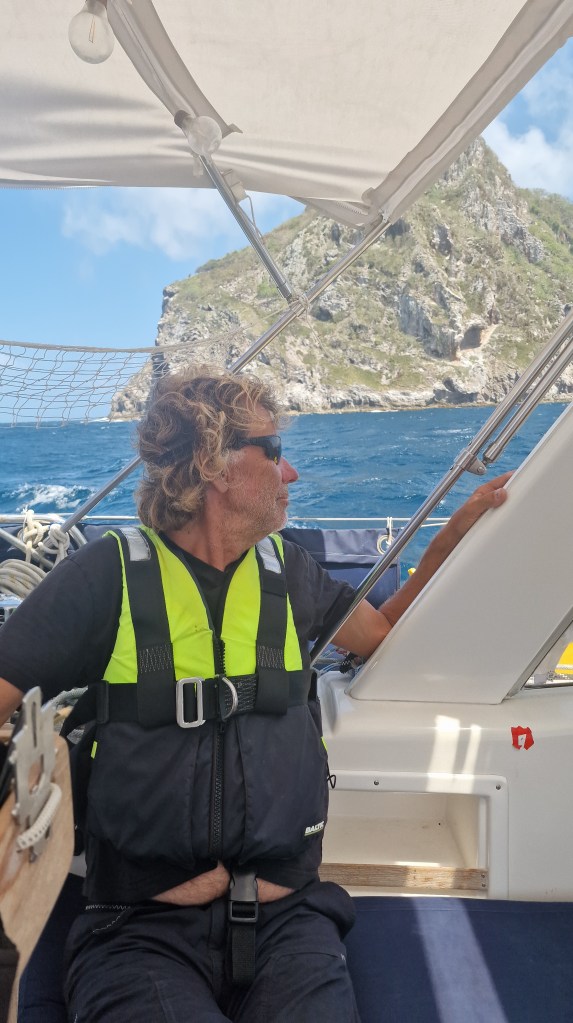


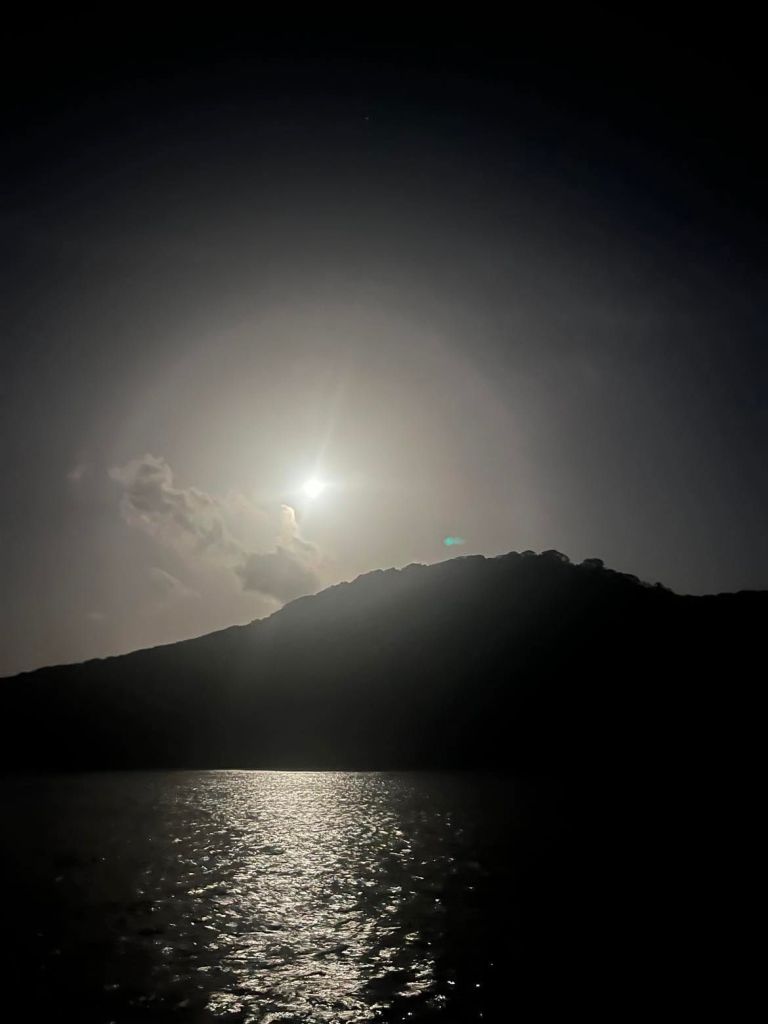
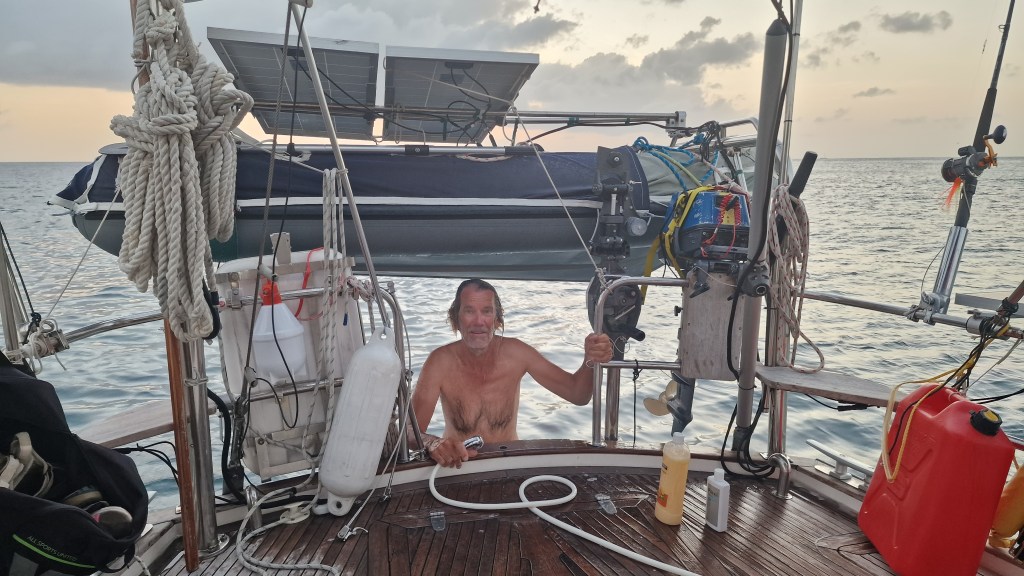
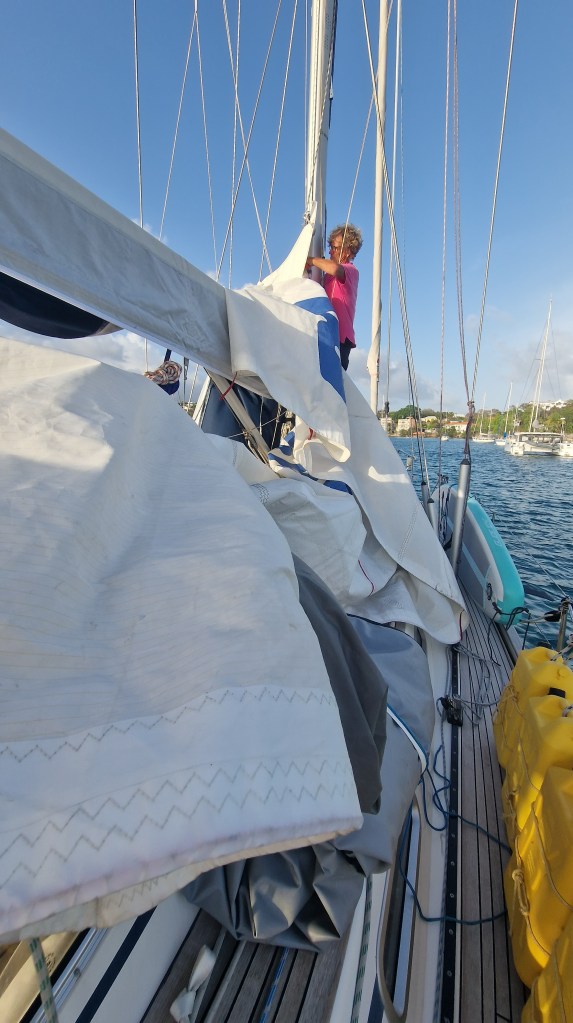
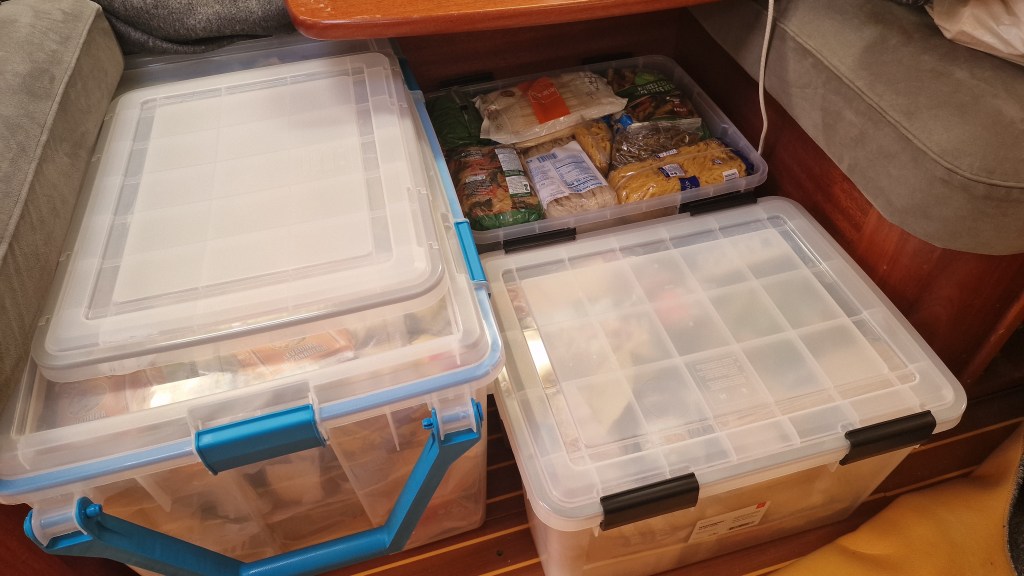

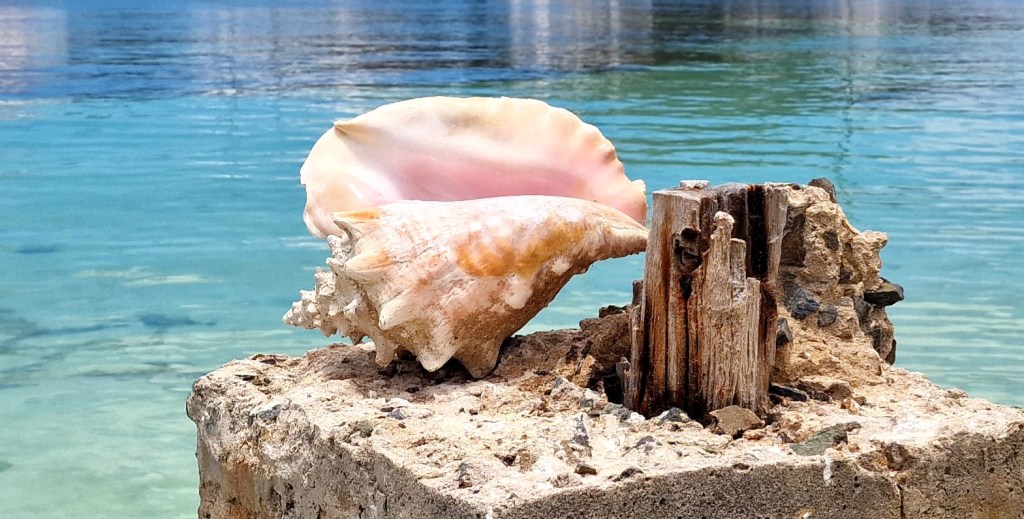
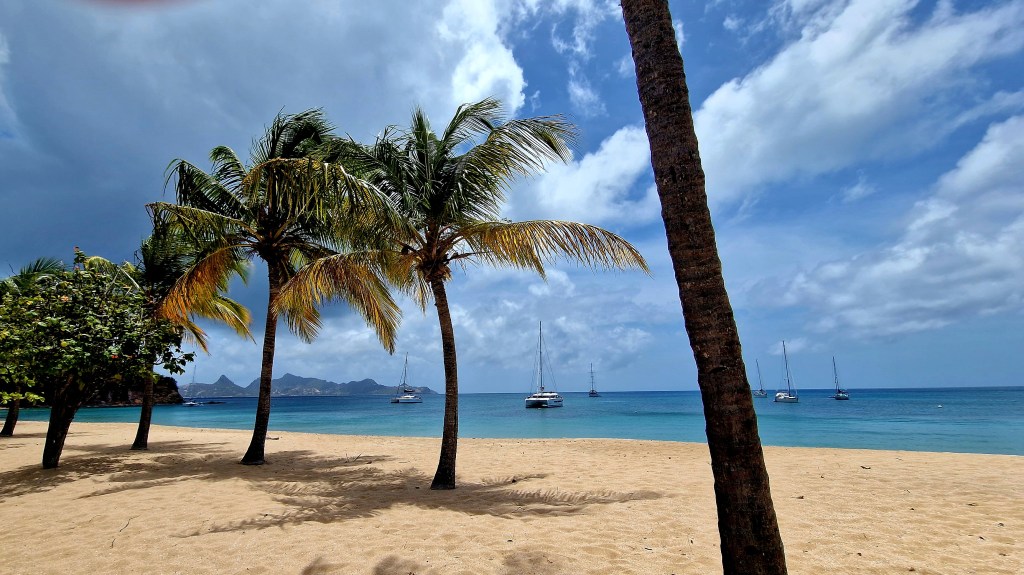
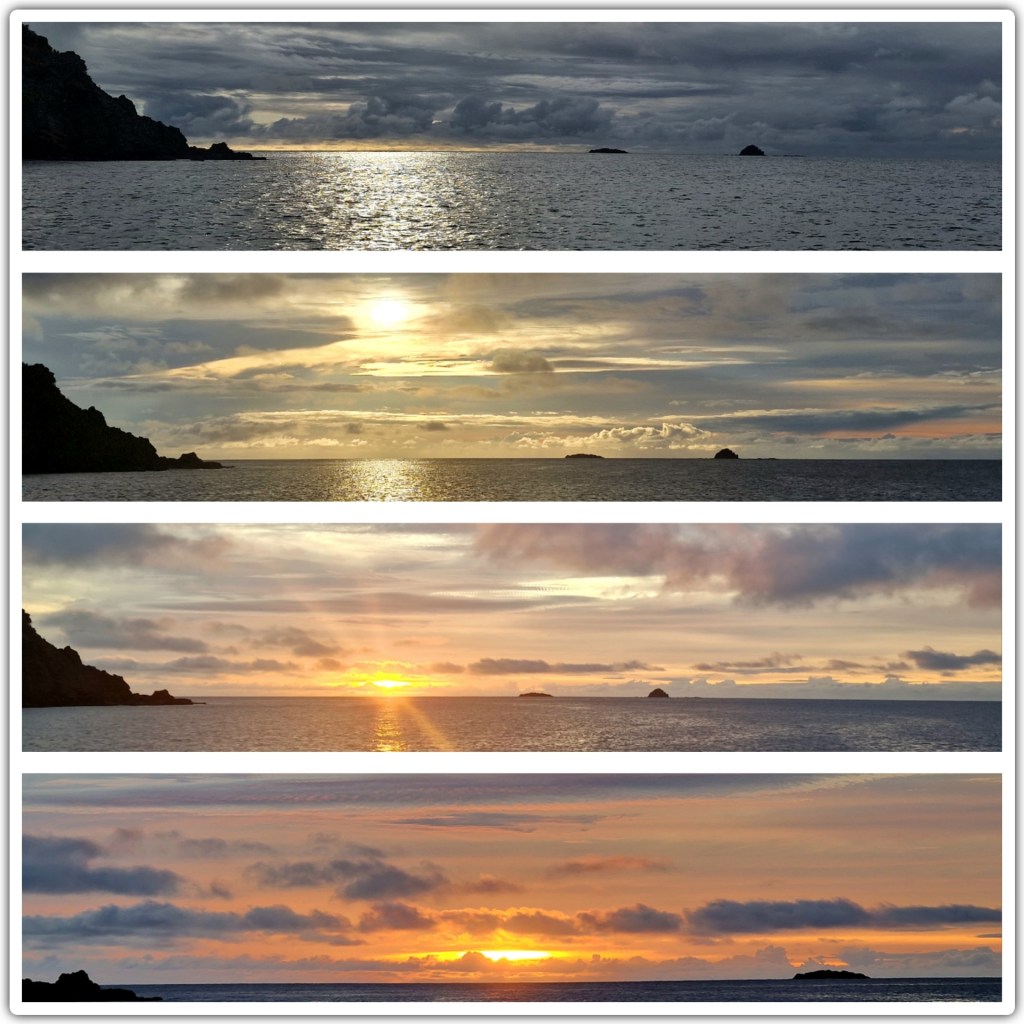
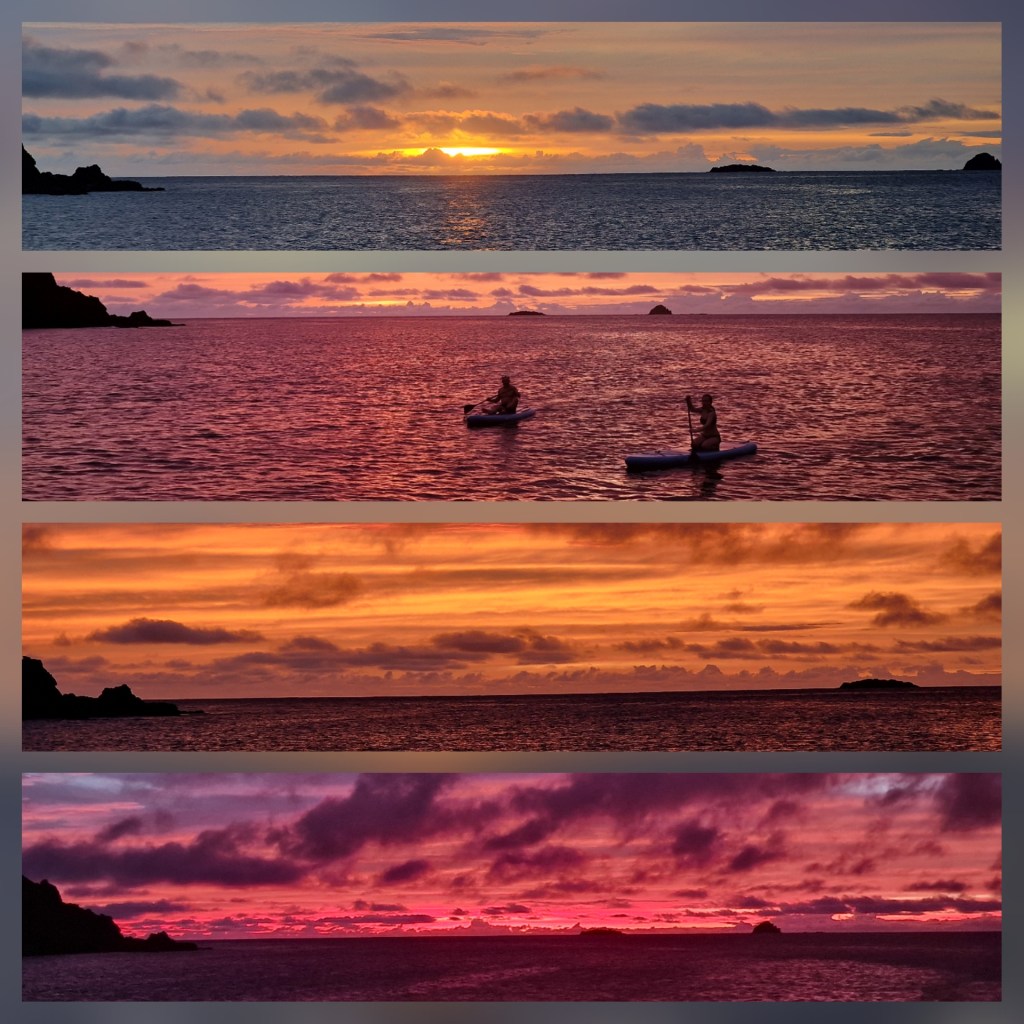
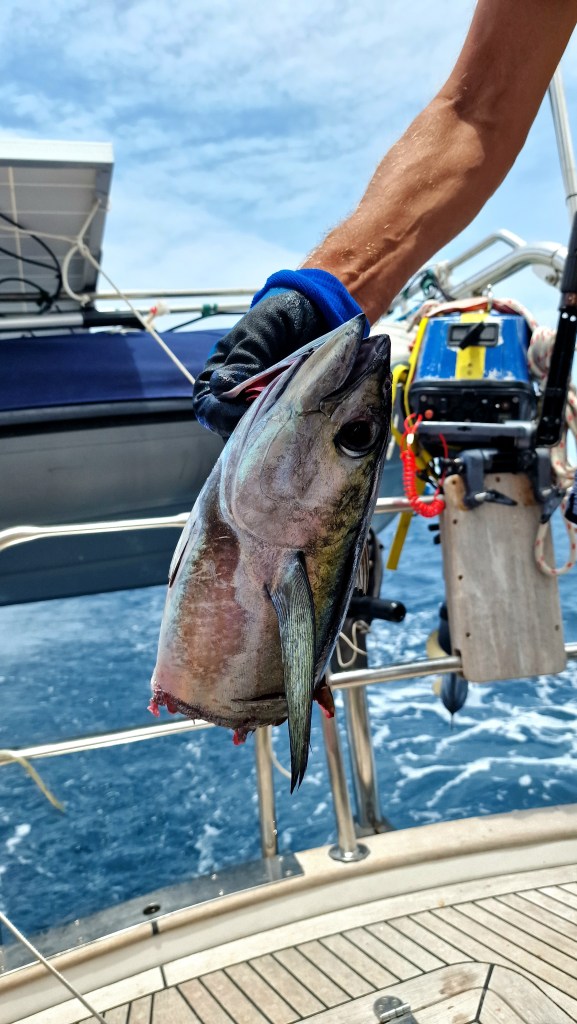
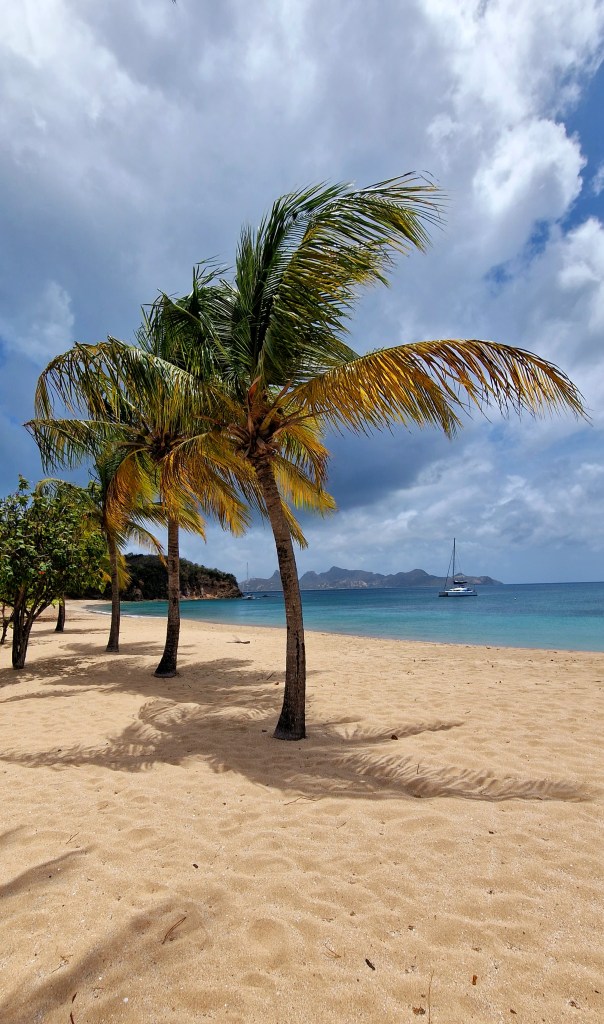
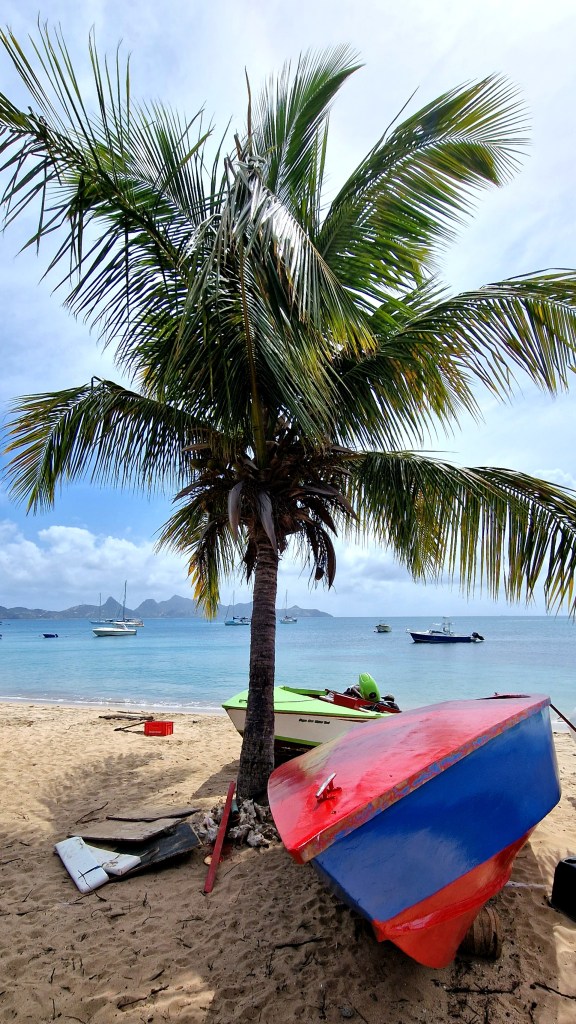
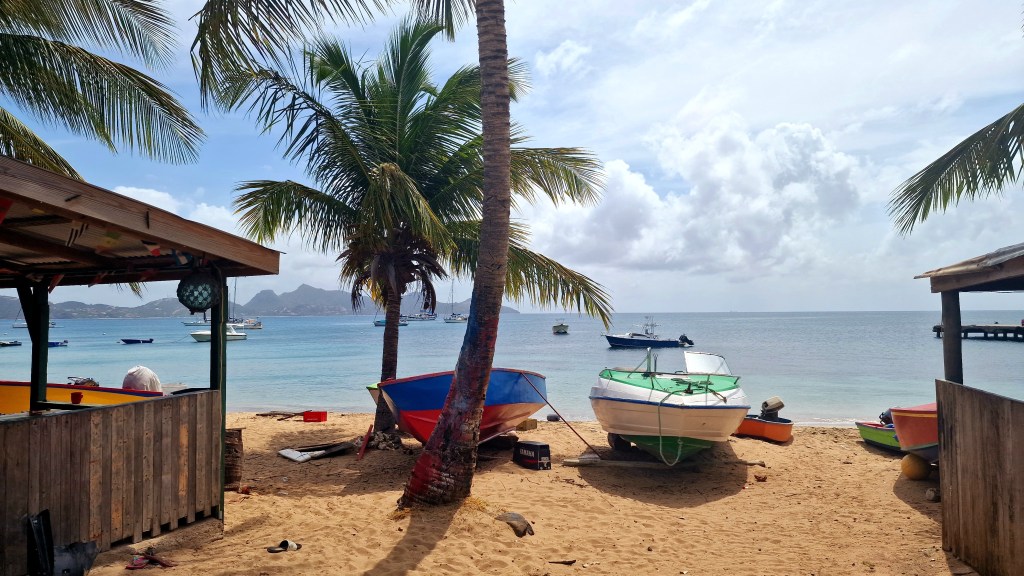
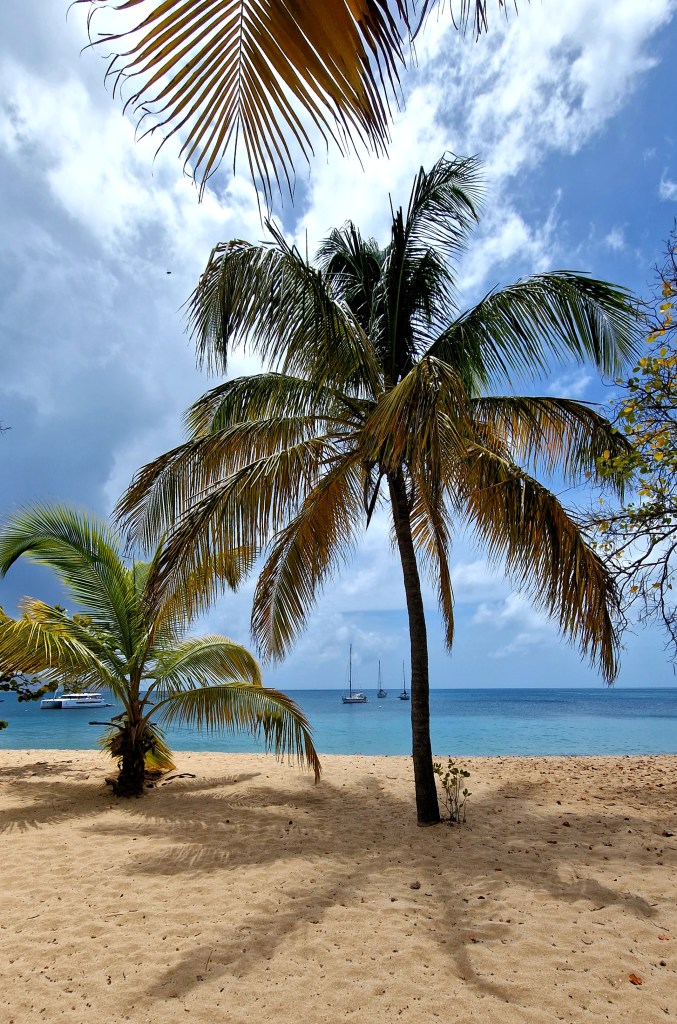
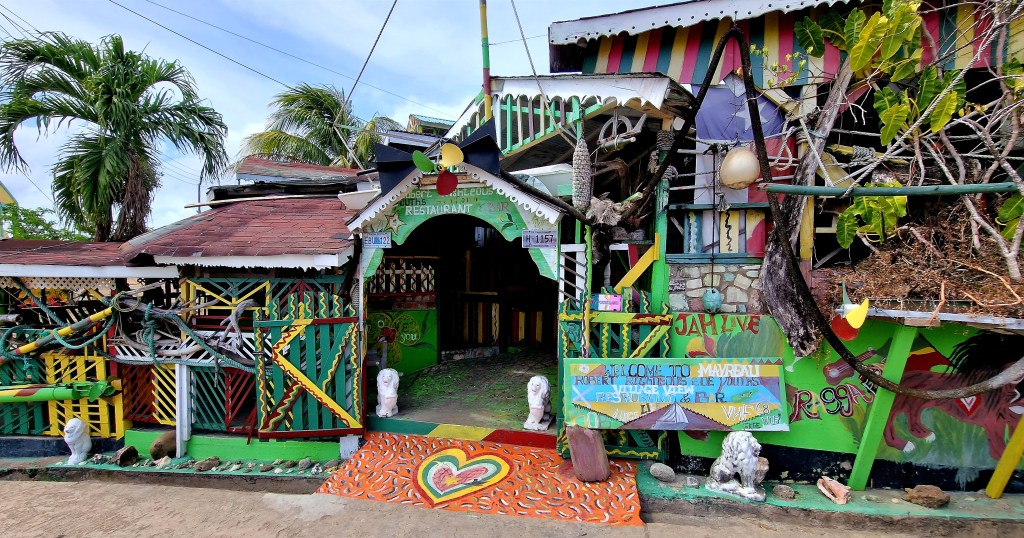
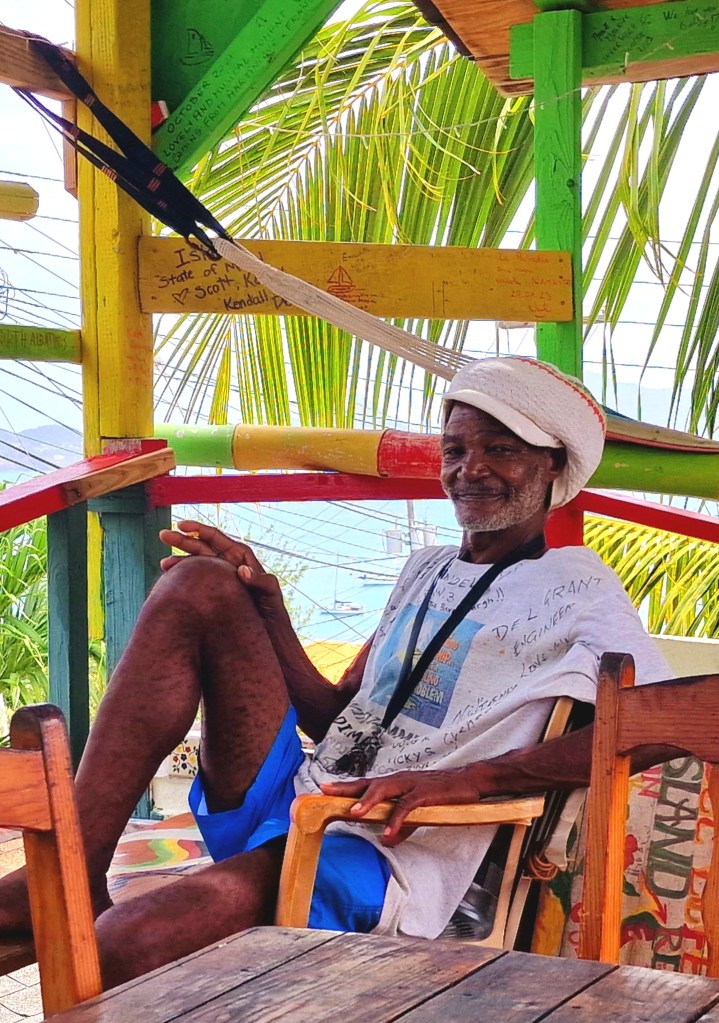
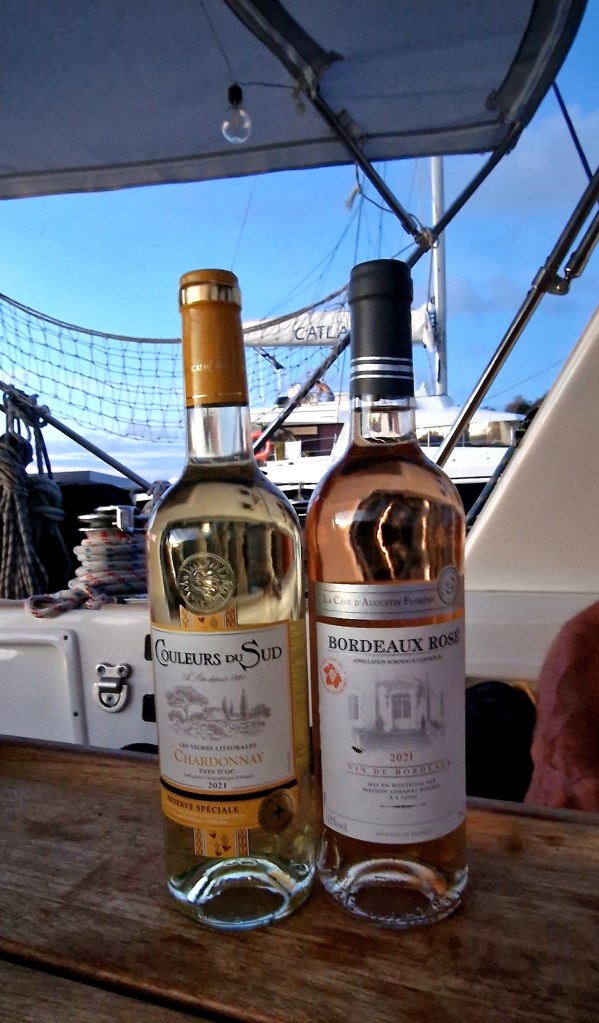
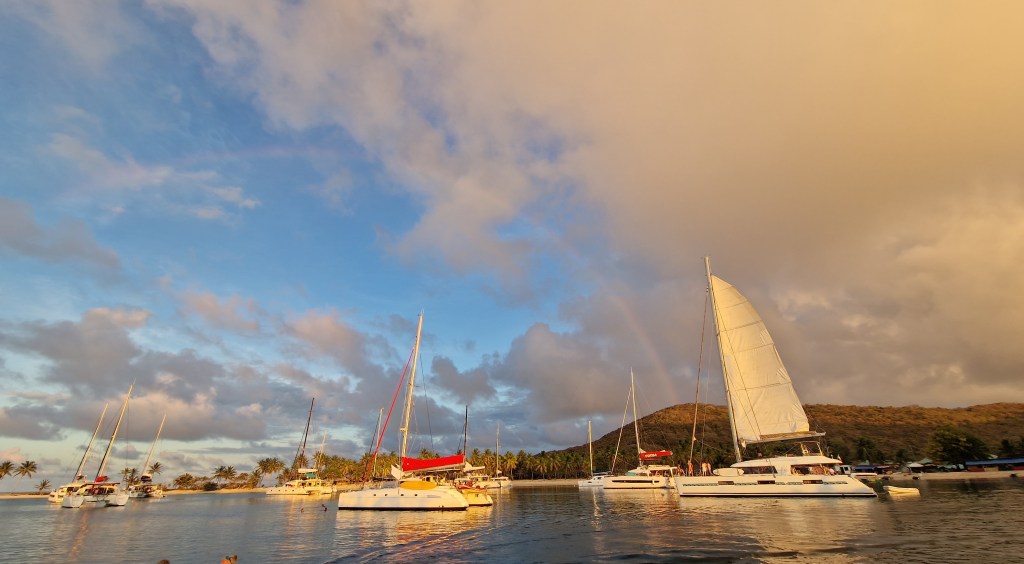
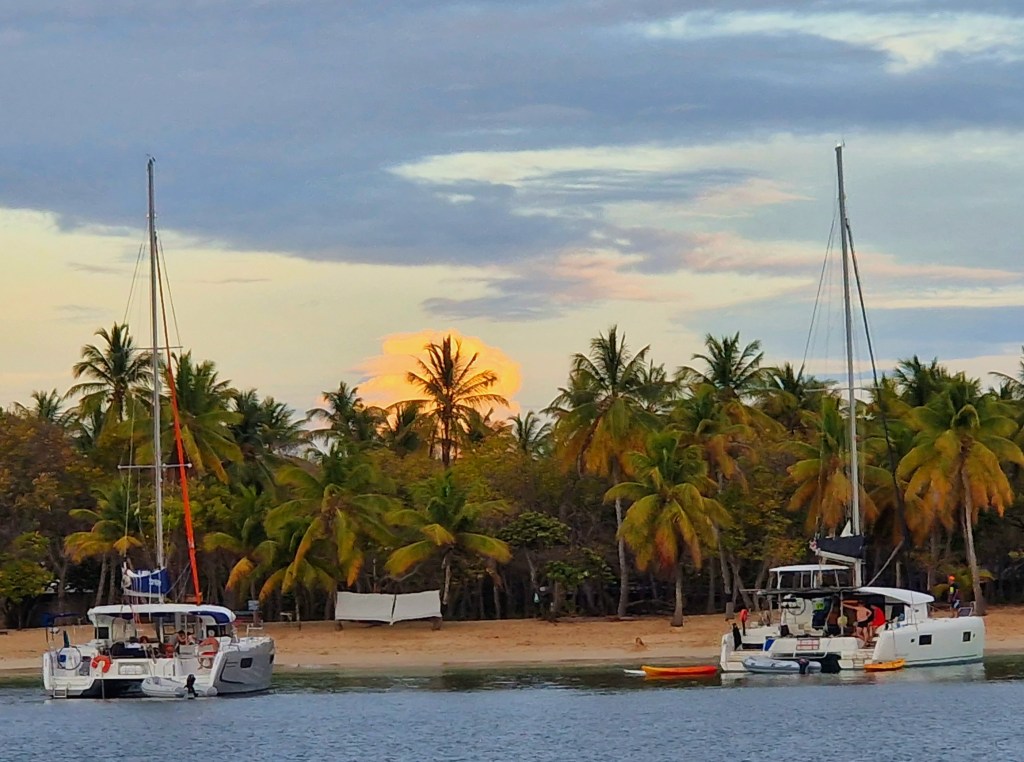
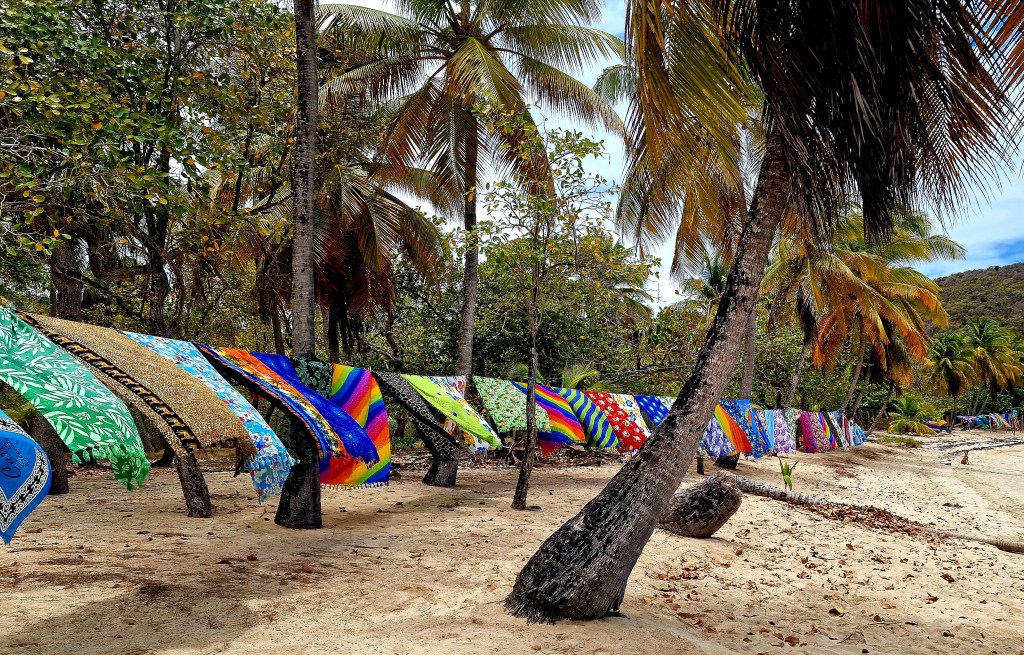
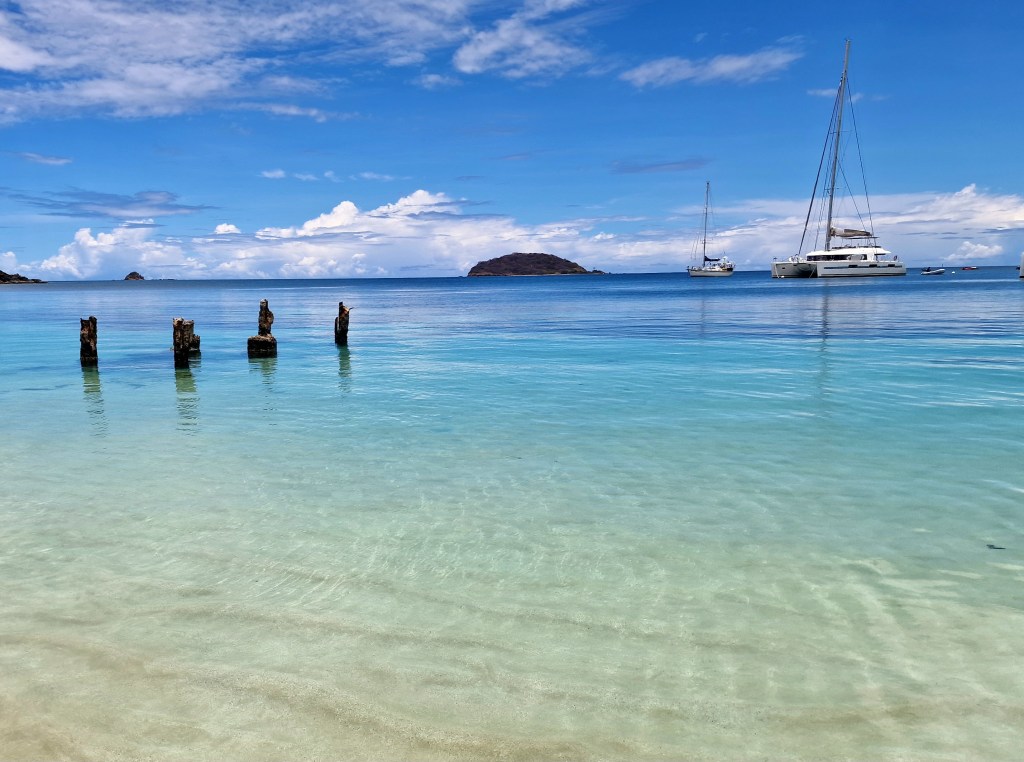


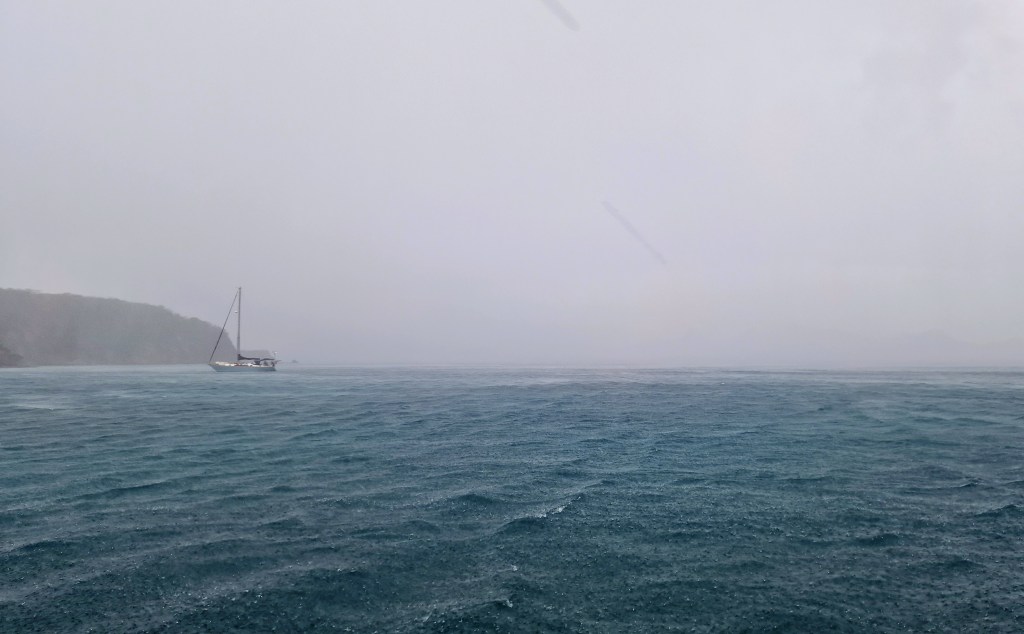
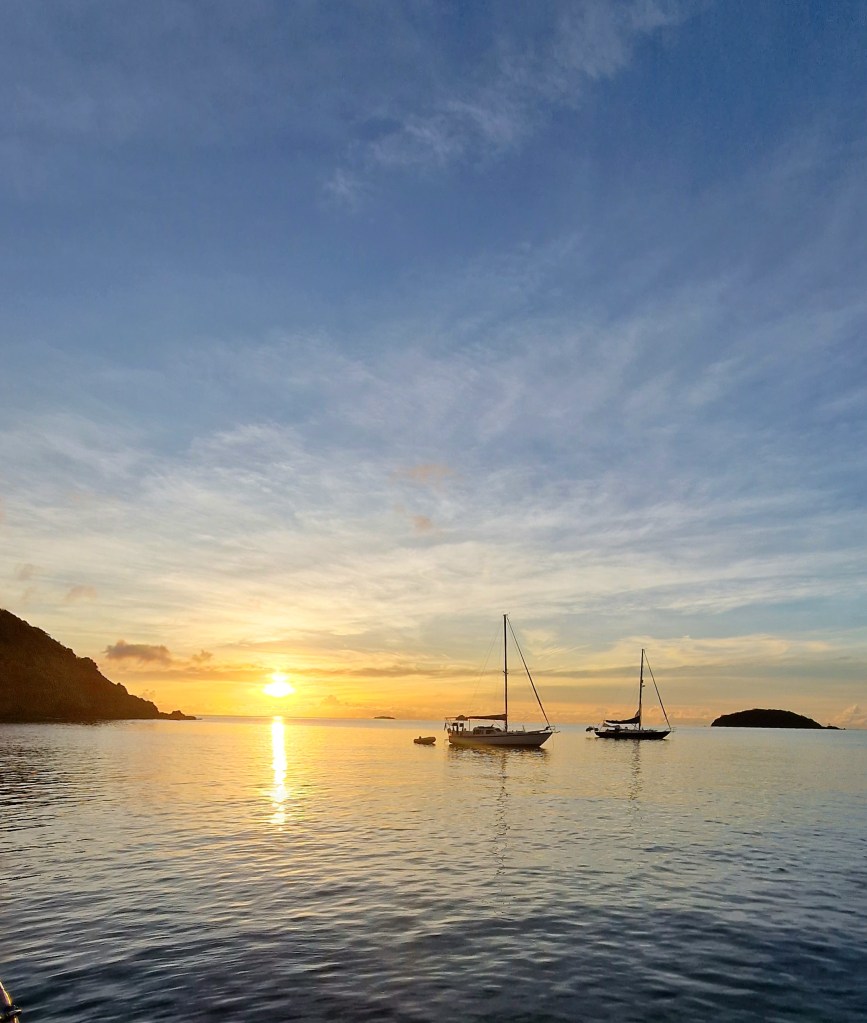
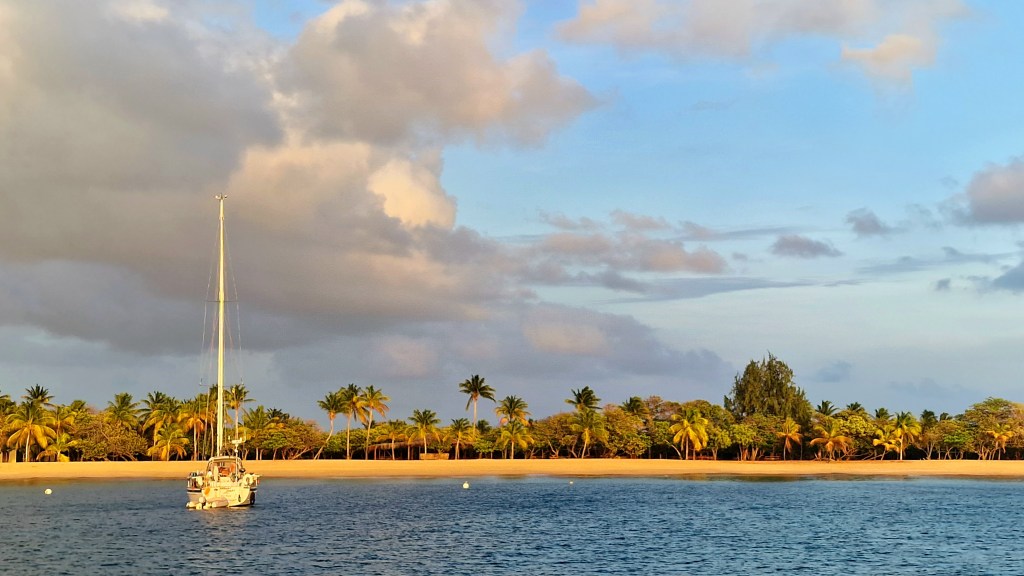
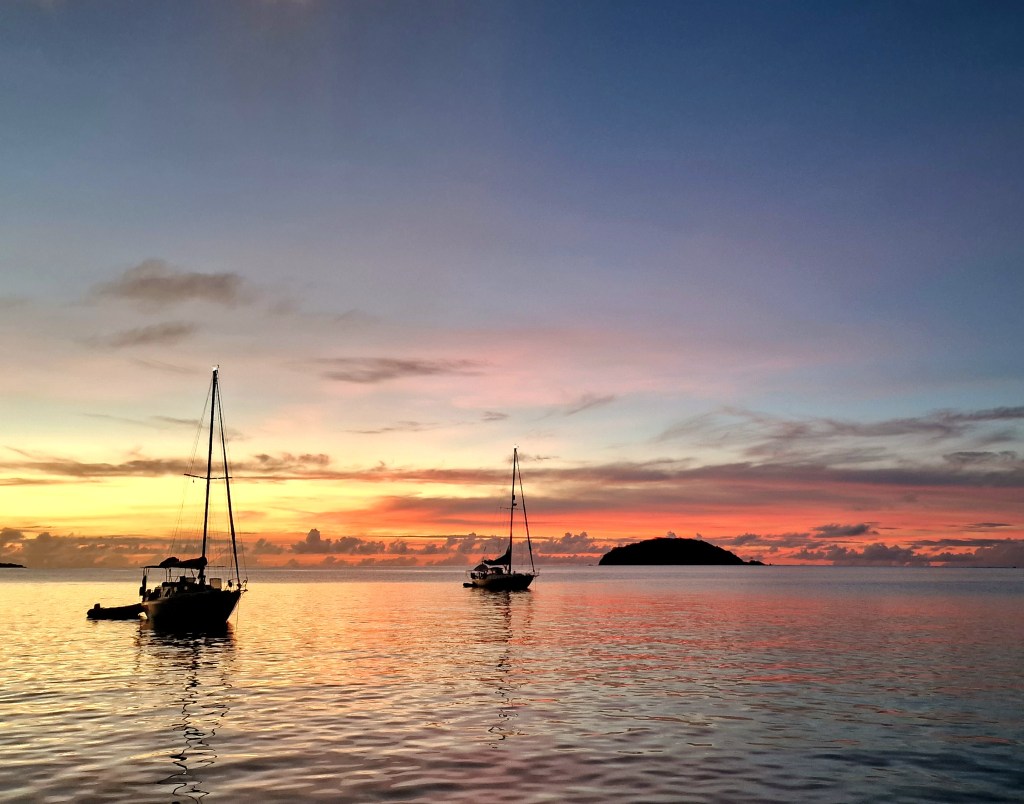


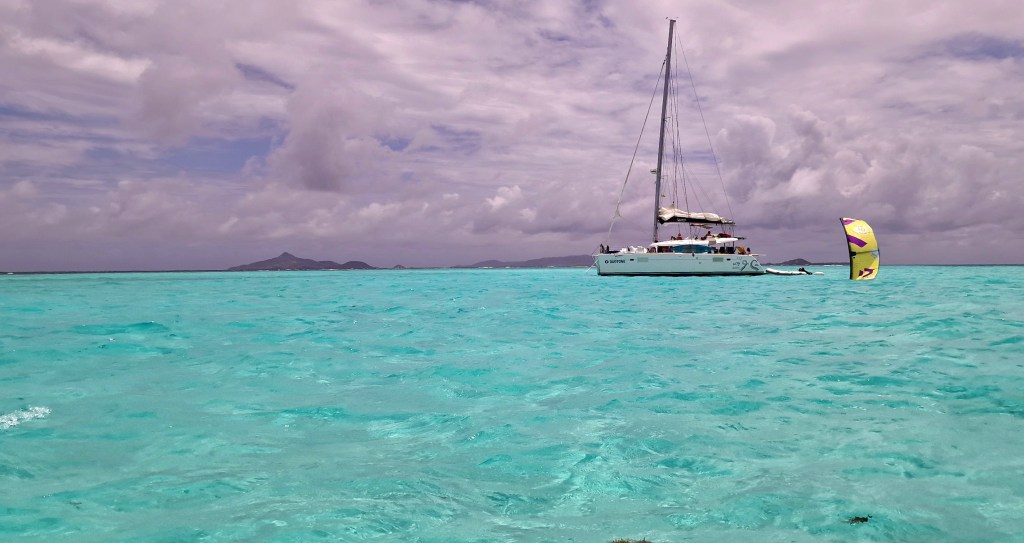
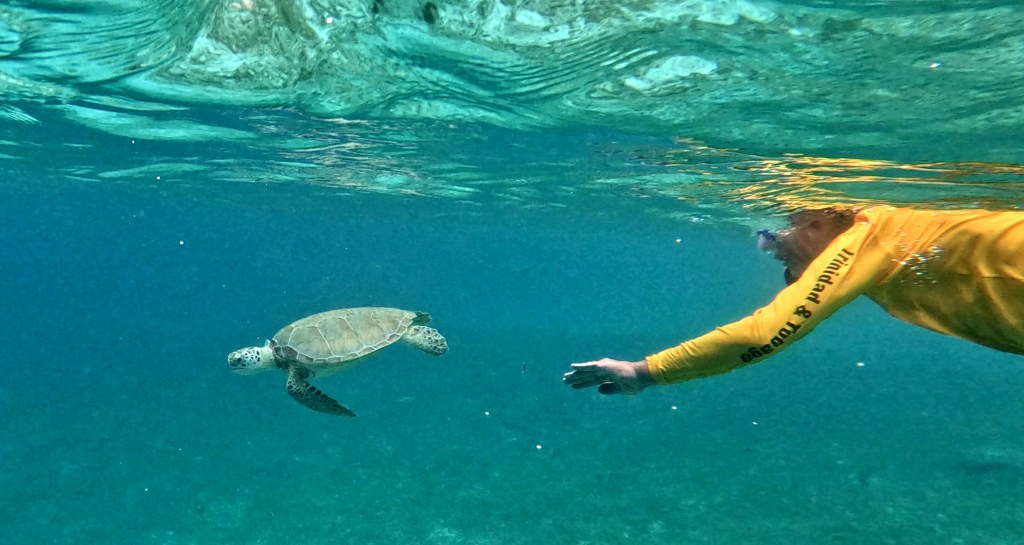


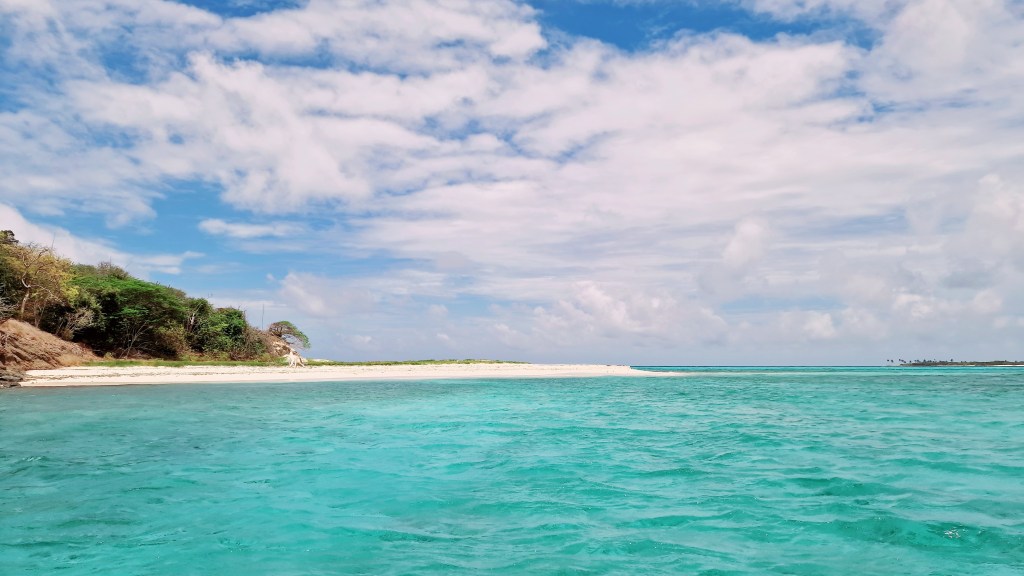
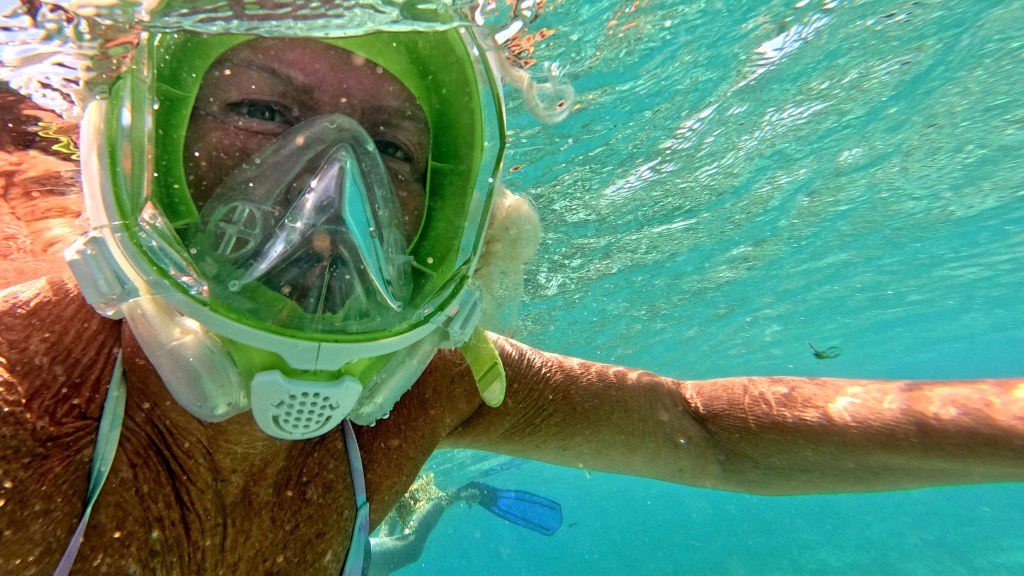
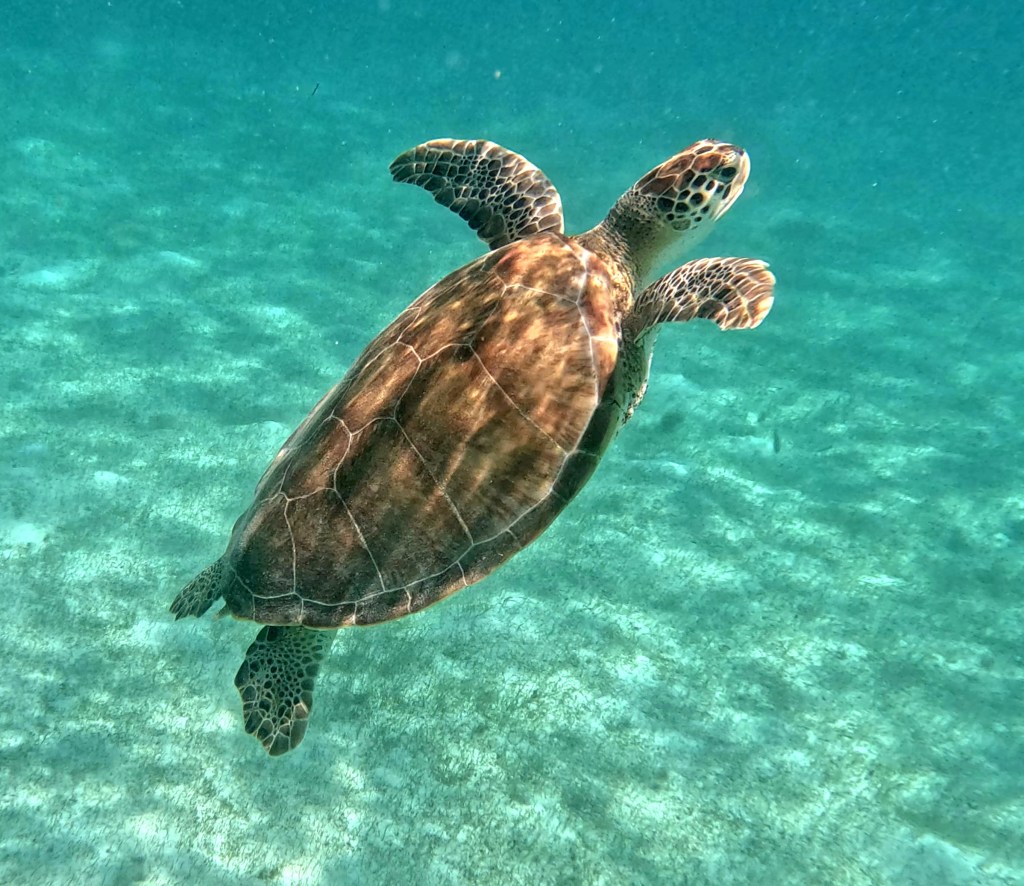
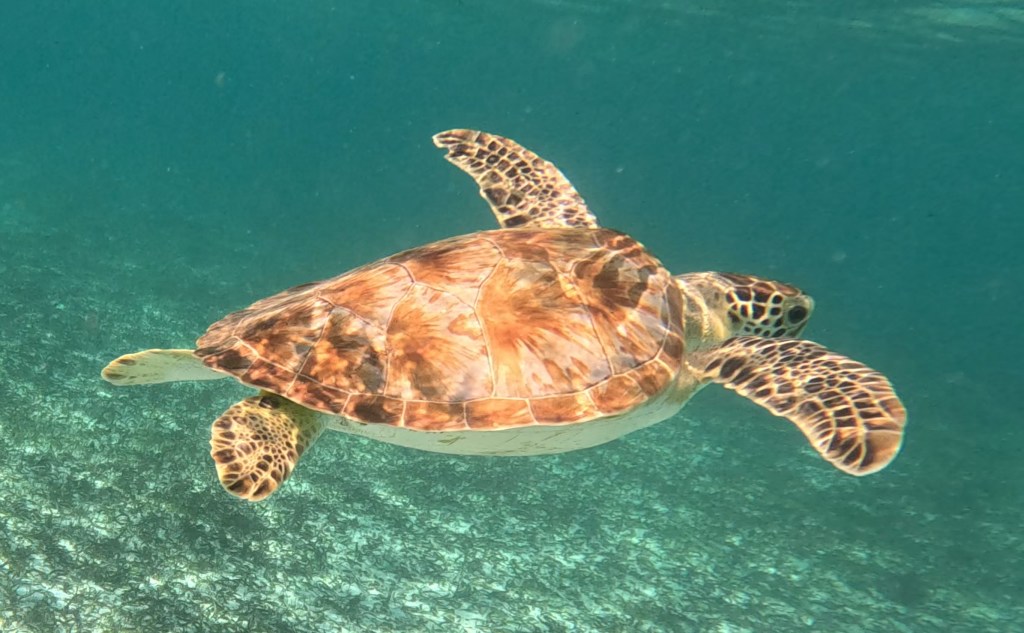

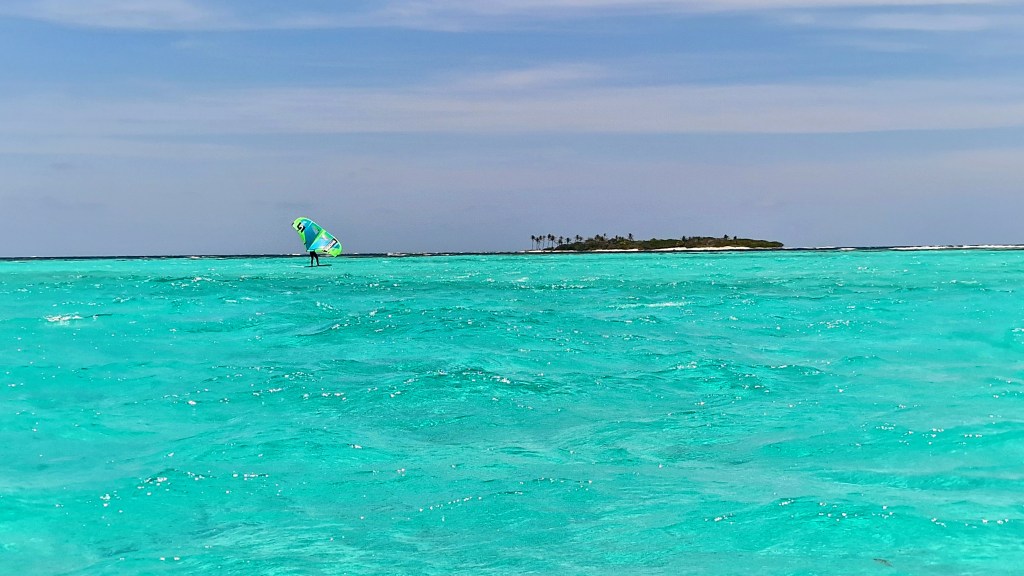
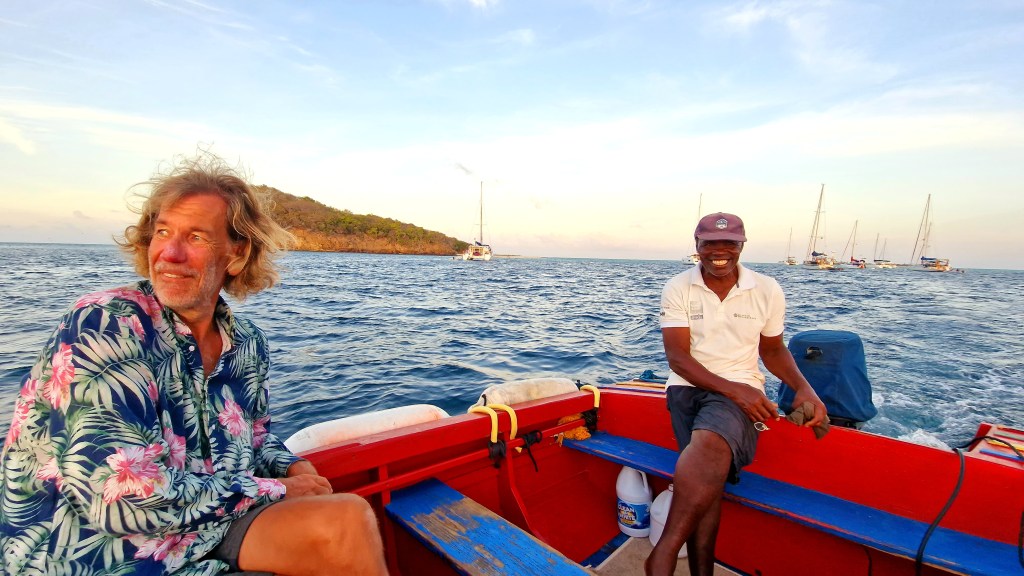
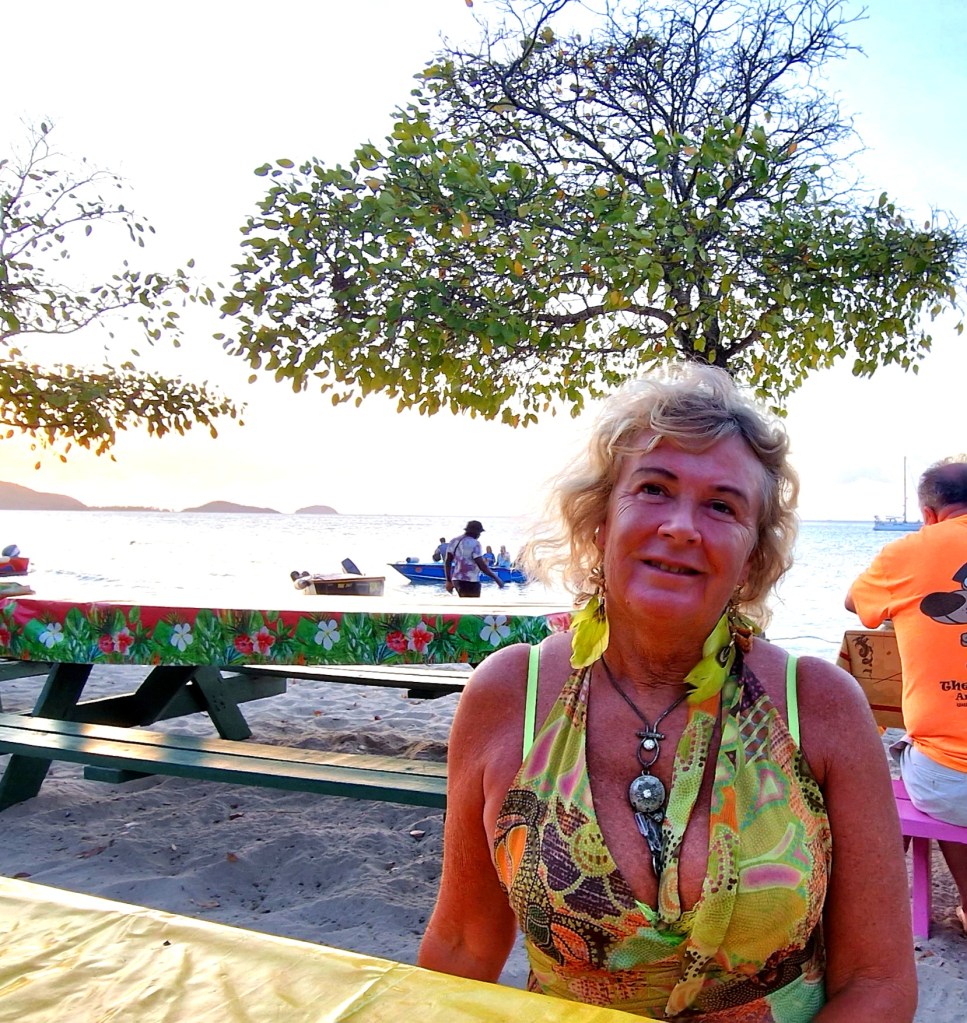
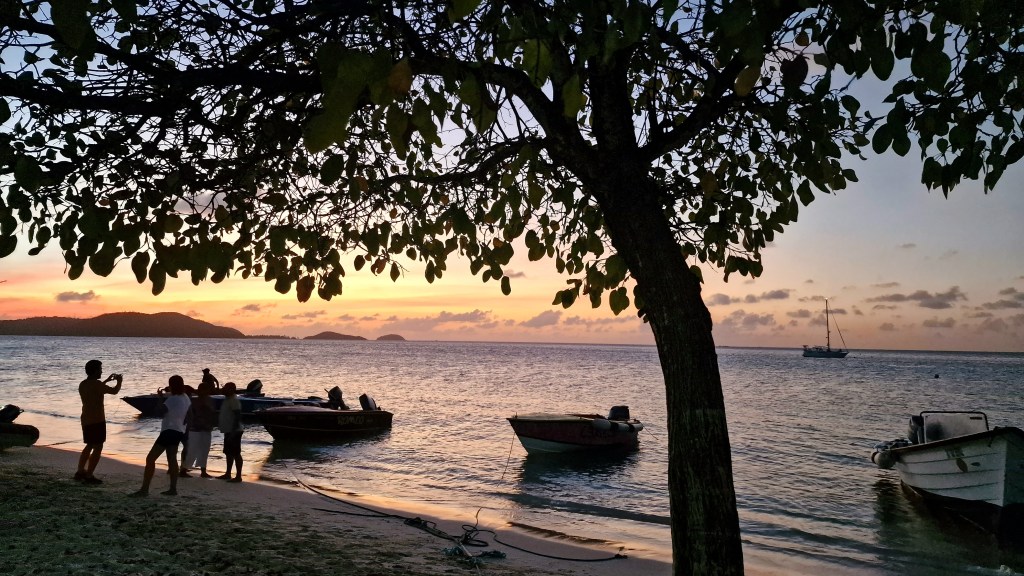
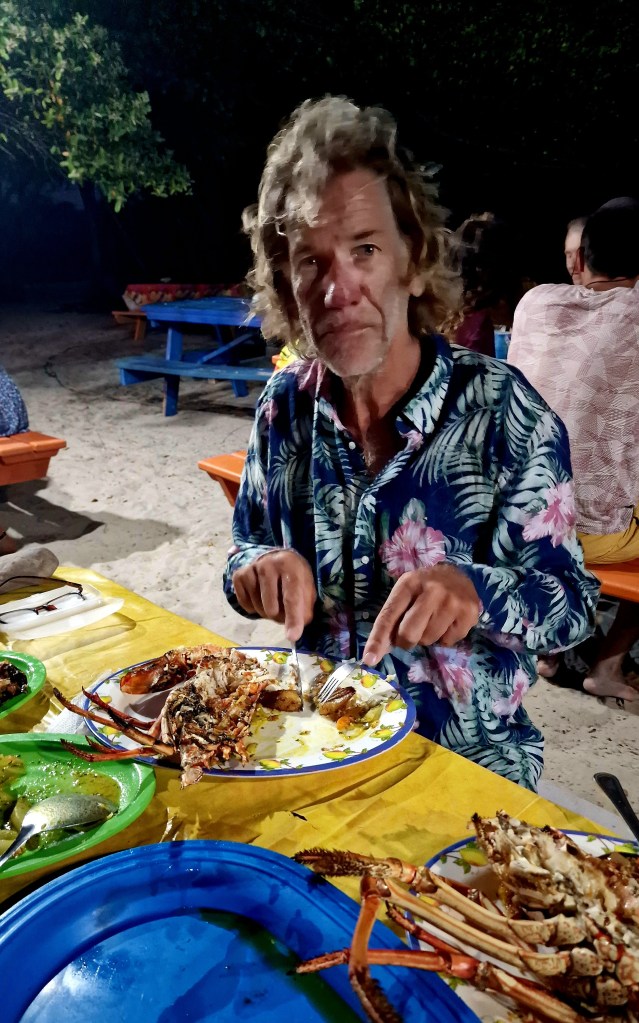
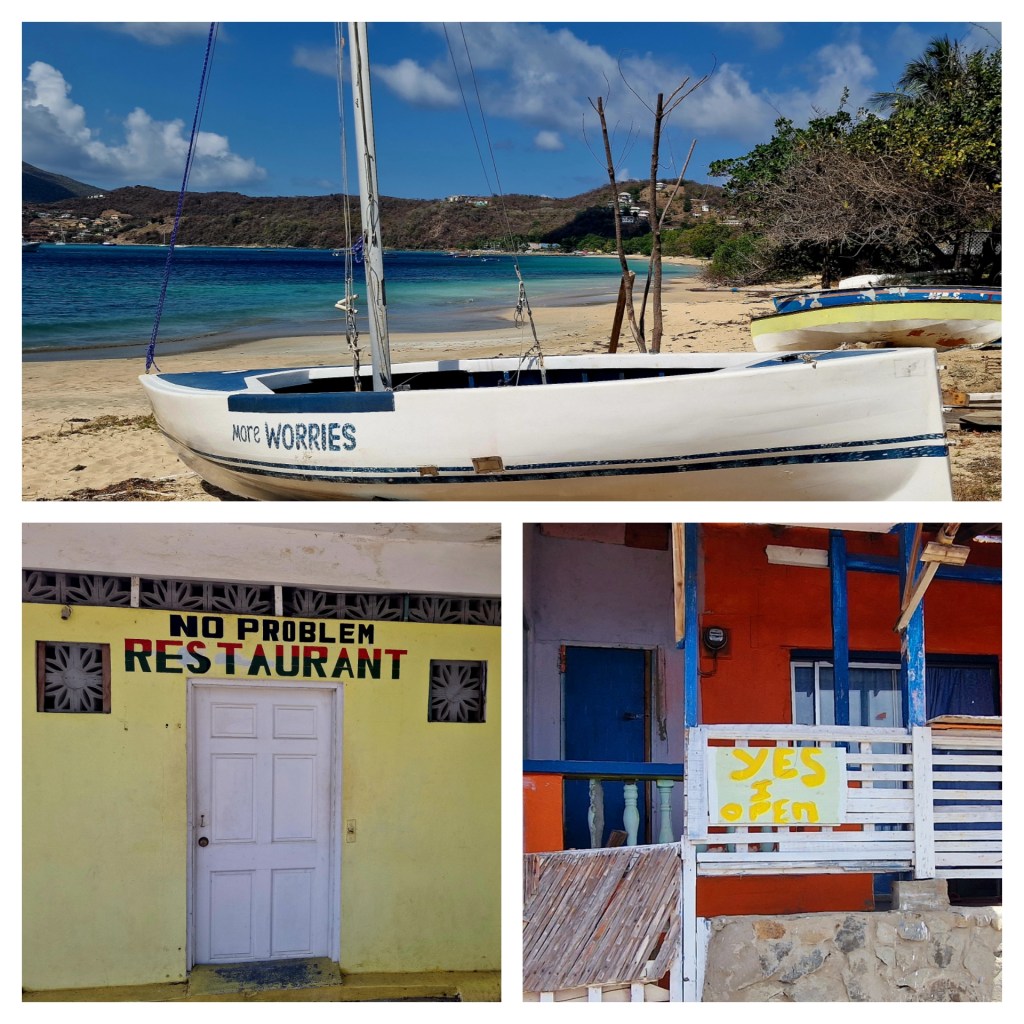

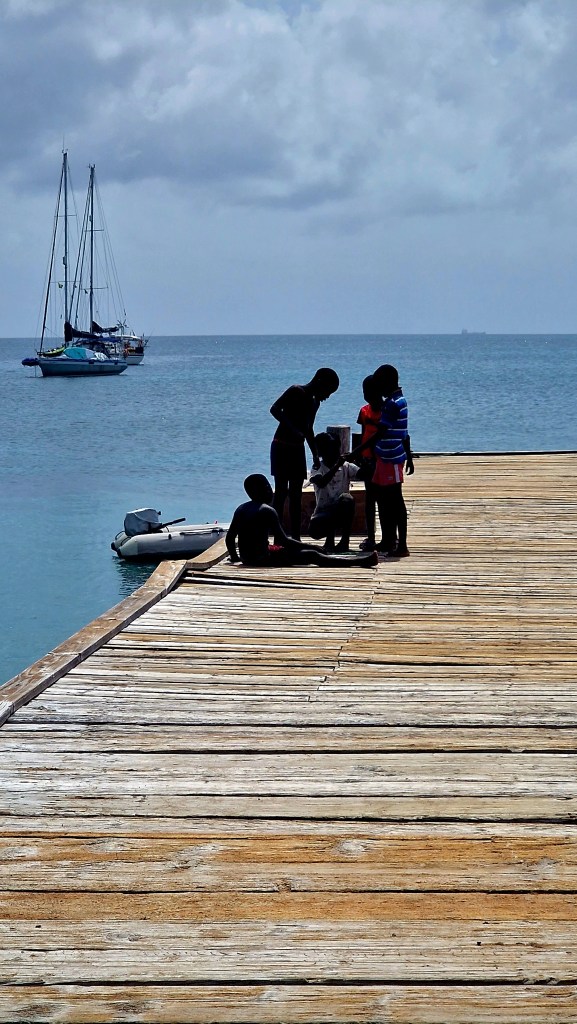
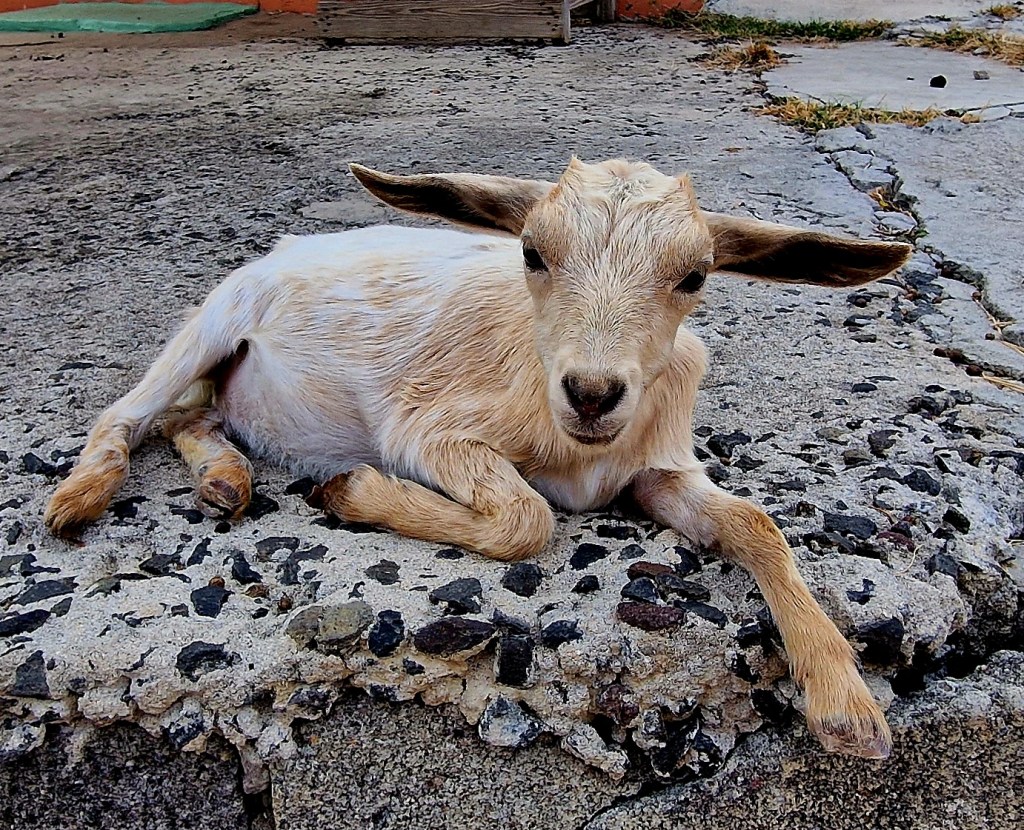
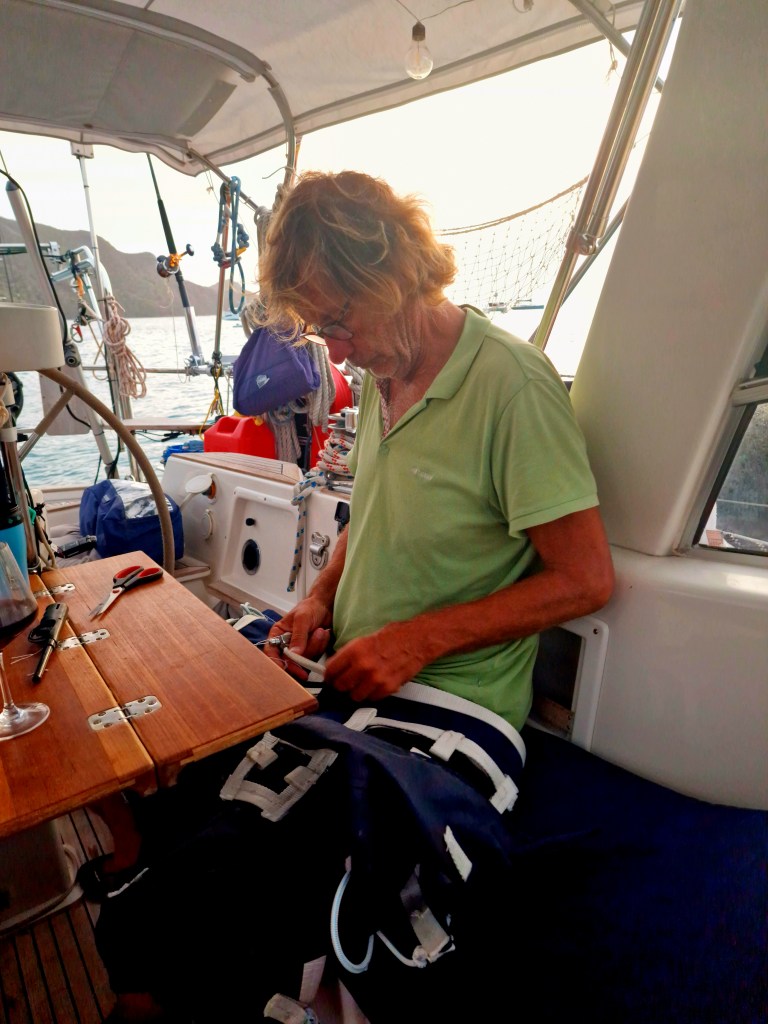
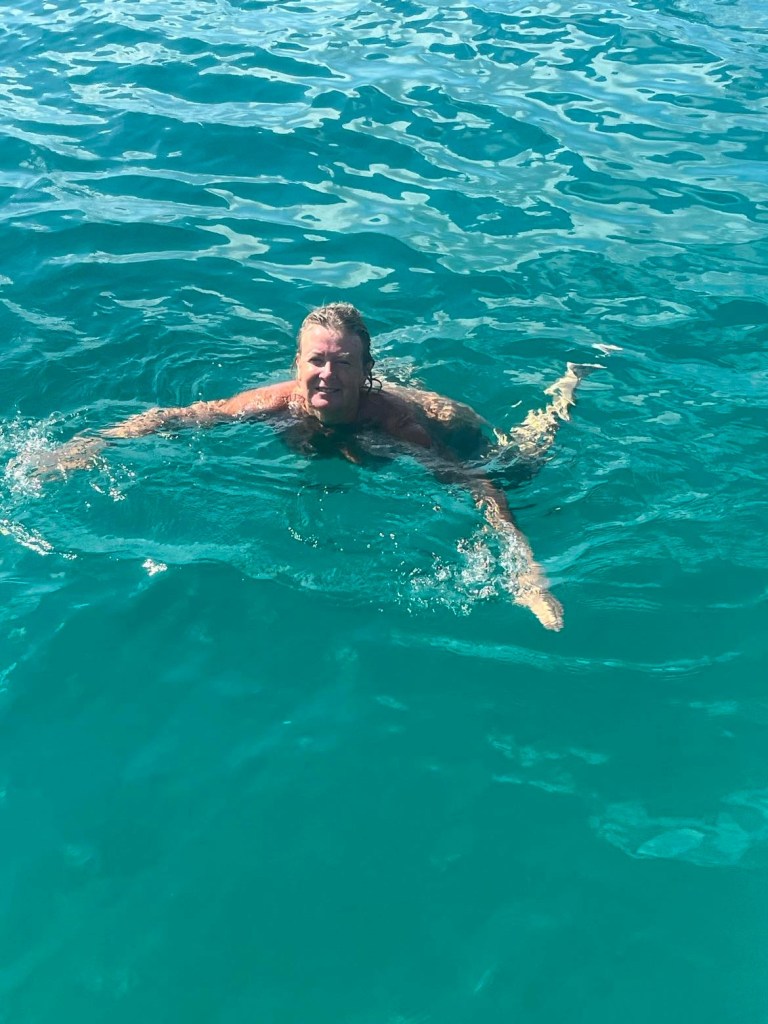
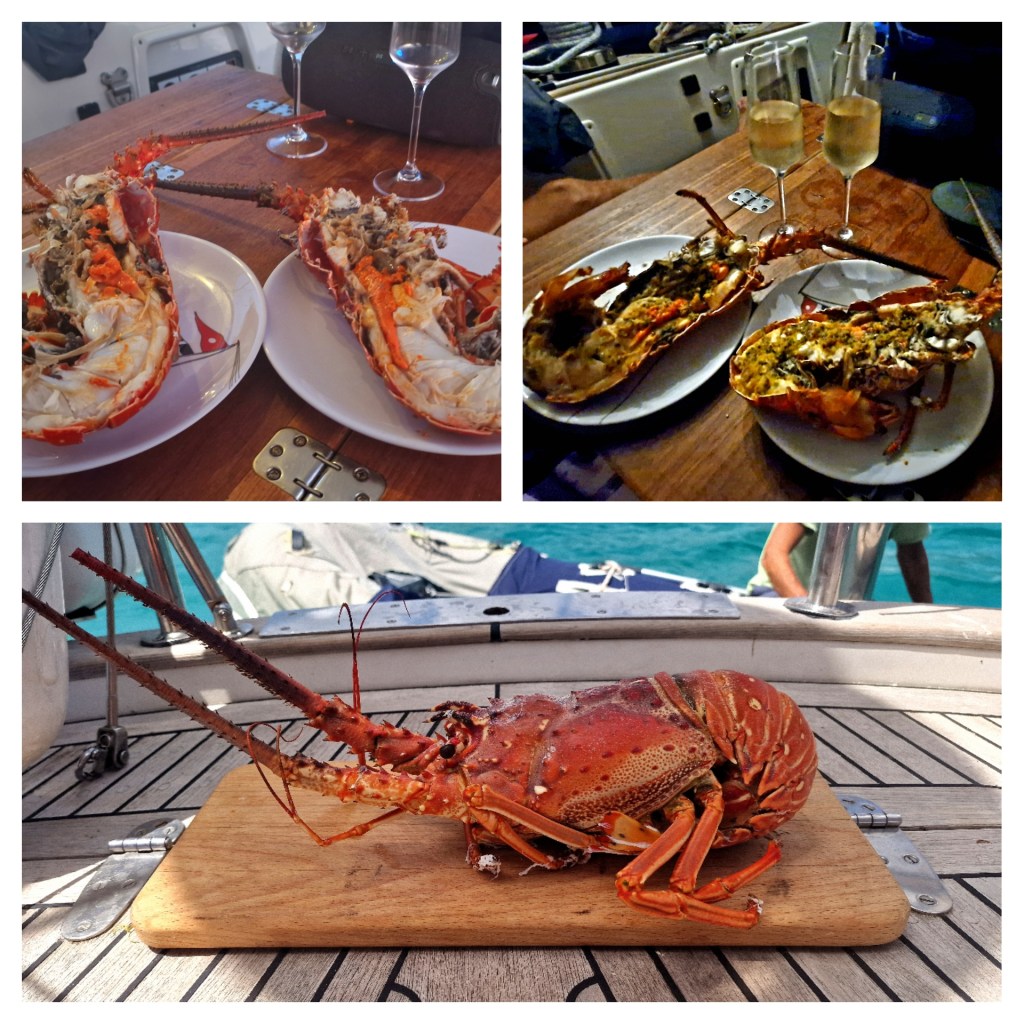
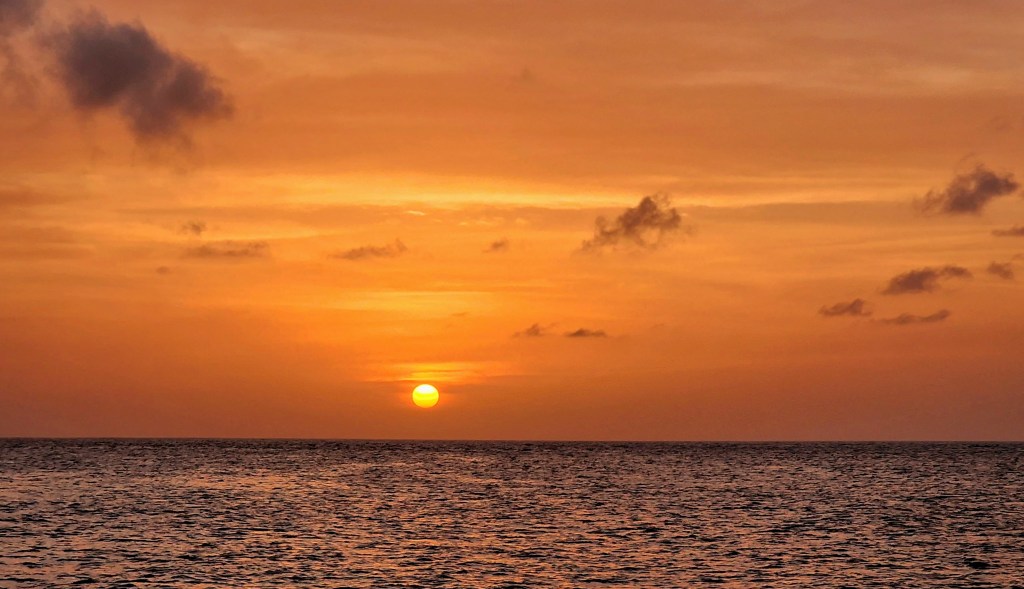
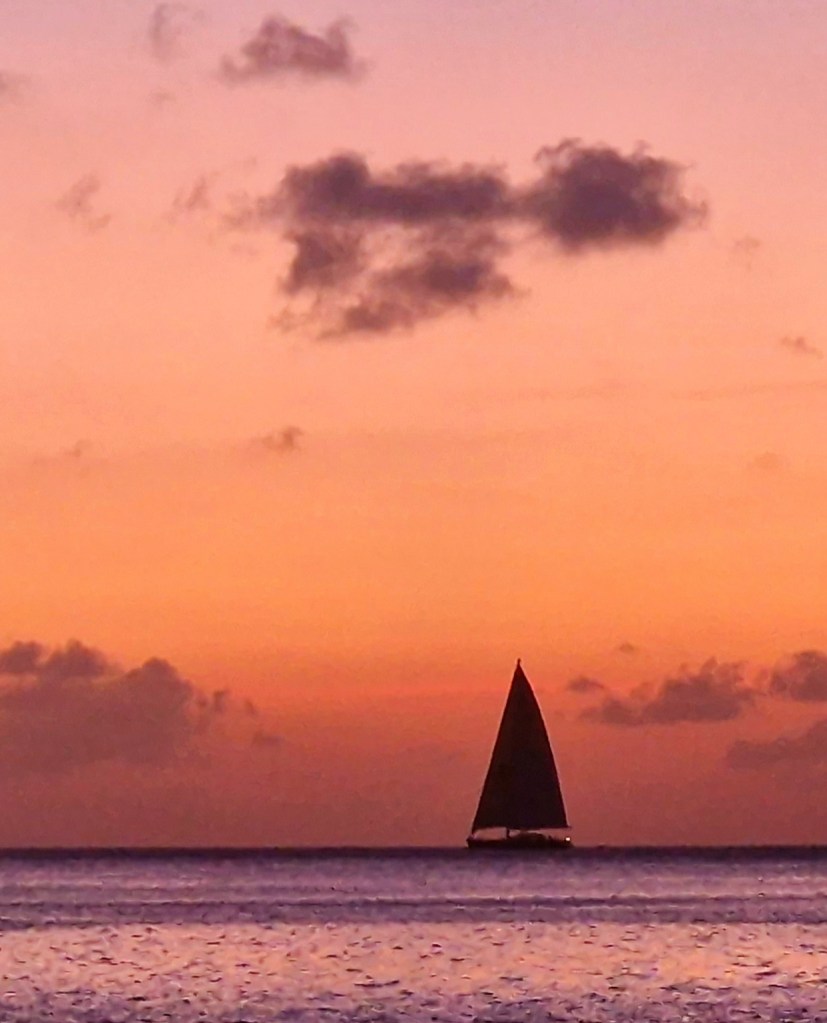
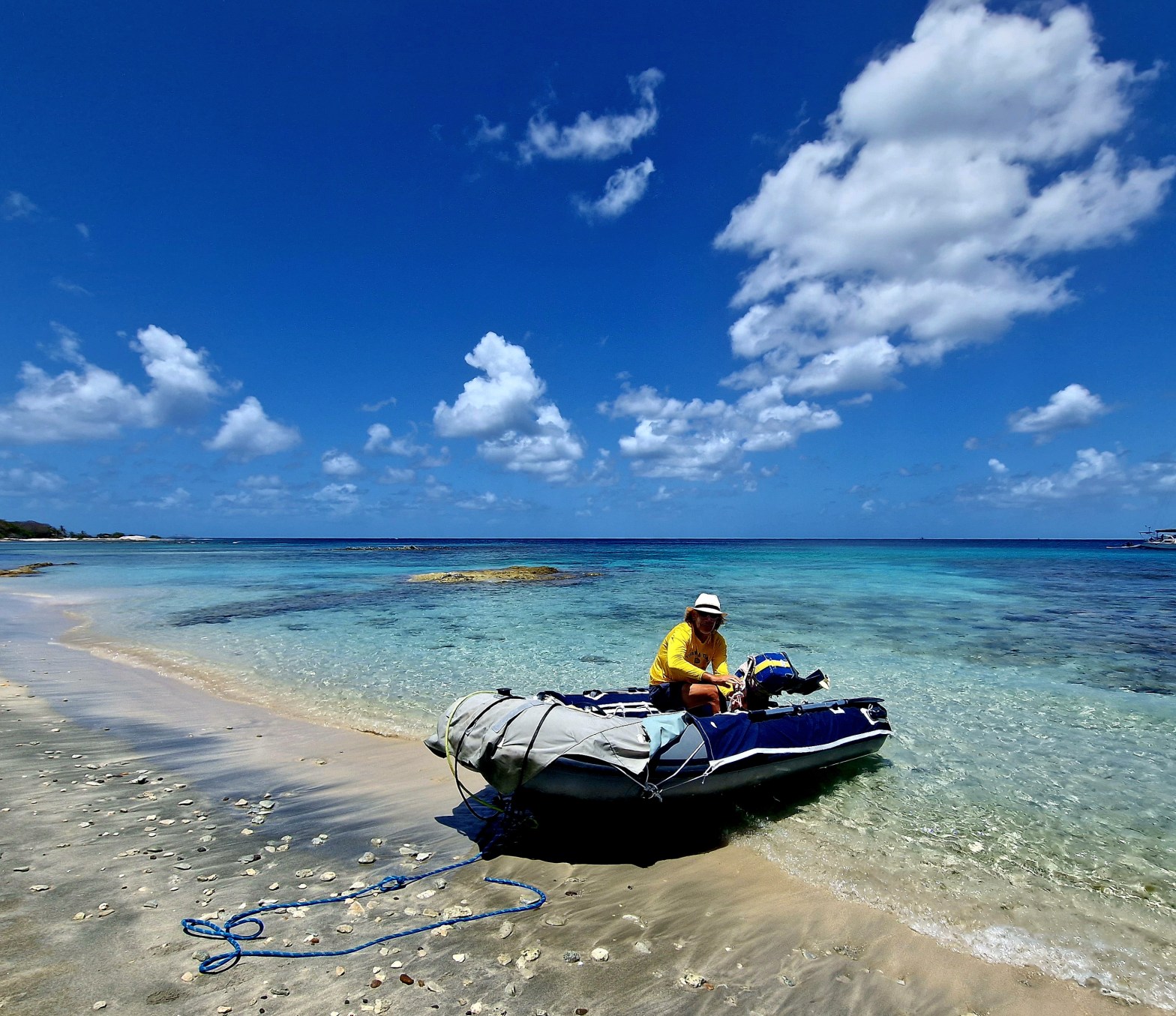
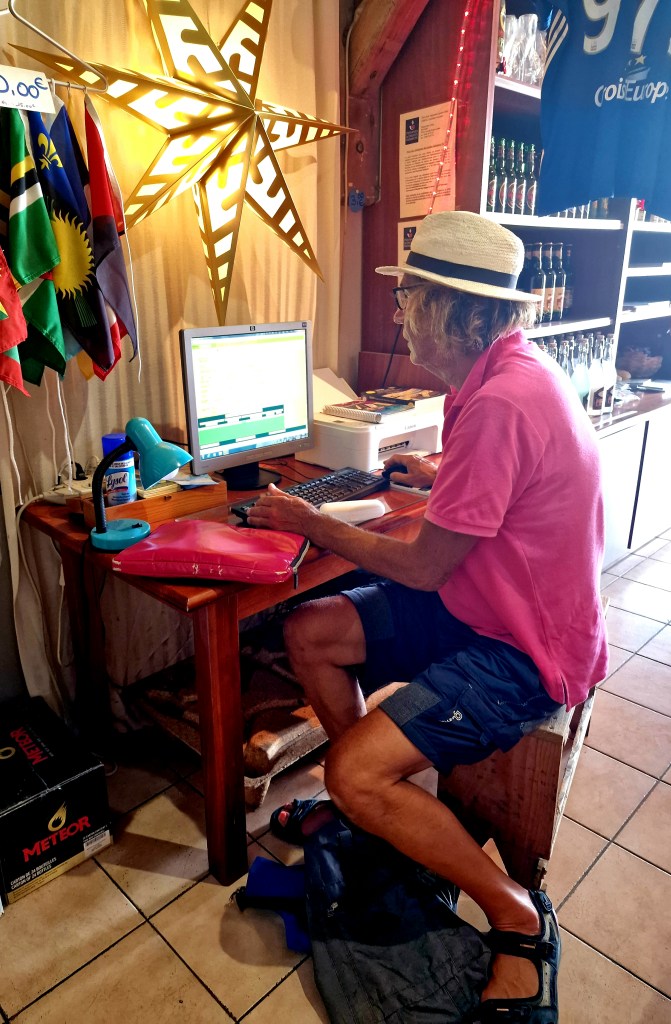
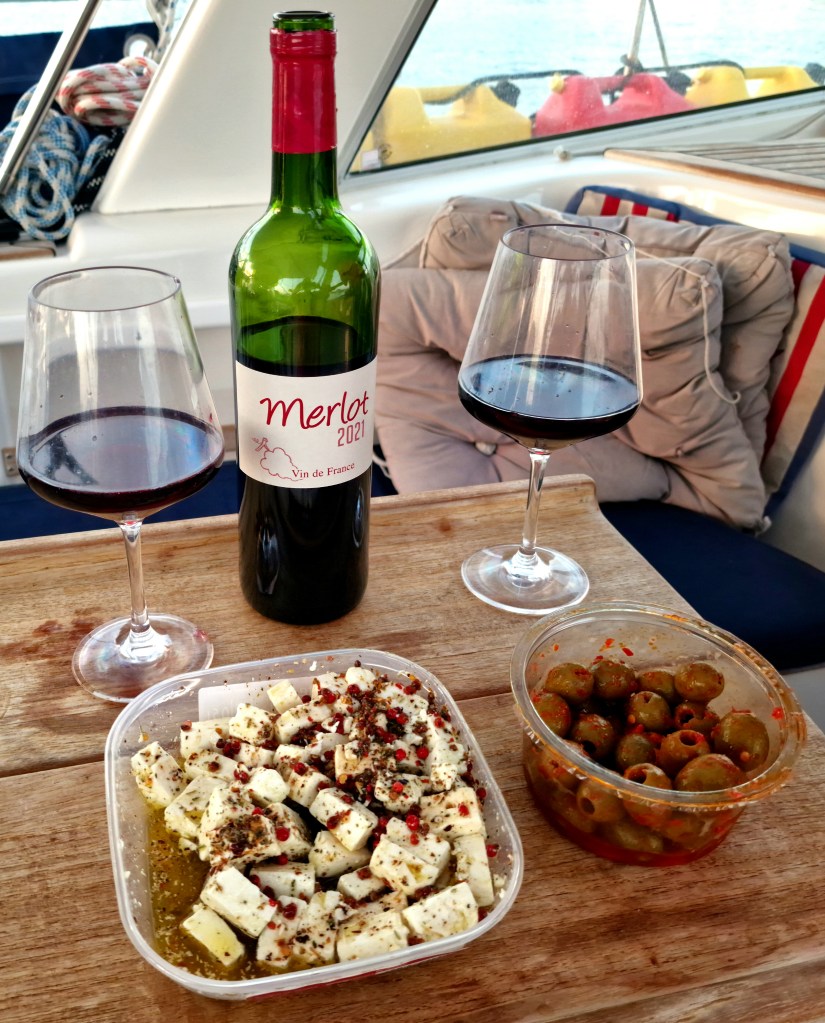

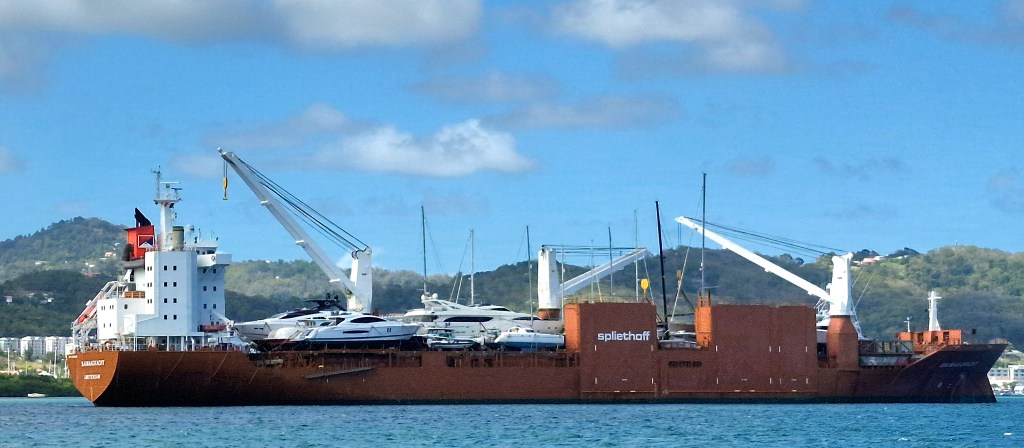
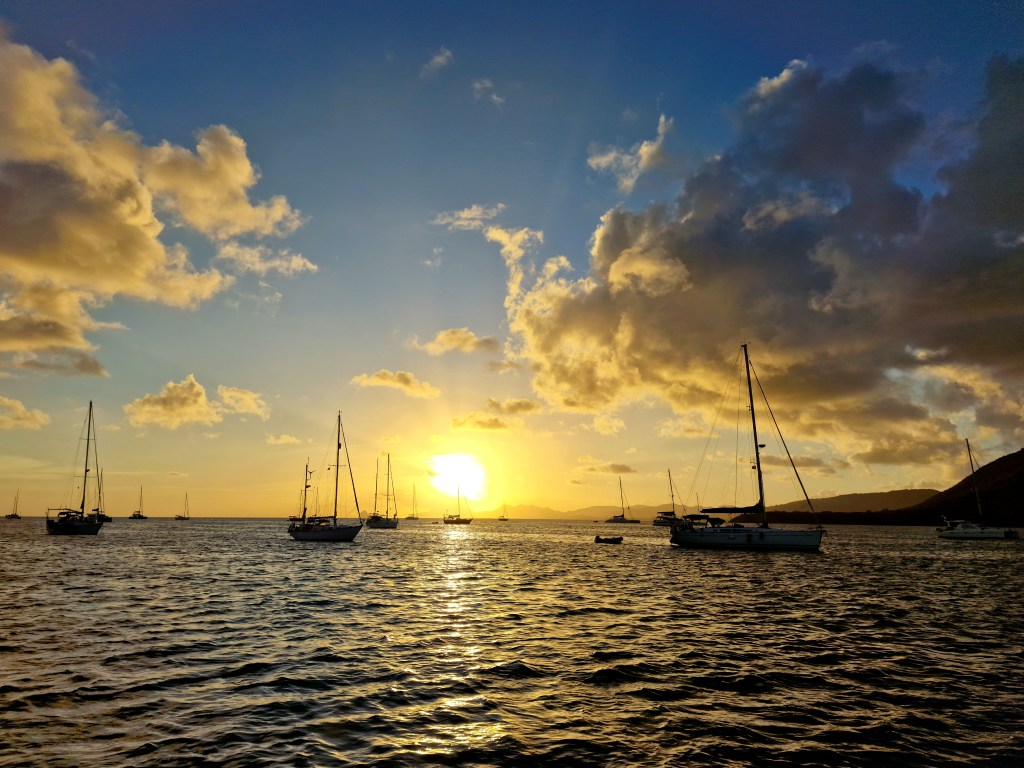
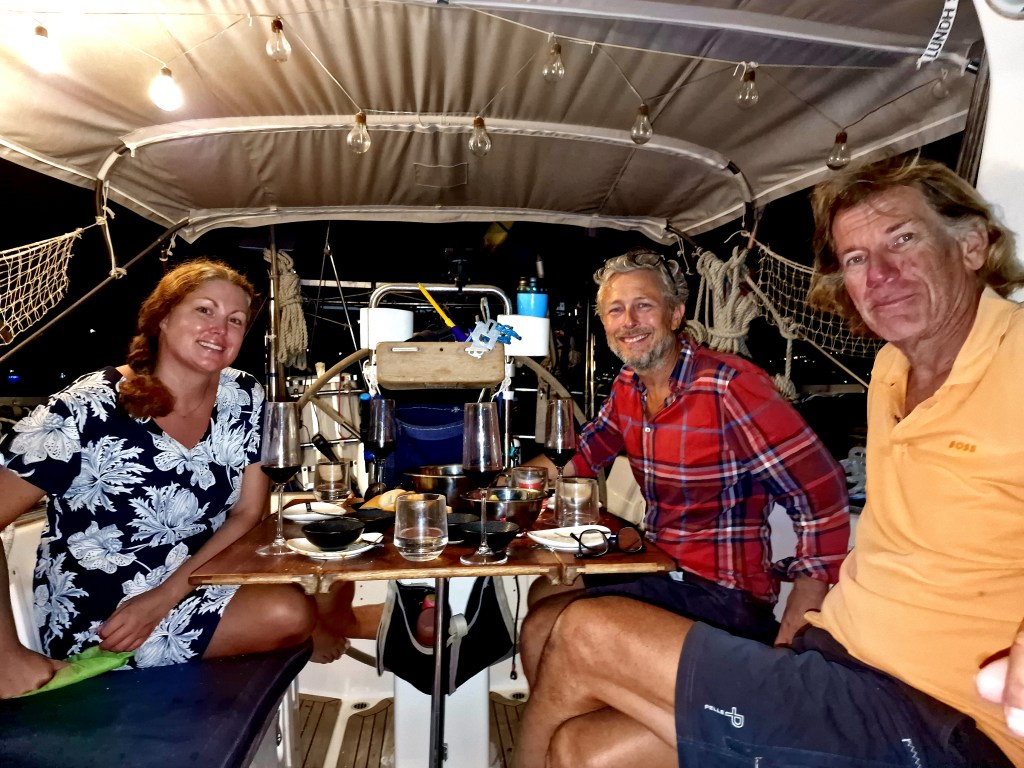
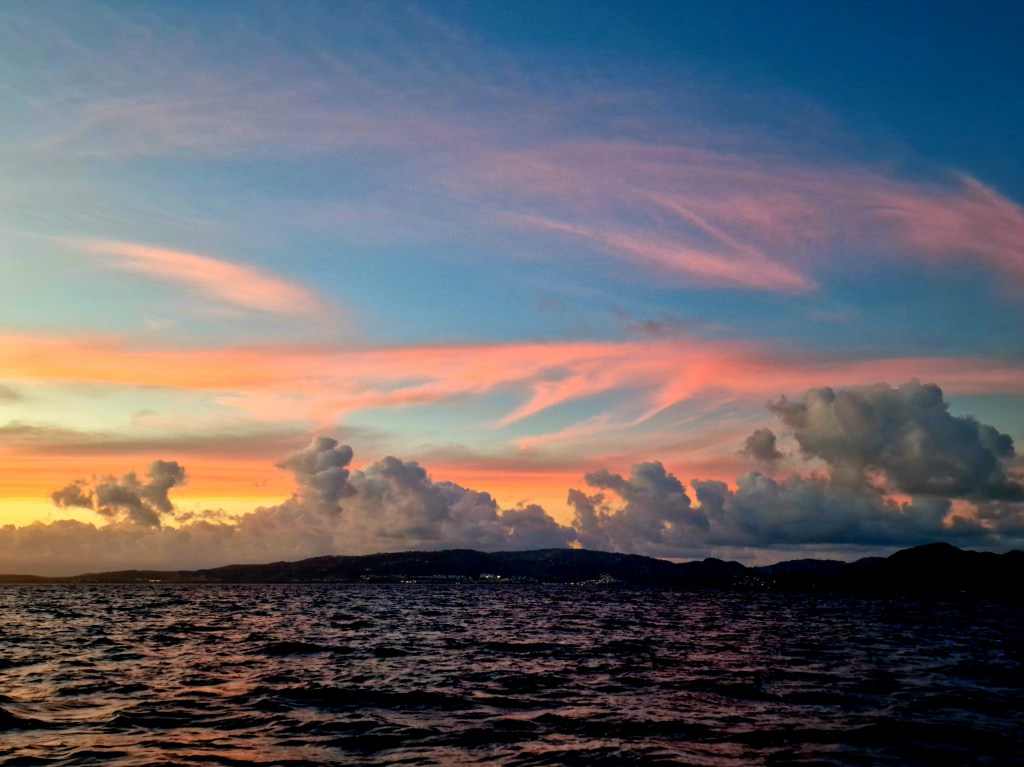
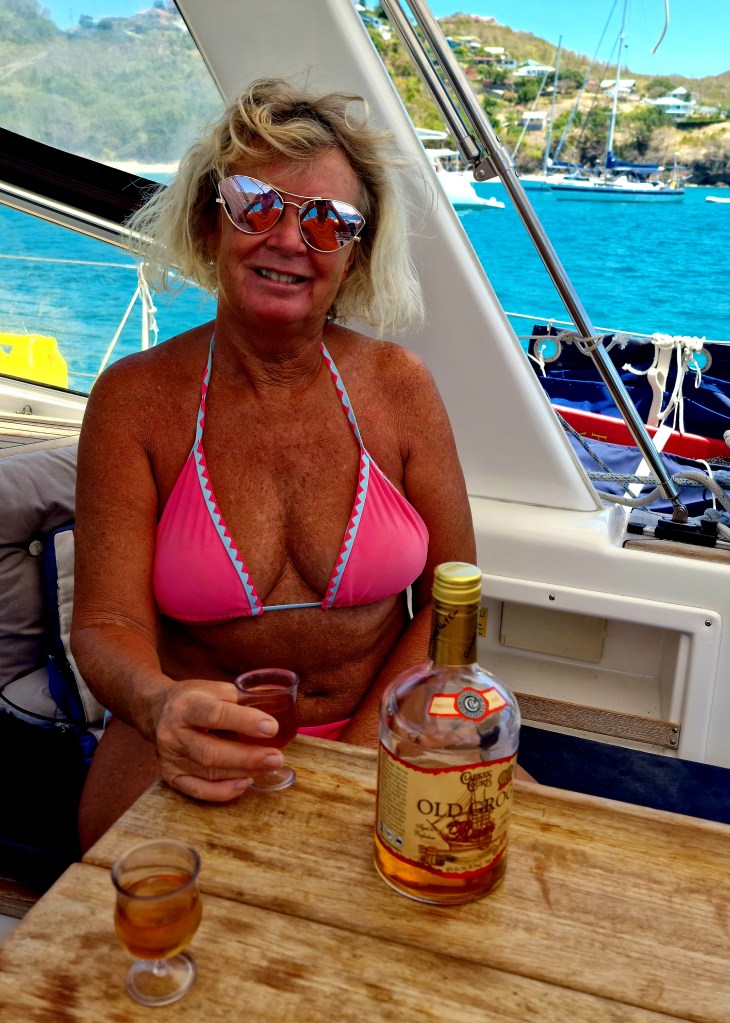
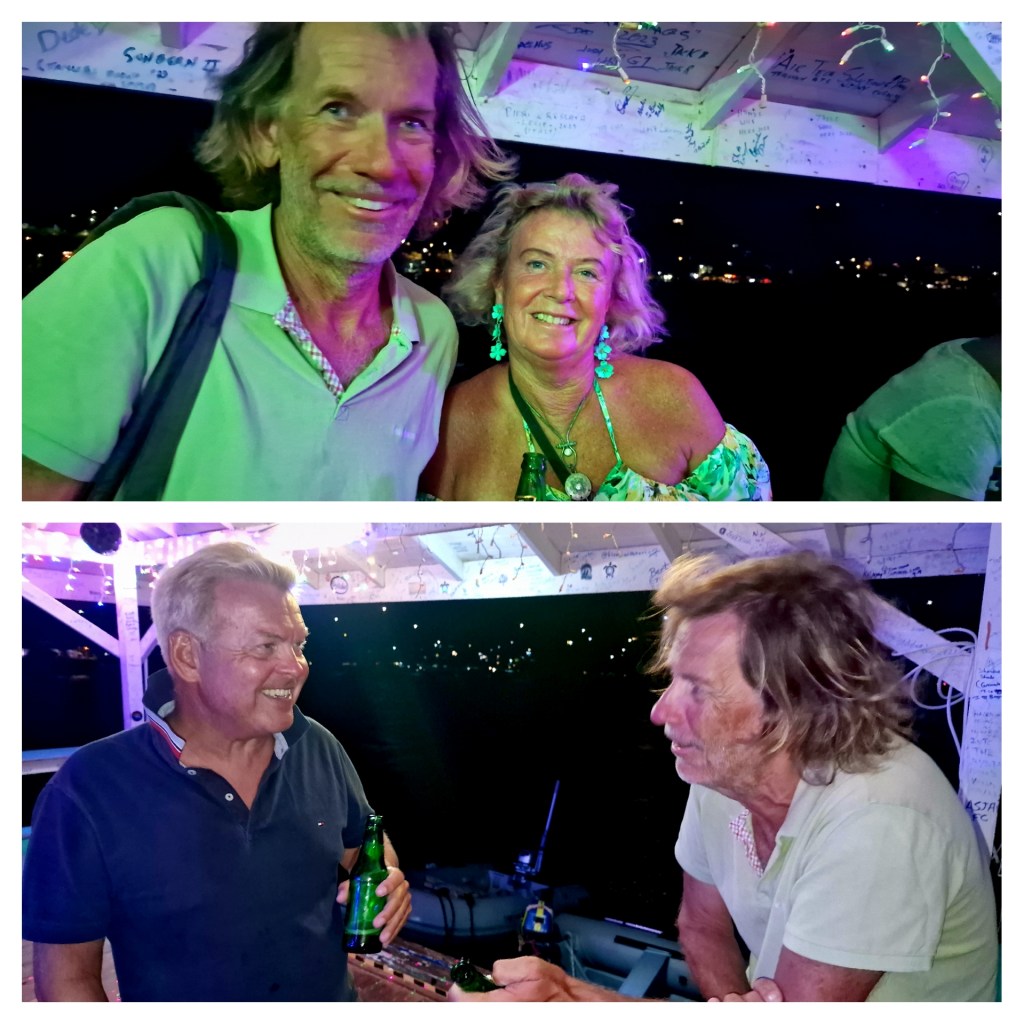
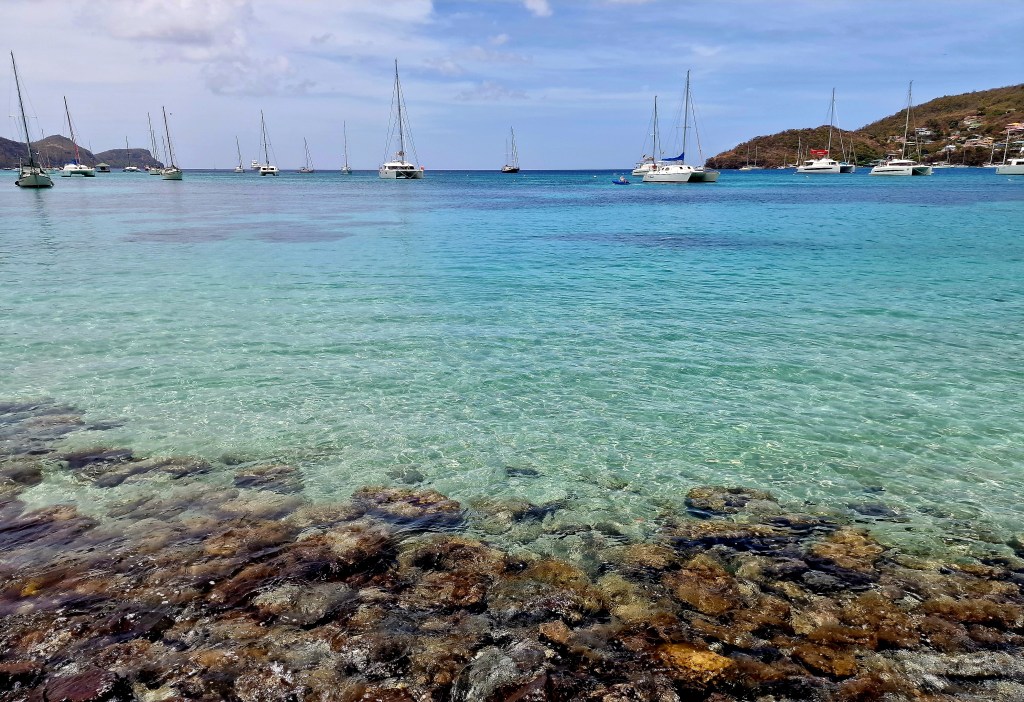
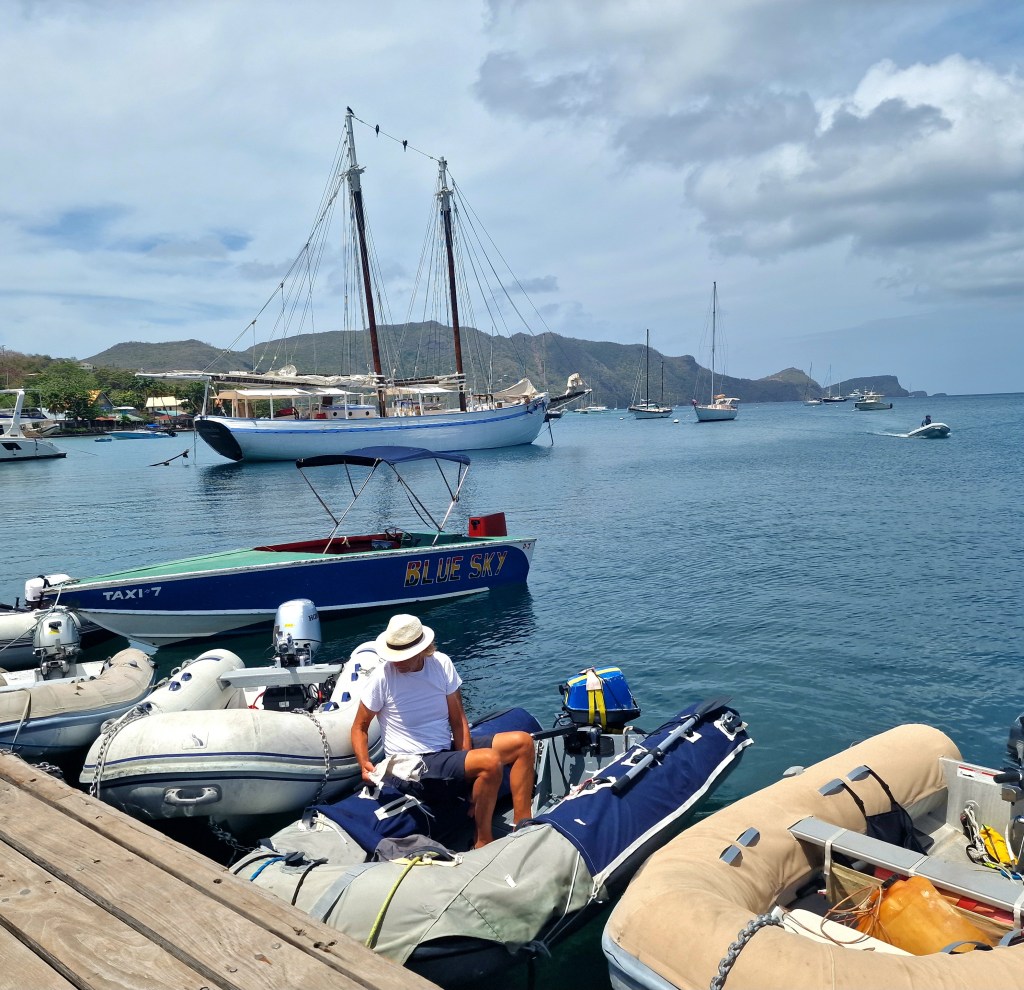
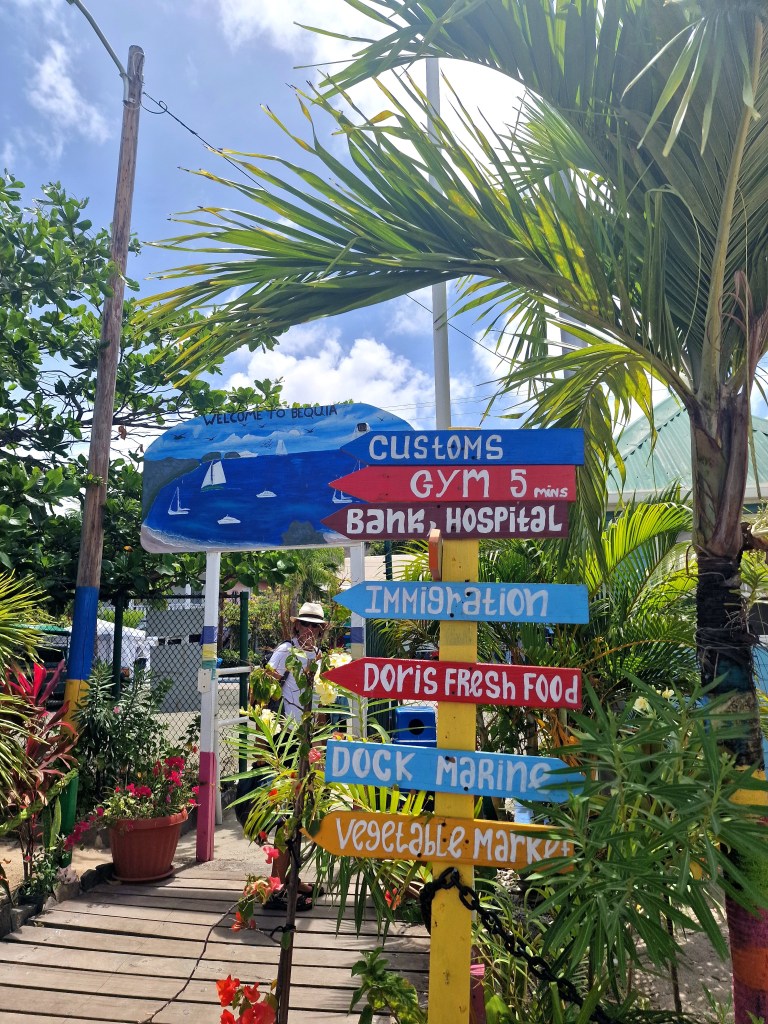
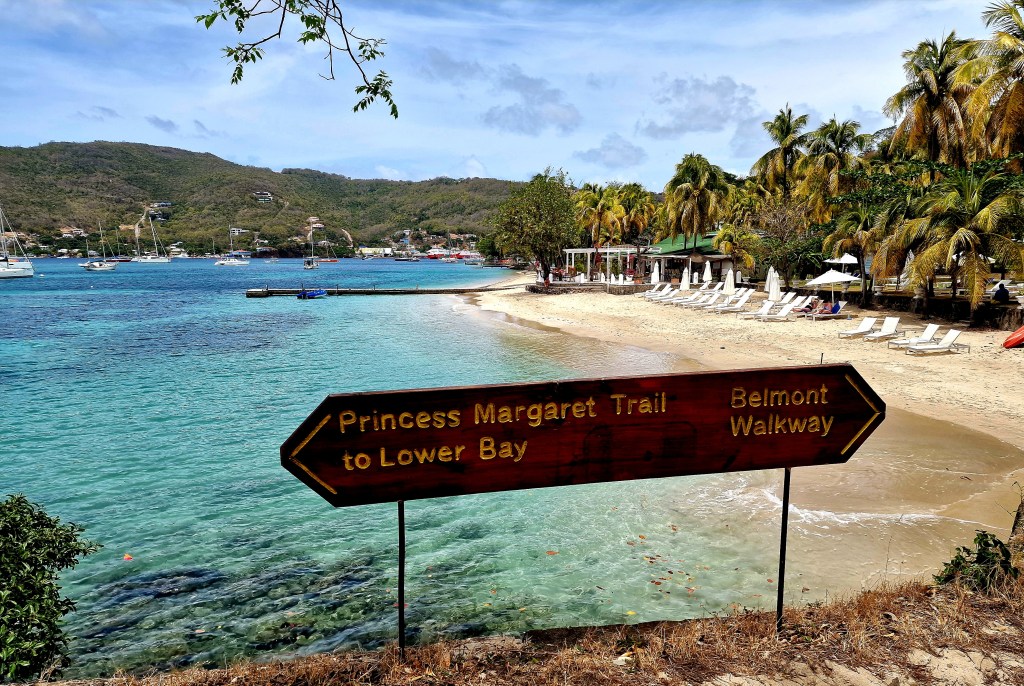
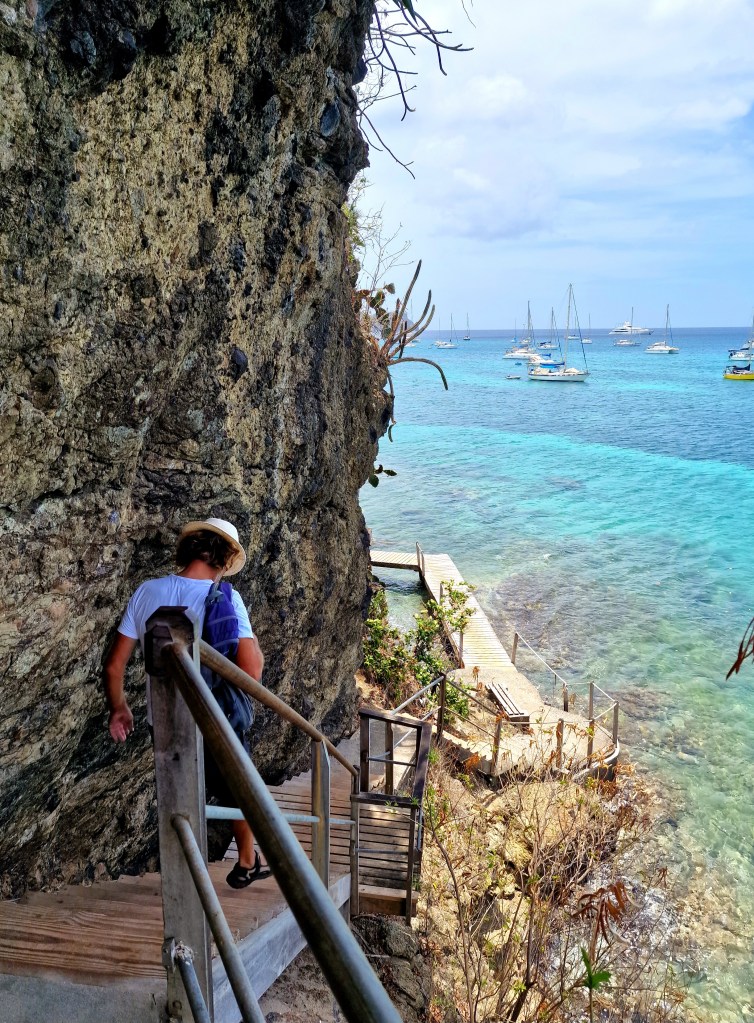
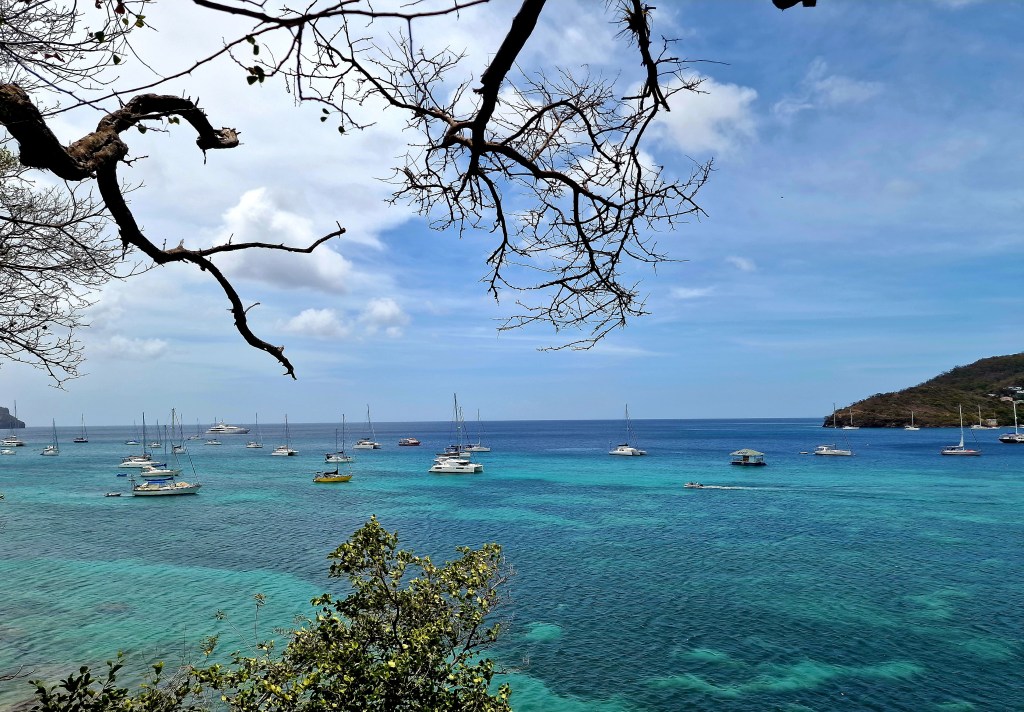
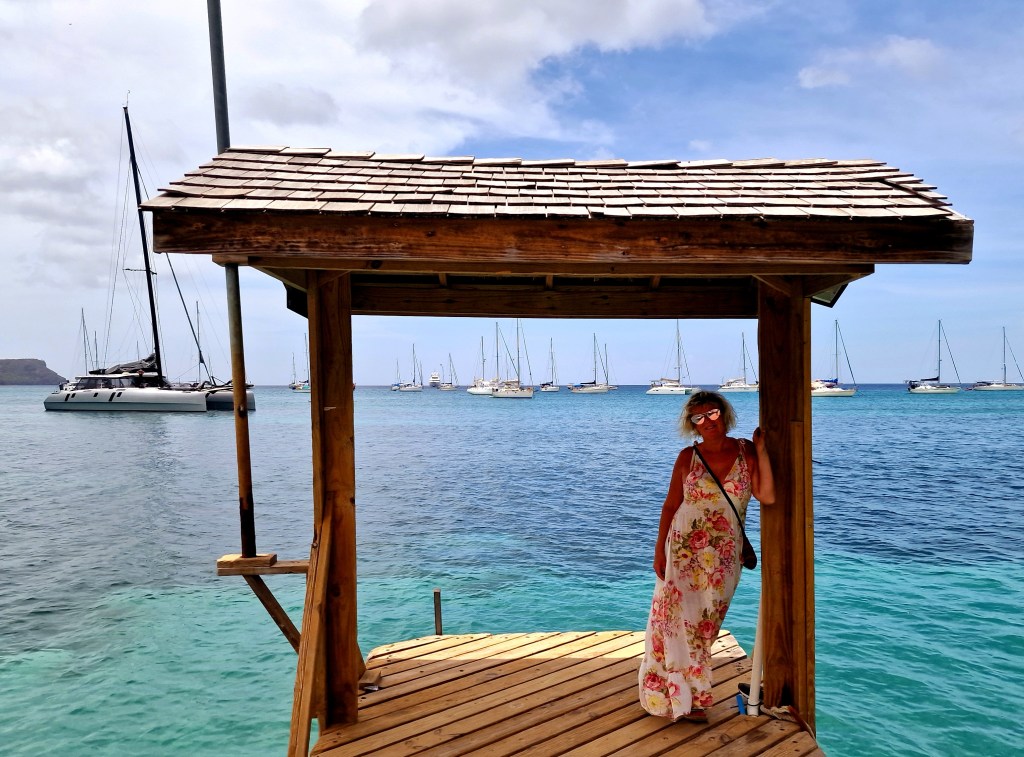


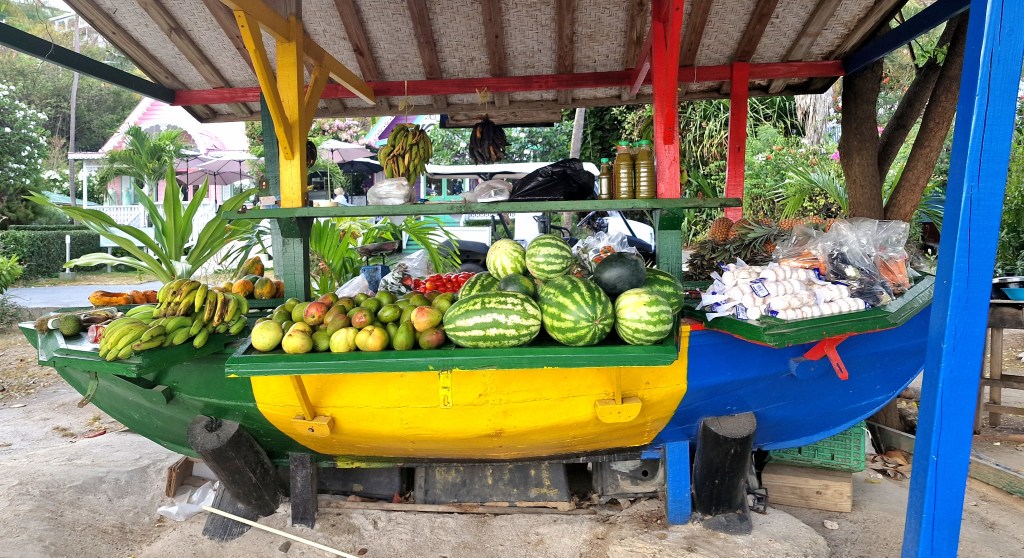
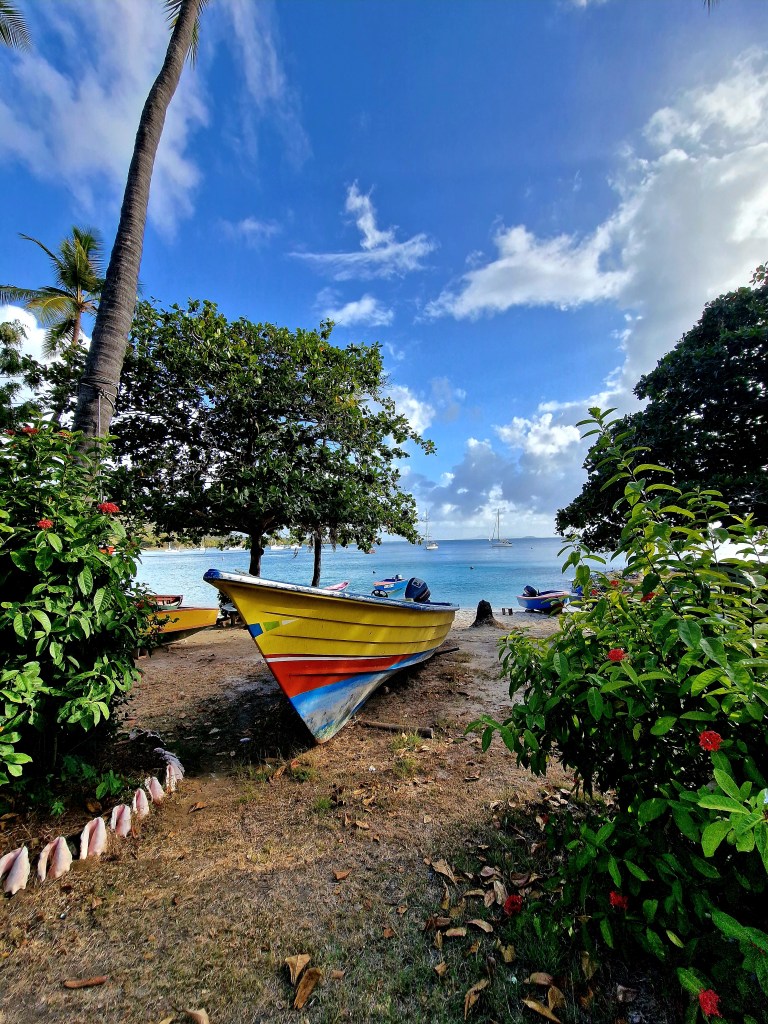
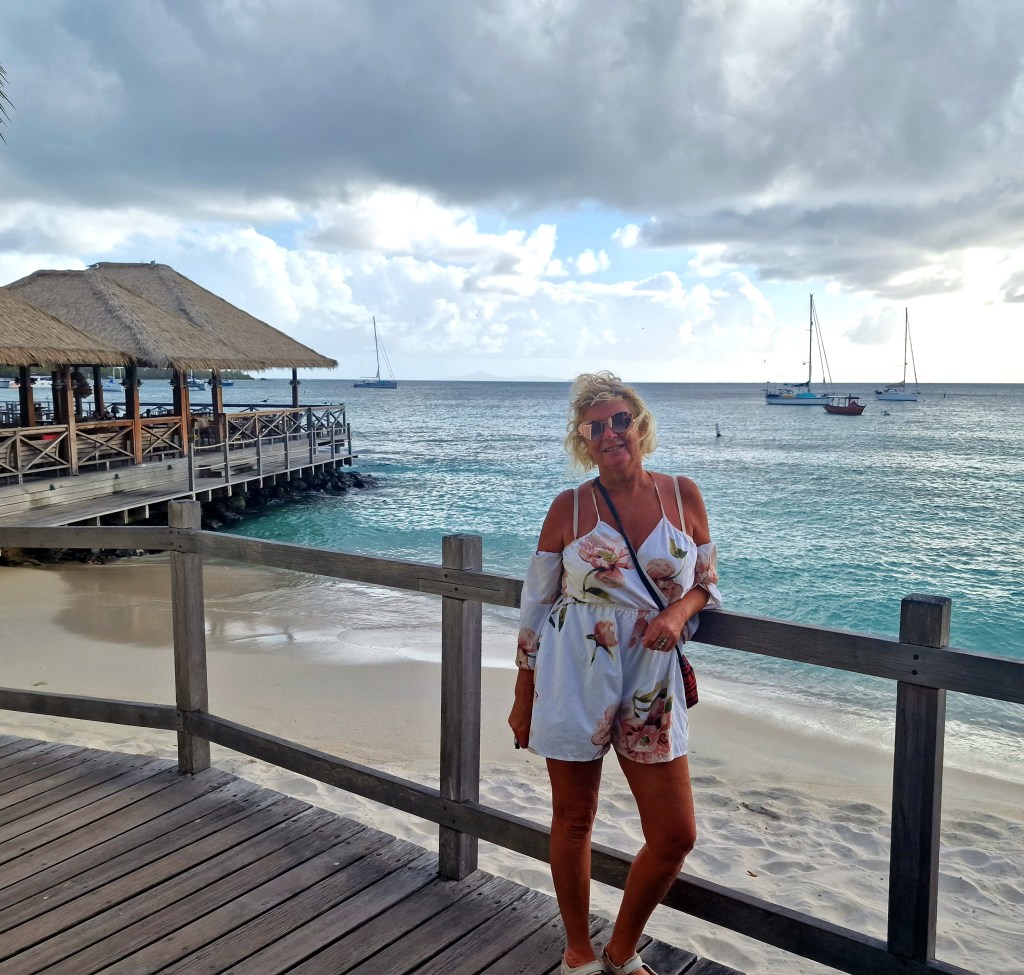


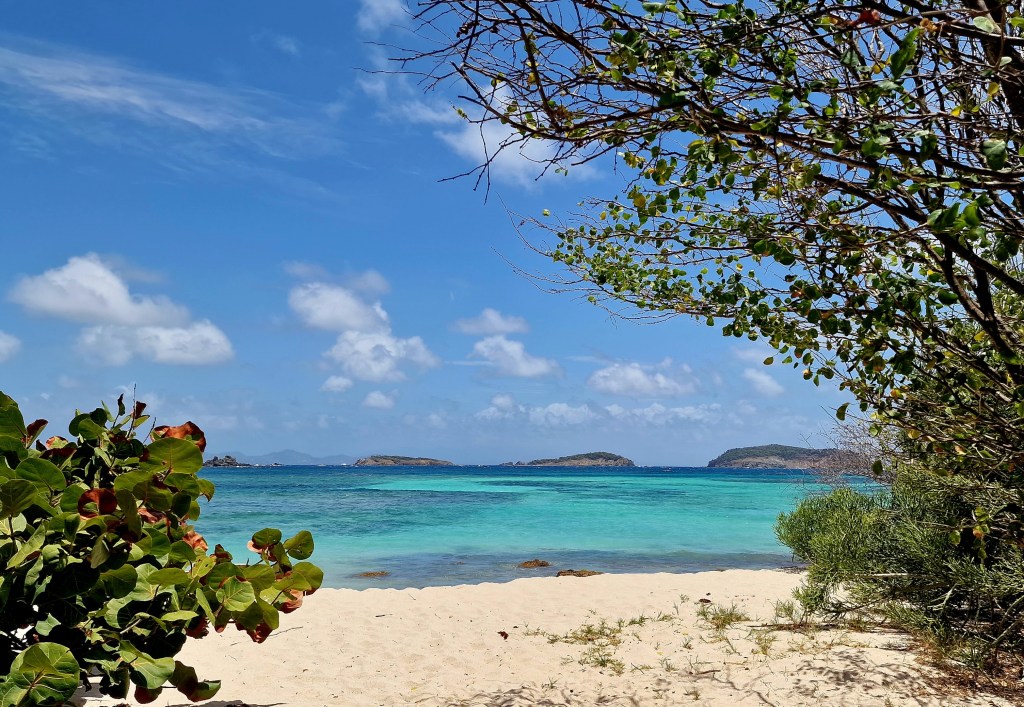
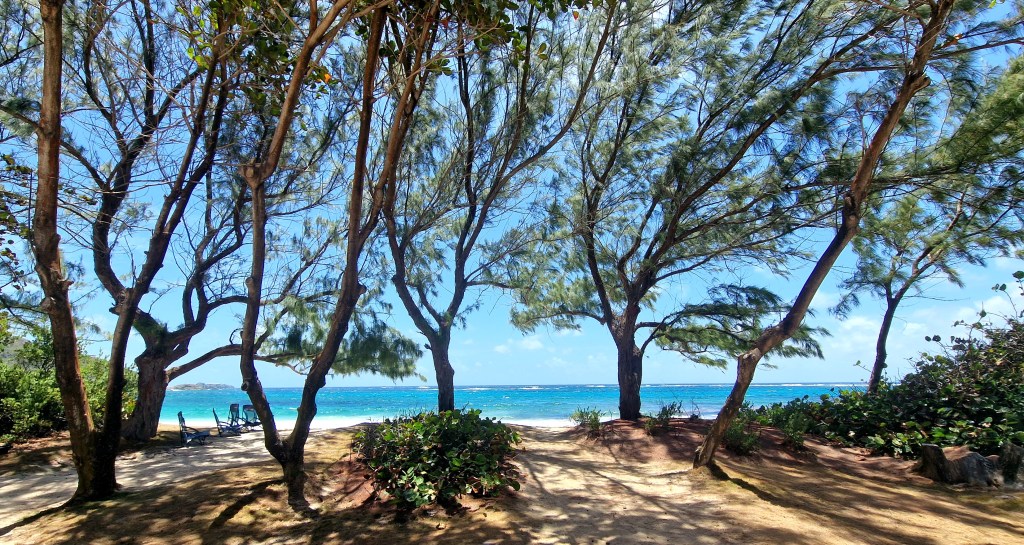
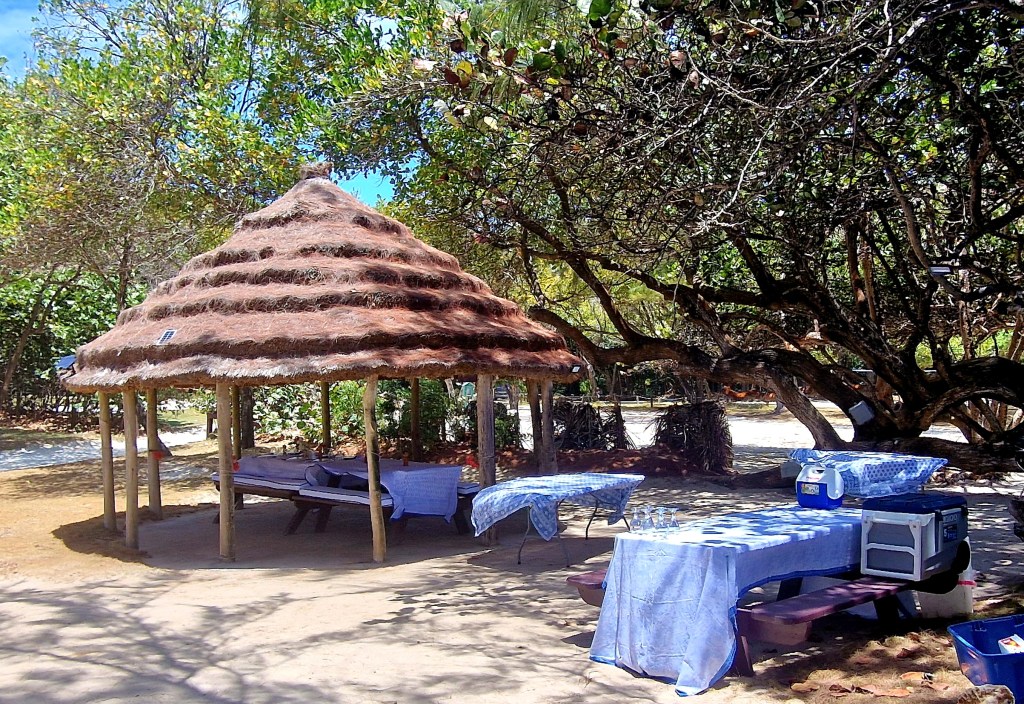
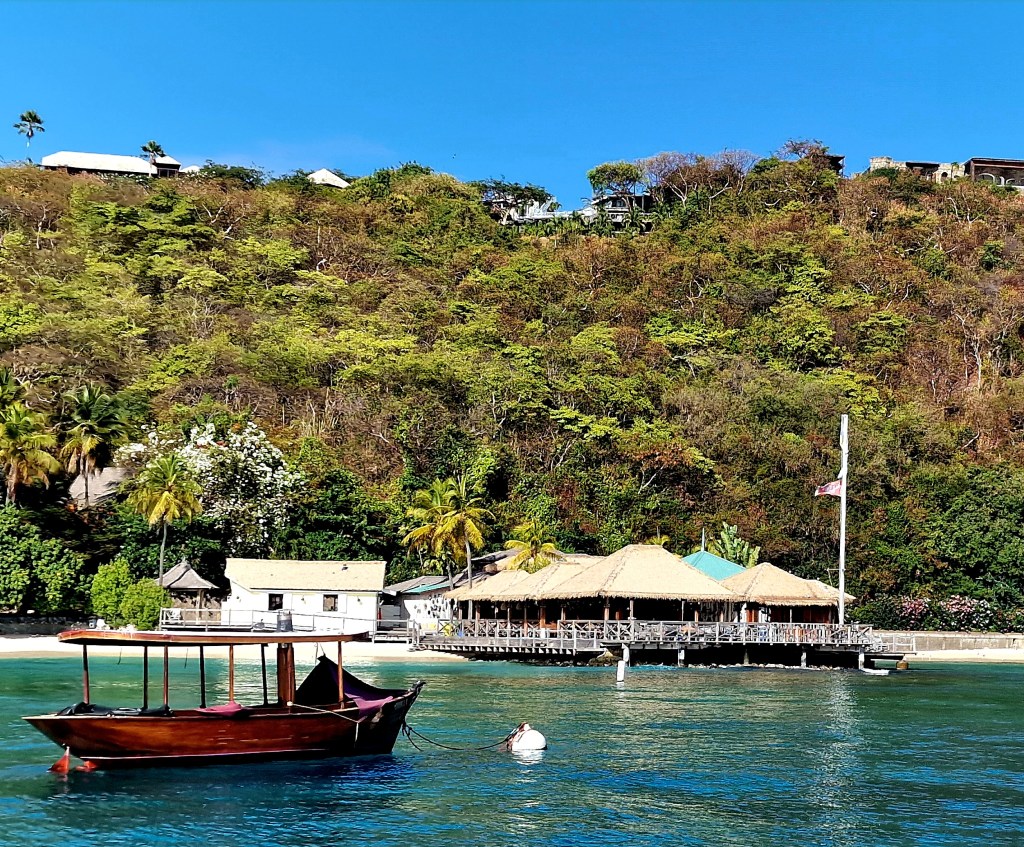
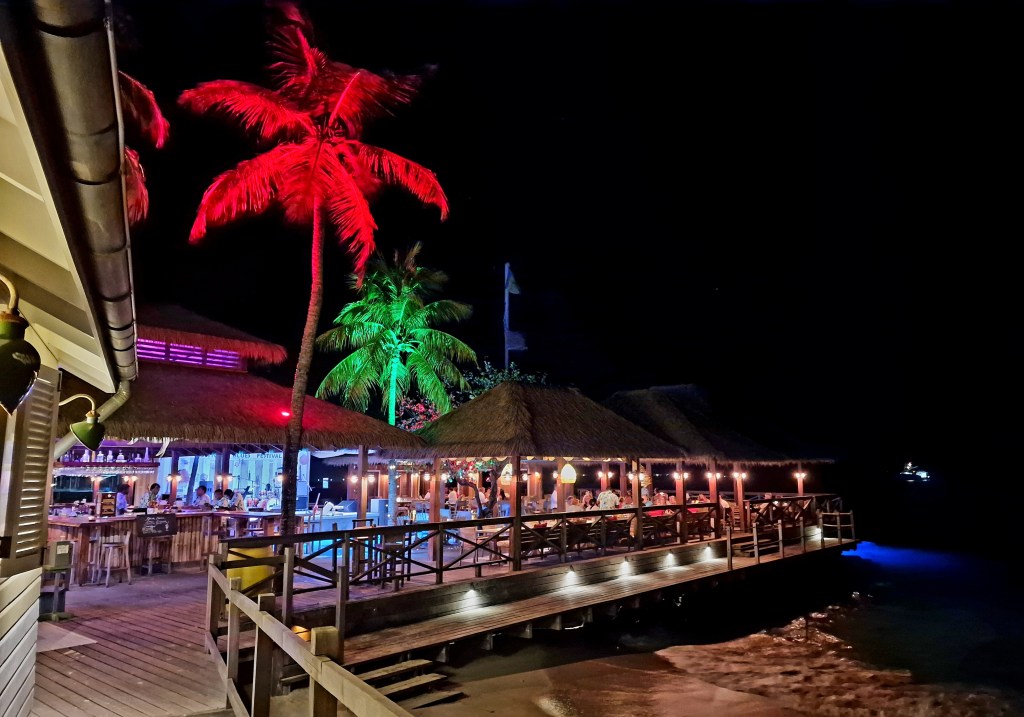
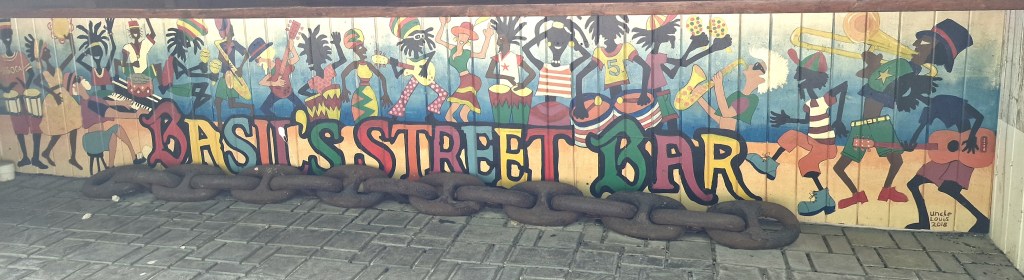
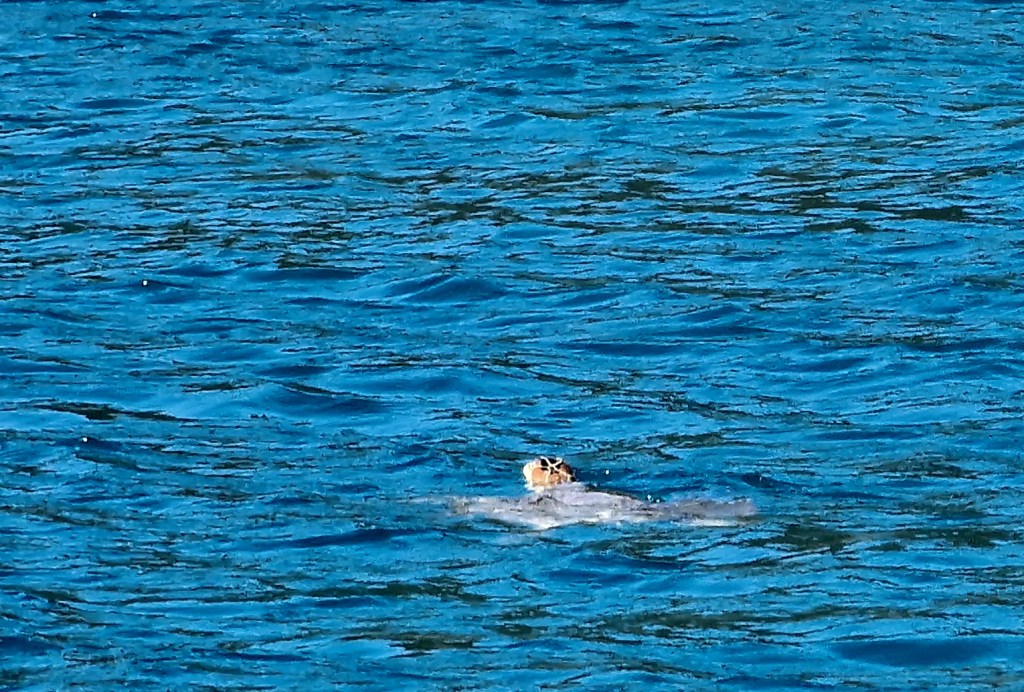
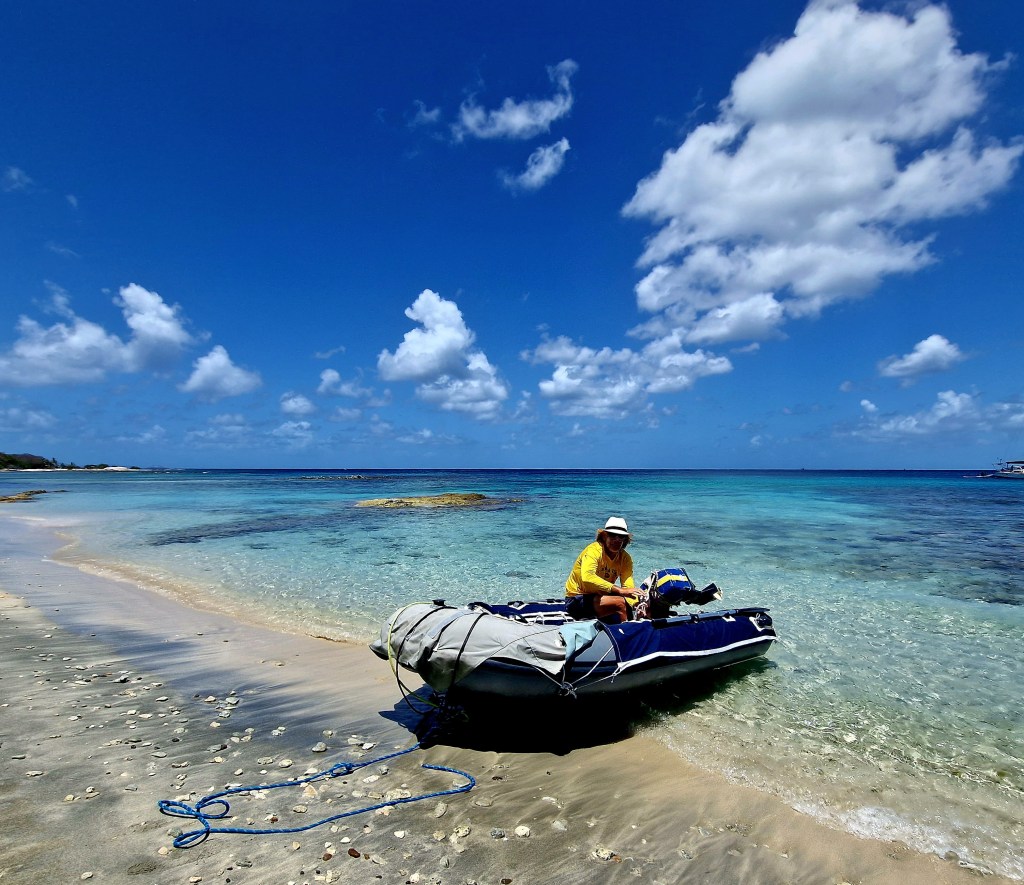
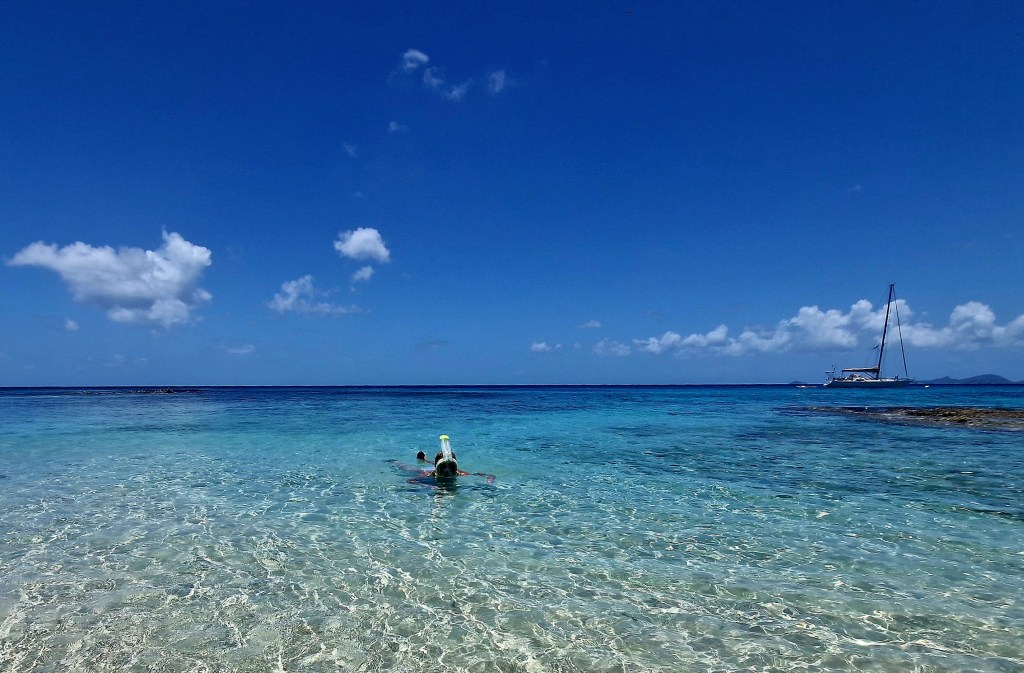
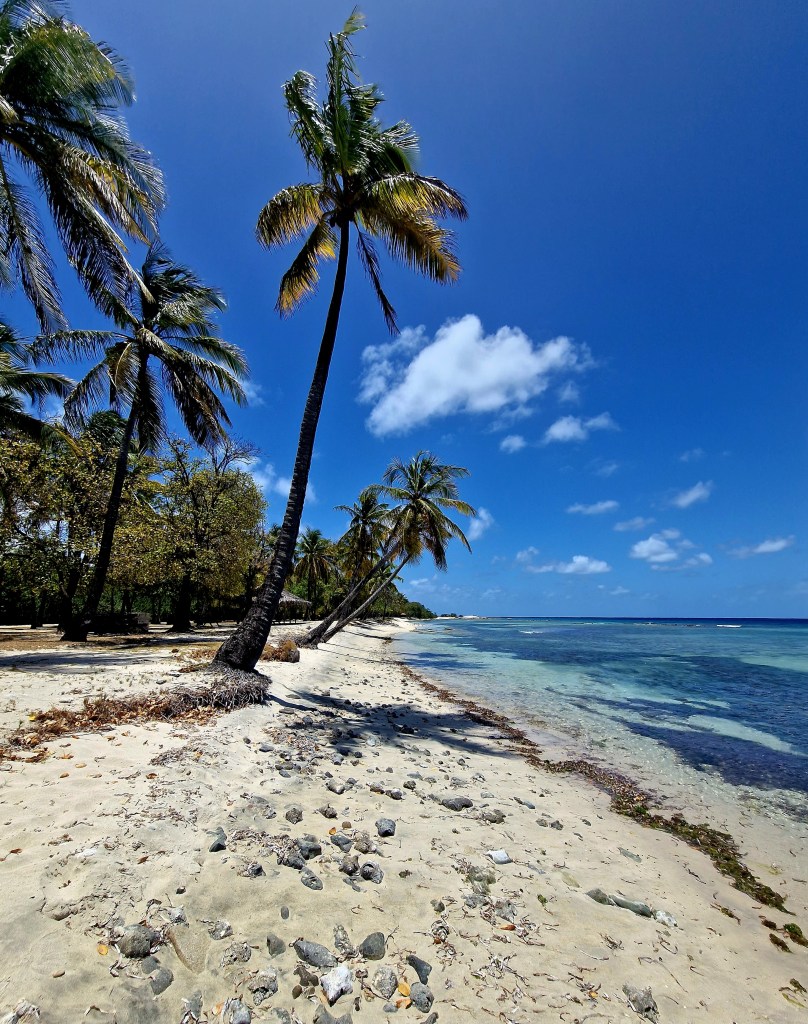

 Levermittliv